

Located on the Silk Road, at the crossroads of Anatolia and Mesopotamia, Mardin has always been a cosmopolitan city. Its old families include Syriac Christians, Armenians, Georgians, Arabs, Kurds, Turks, Persians – and Hungarians.
The family that proudly carries its Hungarian roots in its identity and surname – Macarzade, later Macaroğlu (both meaning “son of Magyar”), or simply Macar – traces back to Macarzade Yahya Çelebi. He arrived in Mardin in the 1860s from nearby Aleppo, where his father had settled after coming from Hungary.
After the defeat of the 1848–49 Hungarian Revolution, many Hungarian officers fled Ottoman lands to escape Austrian reprisals. Those wishing to continue their careers in the Ottoman army had to convert to Islam. Ivo Andrić, not very flattering, writes about these Polish and Hungarian “turncoats,” who, after losing their own war for freedom, helped the Ottomans crush uprisings in other lands – like his Bosnia. And as I’ve already mentioned, when General Józef Bem’s ashes were brought back to his native Poland in 1929, the Catholic Church refused to bury them on consecrated ground as those of a Muslim, so they still hover between heaven and earth, “like the coffin of Muhammad.”
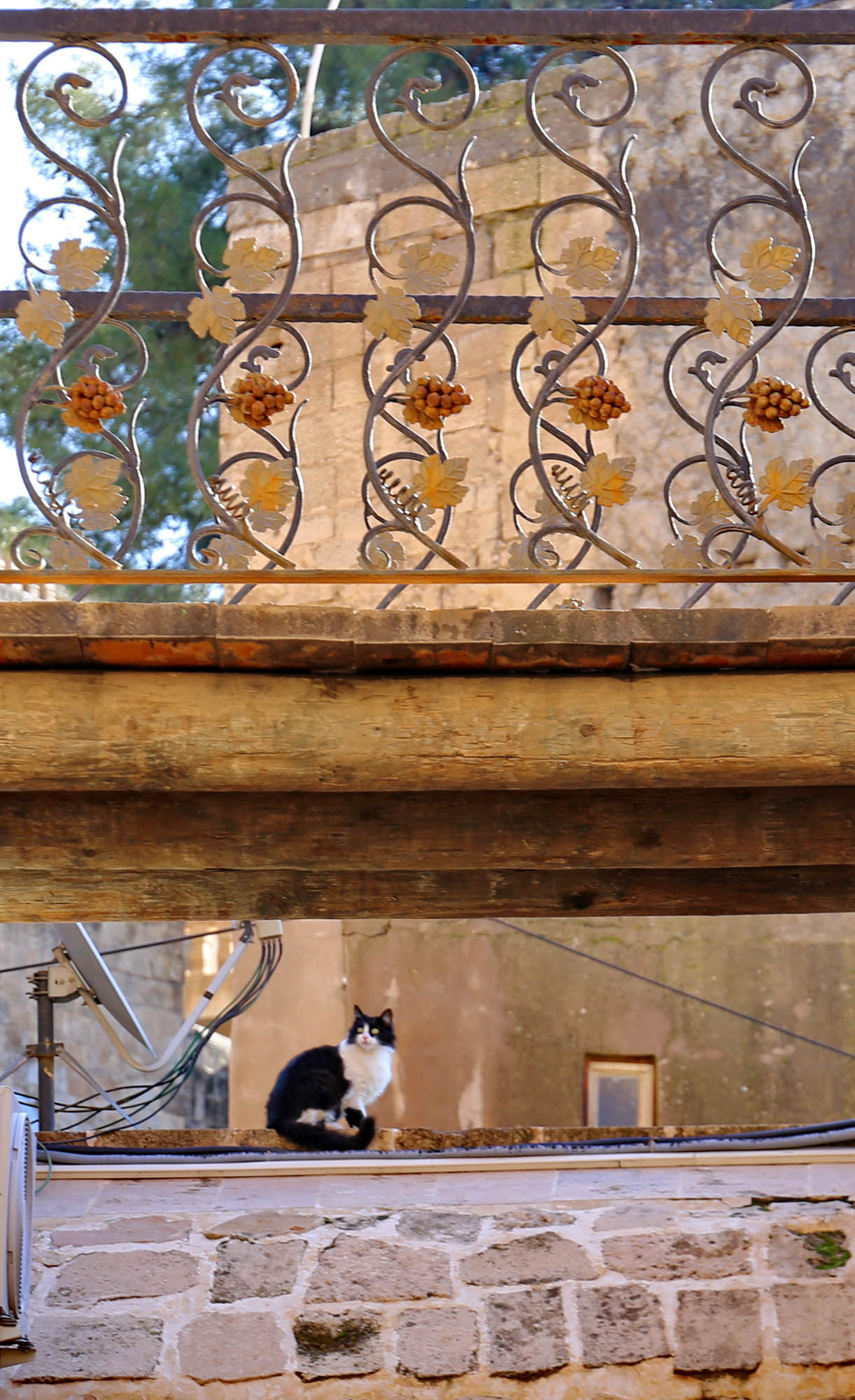
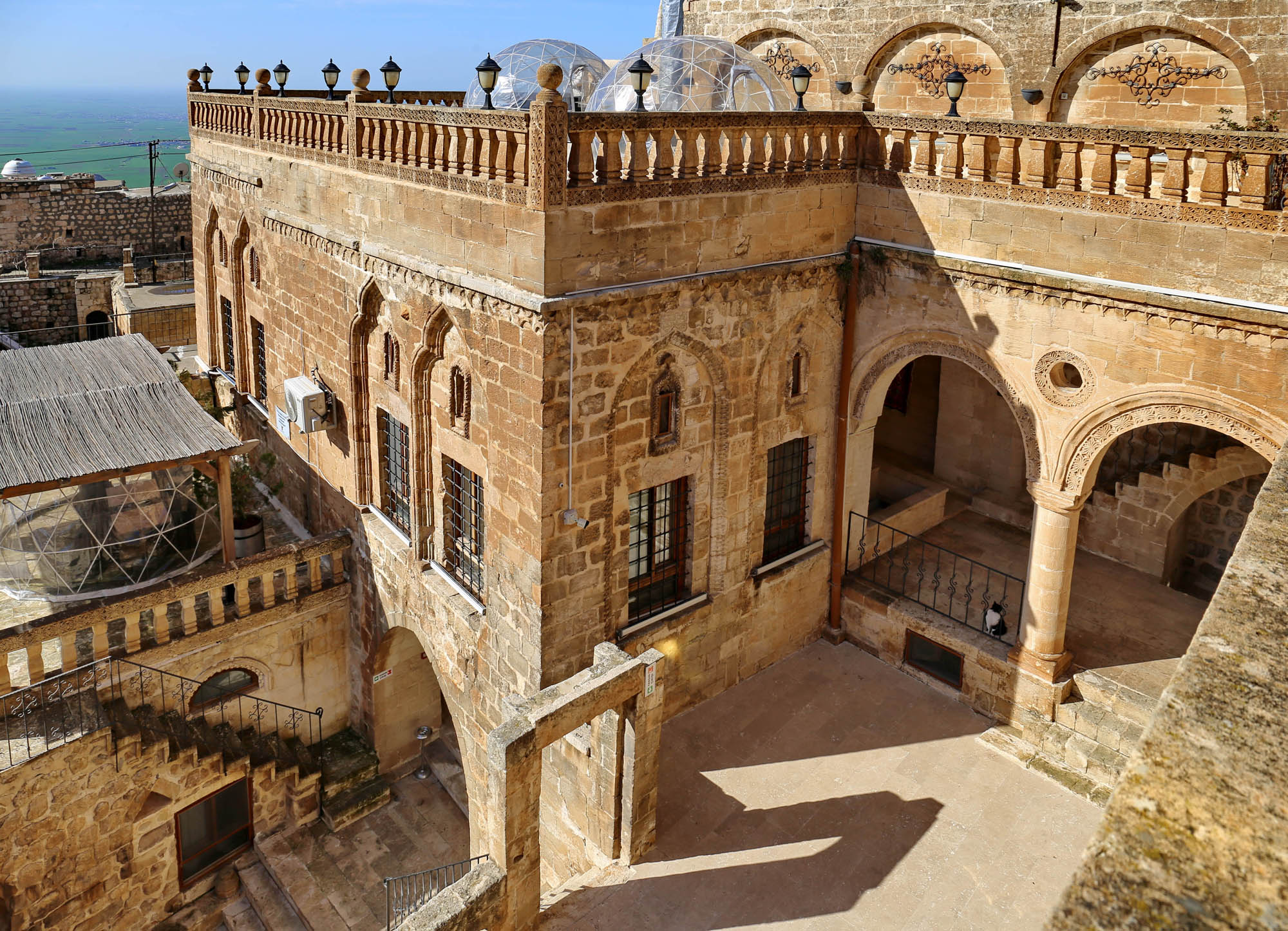
Among the 74 officers of Bem who converted was a Hungarian officer who took the name Hacı Ahmed and served with him in Aleppo. Those who converted generally left behind their previous names as well, but according to family tradition, he was originally called János, came from Zala County, and his original Hungarian name is also inscribed on his grave in Homs, Syria. His son was Macarzade Yahya Çelebi, who moved to Mardin as a kadi, a city judge, and in 1866 bought a house befitting his rank in the upper bazaar near the main square. The house was later expanded in the traditional finely carved stone style of Mardin, and his son, Macarzade Ahmed Şakir, added a second floor.
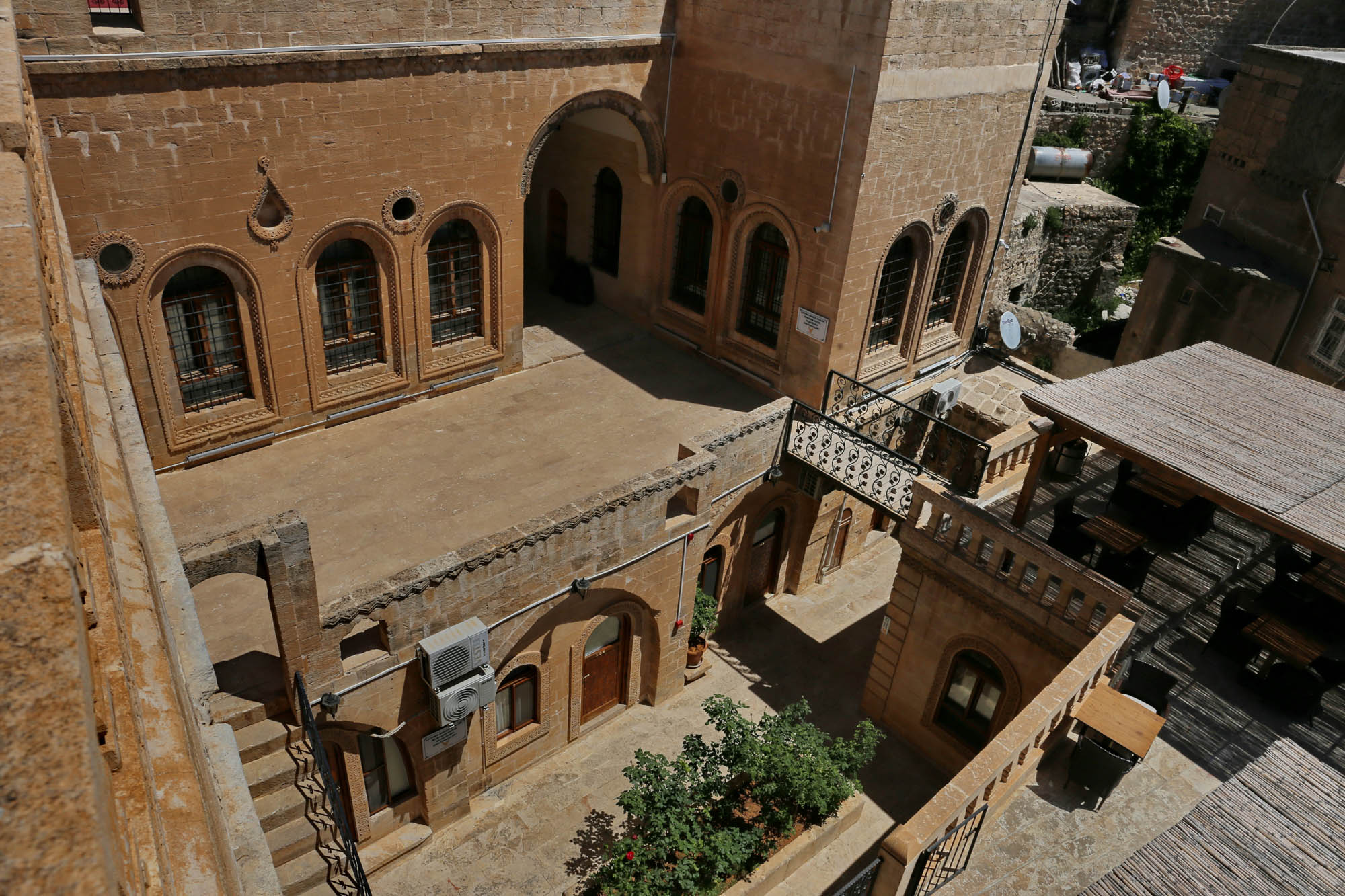
I first learned about the house from Edgár Berecz, and during my trips to Mardin, I often walk by it, and on one or two occasions even visited the large courtyard with the owner’s permission, which I reported on Facebook. The family sold the house in 1997, and the new owner turned it into a classy hotel called Ulubey Konağı. So now, on our Mesopotamian tour, we stayed here to explore and photograph the building at our leisure.
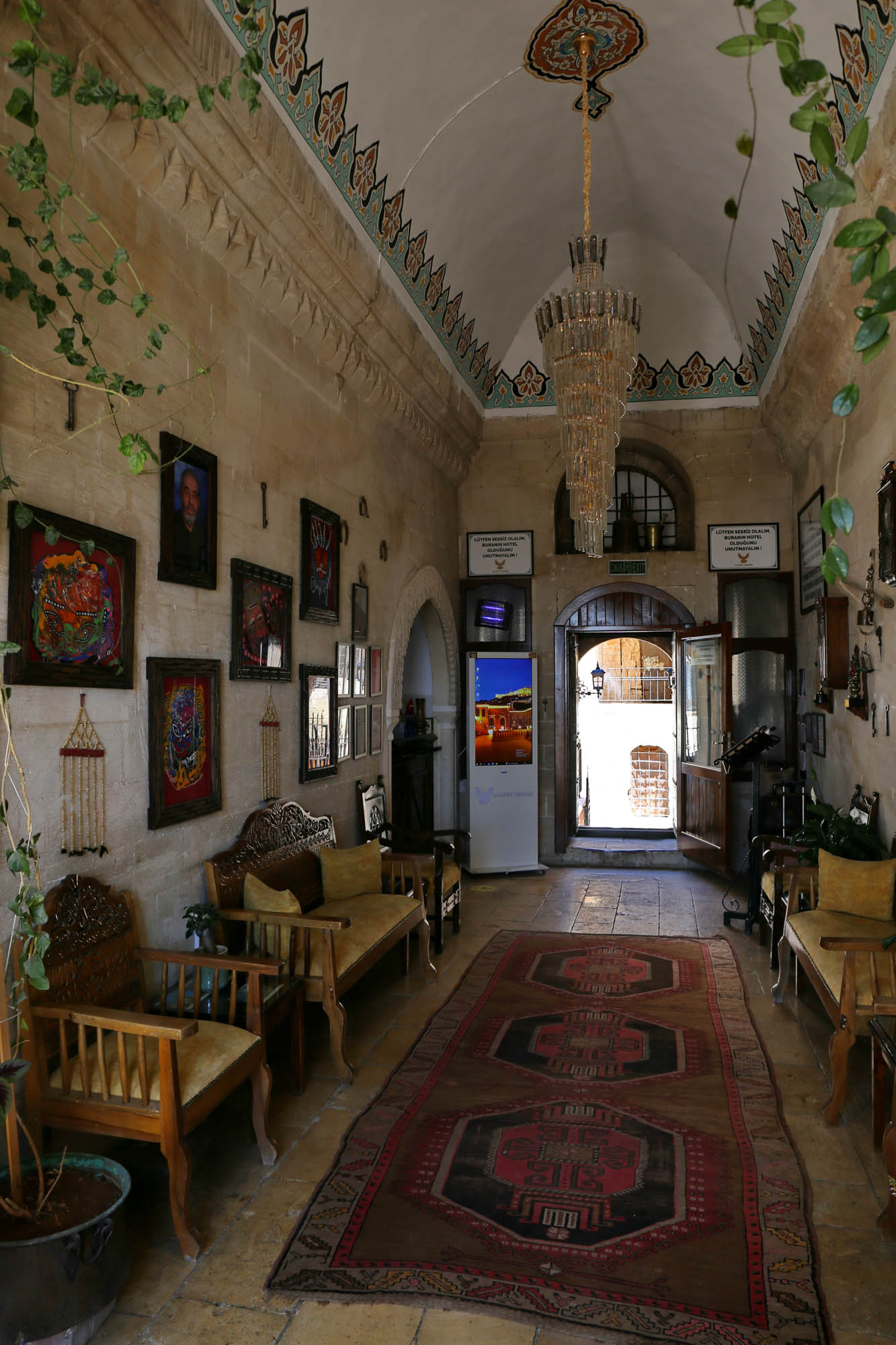
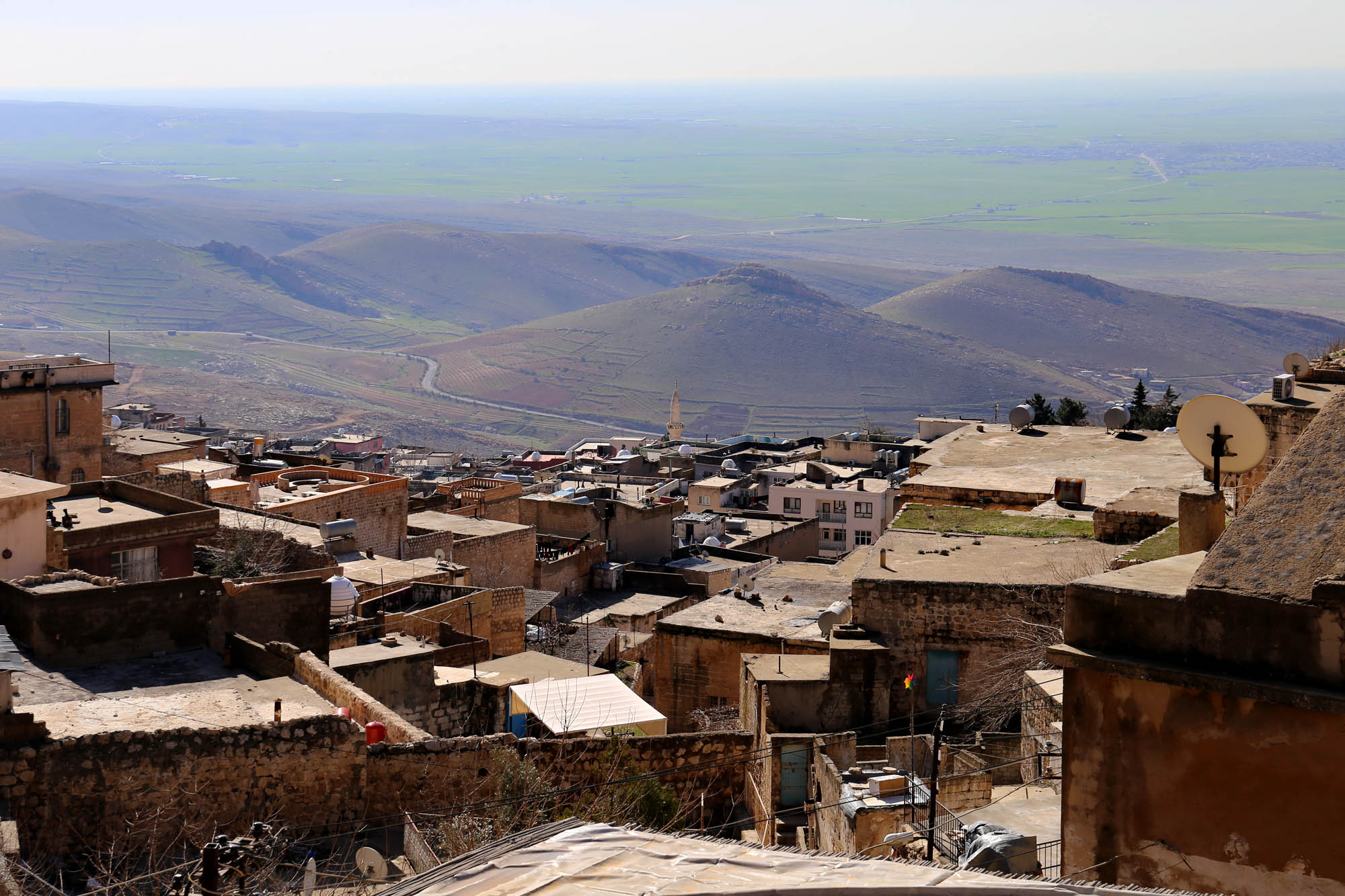
Following Mardin’s traditional layout, the palace is organized around a large courtyard. Like other houses on the steep hillside, it cascades in a hierarchical manner. The level beneath the courtyard houses service rooms – storage and kitchen, now used as a breakfast area – while the level above, with multiple large Persian-style eyvans overlooking the courtyard, contains the family’s living and guest spaces. In the two-story Magyar Palace, these spaces extend to the second floor. Guest rooms here are still airy, with excellent views over the Mesopotamian plain.
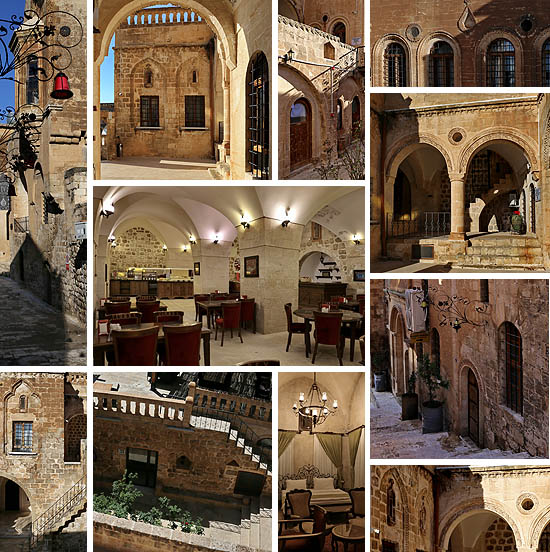
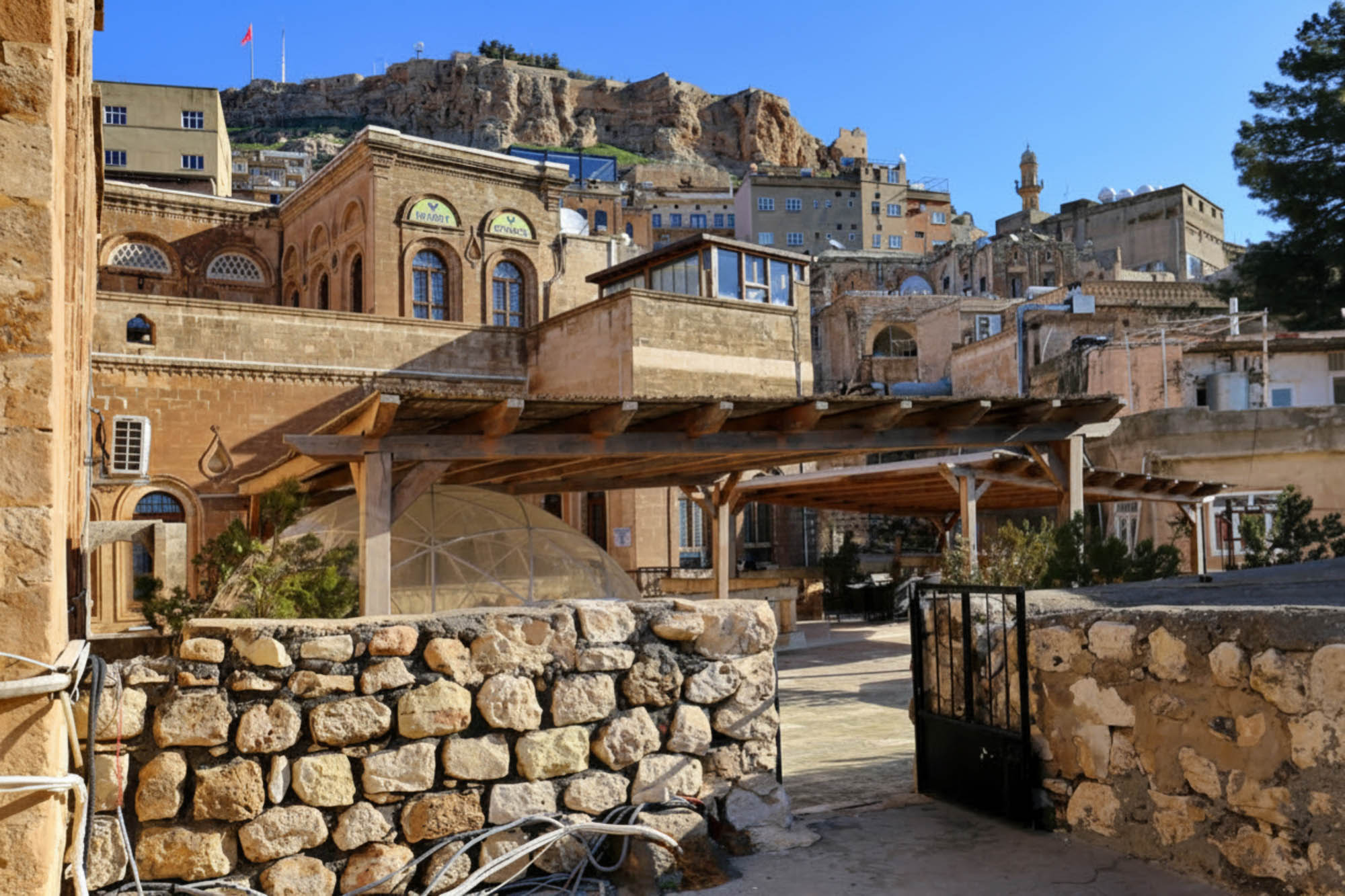
Mardin’s traditional social life was shaped by a “müstaʻreb,” Arab-influenced culture. No matter where a family came from, they absorbed this culture, which connected them to the other families. According to Gani Macar, who still lives in Mardin, the Hungarian family, Beyt Macar, was one of the city’s elite seven families of different origins. As Erdan Macar says in Kurdish filmmaker Halil Aygün’s documentary about the Hungarian community in Mardin: “With the Kurds we are Kurds, with the Turks we are Turks, with the Arabs we are Arabs. My mother is of Sayyid descent (descendant of the Prophet). Here we are all intertwined.”
Hacı Ahmed's descendants today mainly live in nearby Nusaybin, along the Syrian border, forming four family branches: Macar, Macaroğlu, Soyubey, and Yildizoğlu.
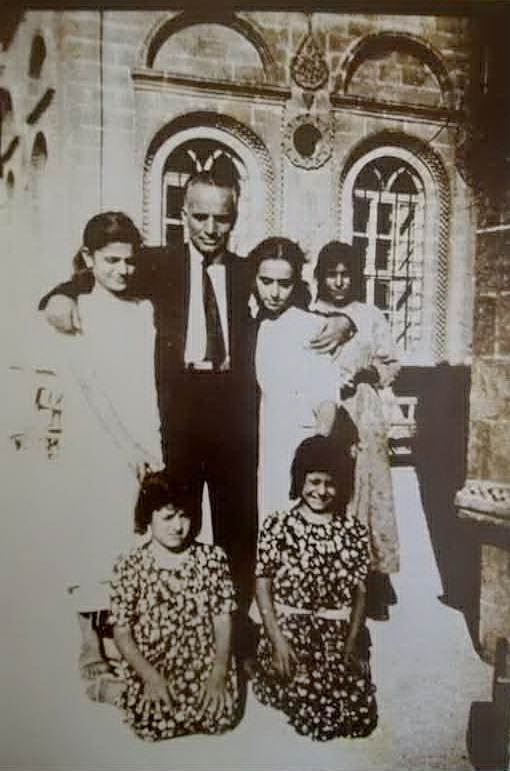 Erdem Macar with his family in front of the Mardin Magyar Palace and later. Below: one of the many Hungarian graves in the Nusaybin cemetery
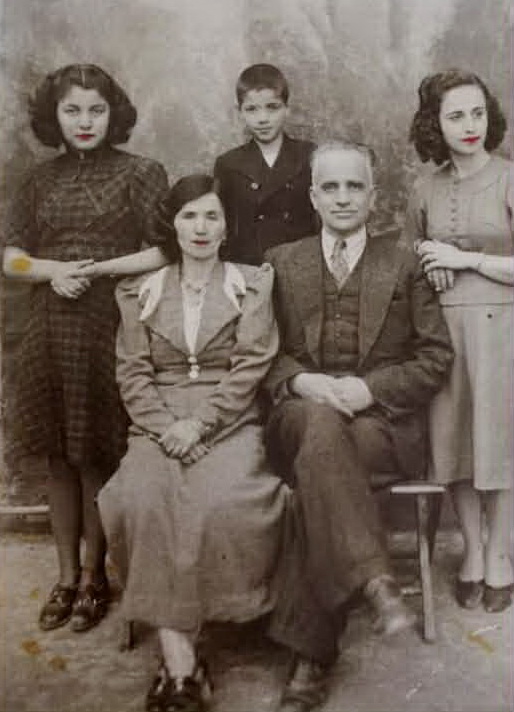
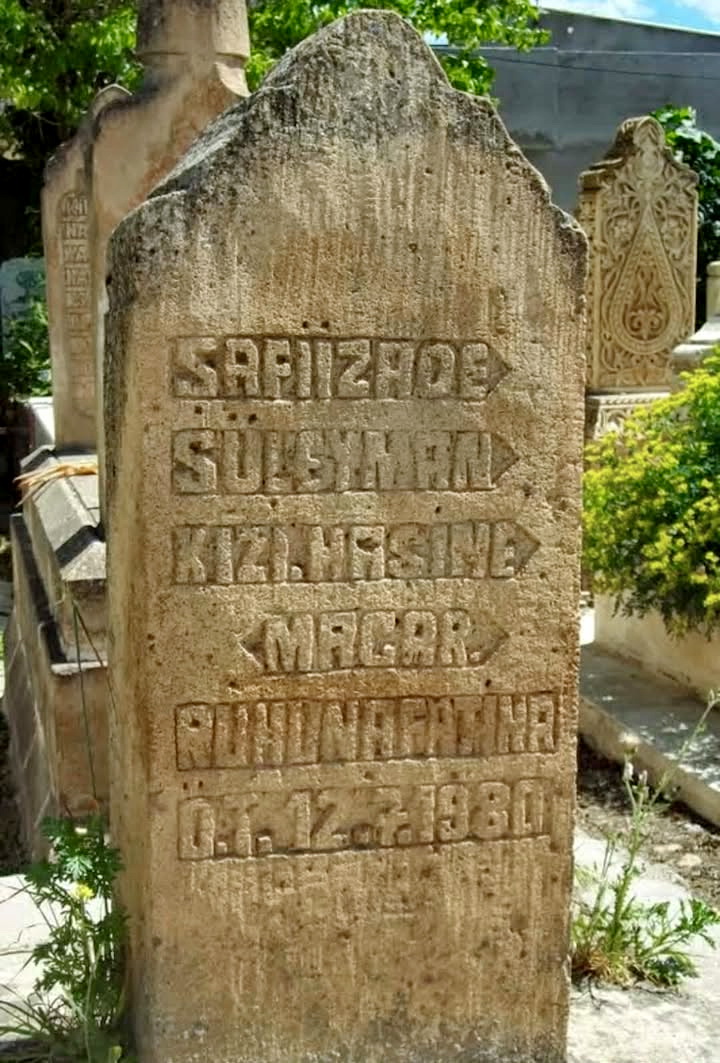
They all preserve their Hungarian identity, and Ahmet Macaroğlu, living in Ankara, also researches the family's history in Turkish and Hungarian archives. He has already published some findings in articles, but a comprehensive study has not yet been compiled. Instead, Bayram Nazır wrote a summary about the Poles and Hungarians who found refuge in the Ottoman Empire. I still need to read it and will report on it later.



Add comment