

In Venice, beside the parish church of San Cassiano, a small square opens onto the Ponte de la Chiesa, a bridge leading across to the Calle dei Morti, which owes its name to the parish cemetery that once stood there. At the foot of the bridge steps stands the marble corner column of the square's only house, bearing the house number assigned in 1854 on its capital. The inscription carved beneath the capital, however, is noticed only by those who come close enough for the shallowly incised letters to emerge before their eyes.
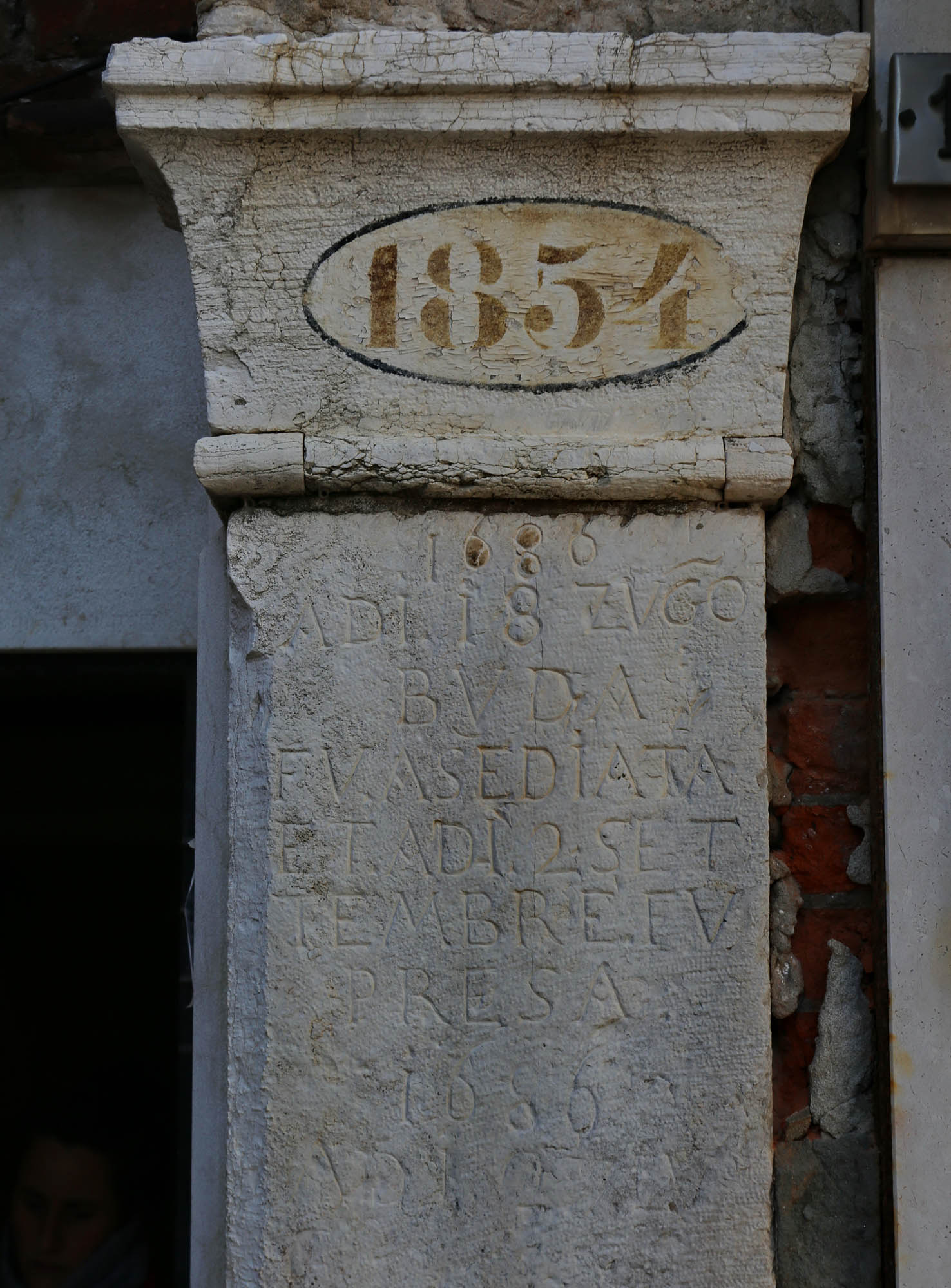
The upper and larger part of the inscription was carved by a skilled hand in neat Roman capitals:
1686 A DÌ 18 ZUGNO BVDA FV ASEDIATA ET A DÌ 2 SETTEMBRE FV PRESA
On 18 June 1686 Buda was besieged, and on 2 September it was taken.
Beneath it, another date was added in a more cursive, handwritten style:
1686 A DI 27 LV
27 July 1686
We do not know who considered it so important to record the dates of Buda's liberation from Ottoman rule. But we do know that he was not alone.

The story of the liberation of Buda, which had been captured by Sultan Suleiman on 29 August 1541, begins in September 1683, when the armies of the Holy Roman Empire and Poland relieved Vienna from the Ottoman siege. A month later they also recaptured Párkány (today Štúrovo) and Esztergom from the Ottomans. In the euphoria following these victories, Pope Innocent XI encouraged the Habsburg Monarchy, Poland and Venice to establish the Holy League with the aim of liberating further territories under Ottoman rule. The League's forces first laid siege to Buda in 1684, but without success. After lengthy preparations they returned in 1686, and following a three-month siege, at enormous cost in human lives, they finally captured the city on 2 September, bringing almost exactly 145 years of Ottoman rule to an end.
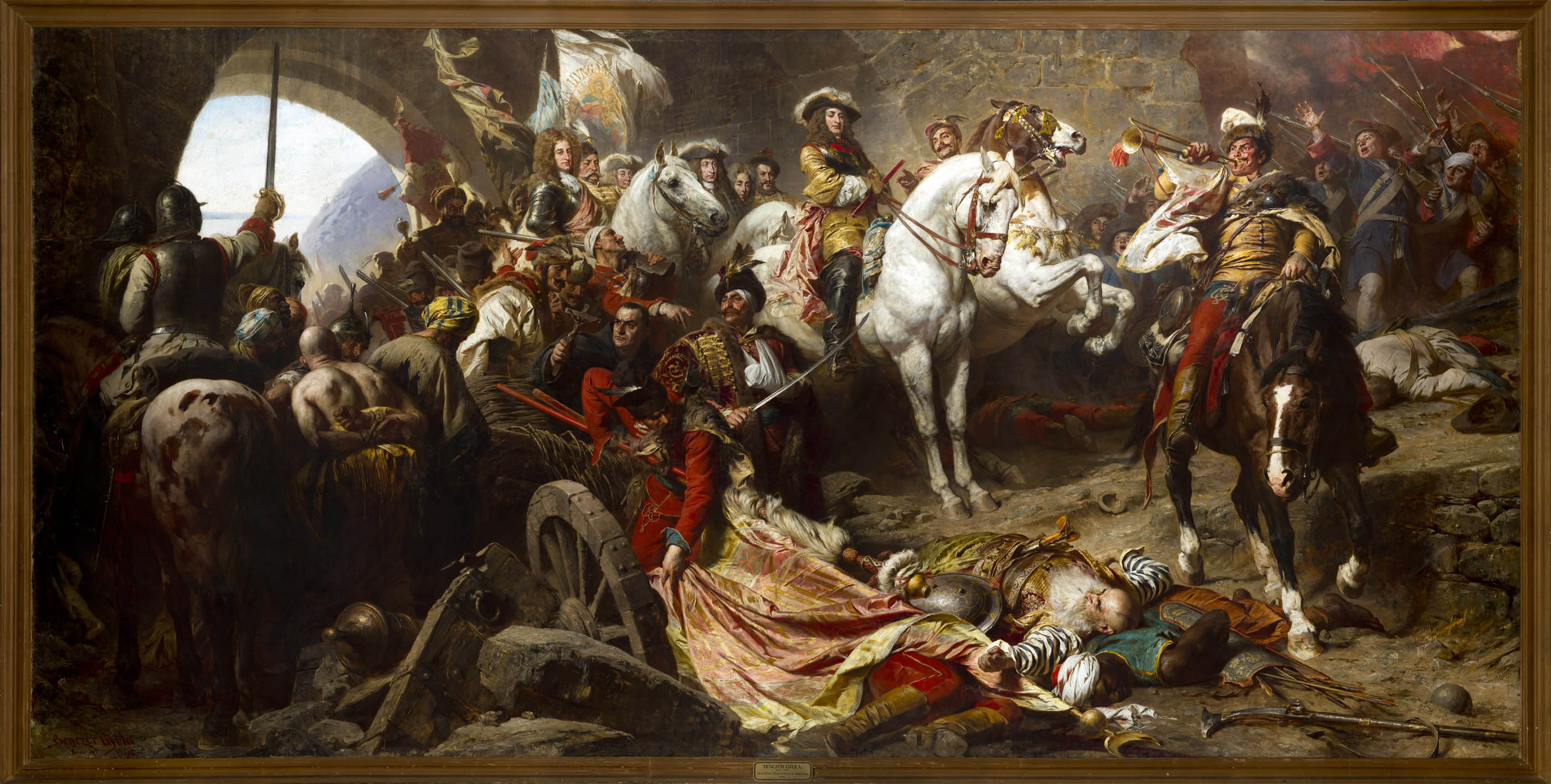 Gyula Benczúr: The Recapture of Buda Castle, 1896. Charles of Lorraine, entering through the Vienna Gate, looks upon the body of the Ottoman commander defending the fortress, Abdurrahmán Abdi Arnaut, whose memorial now stands just behind the gate.
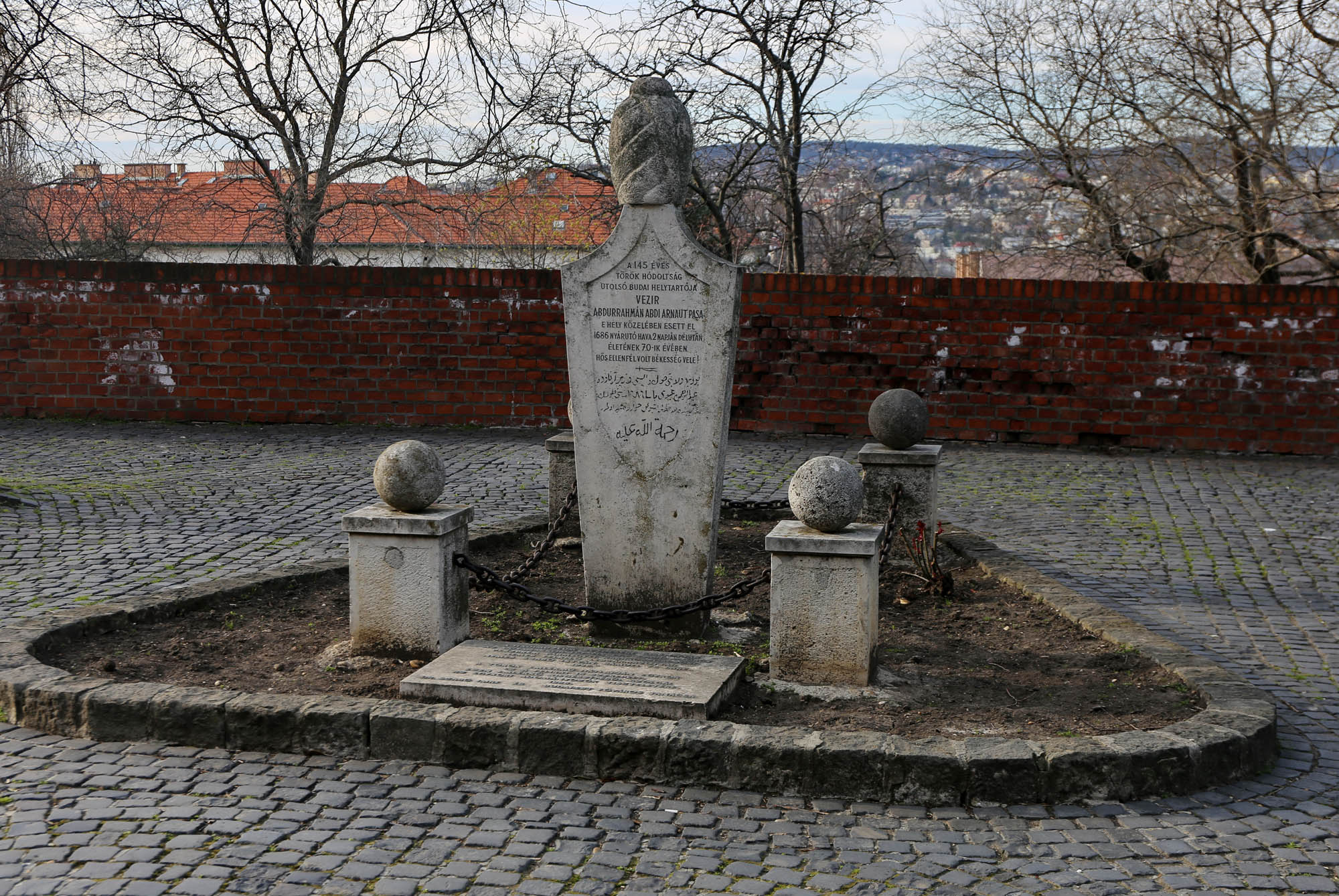 The monument to the Turkish commander of Buda stands at the place where he fell in defense of the fortress on 2 September 1686. The monument was erected in 1932 by the descendants of György Szabó, who died here on the same day during the siege of the castle. The inscription on the monument is in Hungarian, Ottoman Turkish, and modern Turkish: “The last governor of Buda under the 145-year Ottoman rule, Abdurrahman Abdi Arnaut Pasha, fell near this place on the afternoon of the 2nd day of the late summer month of 1686, in the 70th year of his life. He was a heroic opponent; peace be upon him.”
 The death of the pasha is also commemorated by Margit Kovács’s 1977 naïve-style ceramic work at the Vienna Gate, at the beginning of Ostrom Street. A curious flaw in the composition is that in the background—presumably under the influence of the romantic novel The Stars of Eger—it is not the Christians but the Turks who are depicted besieging the castle.
The capture of Buda was celebrated across Europe with fireworks, church bells, and masses. This was especially true in Venice, which as a naval ally of the Holy League was at the same time liberating the Peloponnese from Ottoman rule, as I will write about shortly. It was in this atmosphere of enthusiasm that the inscription next to San Cassiano was created. What the July 27 date below it refers to is unknown. On that day, János Eszterházy launched a major assault on the fortress, but with only partial success—it is unlikely that the inscription refers to this event.
 Fireworks in Brussels’ Grand Place celebrating the capture of Buda
Among the celebrating cities was Brussels, where alongside the fireworks several inns even took the name of Buda. Around the Buda Inn, standing alone north of the city, a small village developed by the 19th century, which with the creation of the nearby Haren railway junction was integrated into Greater Brussels as an industrial district.
Della Bosiers Fleur de Buda (1971), a song about the Brussels Buda industrial district
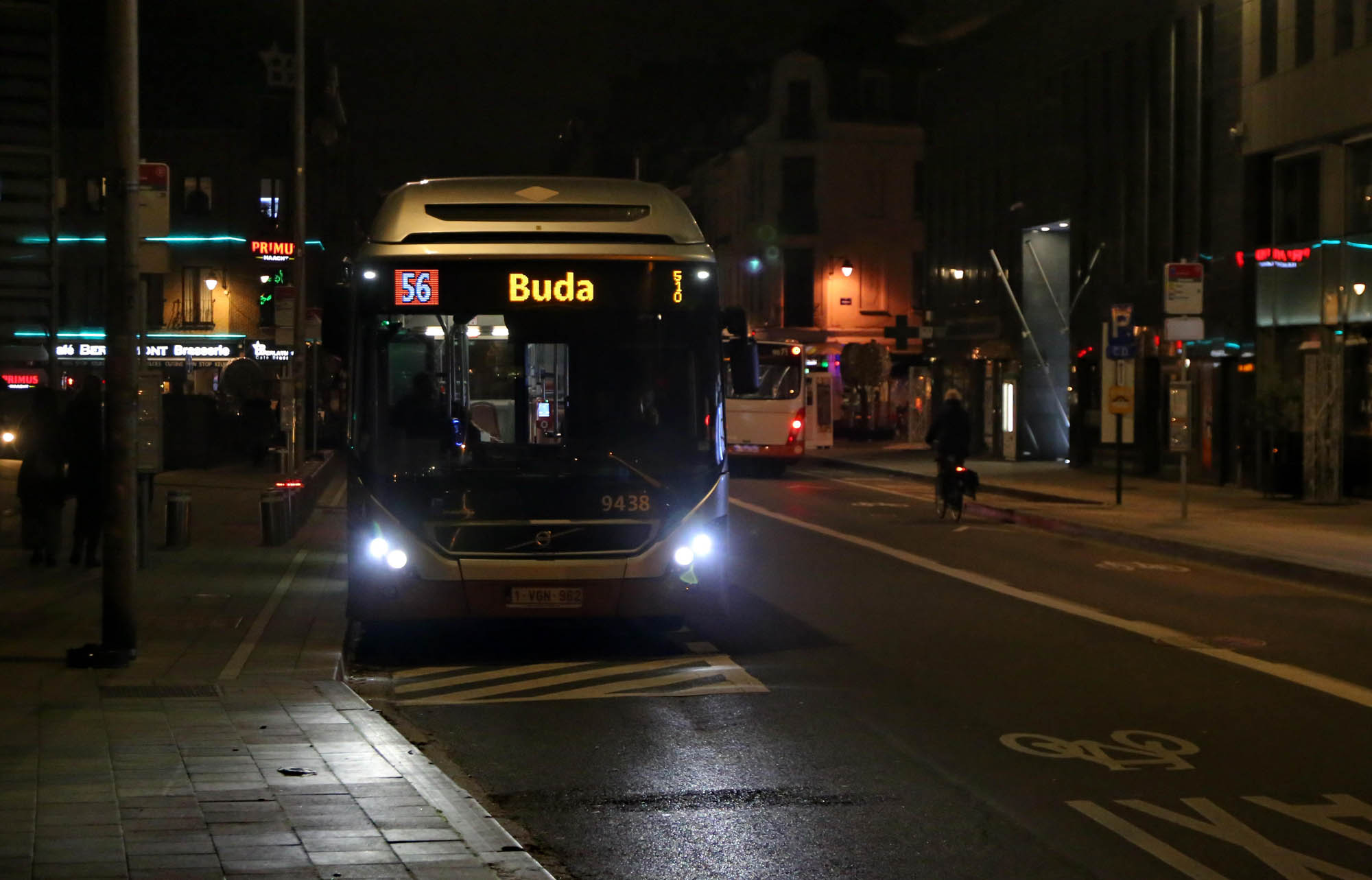
The next Hungarian historical event that made all of Europe’s heart beat faster was the 1956 Revolution, after which squares and streets were again named in its honor. Brussels already had its Buda, so they simply named bus number 56, running from the European Parliament toward Buda, after the uprising.
After the 1956 Revolution, tens of thousands of Hungarian refugees were also received in Italy, and several cities there named squares after the Hungarian martyrs.
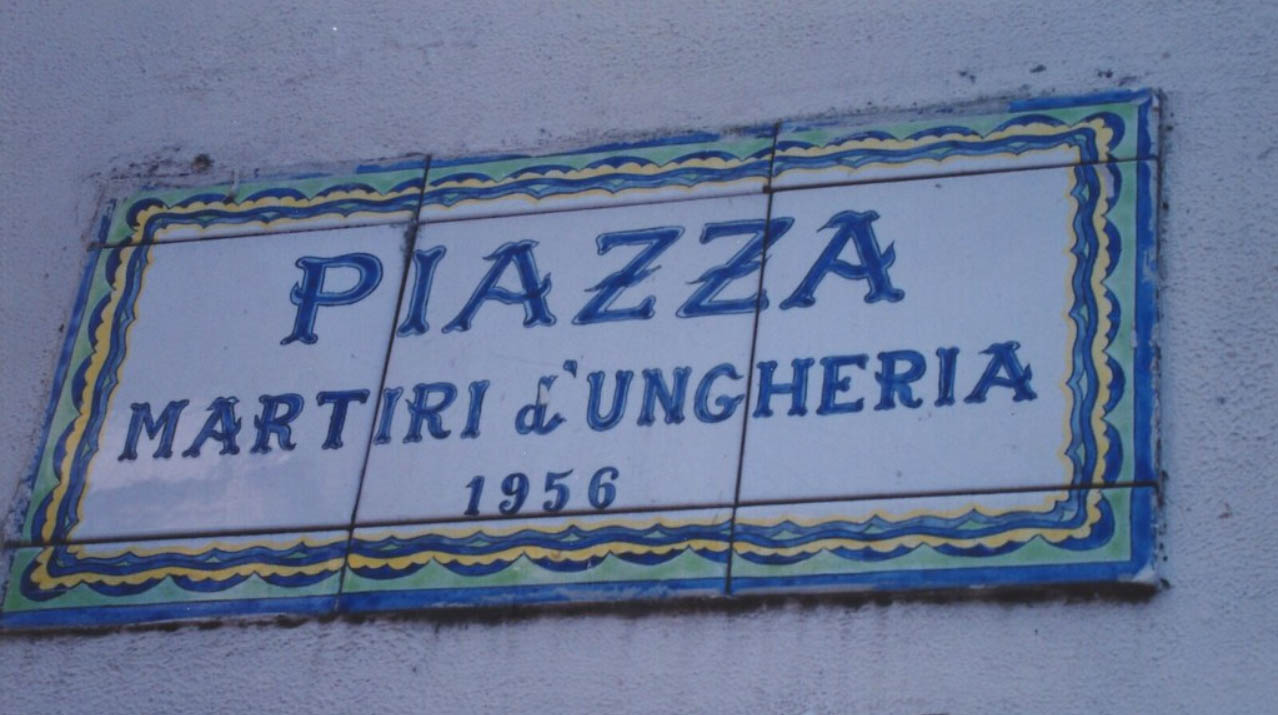 For example in Capri (copyright by ribizlifőzelék)
Or in the small Sicilian town of Piazza Armerina. On October 23, we were able to commemorate the anniversary here in a truly fitting place.




Add comment