

   |
On the fiftieth anniversary of the 1969 exhibition the Photo Gallery of Brothers Lumière in Moscow organized the first event in a series entitled “The classics of Lithuanian photography”, the retrospective exhibition of one of the school’s founders, Alexander Macijauskas. In the same and the following year a number of similar events followed, which are now summarized in the present, comprehensive exhibition.

Andrei Baskakov, president of the Russian Federation of Photographic Art, recalls in the foreword to the exhibition catalog:
“I remember well how into the Soviet photography of the late 1960s almost literally burst in, just like a Baltic storm, the fresh wind of the new themes, sights and compositions of the photos of those young, 30-year-old Lithuanian boys. This phenomenon was so striking and unusual for the audience accustomed to the standard portraits of success workers, building cranes, harversters working on the fields, that the new trend – thanks to the journal Soviet photo – immediately won the best places in the publications, exhibitions and photo albums.
The Lithuanian photographers were perhaps the first ones in the USSR who showed in such a simple, warm and poetic way the not always festive life of peasants, pioneers, school teachers, rural doctors. Macijauskas’ Village fair brought a revolution to the mind of a generation of photographrs, and the wide-angle “Russar” instantly became the most popular and almost unavailable photographic lens. Rakauskas in the Bloomings showed the essence of springtime, and Sutkus composed a veritable encyclopedia of the people of that difficult era.
Kunčius, Straukas, Butyrin, Luckus, Gvozd, Šonta, Požerskis – in Russia they very quickly got used to the Lithuanian names. Antanas, Alexandras, Vaclovas, Romualdas began to come to Moscow as if they went home here, and Russian, Ukrainian, Belarussian photographers also regularly traveled to Vilnius, Kaunas, Klaipeda, Šiauliai and Nida to learn, to make friends, to discuss, to drink… These were the years when we were together, when there were no visas, passports, customs, only an immense desire to show ourselves and to see the others.”
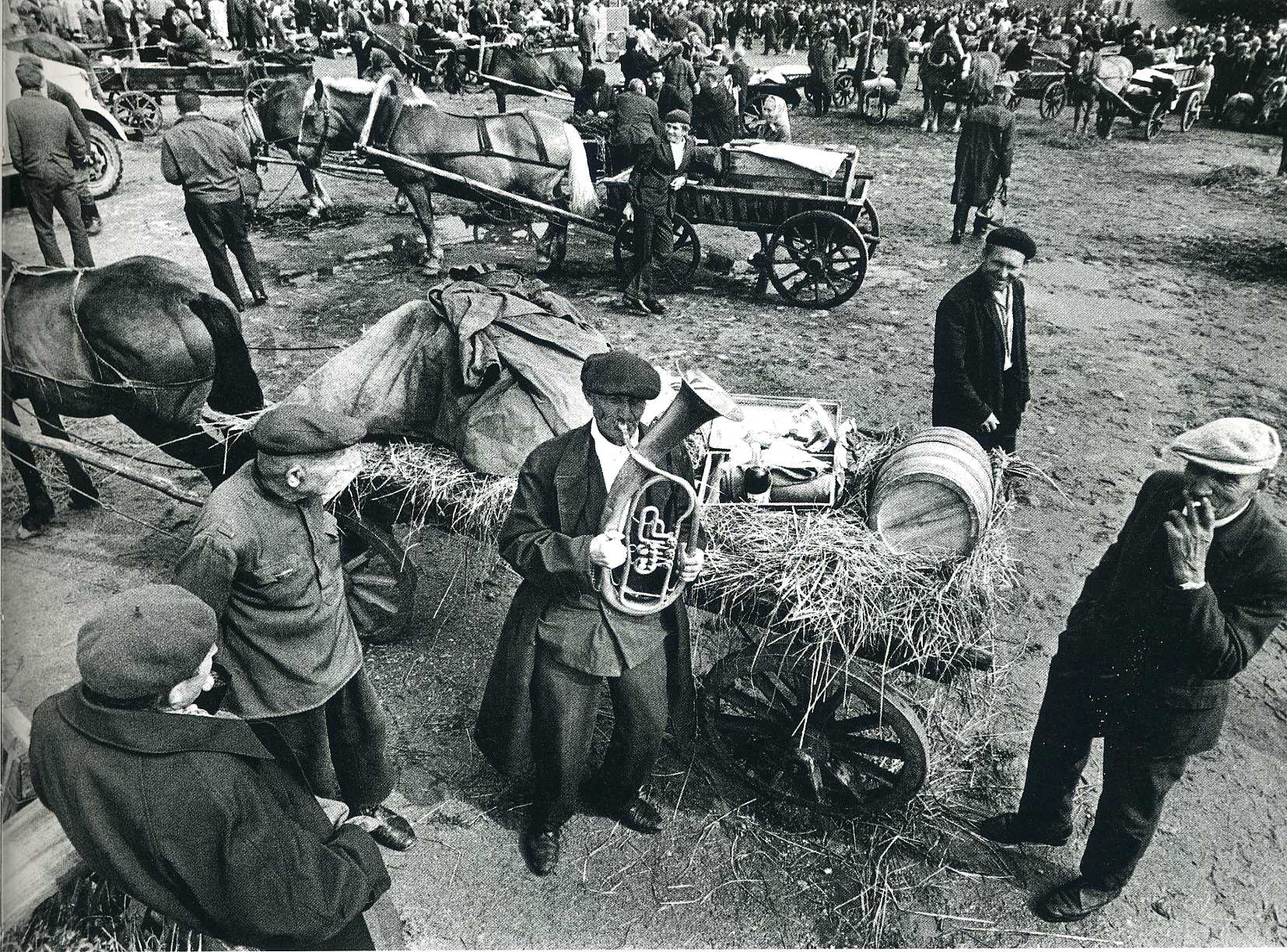

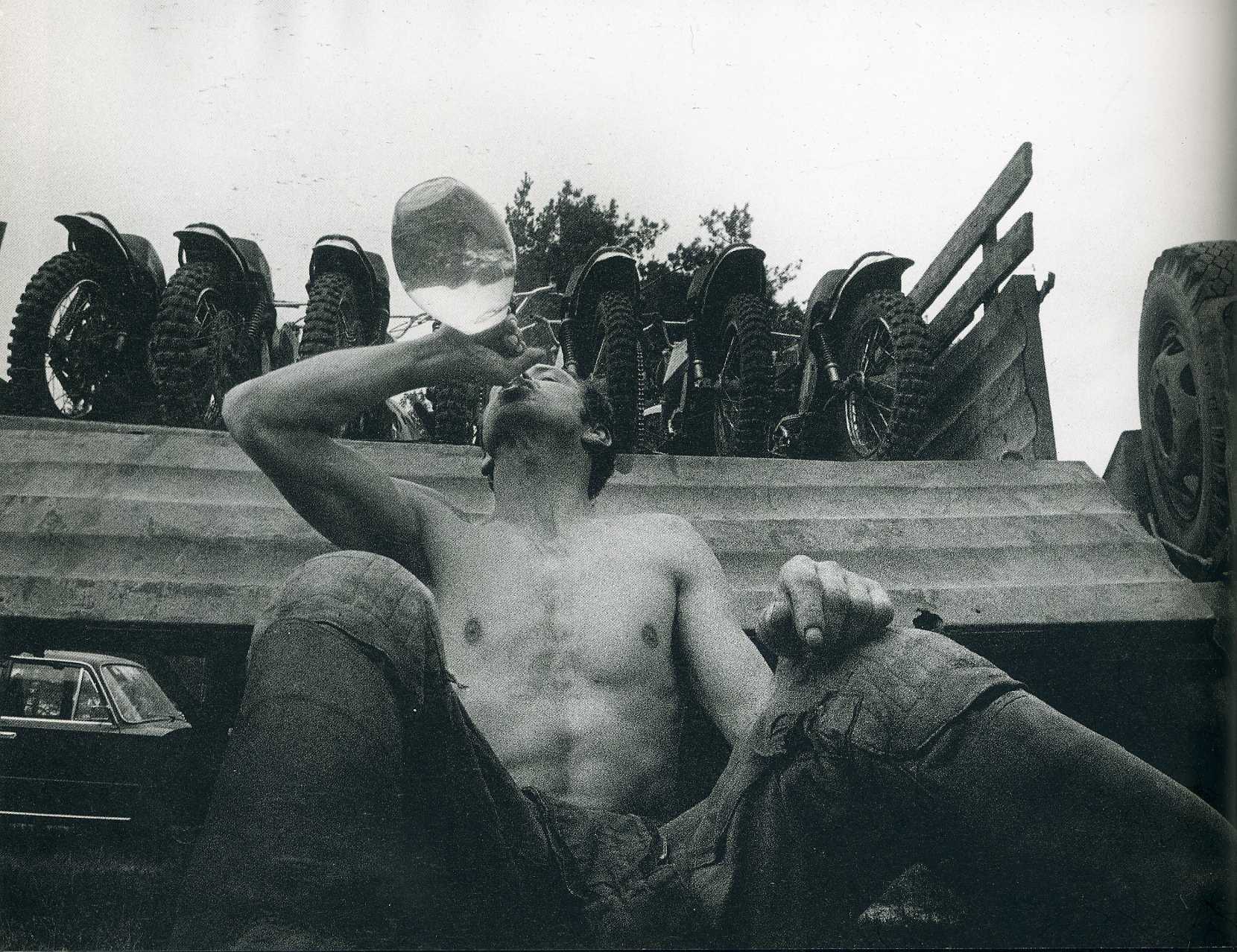 Alexandras Macijauskas (from the series Village fair)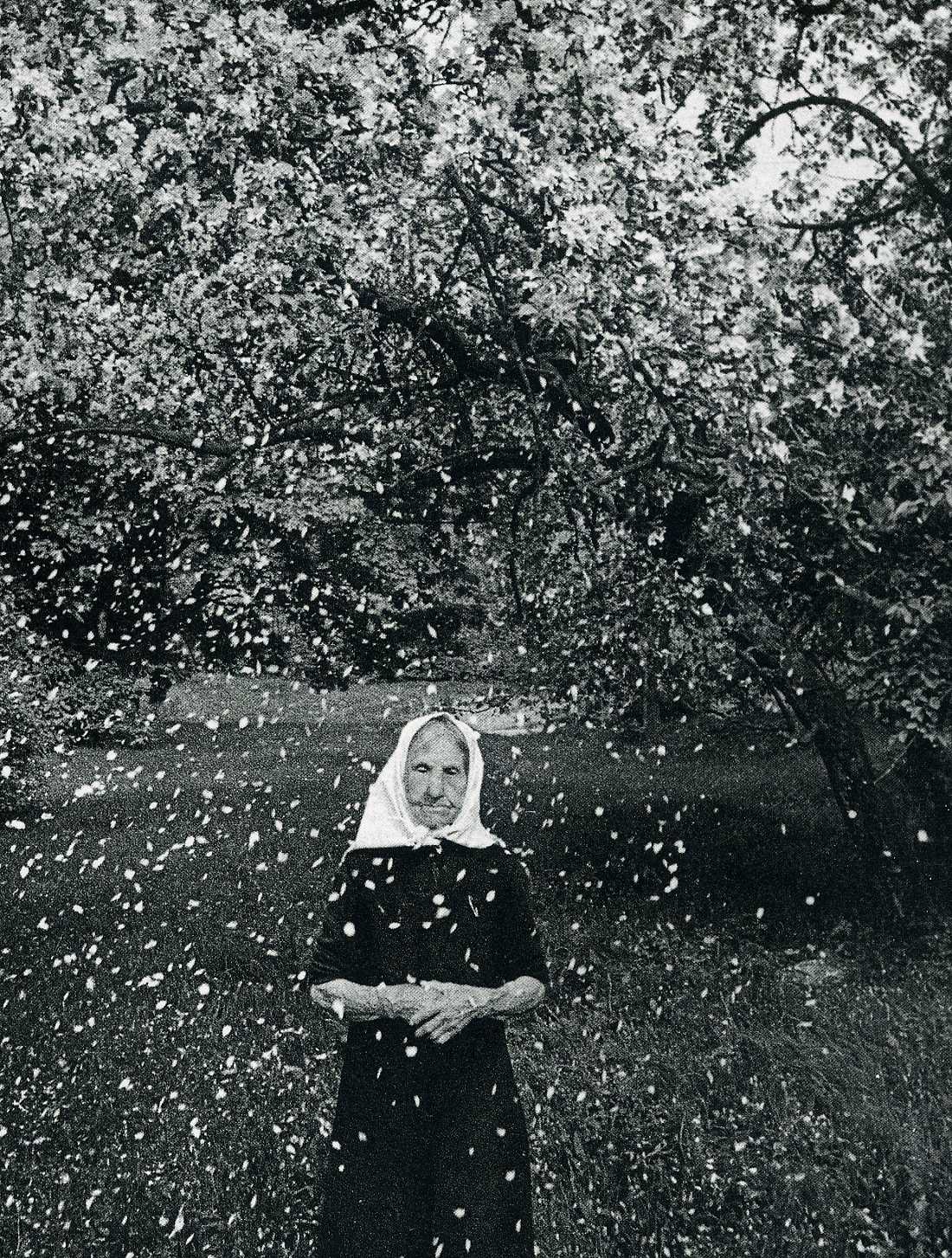

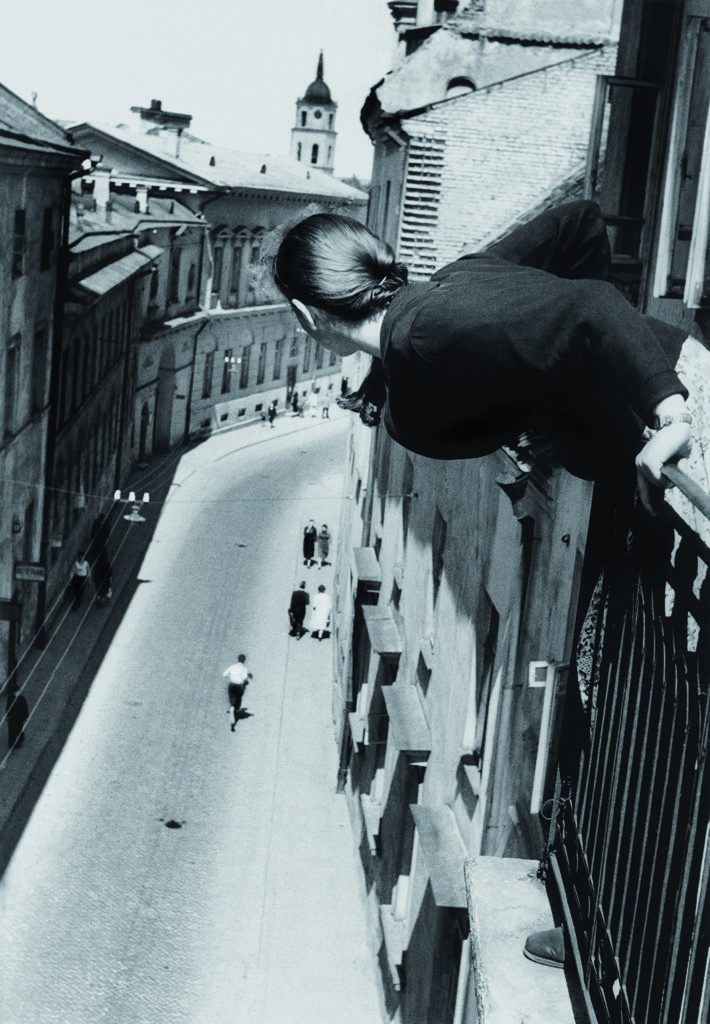
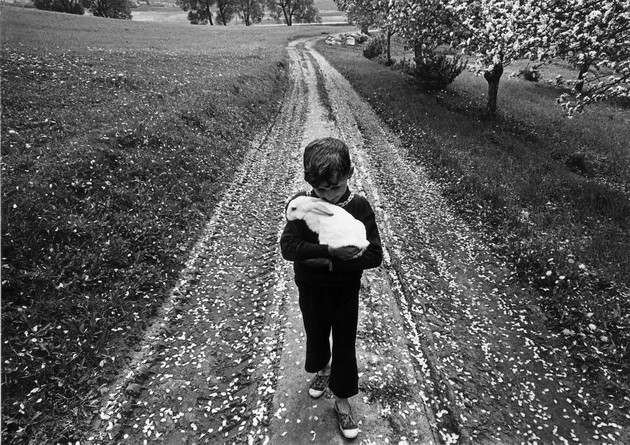 Romualdas Rakauskas (mainly from the series Bloomings)
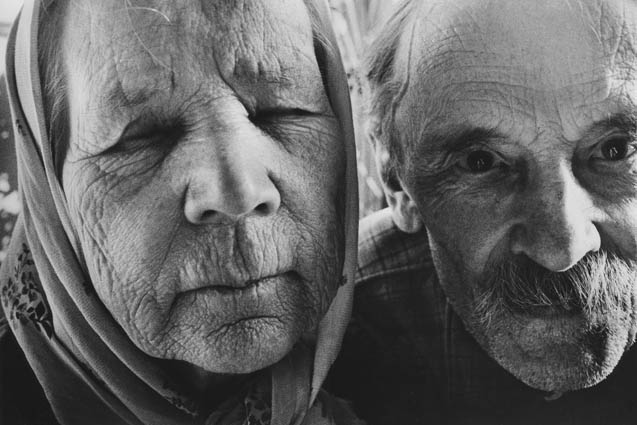
“There are images and there are counter-images. A counter-image is produced as an act of resistance against a dominant, official and public image. The vast archive of 700,000 photos by Antanas Sutkus, collected between 1956 and 1989 on the daily life of the communist Lithuania, is one of the most important archives of counter-images ever produced in the world. Each photo of Sutkus, to paraphrase Orwell, is “a pinch of a counter-revolution”, an act of opposition against the visual ideology of the regime.”
Ben Lewis’ foreword in the catalog of Sutkus’ exhibition in the Château d’Eau Gallery of Paris, March 2011


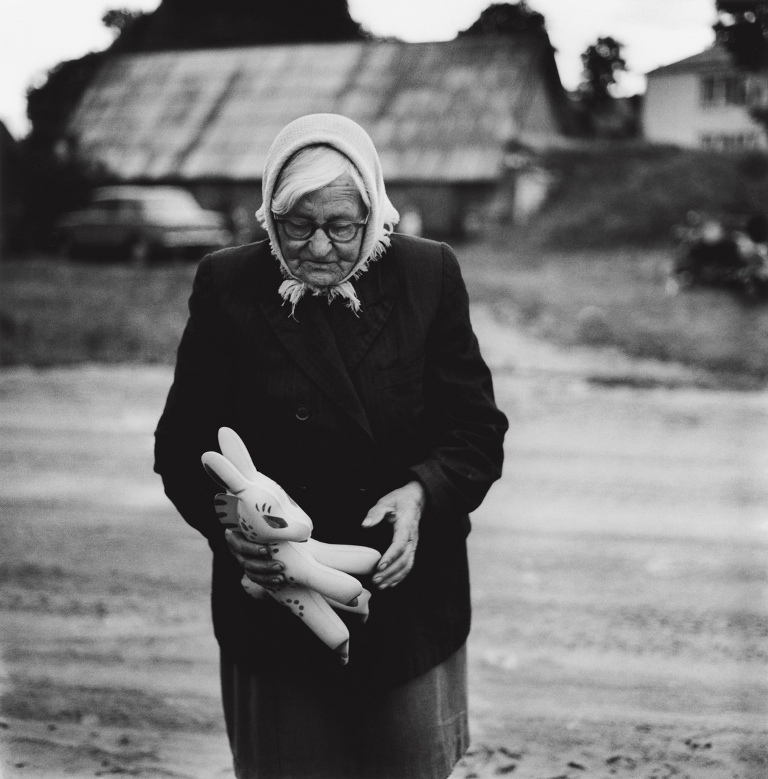

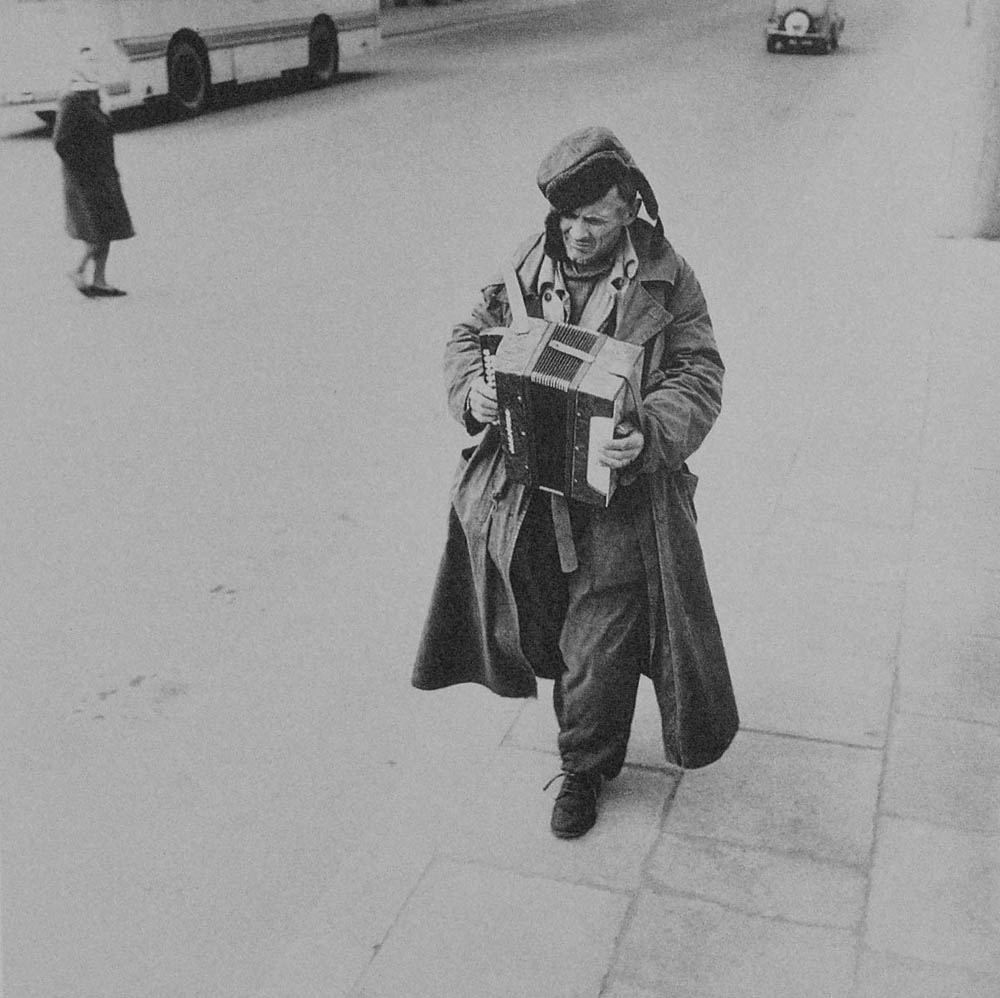 Antanas Sutkus


Add comment