

There is a well-known anecdote from the Hungarian revolution of 1956: although shop windows were smashed, no one took anything from the stores. The tale is often used to illustrate the moral state of Hungarian society at the time.
Perhaps one day a similar story will be told about what we ourselves witnessed during the current Iranian revolution.
On January 8, the regime unexpectedly shut down the internet across the entire country, hoping to make it harder for protesters to stay in touch with one another and to prevent photos and videos taken during the demonstrations from being shared.
But there was one thing they failed to reckon with—or perhaps they simply didn’t care. Because of the brutal inflation, cash has been used less and less in Iran for years now; people mostly pay by bank card. Which, of course, requires an internet connection.
Two days later, the wise men realized this and at least restored the banking intranet. But for two full days, the entire country was unable to pay.
What did people do in the shops? They left with the shopkeepers—complete strangers—their bank card numbers and PIN codes, asking them to charge the amount later, once card payments were working again. And the shopkeepers handed over the goods, trusting that the card number and PIN was correct and that there was enough money on the card.
This story—which must have been repeated thousands, perhaps millions of times across Iran during those two days—says more about the moral state of Iranian society, and about Iranians themselves, than anything else.
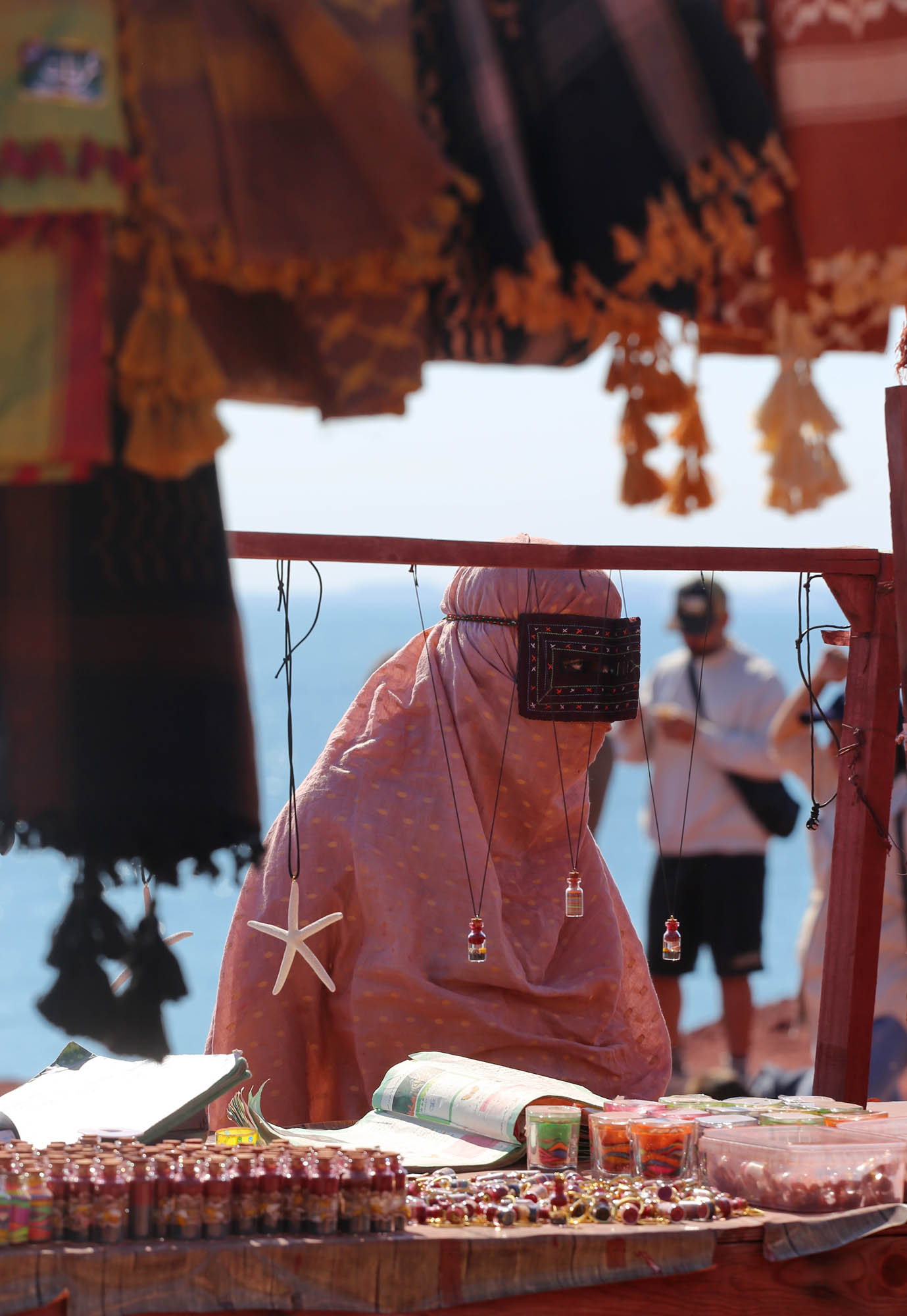
(The illustration shows a vendor from Hormuz Island in the Persian Gulf, photographed that same day. I will write separately about the traditional women’s face covering of the Persian Gulf region, the boregheh.)
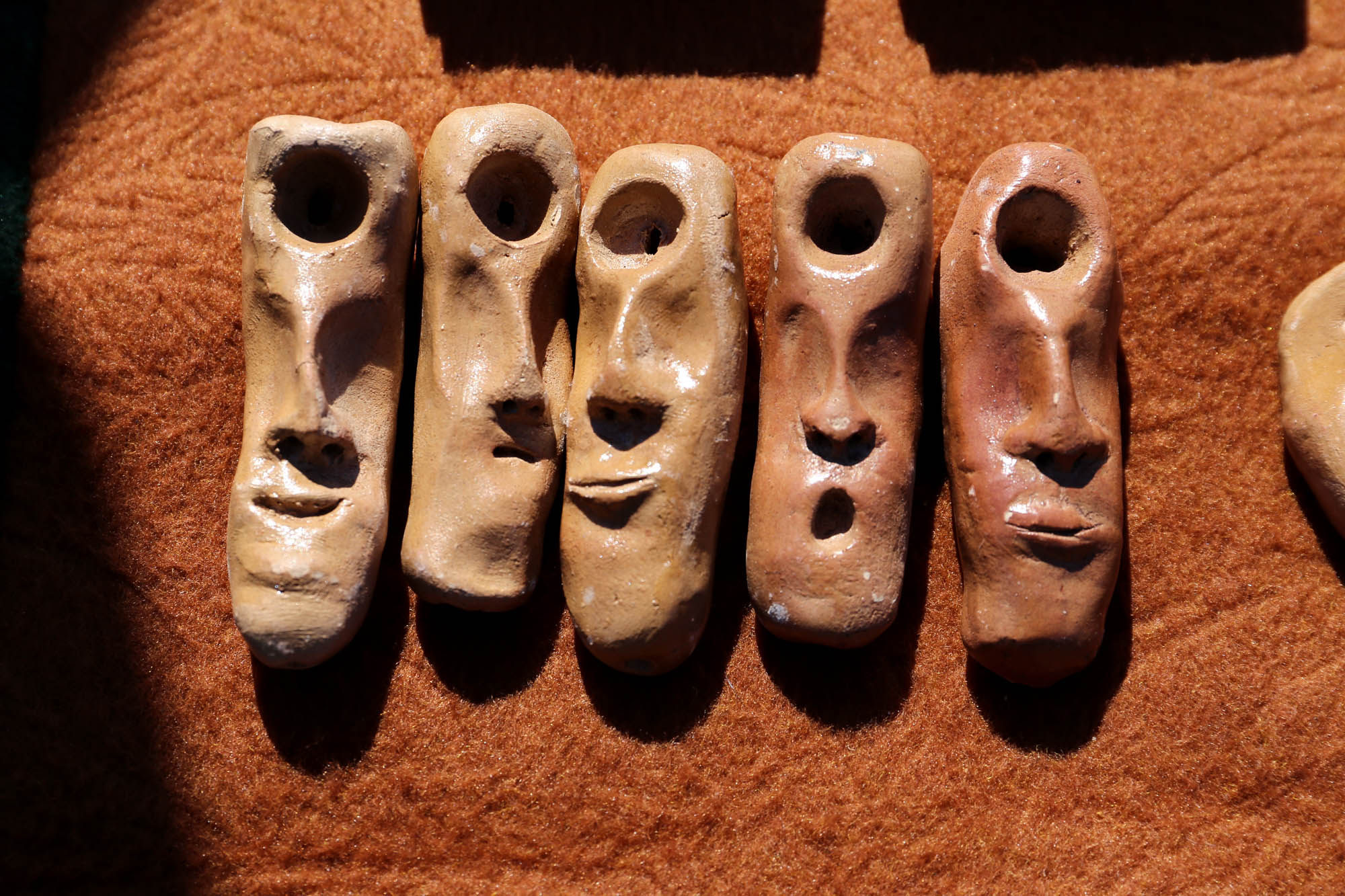 Ceramic faces made by the craftswoman introduced at the beginning of the previous post, on Hormuz’s Red Beach
Another story belongs here as well—one whose age is proven by the simple fact that it still involves cash.
I once led a group to Iran, and we stopped at a familiar carpet shop in Isfahan. After a long presentation and some shopping, we had to move on, but an elderly lady was still bargaining. She promised she would catch up with us, so we left her alone with the shopkeeper.
She left the shop, and only a few hundred meters later, upon reaching the main square, did she realize that her glasses were missing. She set her bag down on a bench and began rummaging through it in a panic.
At the other end of the bench sat an elderly Iranian couple. They watched her frantic search for a while, then the woman stood up, opened her wallet, and without a word held it out to the lady, inviting her to take whatever amount she needed after her obvious loss.
(And the glasses? The carpet dealer called me to say she had left them behind, so I went back for them and handed them to the lady on the main square. In return, I was given this story.)
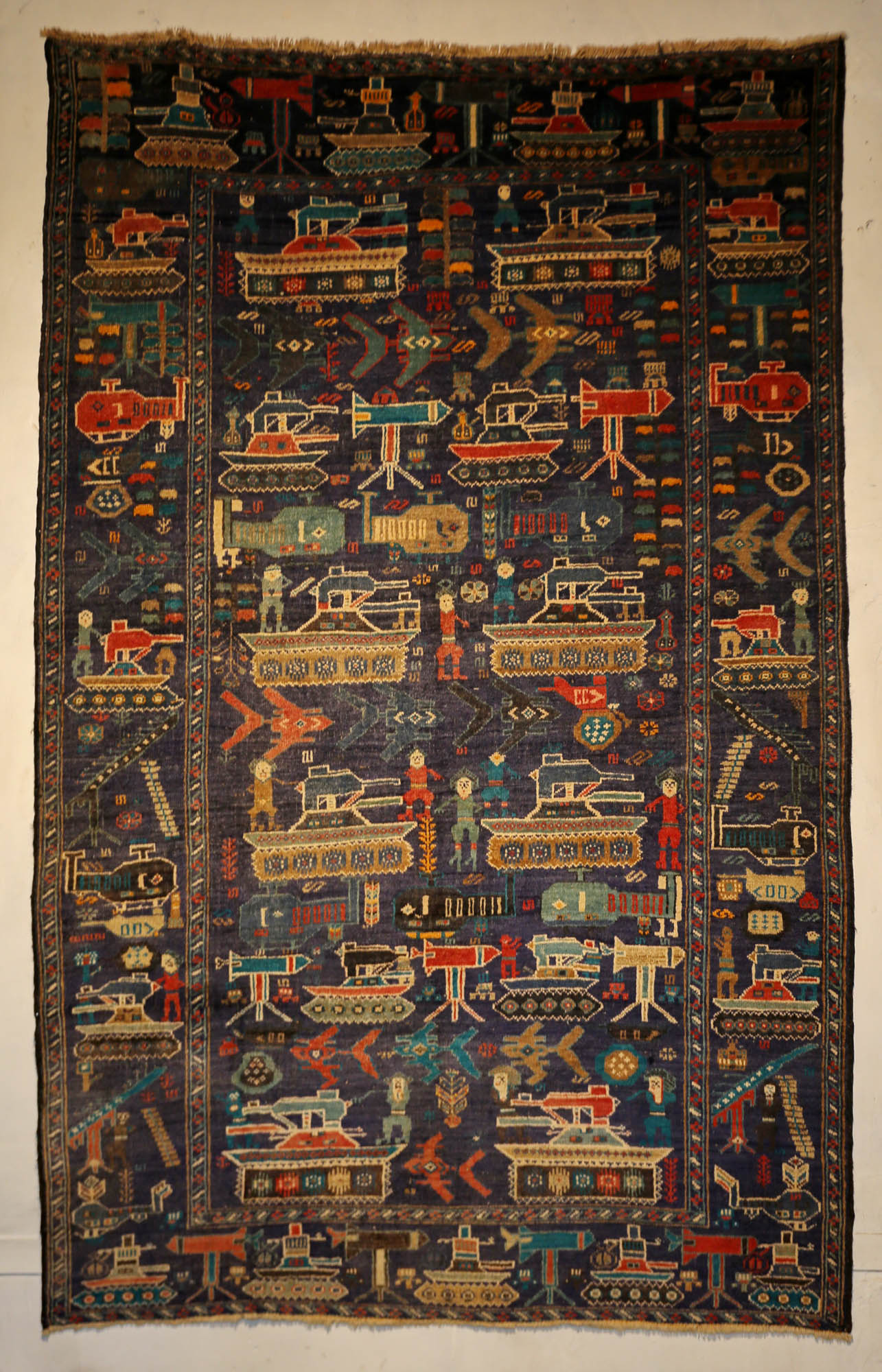 Afghan “tank carpet” at the Kashan carpet bazaar. The young shop owner, a good acquaintance of mine, was shot dead at a protest two weeks ago



Add comment