

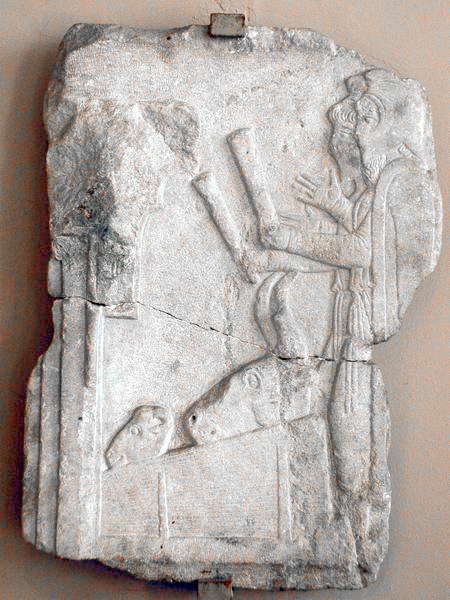
The Istanbul Archaeological Museums preserve a few rare surviving remains of the vanished city of Dascylium. This important city, located in western Turkey, west of Bursa, came under Persian rule in 546 BC. It served as the capital of the satrapy of Hellespontine Phrygia and as the seat of the Pharnacid dynasty. During the Middle Ages it disappeared from the map, and only the excavations begun in 1956 started to identify and—very partially—recover it.
From the Achaemenid period—the age of Darius, Xerxes, and the other Great Kings—several fifth-century BC stelae have survived, depicting Persian magi performing sacrificial rites.
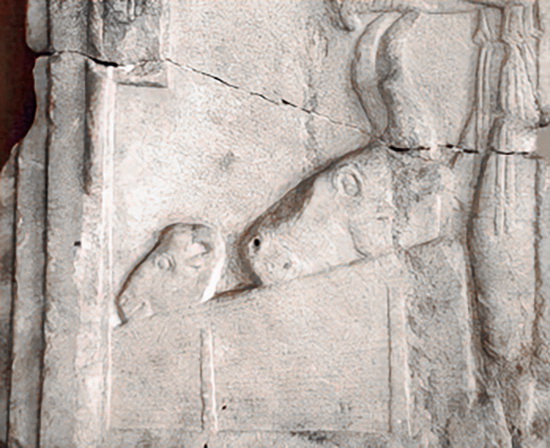 The offering: the heads of a ram and a bull placed on the sacrificial altar. Dascylium, 5th century BC. Istanbul Archaeological Museums
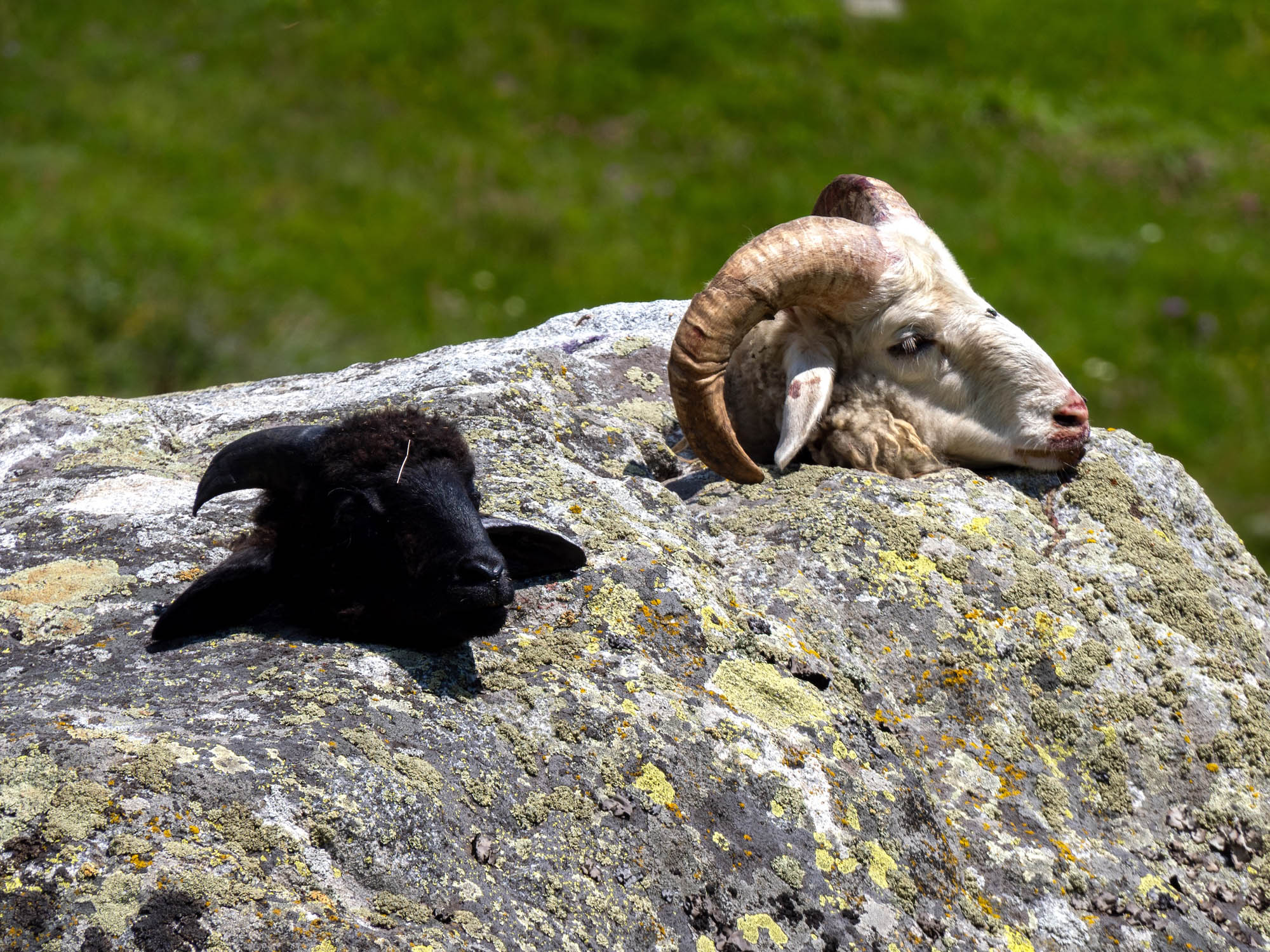
In the first days of August last year we were in Svaneti, Georgia. It was the day of Giorgoba, the feast of Saint George—or rather of “the god” George—as it is celebrated in Adishi. A deeply syncretic festival, it vividly reveals the survival of ancient mountain religions intertwined with Christianity (we will write more about that day separately).
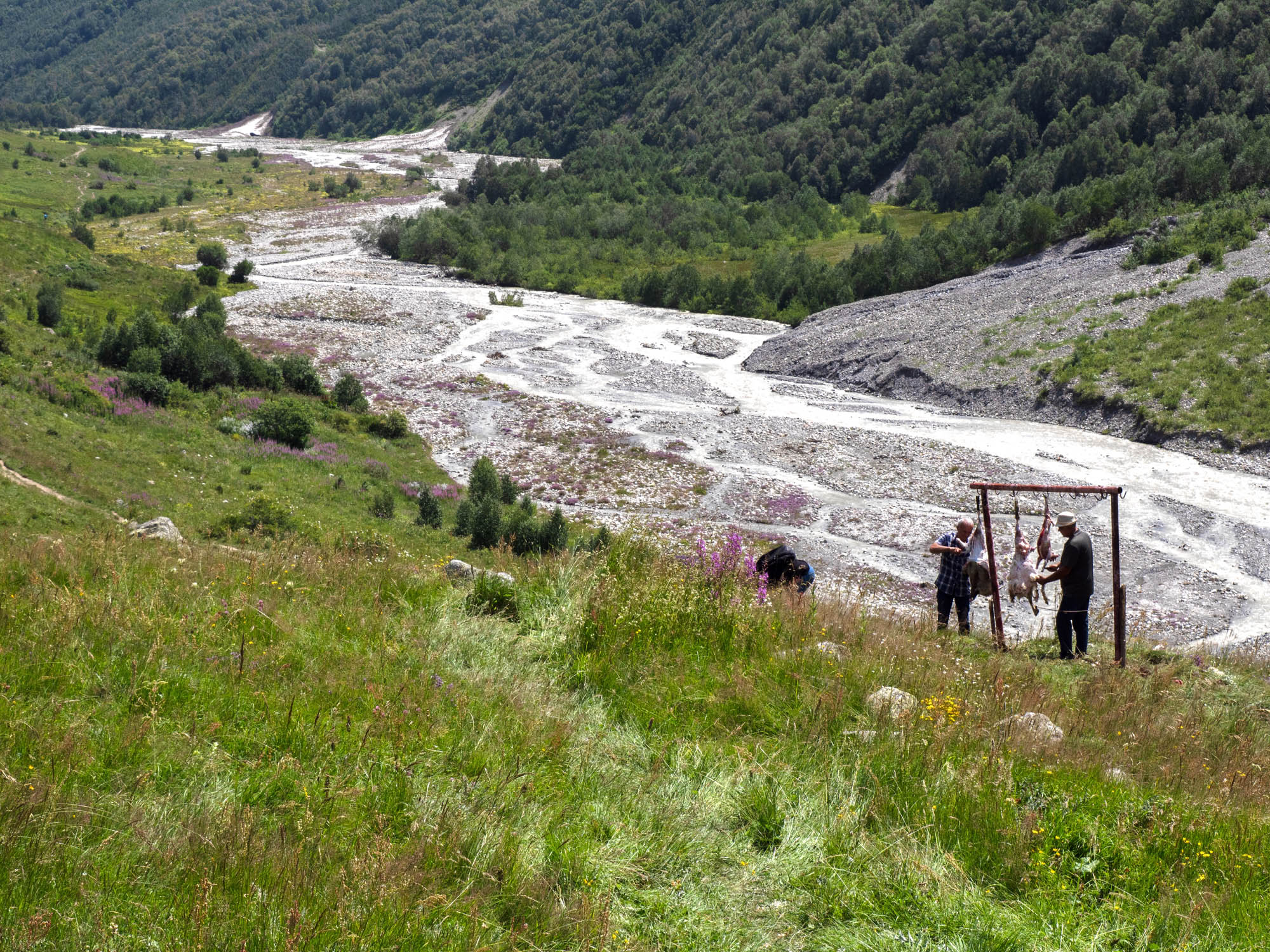
The celebration goes far beyond the Christian figure of Saint George: it unfolds in prayers, invocations, and rituals that include the veneration of sunlight, traces of shamanism, the blessing of the fruits of the earth, of bread and wine, and of icons. The magi, on this occasion, placed the heads of two sacrificed animals—one white and one black, a ram and a goat—on a rock serving as an altar, facing the immense sacred peaks of the Caucasus.
The influence of Persian Zoroastrian religion in the western highlands of Georgia, in Svaneti, is neither direct nor marked by tangible monuments such as those of Dascylium. If we were to look for it at all, we would rather find traces in eastern Georgia, in ancient Iberia / Kartli, in the form of cult complexes, fire temples, and theonymy (Armazi <-- Ahura Mazda), which can indeed be linked to Iranian influence. Yet these images bear clear witness to the continuity—across time and geography—of a human gesture: a gesture, not always conscious, in response to that which transcends us.
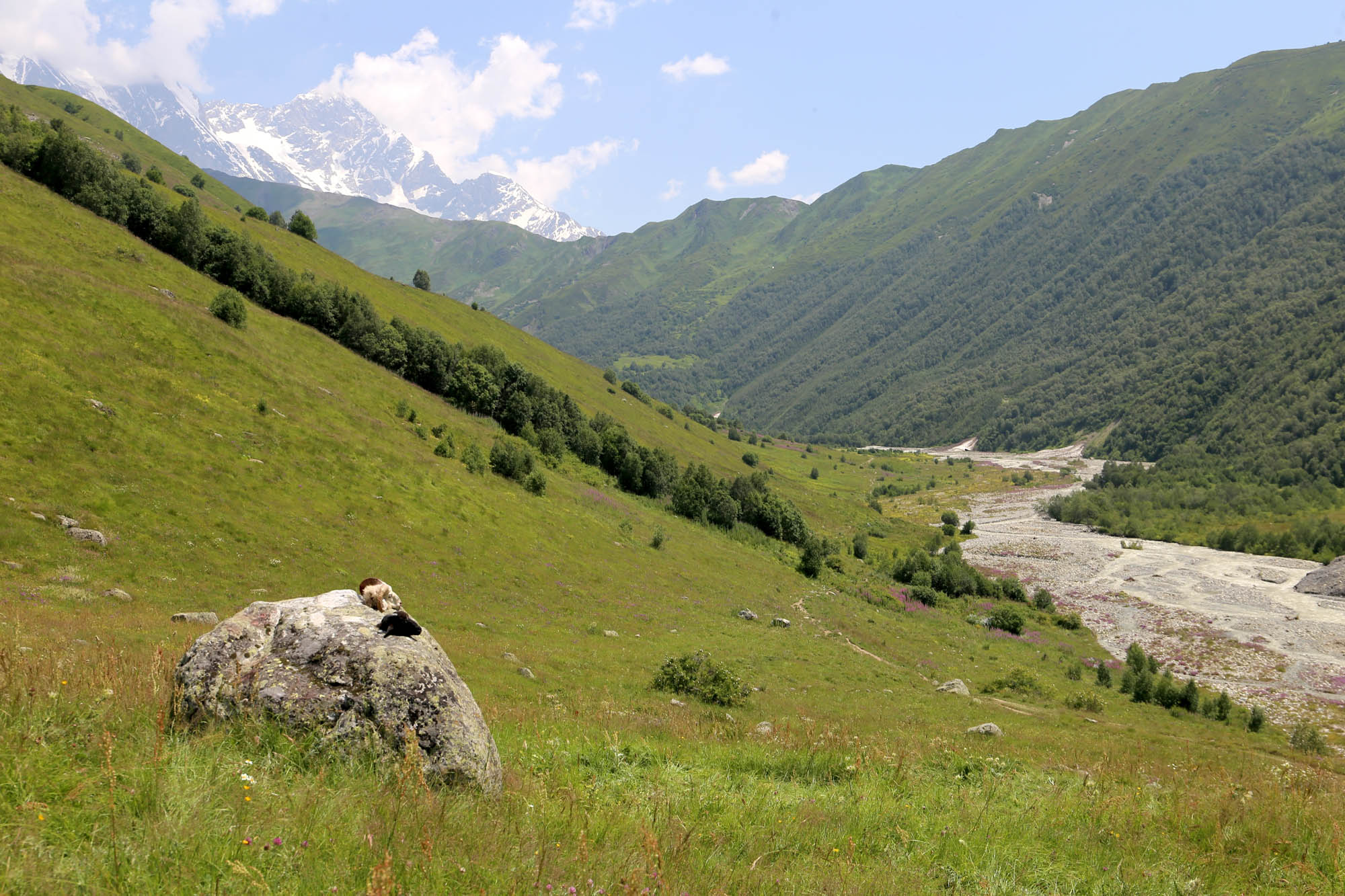
This offering to the immensity of the mountain giants seems to contradict Lactantius’ famous dictum (Divinae Institutiones, III.20: “Quae supra nos nihil ad nos”), later glossed by Erasmus (Adagia, 569) and turned into an emblem by Alciato, with the image of Prometheus chained precisely in these mountains. Perhaps it would be more accurate to say: Quae supra nos sunt, maxime ad nos pertinent—what lies above us concerns us deeply.



Add comment