

There are regions where people dislike being photographed, and others where they actually love it. China, Georgia, Sardinia, and Iran fall into the latter category.
I only recently realized that these are also the places where people enjoy dressing up—in their own traditional clothes, in foreign folk costumes, or in creative, individual outfits. Maybe that’s why they consciously see themselves as a spectacle and naturally accept that others want to capture this beautiful image, just as they often have themselves photographed.
I’ve already shared some Facebook posts about young people in China dressing up and posing, but I’ll summarize them here soon. For now, though, I want to write about Iranians.
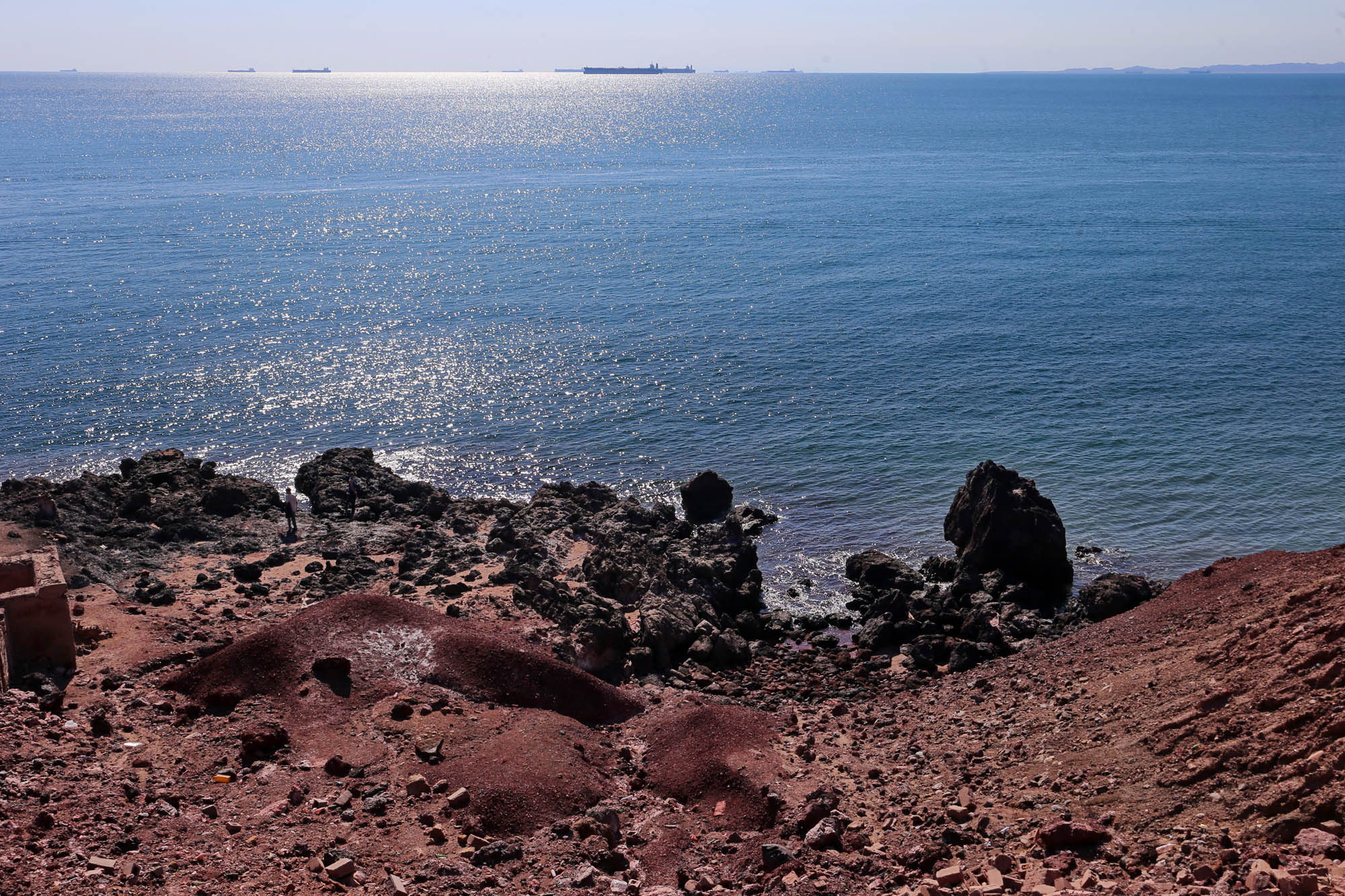
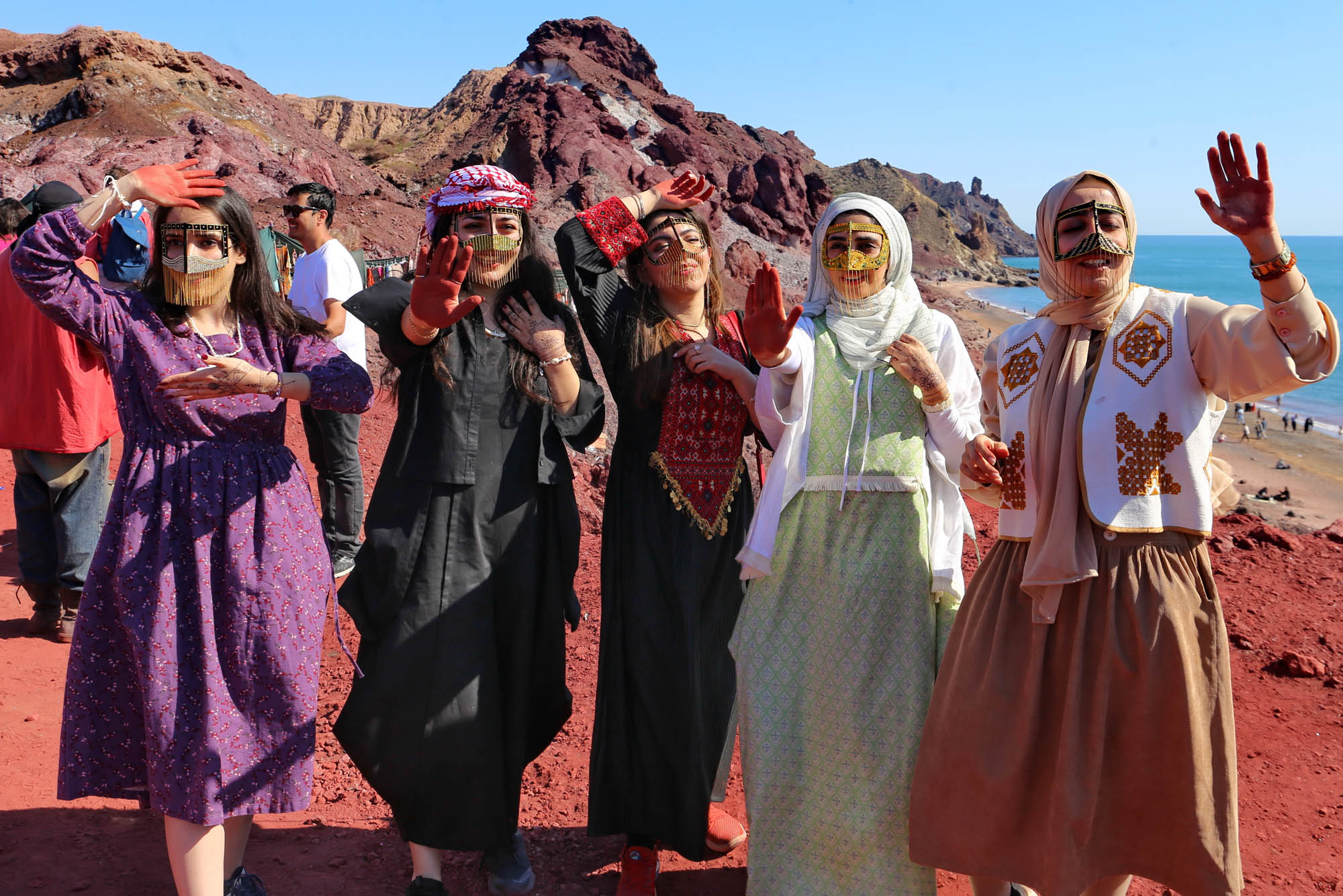
The islands of the Persian Gulf, Qeshm and Hormuz, are coveted domestic tourist destinations for their warm climate, stunning natural beauty, delicious food, and the relative freedom you can enjoy there. Young Iranians visiting these islands wear stylish outfits brought from the mainland alongside pieces of local dress and extravagant creations designed by alternative youth who fled the pressures of authority. They pose in these clothes and don’t mind at all if others capture their scenes.
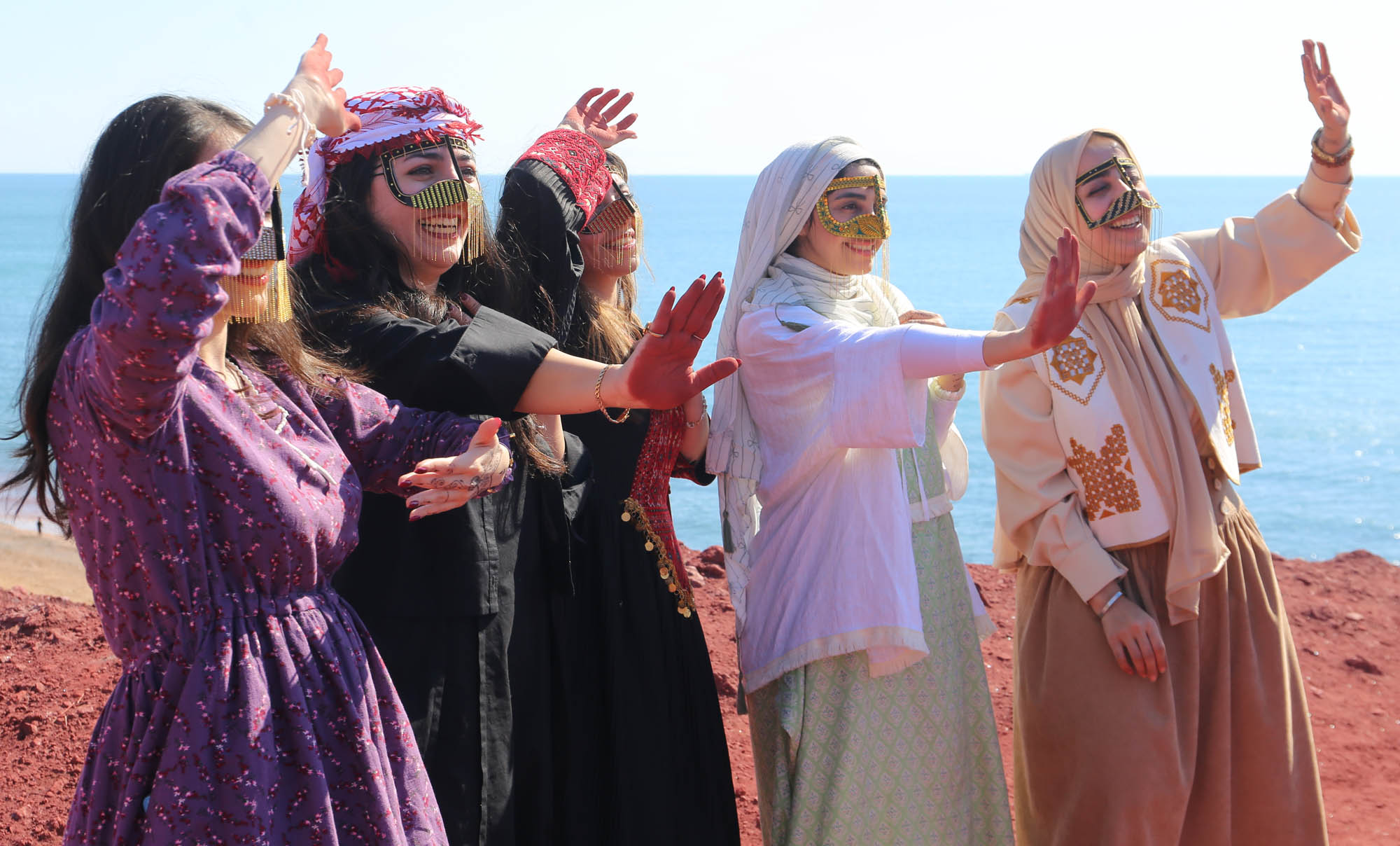
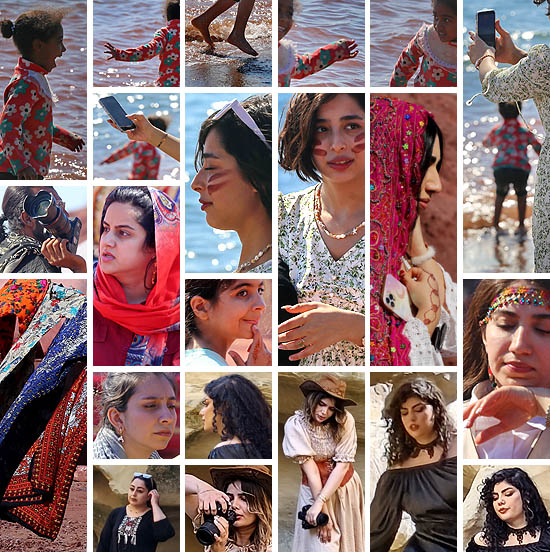
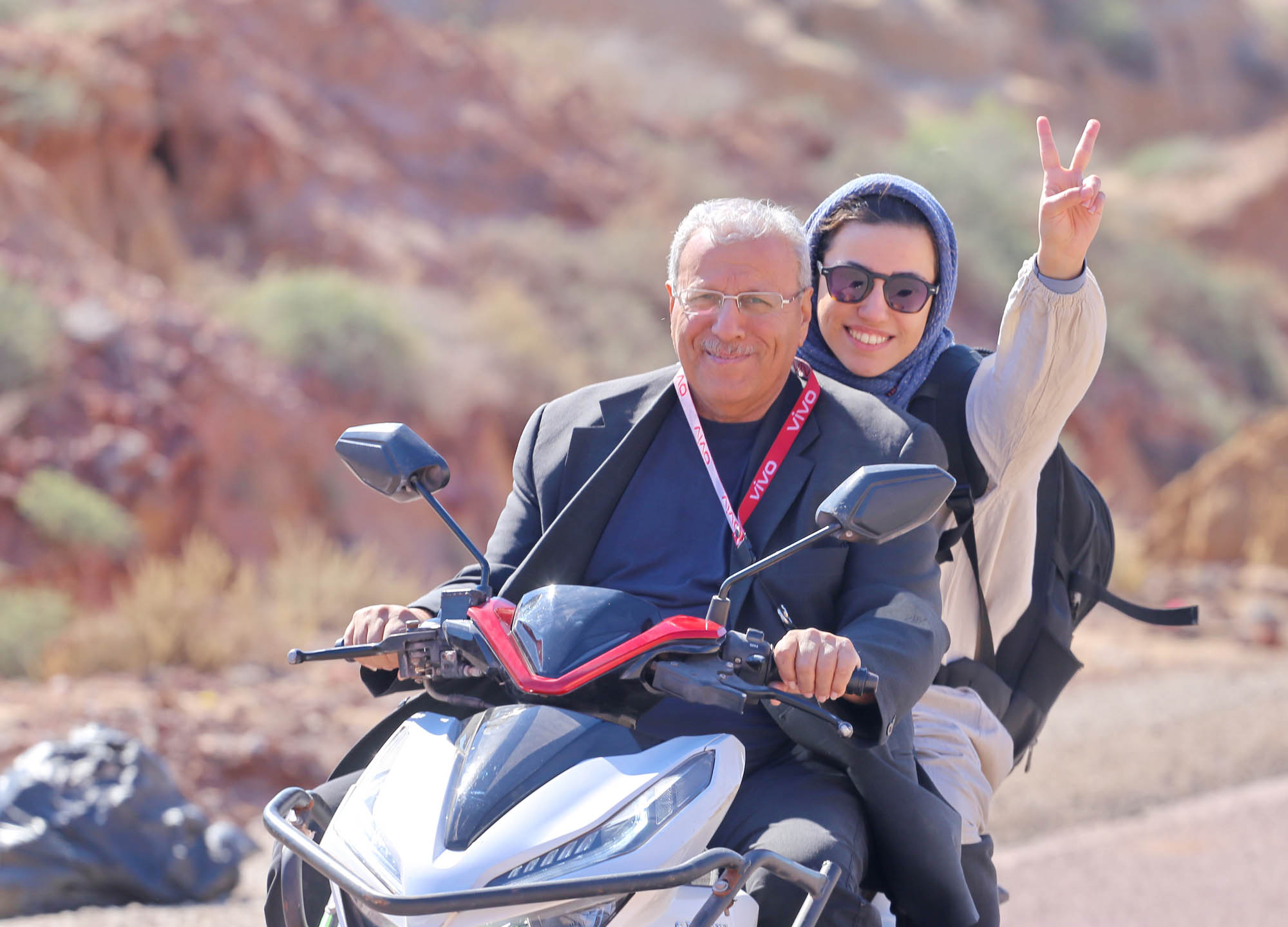
And this attitude is general in Iran, regardless of the outfit. Anyone who notices the camera turns toward them smiles and lets themselves be photographed—just like in all the other regions I mentioned earlier.

 Anyone who has seen Russian or Ukrainian girls posing knows that a big part of their repertoire is manipulating their bodies: pointing toes with calves stretched, arching chest and hips, pouting, and inviting hand gestures. Iranian girls, however, let the clothes speak for them.
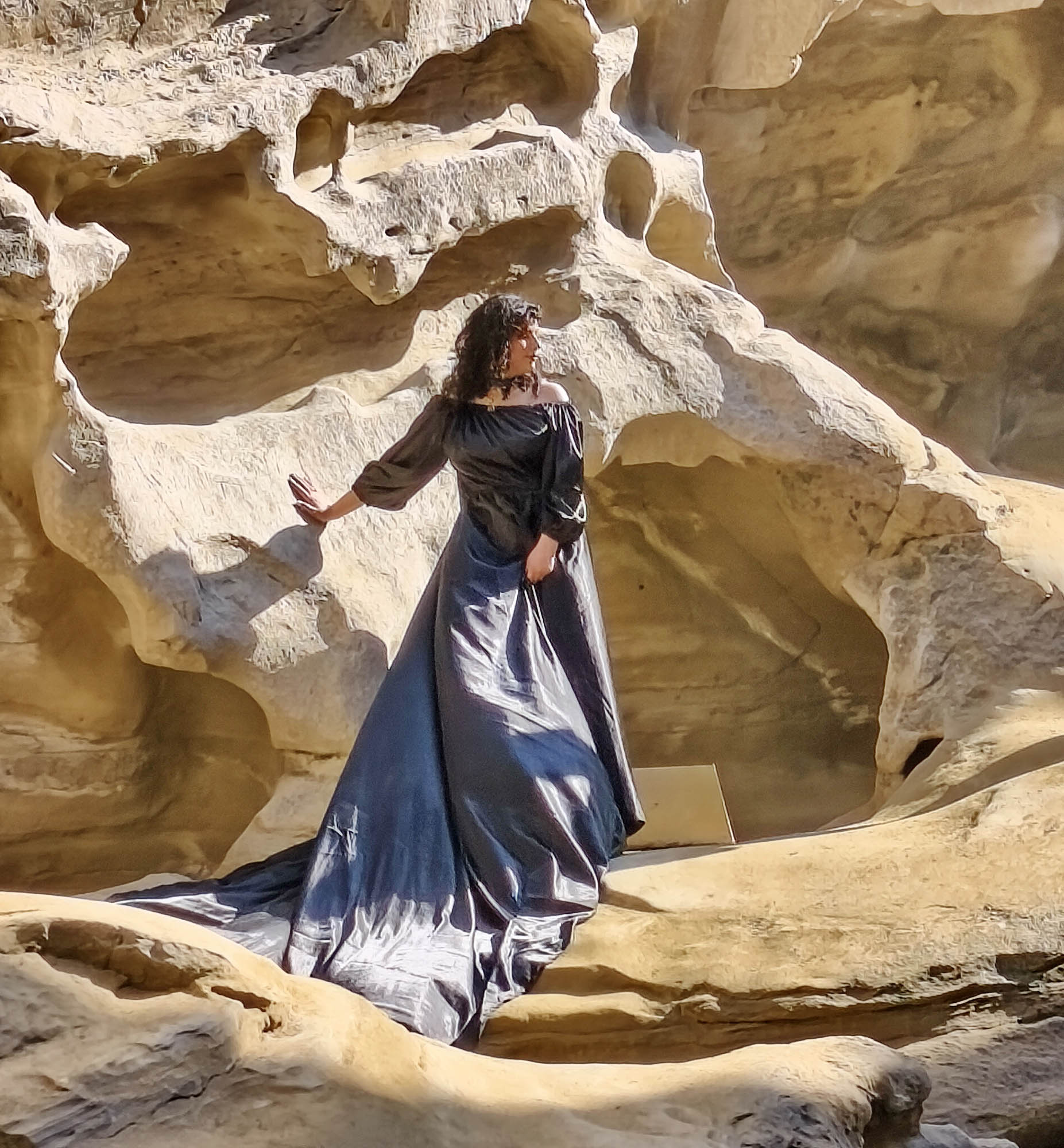
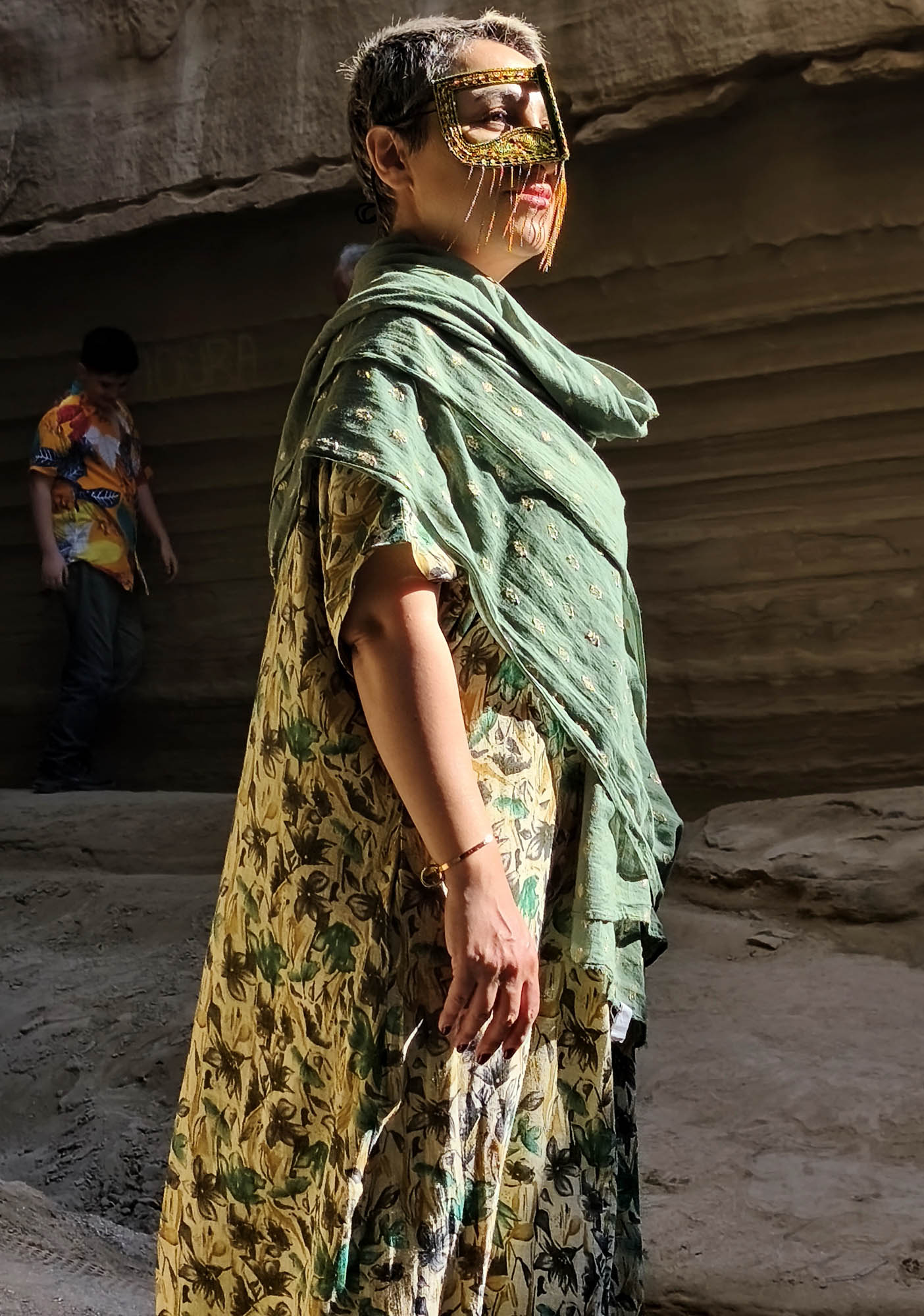
But Gulf tourist photography has a special twist: Persian girls happily put on the local Muslim female dress, the boregheh.
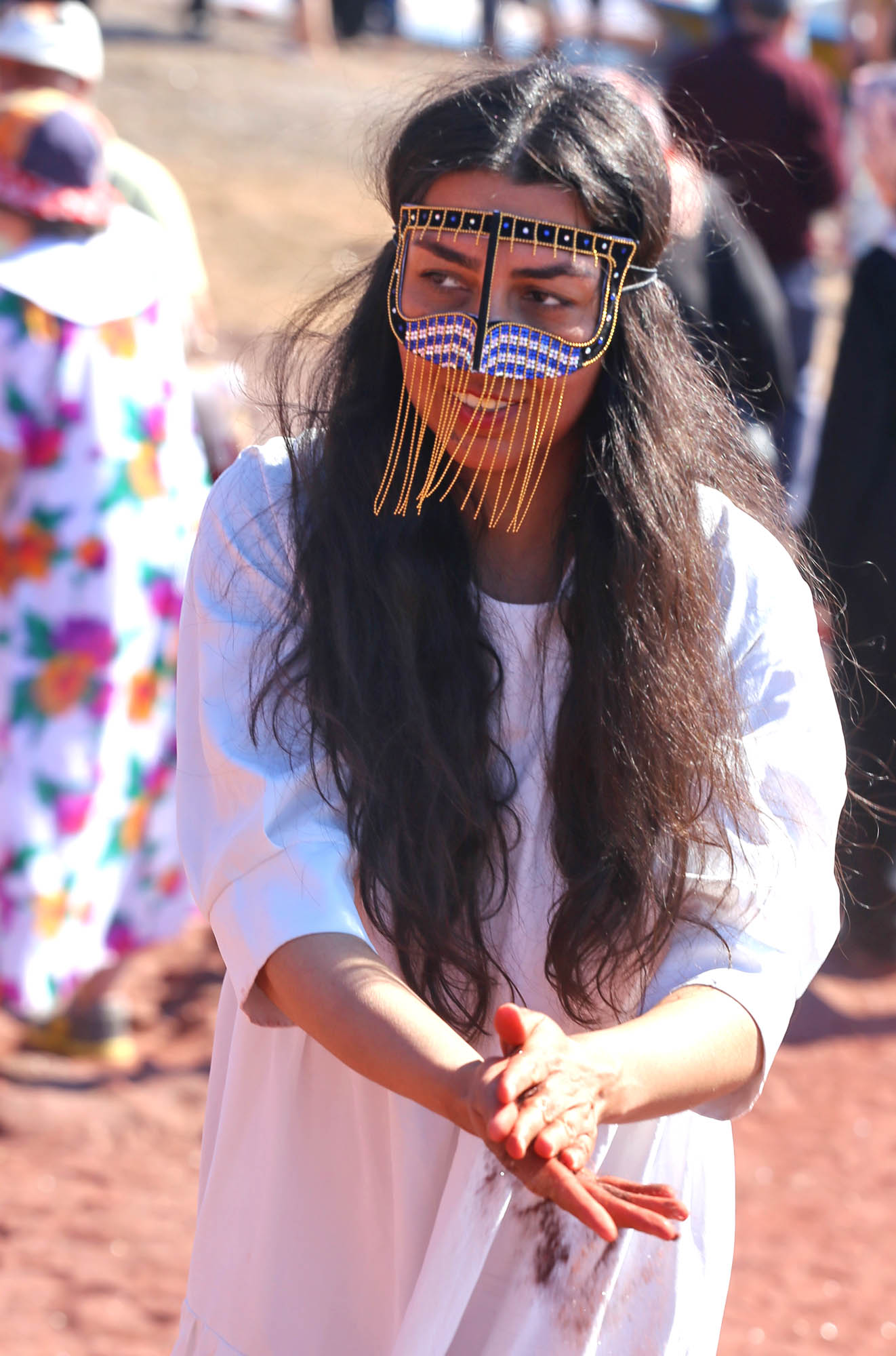
The boregheh is a female mask worn specifically around the Persian Gulf. There are many variations: some cover the upper face with a narrow slit for the eyes; some curl over the mouth into a thick mustache; others are a stiff textile mask shaped like a beak over the face. They’re almost always worn with a full-body burqa, as its logical finishing touch. I photographed these on local women vendors at Hormuz’s Red Beach.
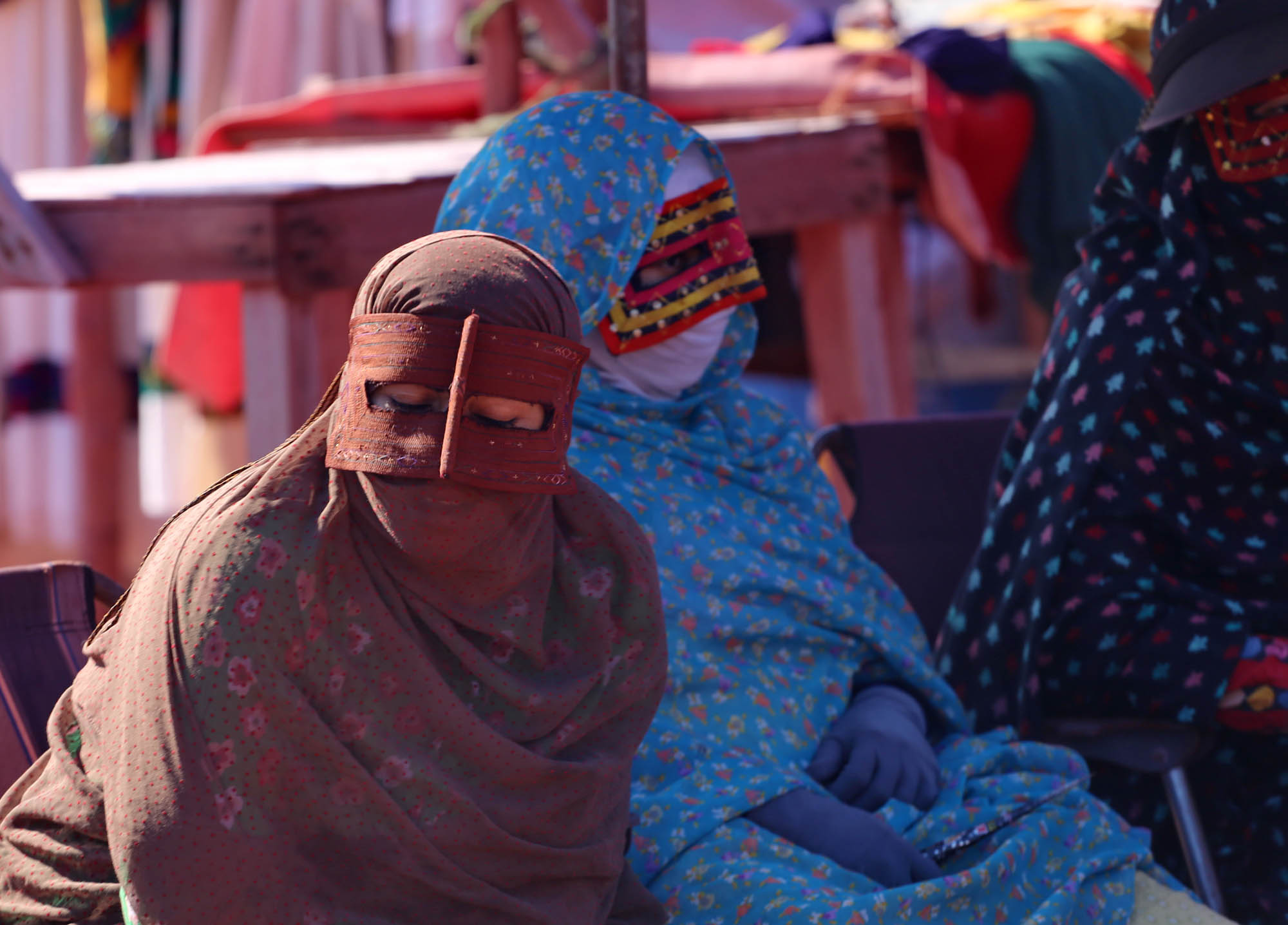
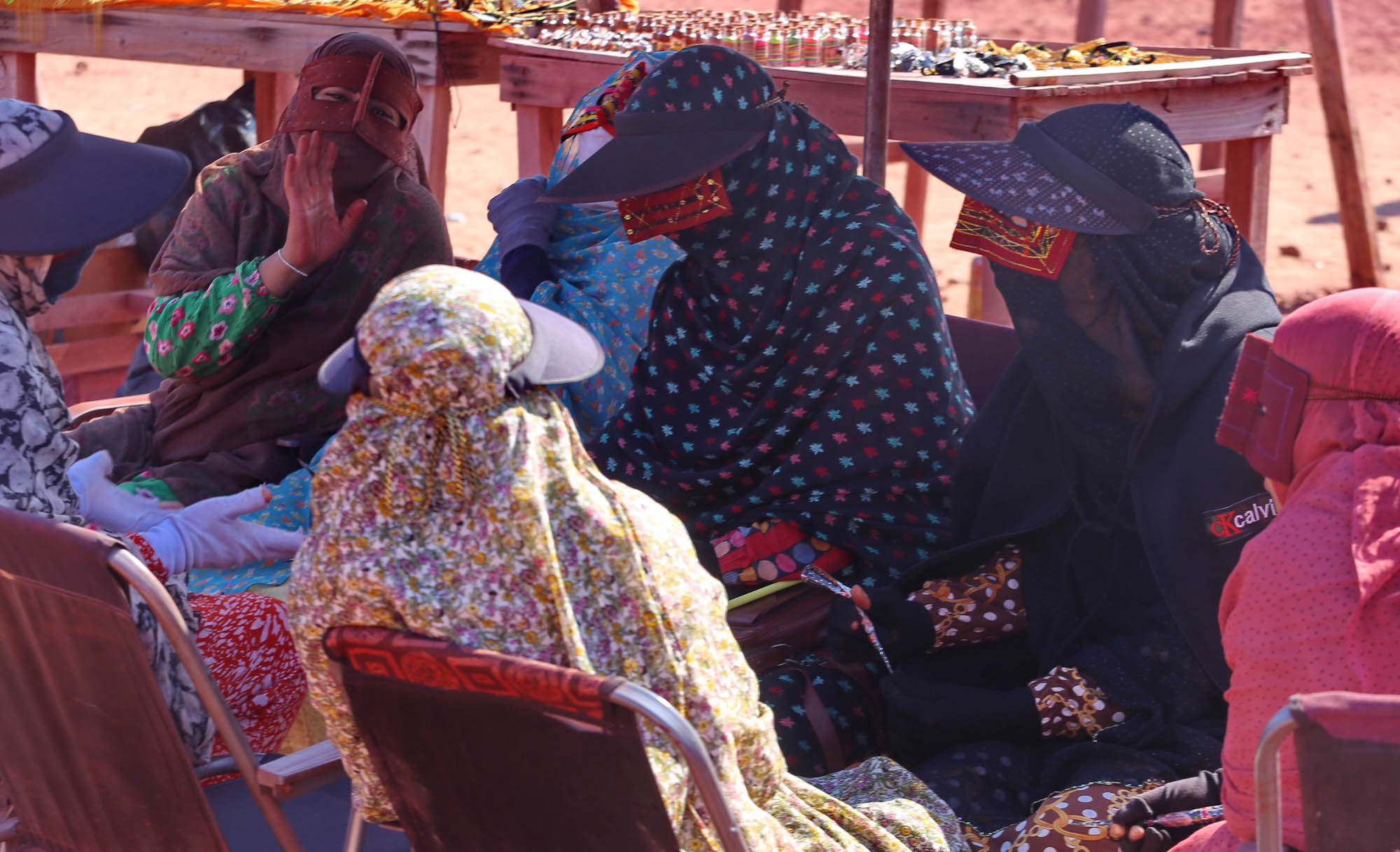
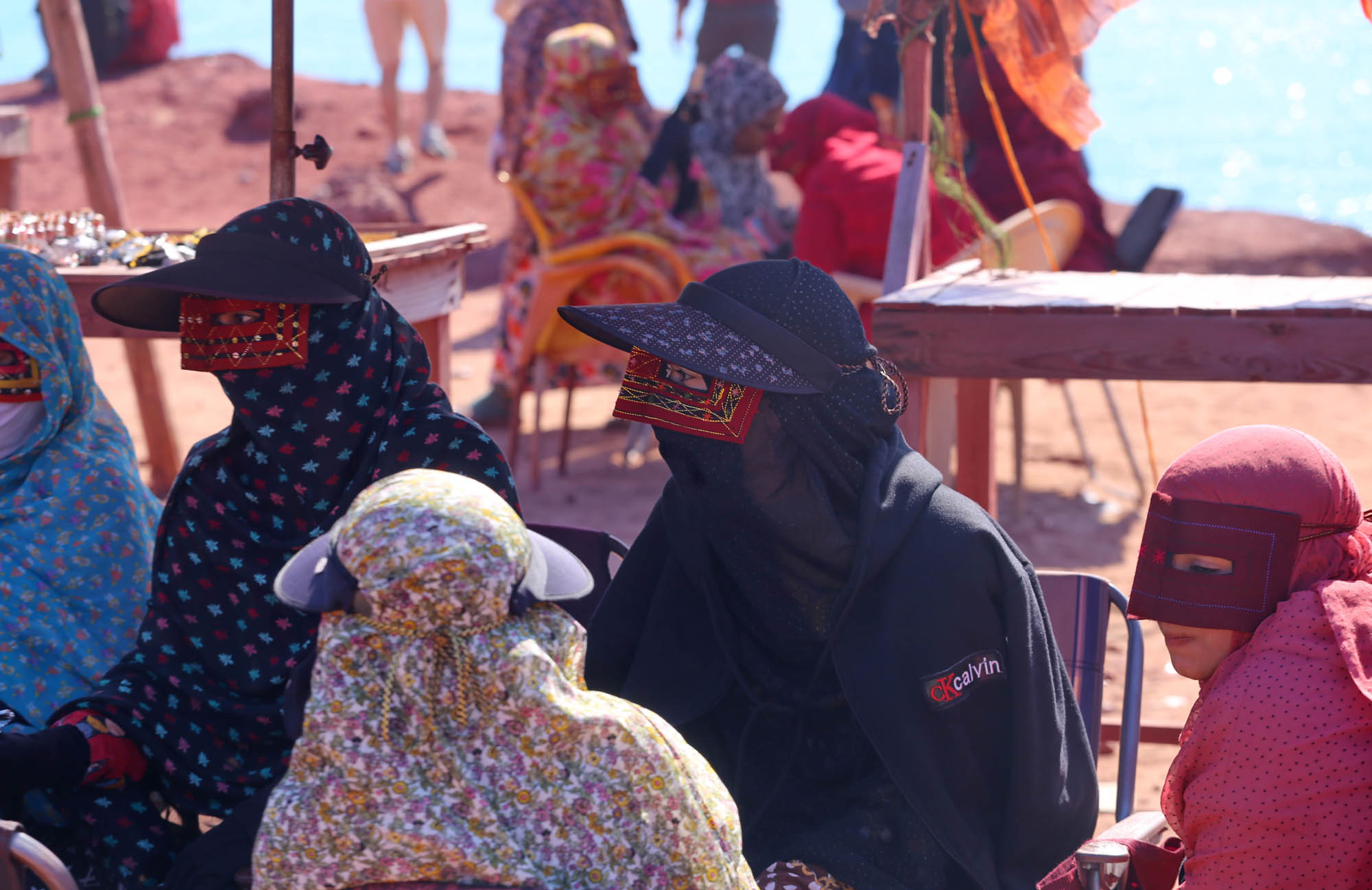

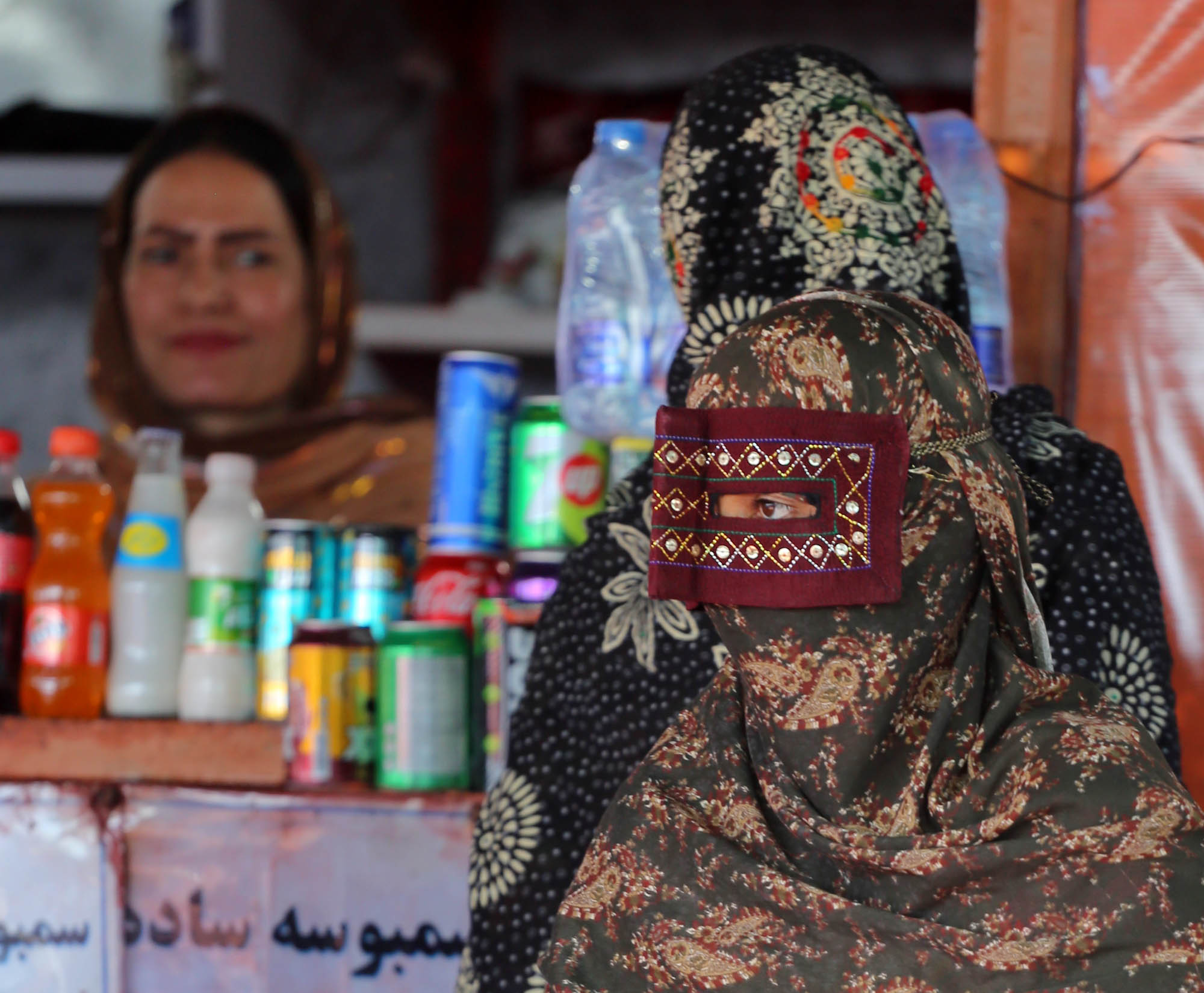
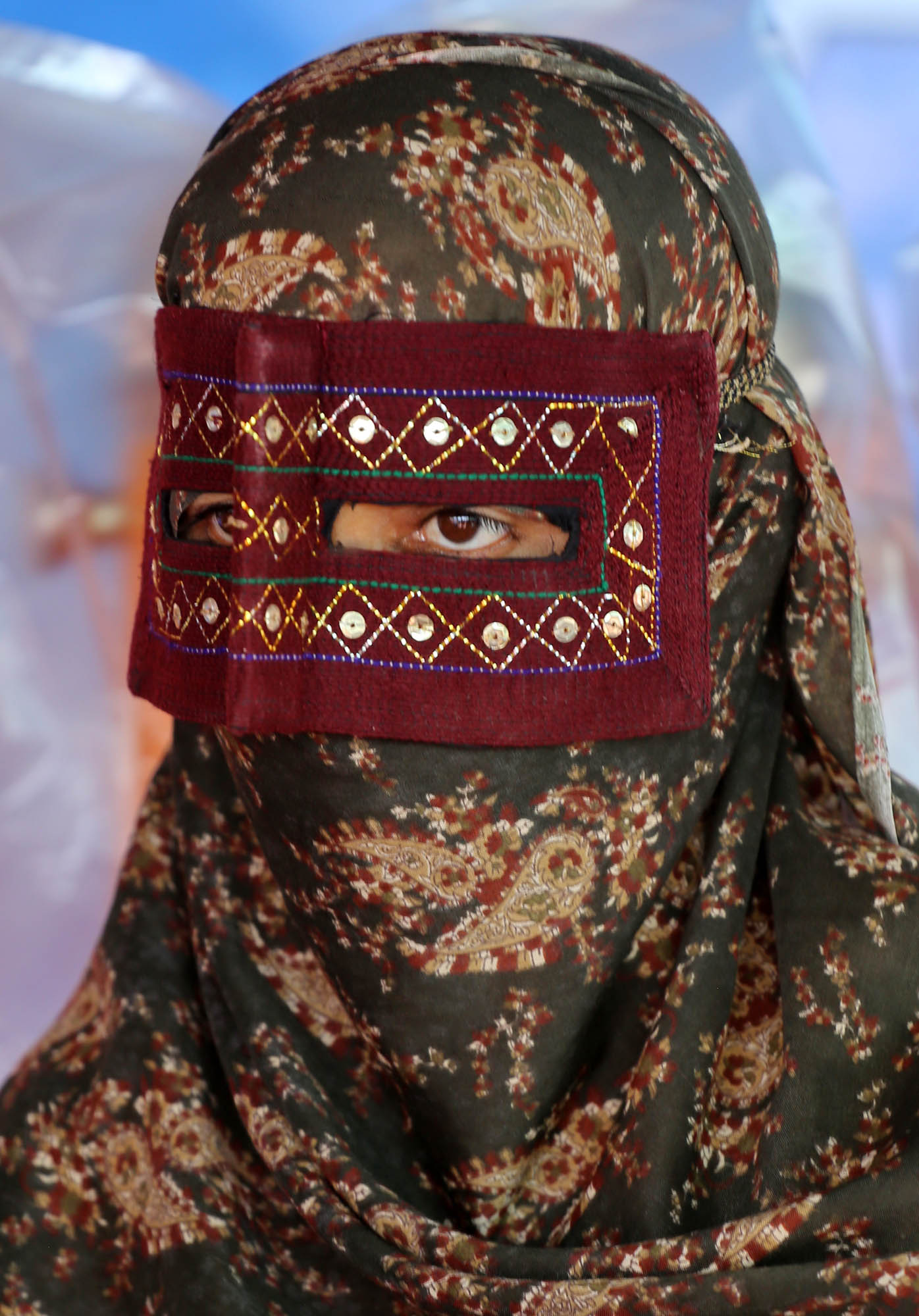
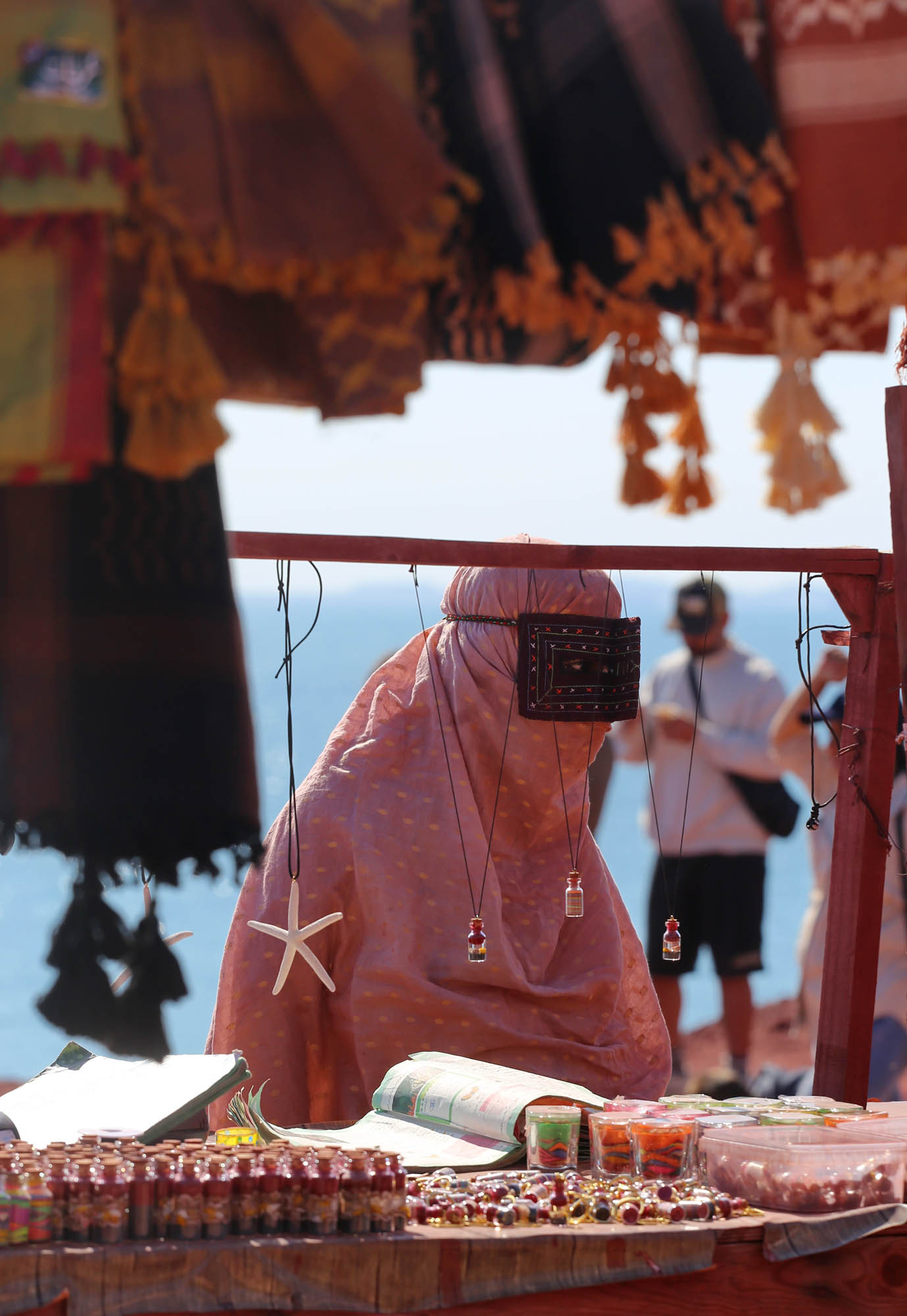
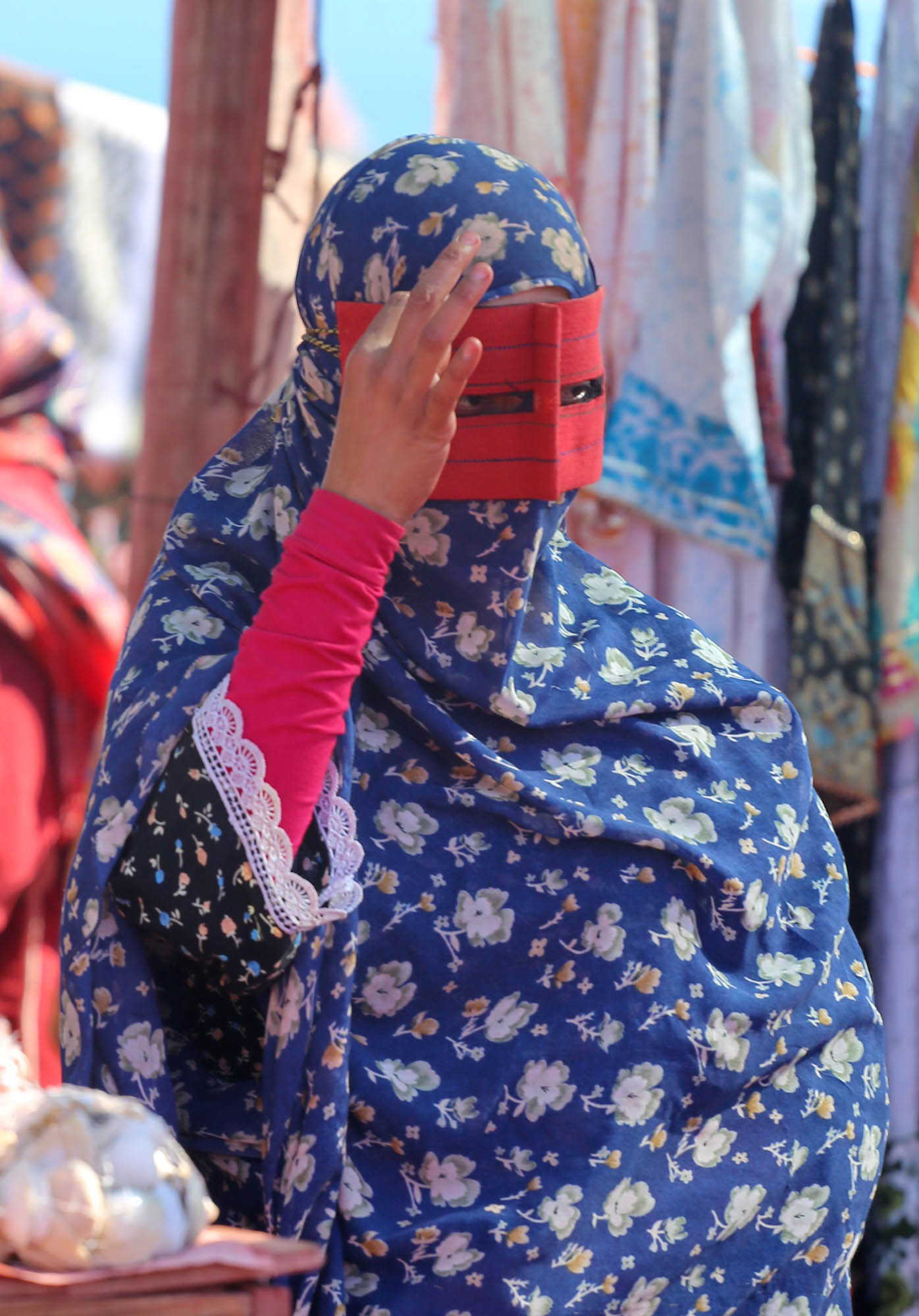
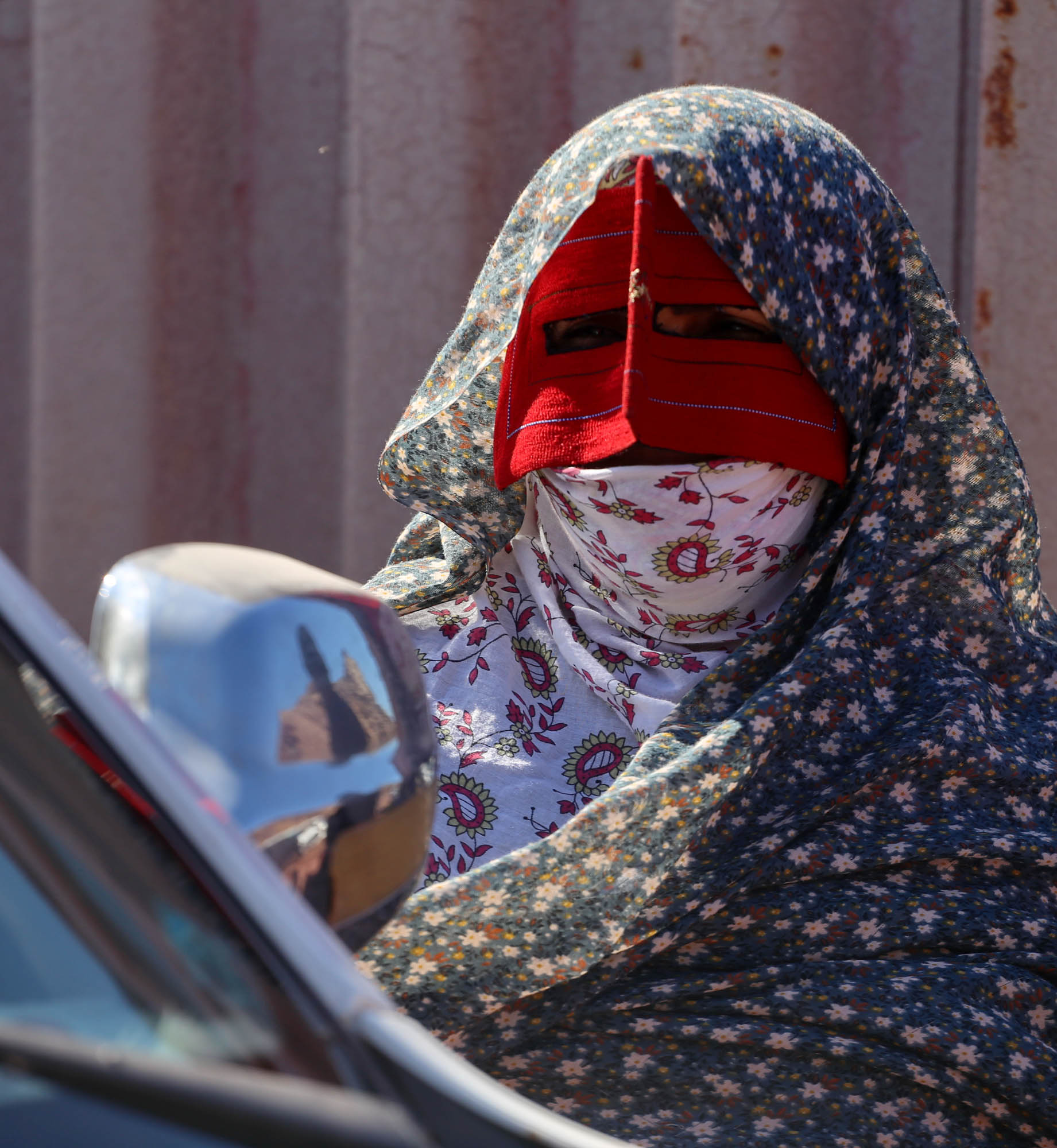
Although most texts about the boregheh emphasize that it’s worn to protect from strong sun and dust, that’s mostly a polite excuse. French photographer Eric Lafforgue, who photographed and interviewed women, husbands, and makers across Qeshm’s villages, makes it clear that wearing the mask is as much a local religious requirement imposed on women as the Islamic hijab. The first woman to remove her boregheh on Qeshm, Dr. Zinat, was ostracized so heavily that while everyone accepted her medical services, no one spoke to her otherwise or invited her to community events.
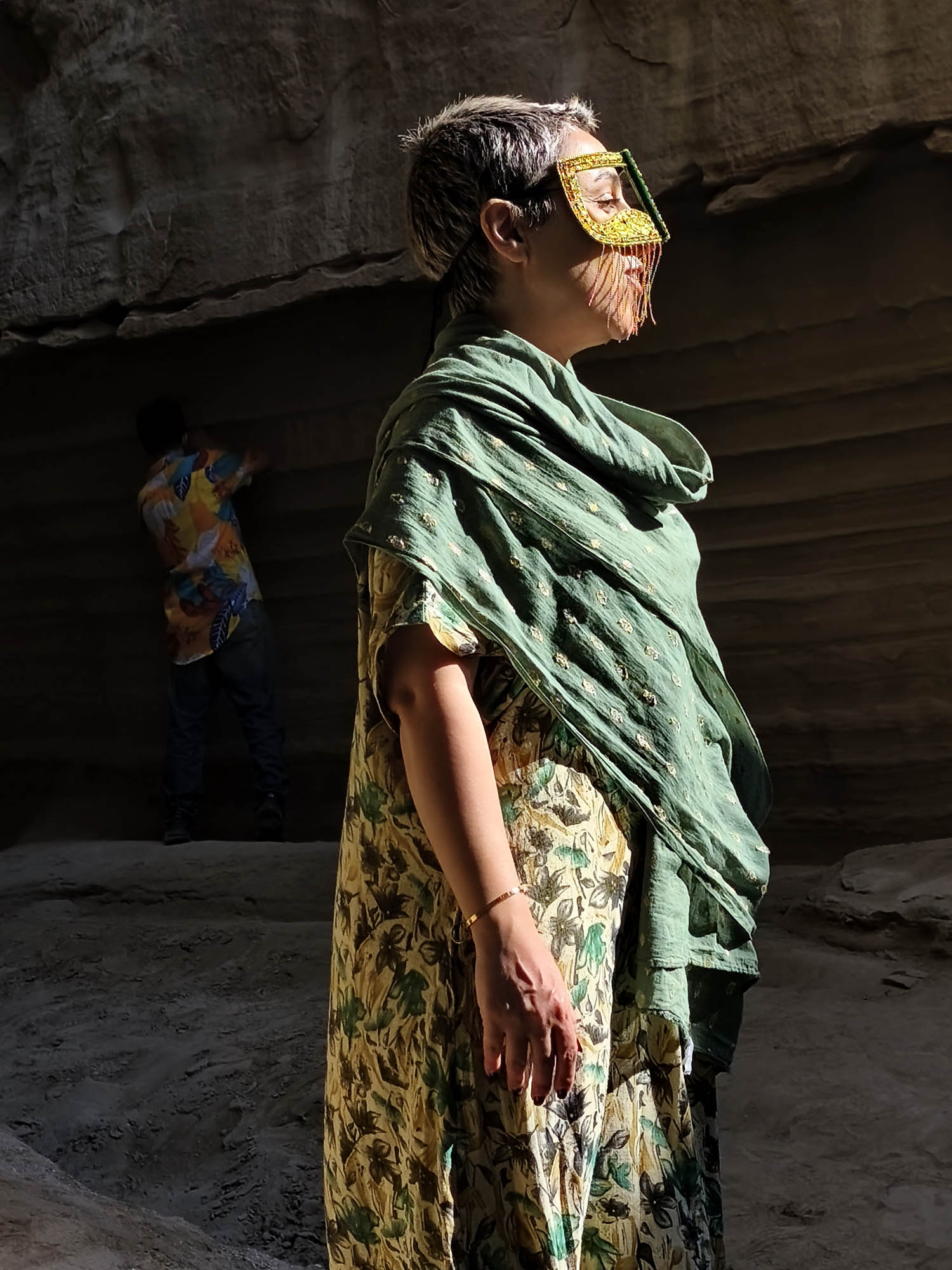
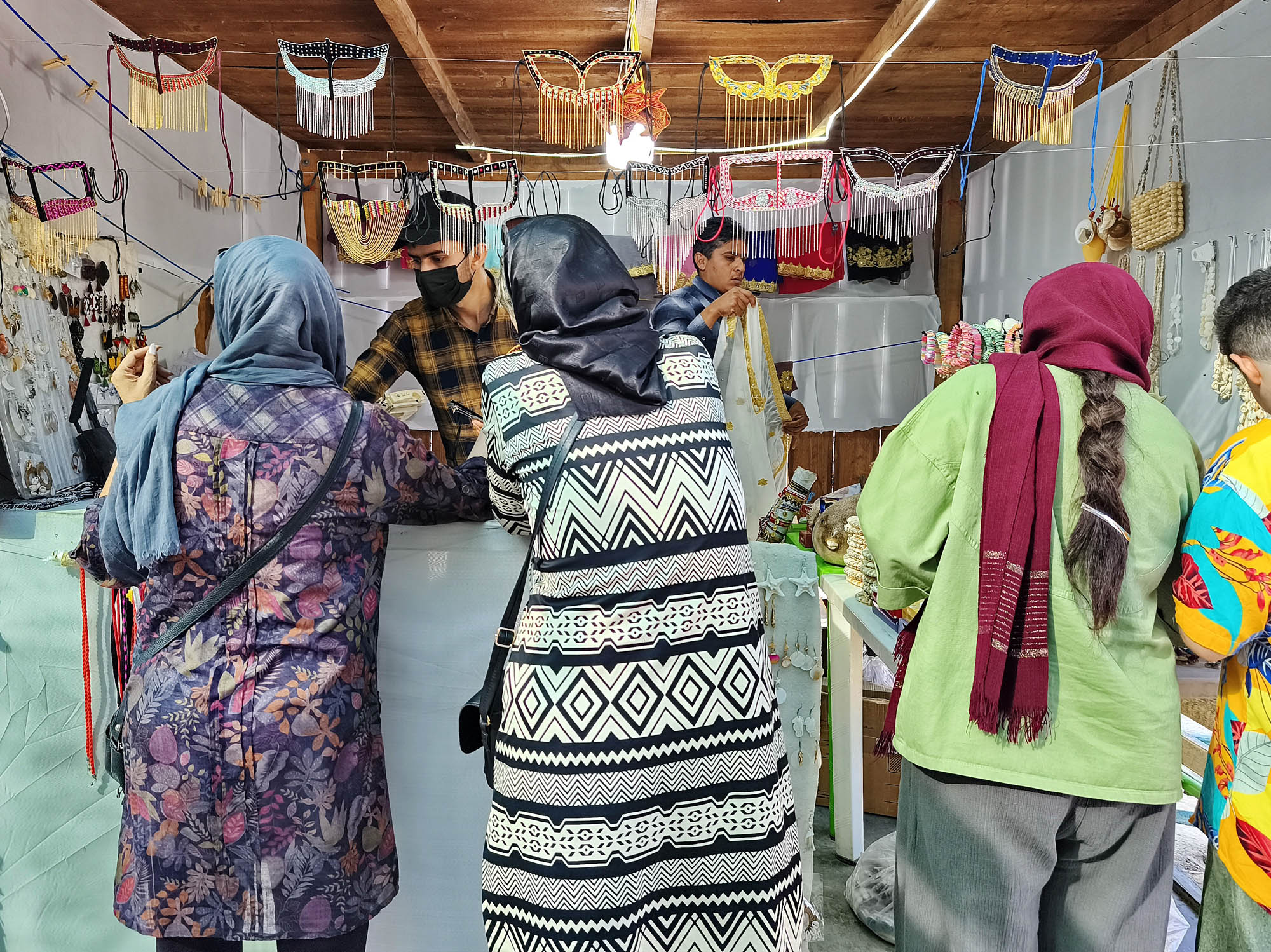
That’s why it’s so striking that while Persian girls fight the hijab mandate at home and usually don’t wear it on the islands, they happily put on a tourist-friendly light version of the boregheh here—one that shows almost the entire face, while still veiling it with a hint of mystery. It’s as if they were wearing not a symbol of Iranian paternalism, but a folklorized version of a Venetian carnival mask, which might explain why it feels acceptable to them.
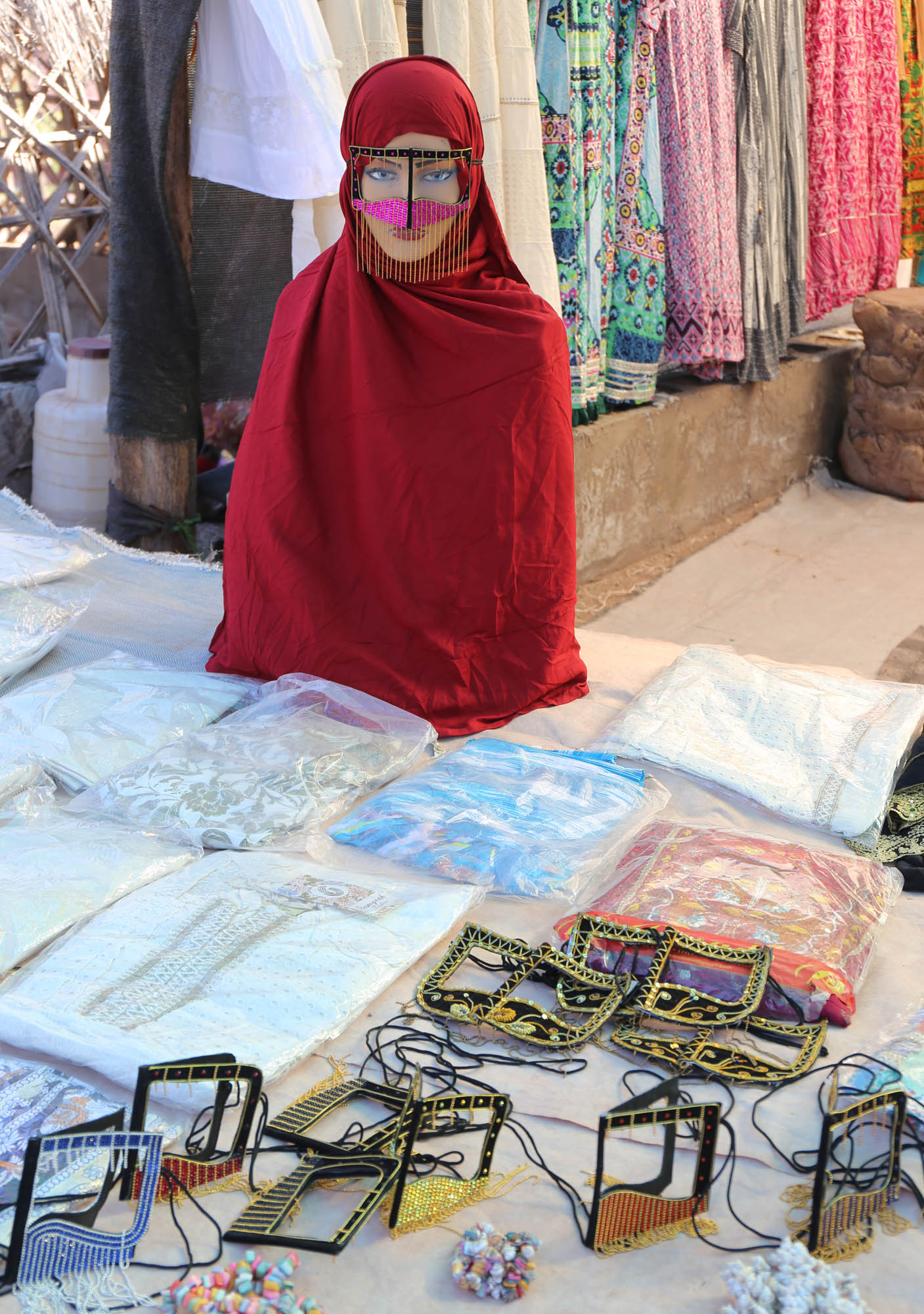 Tourist-boregheh vendor, with Iranian girls browsing at the stall



Add comment