

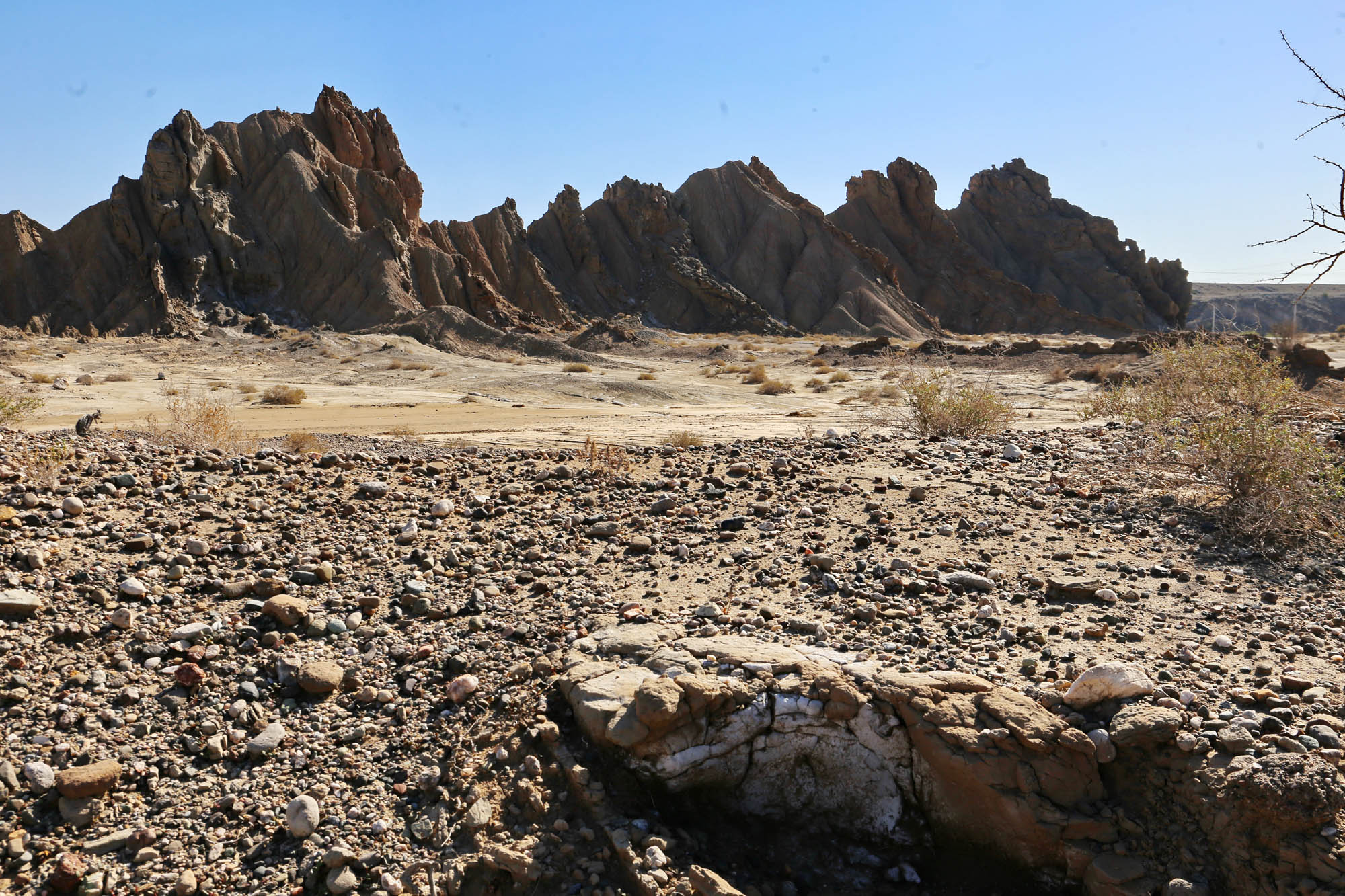
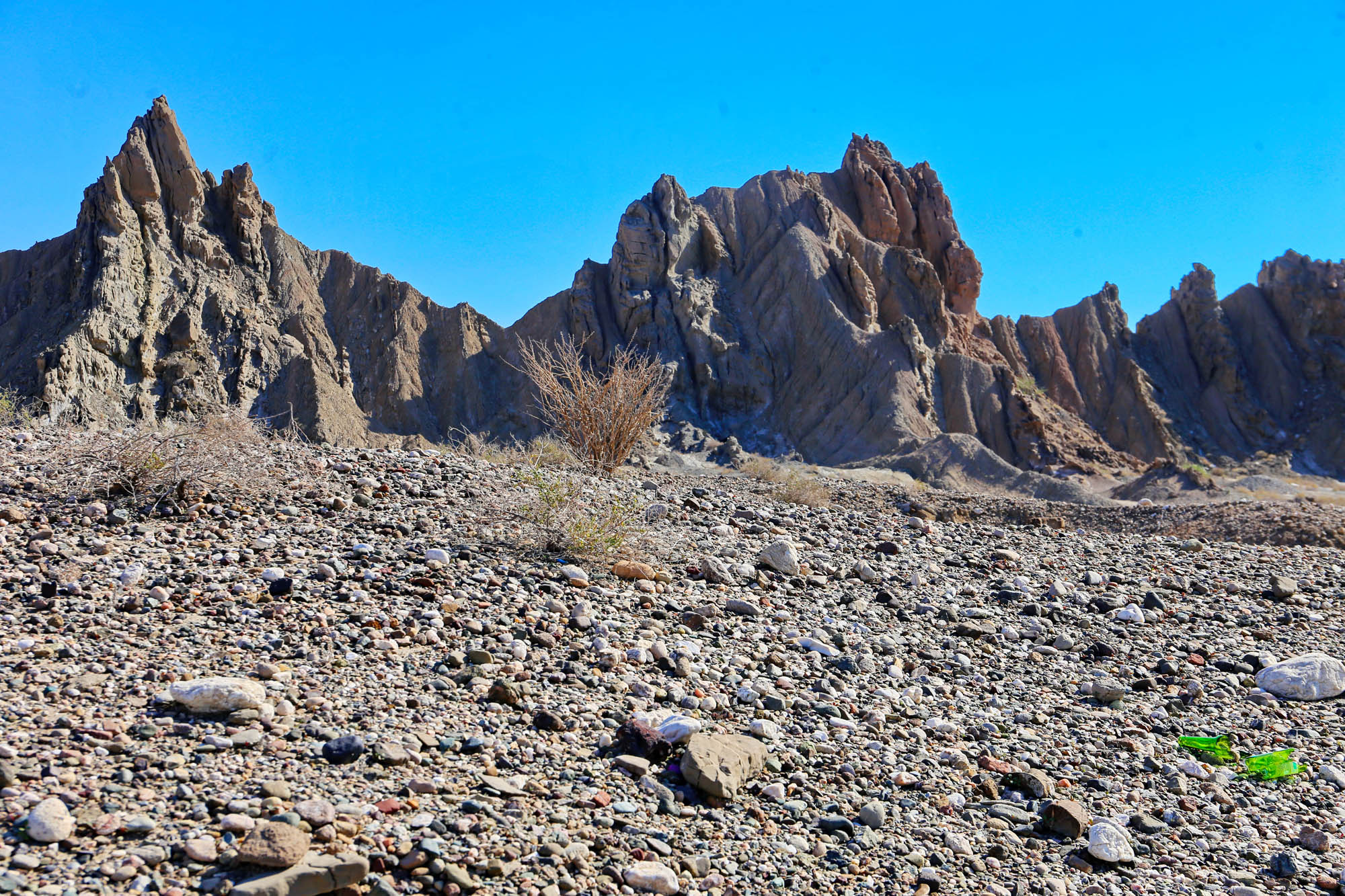
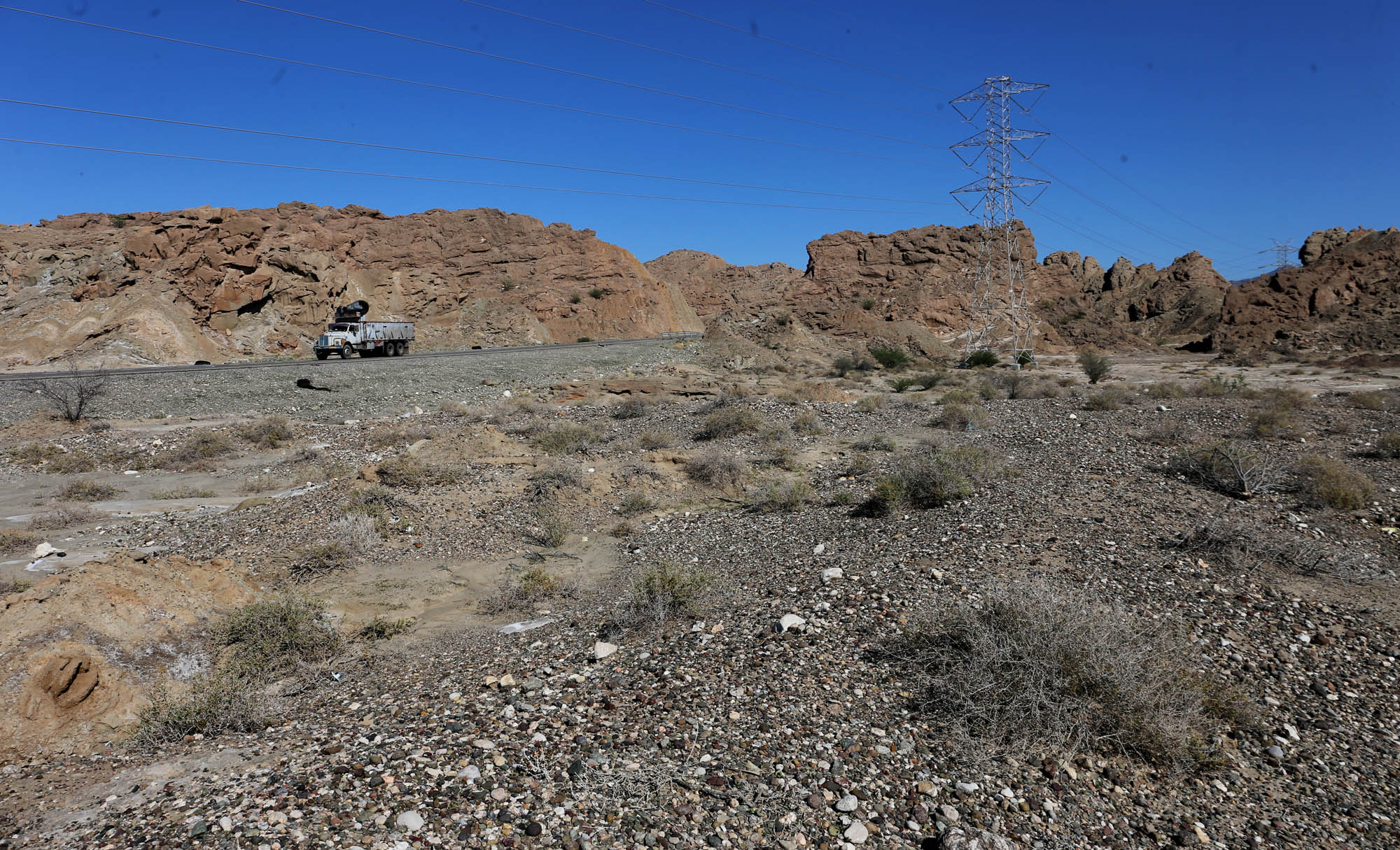
We travel from Kerman toward the Persian Gulf, to the port of Bandar Abbas, crossing high, barren mountains strewn with dry kaluts. Roadblocks appear at every turn: young Basij militiamen in black leather jackets marked POLICE stop us, inspect the bus, check who’s inside. With teenage pride, they show off their new uniforms and their authority before waving us on.
Roadside gas stations have been turned into makeshift machine-gun nests; we can’t even go in to use the restroom. From a snatch of conversation at one checkpoint we gather that, somewhere in Kurdistan, protesters may have taken over two small towns, driving out police and Basij forces. That, it seems, is what they’re trying to prevent here. We can’t verify anything: the government has slowed the internet nationwide to such an extent that sending even a short text message feels harder than carving cuneiform into a rock face in the style of King Darius.
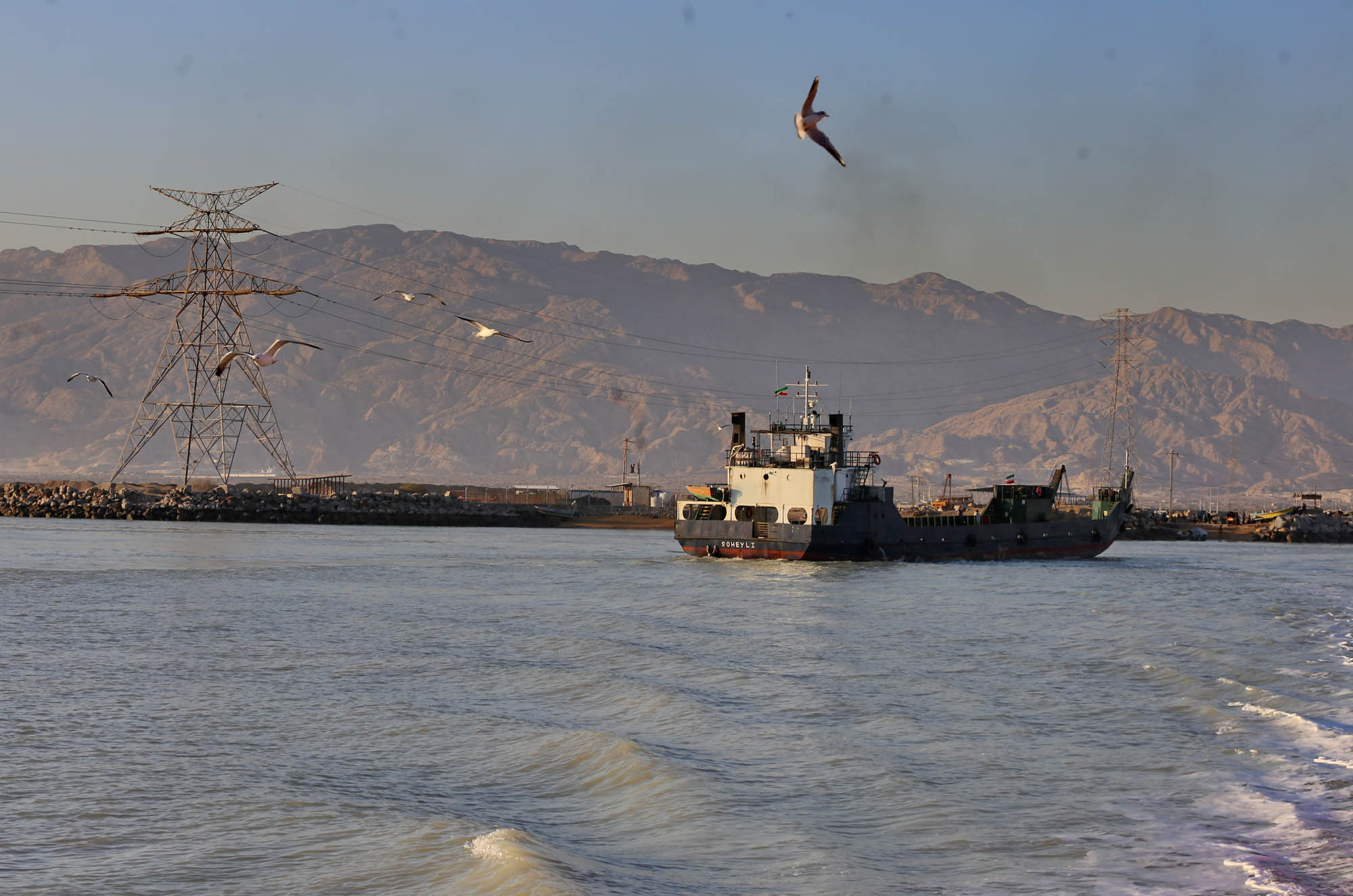
From the port of Bandar-e Pol we cross to Qeshm Island, because only here do ferries run that can take buses aboard. Passenger traffic mostly goes sixty kilometers farther east, between the more upscale ports of Bandar Abbas and Qeshm; that’s where we’ll return without the bus, since from Bandar Abbas we’ll fly on to Shiraz.
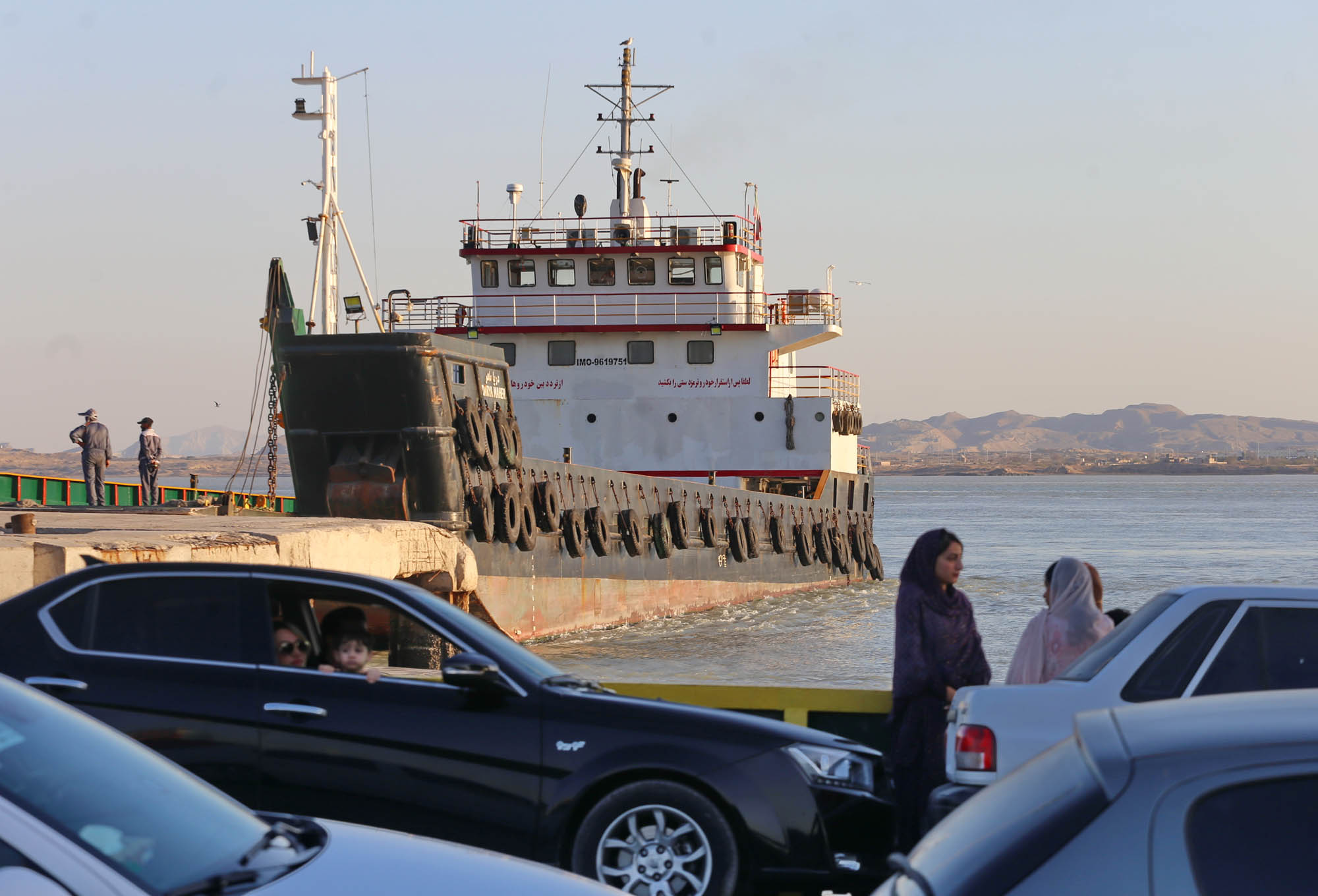
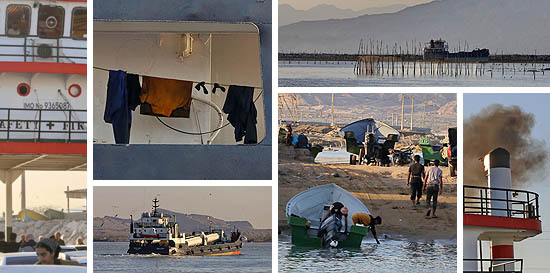
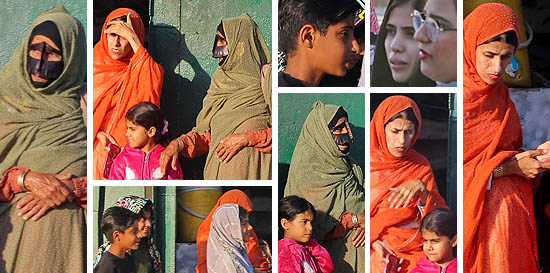
Bandar-e Pol is an industrial-looking harbor, with fishing boats and oil tankers. From Bandar Abbas it’s mostly (domestic) tourists who cross; here it’s mainly locals, and tickets are cheaper. This is where we first see the women’s face mask that frames the eyes and covers the nose, the boregheh, which I’ll write about separately.
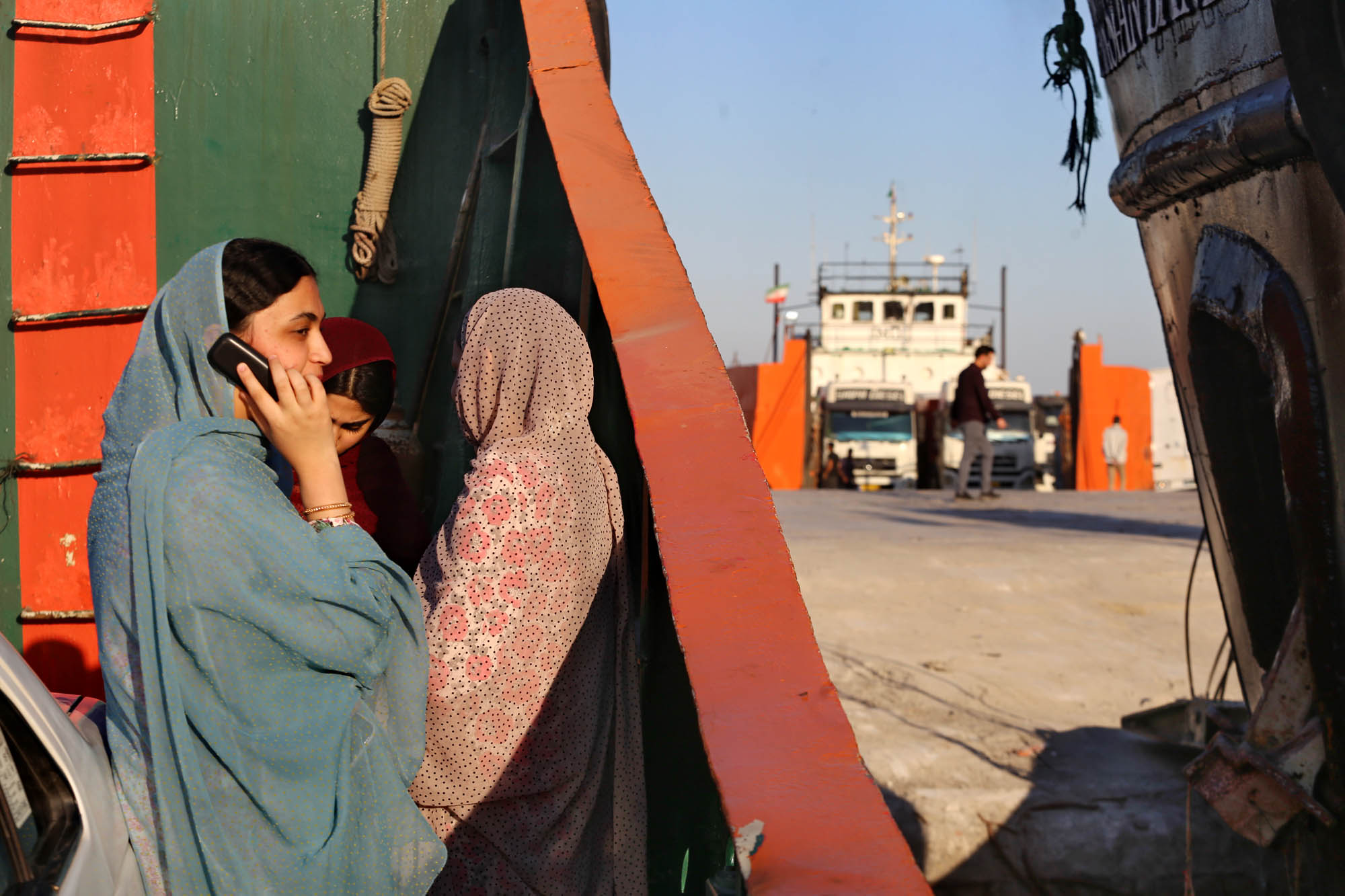
The ferries are always followed by flocks of seagulls, probably hoping for fish stirred up in the wake. Locals feed them too, tossing pieces of bread into the air and applauding the most skillful winners.
We reach the port of Laft on the island shortly before dusk. Perfect timing: watching the sun set over the sea from the hill above the village is a local ritual. People are already sitting on the hillside steps laid out like a Greek theater—serving much the same purpose: to experience an epiphany of nature. Beside the steps, doors opening onto nothingness have been installed as romantic photo frames.
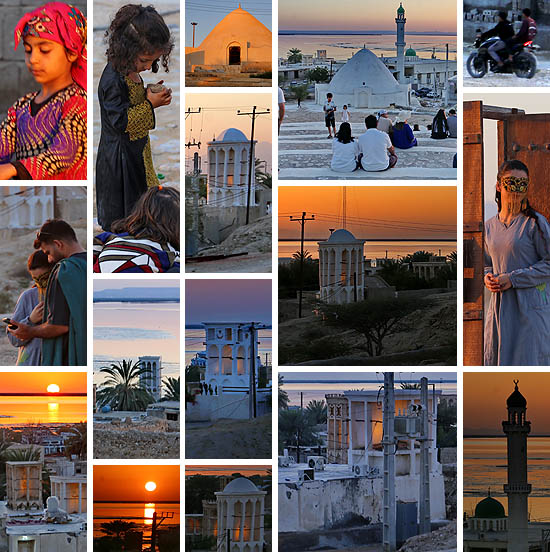
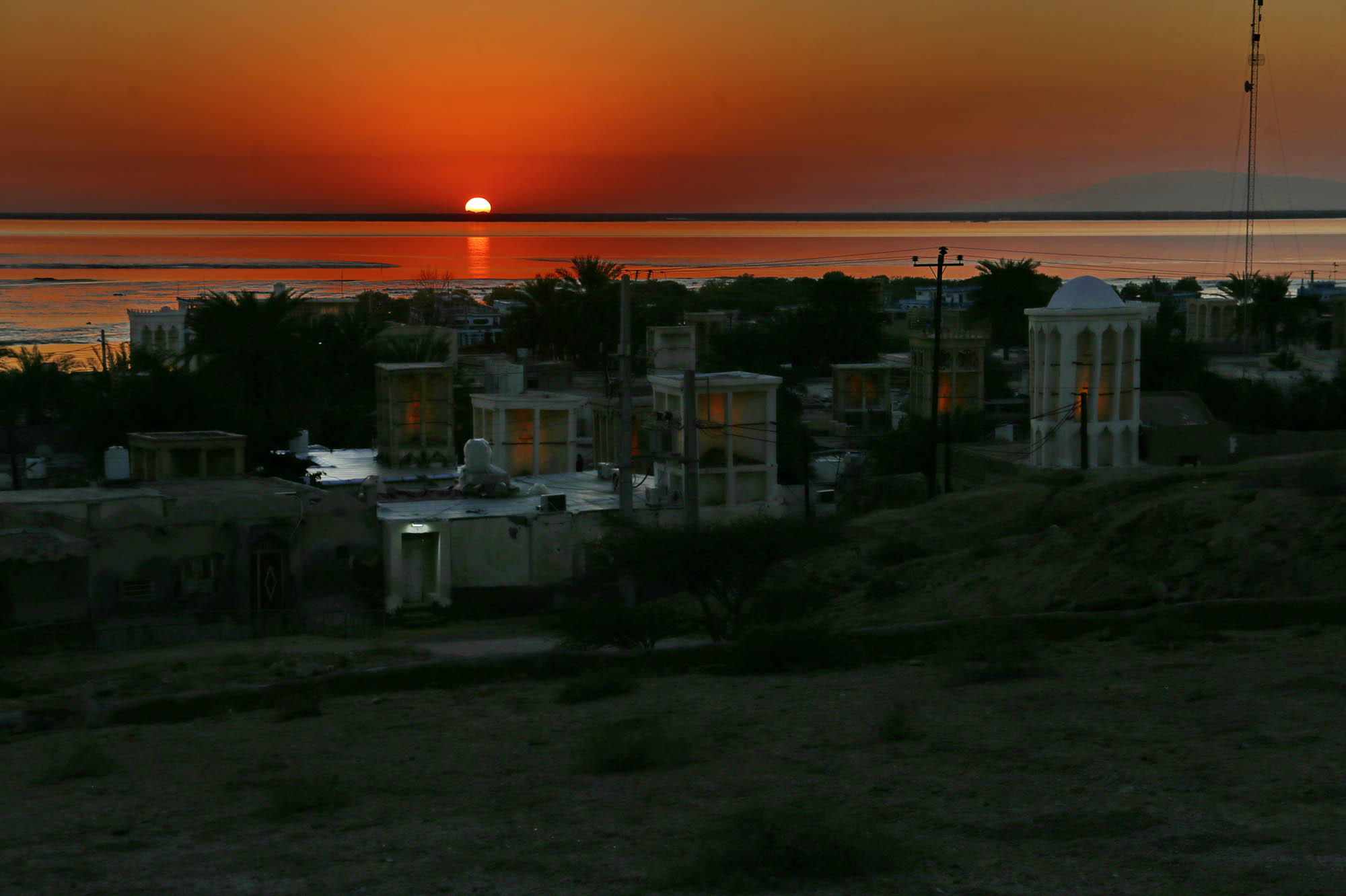
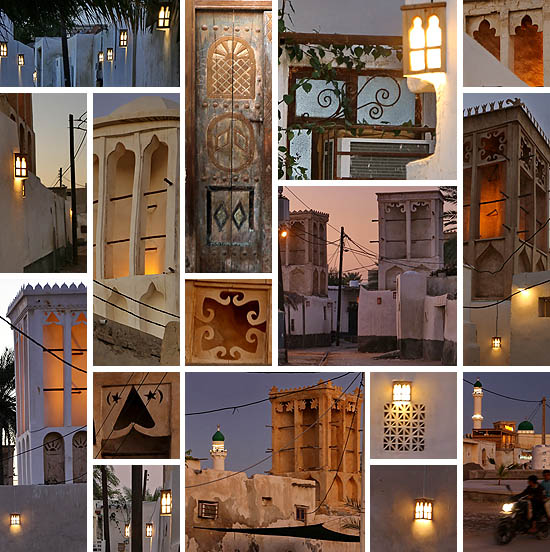
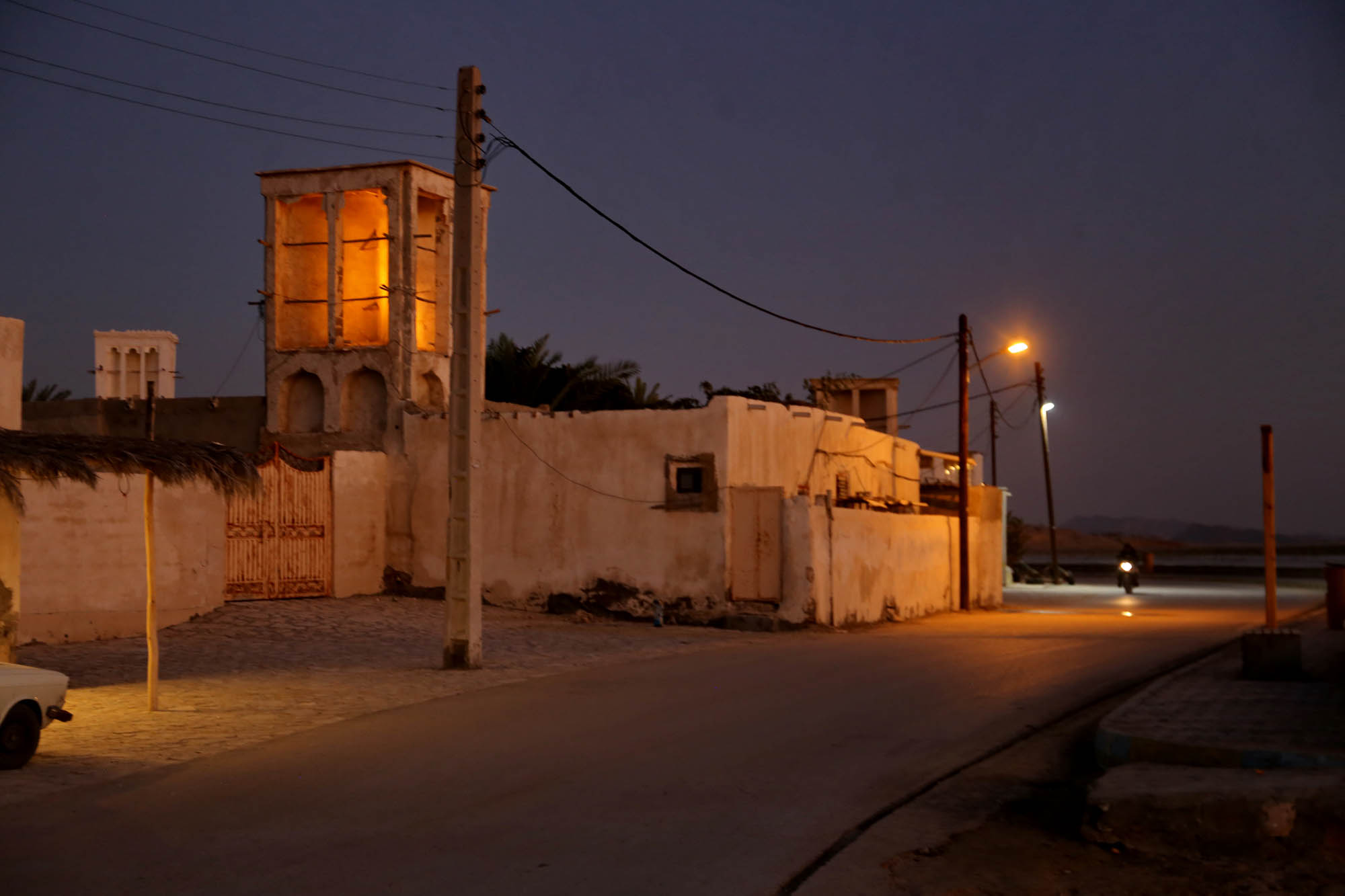
But in Laft, it’s not the sunset that steals the show—it’s the wind towers, which naturally add to the mood of sunset photos. The village has preserved over 150 wind towers: they serve as natural passive cooling for the houses, and each one is decorated differently. This is why the town is called بندر بادگیرها bandar-e bâdgirhâ, “the Port of Wind Towers.”
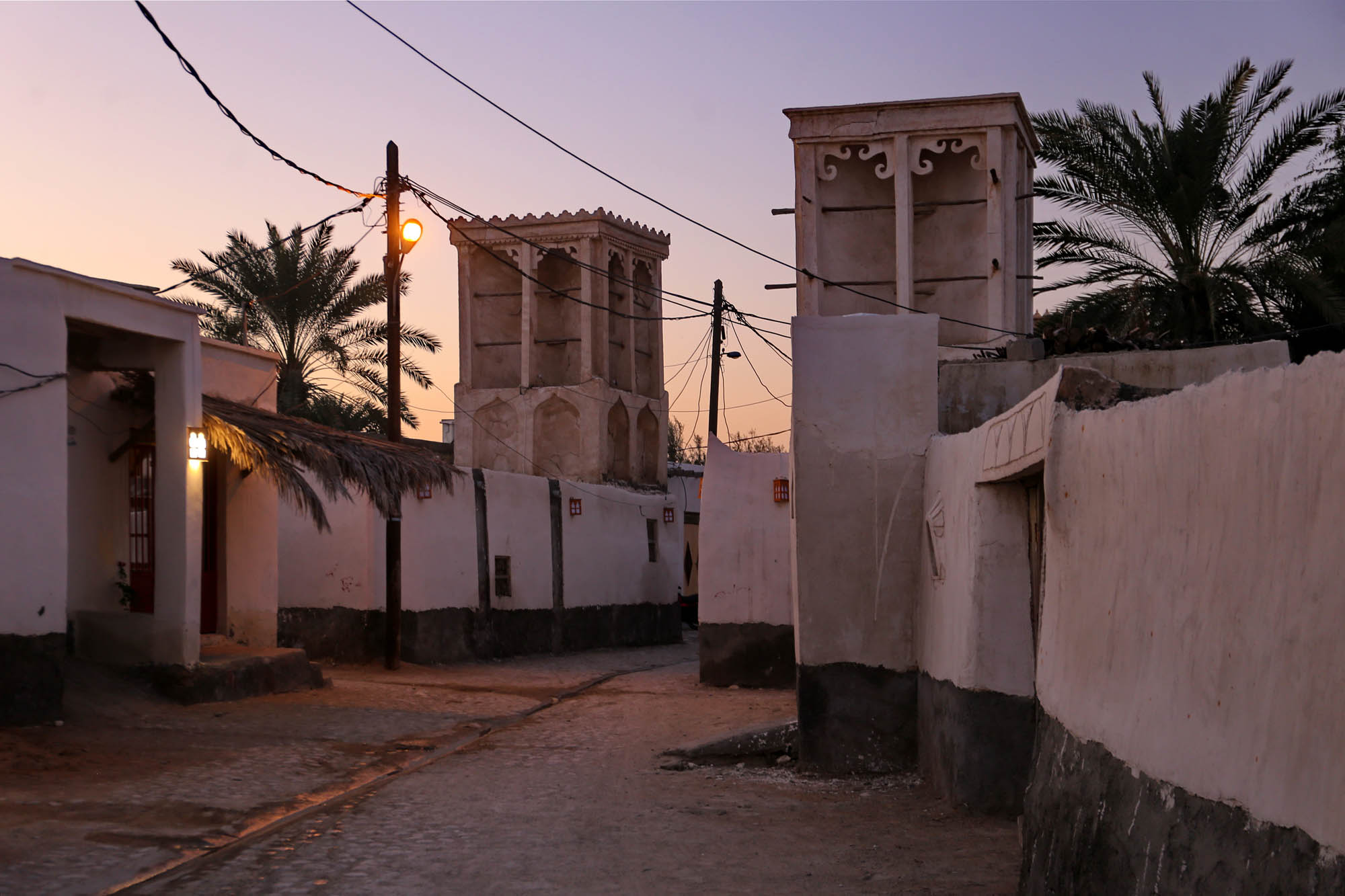
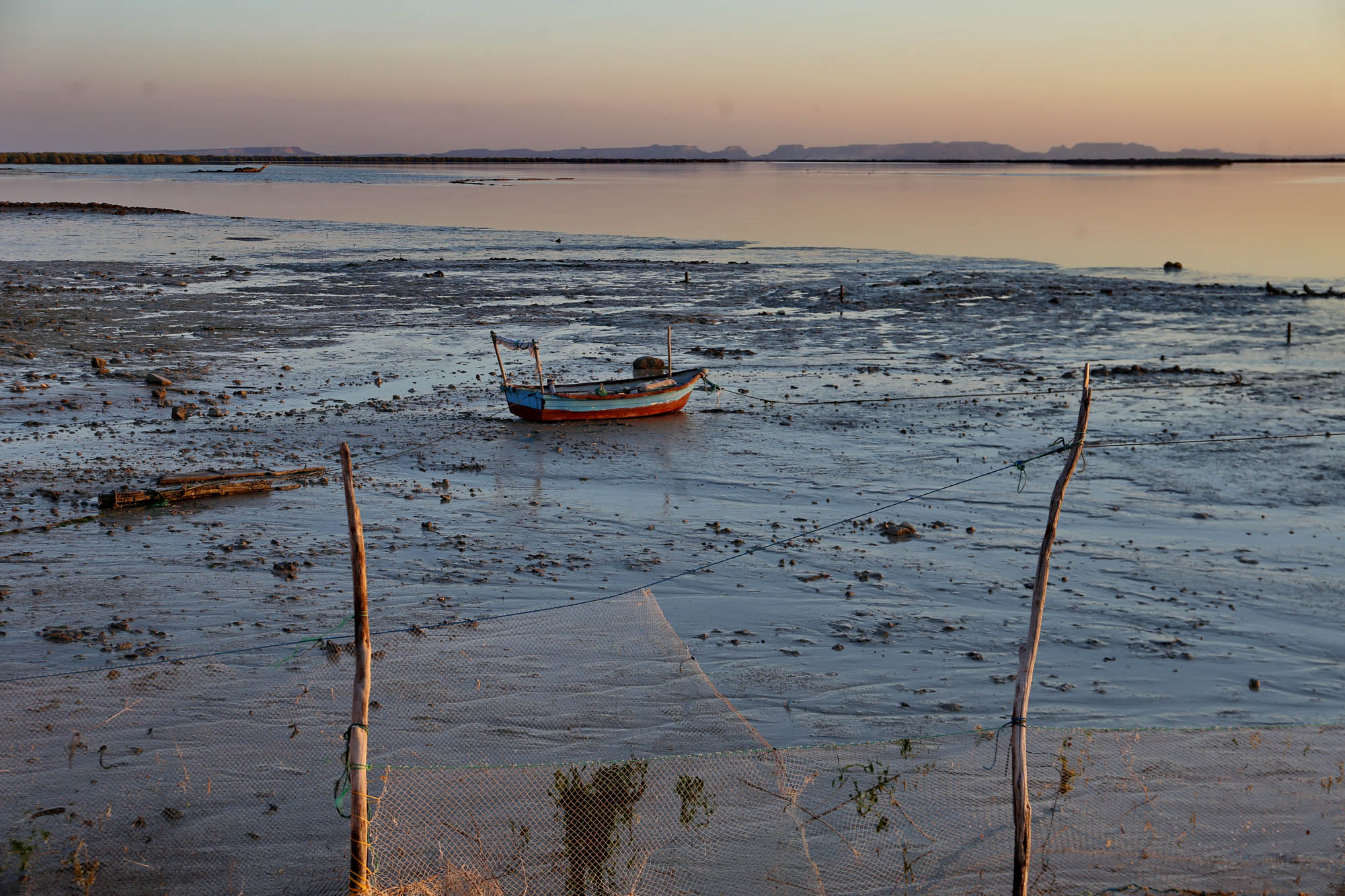
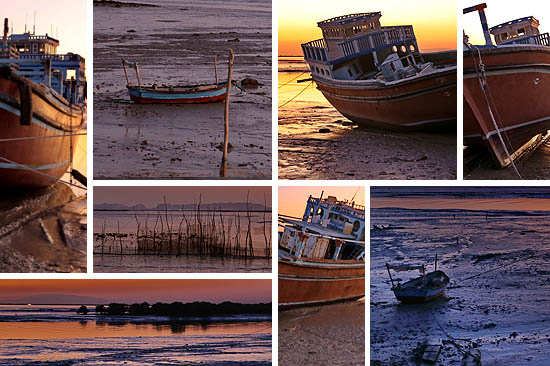
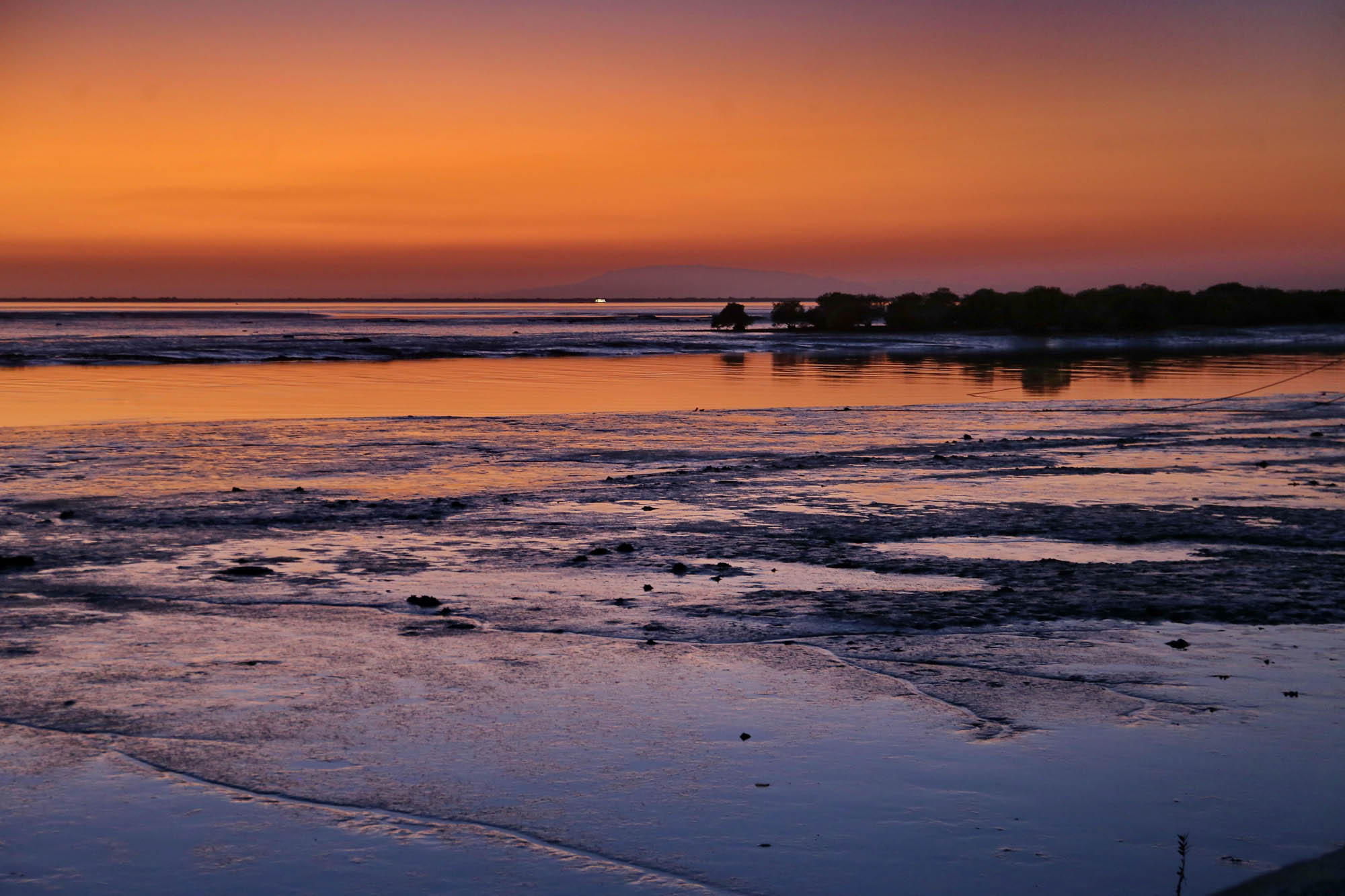
It’s low tide, which here on the shallow coast means the water recedes far, leaving wide stretches of mud where old-fashioned fishing boats sway left and right. The sky glows red above the coastal mangroves and the distant, faintly visible Omani shore across the Persian Gulf.
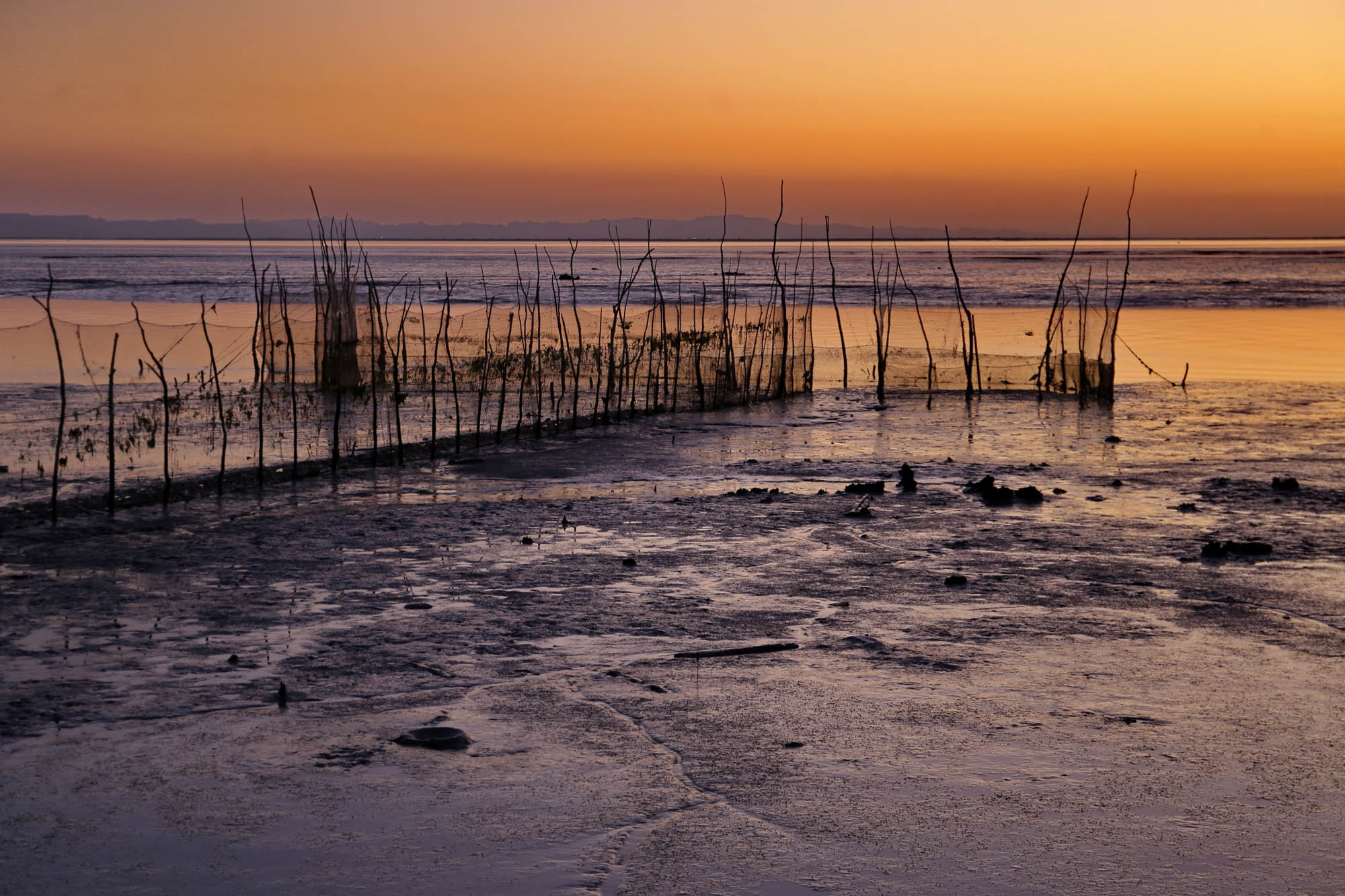
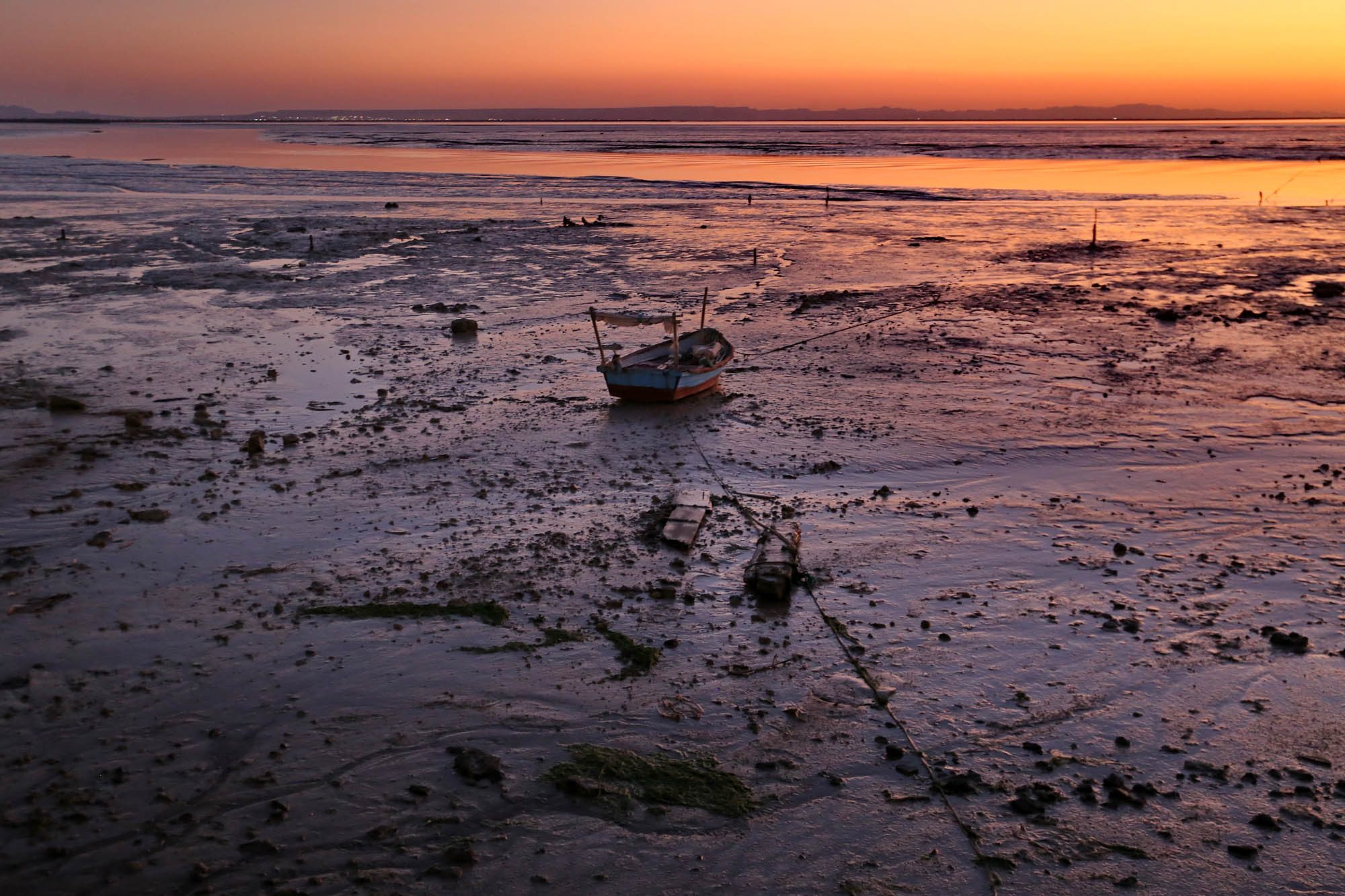
I want to send this picture home, but it won’t go through. With the upcoming wave of protests, the internet has been shut down across Iran and won’t return while we’re here.



Add comment