


Lahvová pošta, message in a bottle. It seems almost absurd that such a term has been also coined for it in a language where you can never meet such a thing. Nature has refused a sea to Czechia. So it was up to literature to bestow one upon her: Shakespeare in The Winter’s tale, and Radek Malý in his recently published children’s poetry book Moře slané vody, Sea of salty water.
|
Zavřete oči. |
Close your eyes. |

As a native of another landlocked country, I can fully understand the desire towards the sea, as one tries to conceive on the basis of the blue sky that other infinite, dreams about shells, ships, islands, prepares to be a sailor in Kőbánya, and, finally, the first encounter.
|
První vzpomínka |
The first memory |

Blessed shore, says Shakespeare about the Czech coast, and so should it verily be. But he also adds: unpathed waters, undreamed shores, which cannot be true, since it emerges so often in dreams, one travels across it time and again.
|
O cestĕ |
About the way |

In these children’s poems what is beautiful, is that they are not pedestrian, not artificial, not affectedly funny, like most poems written by adults for children. They are spacious and personal and to be continued, like the sea, like a dream. And the two merge with one other on the Czech shore.
|
Velrybo velrybičko |
Whale, little whale |

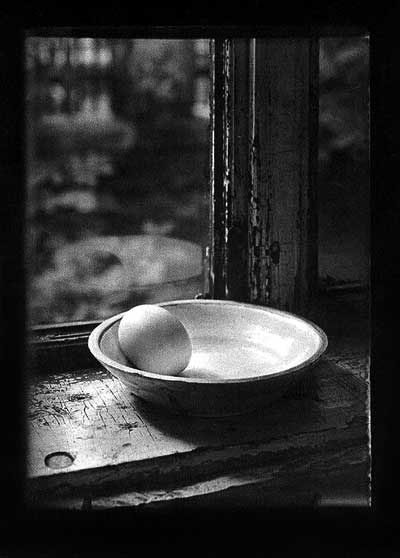
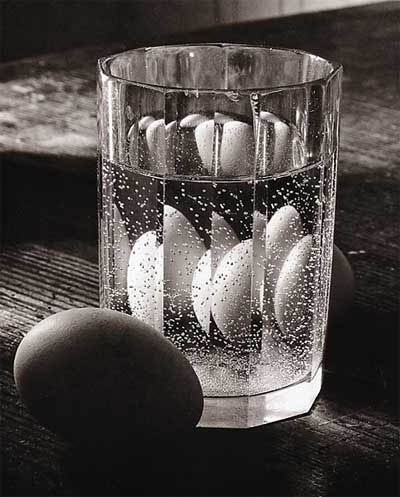
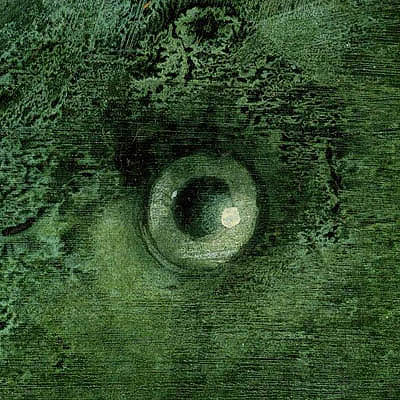
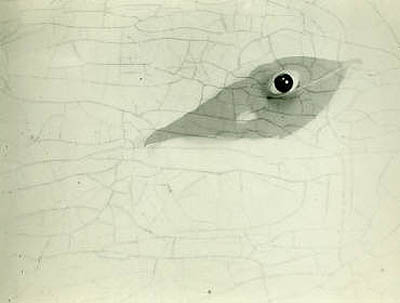
Even the illustrations, by Pavel Čech, are like dreams. Like children’s dreams: from a little salt, a little ink, a basin of water – the endless sea. And like Czech dreams. In front of the crumbling wall, the worn frame, who could fail to recognize Josef Sudek’s basin, and from now on, who will not see in Sudek’s basin and glasses the sea of Pavel Čech?





Add comment