

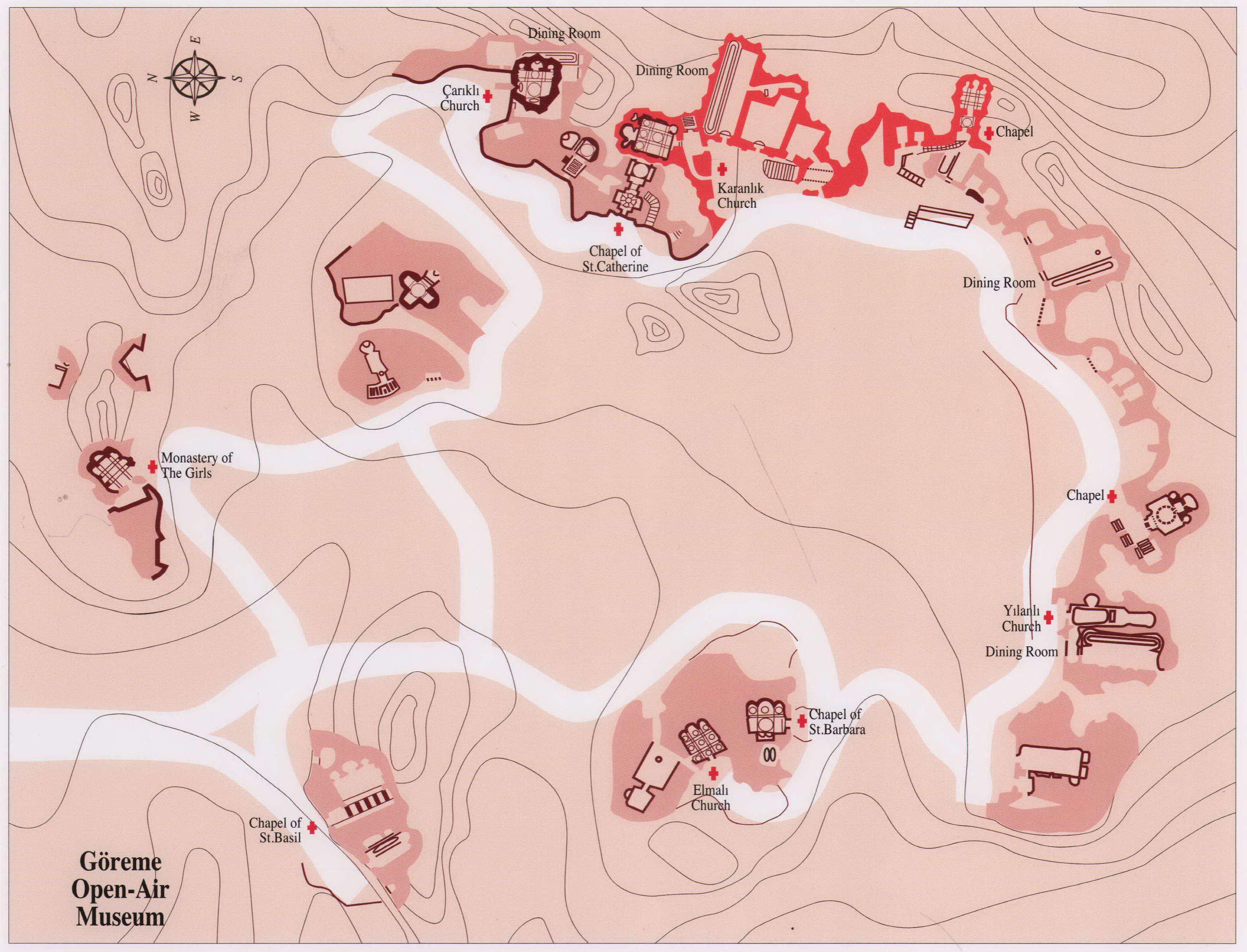
The Elmali Church (“Chapel No. 19”), named after the apple tree that once stood in front of it, is currently closed to visitors, even though it contains a beautiful cycle of frescoes. So the next church in the Göreme Open-Air Museum is the Chapel of St. Barbara (“Chapel No. 20”), carved into the other side of the same rock.
The chapel has a square ground plan, divided by two columns into two north–south aisles. Just like the nearby Chapel of St. Basil, these are transverse, meaning that the three apses do not open at the end of the aisles, but perpendicularly to them on the eastern side.
The first transept, which we enter from the south side, is crowned in the center by a larger dome, while the second longitudinal aisle has three smaller domes in front of the three apses.
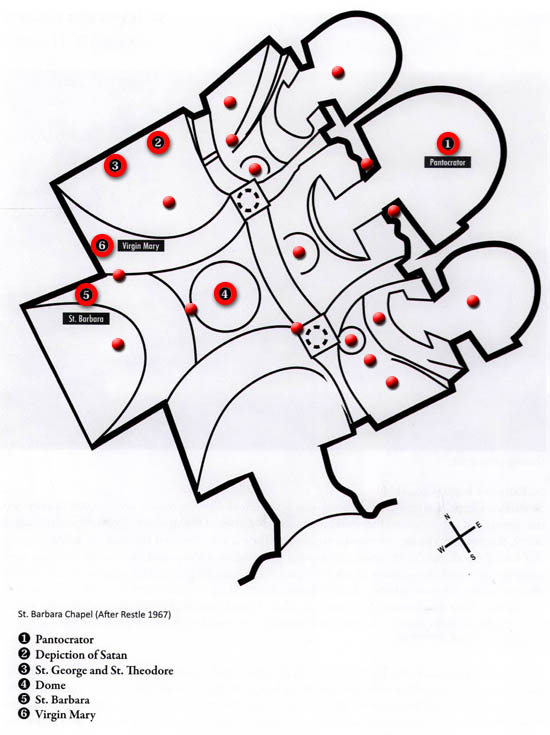
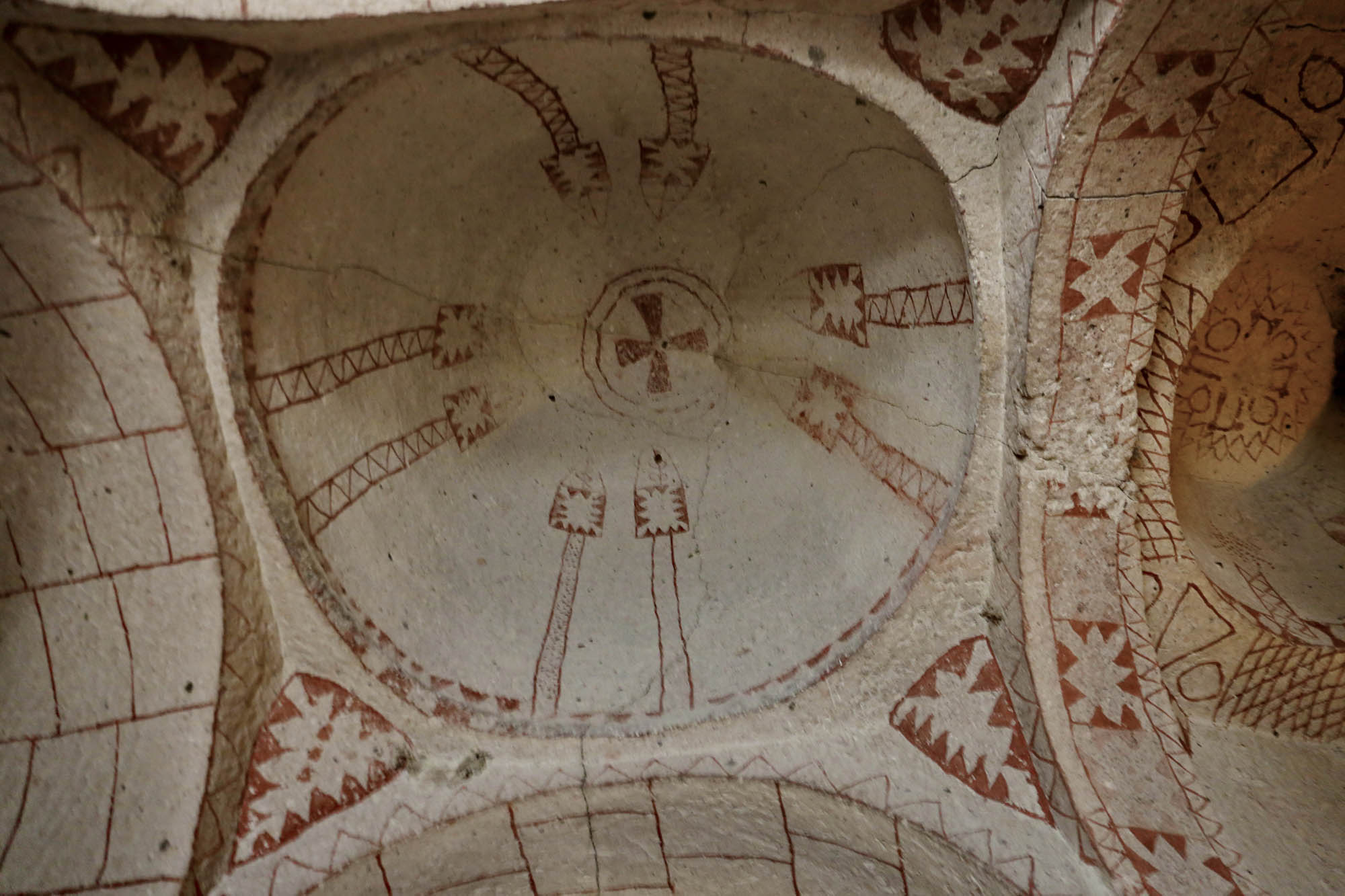
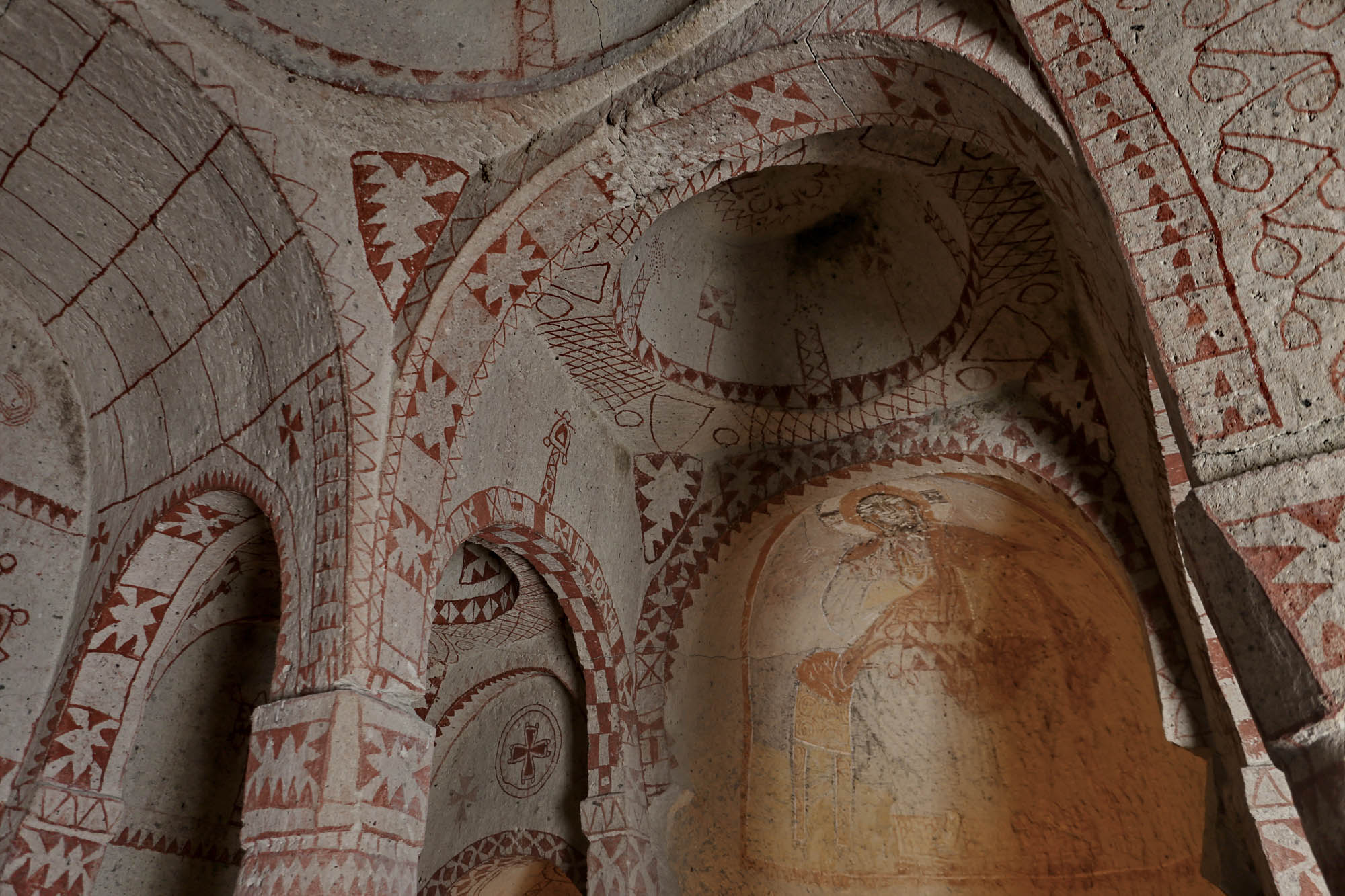
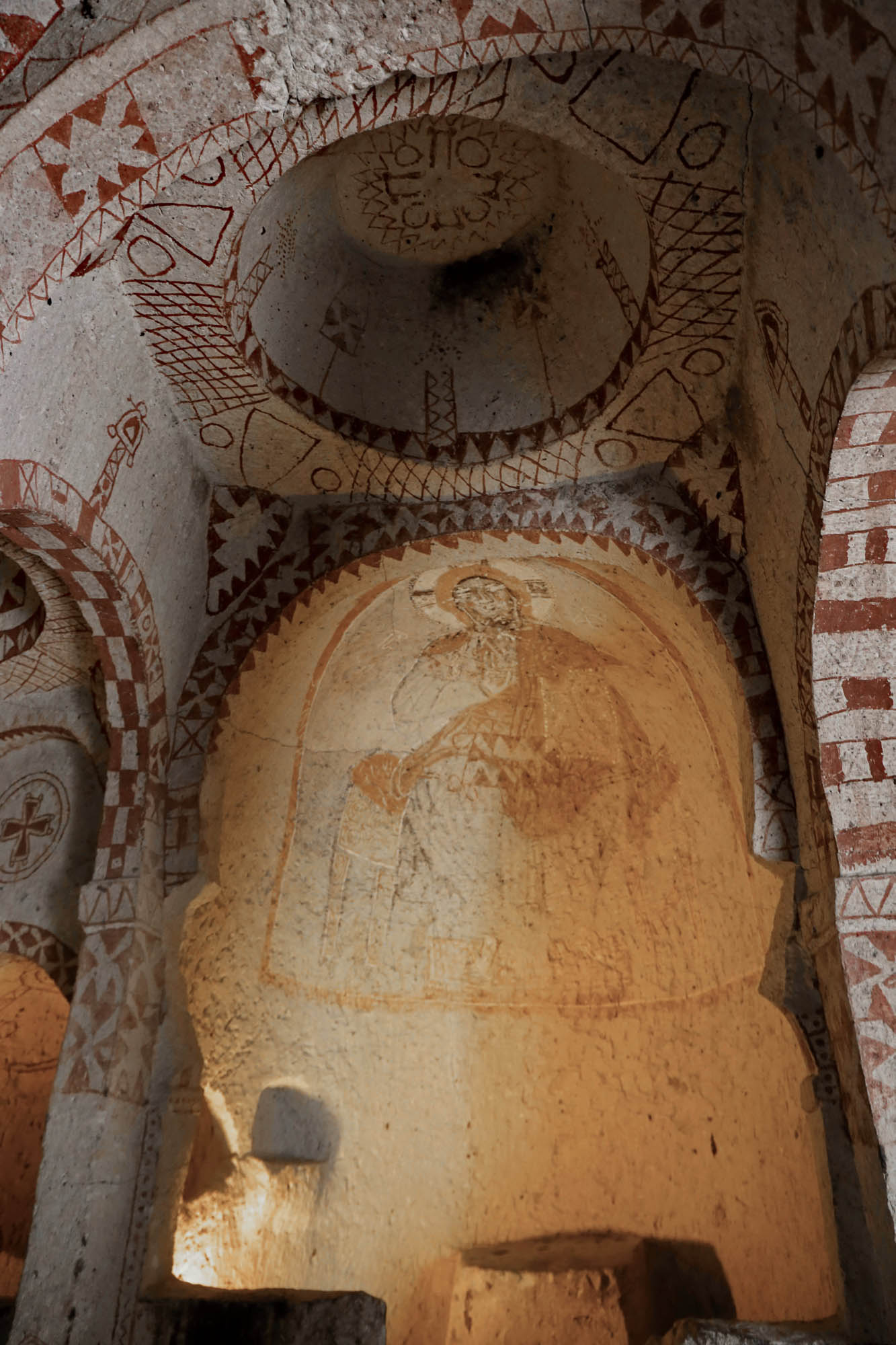
The painted decoration is mainly made up of red linear ornaments, which I have marked with red dots on the interactive floor plan above. Along the inner edges of the arches run zigzag and checkerboard patterns, cross and rhombus medallions, and on the barrel vaults of the first transept there are grid patterns. In the center of each of the four domes is a cross, surrounded below by rising Roman military standards (labara), as if proclaiming the glory of the Holy Cross — a rather fitting symbol in the militarized Cappadocian world of the time. Rows of labara also appear on the north and south closing walls of the inner transept and above the entrance. In the lunette of the right apse three prominent crosses appear, the central one emphasized with special decoration; they almost certainly refer to the three crosses of Golgotha, much like the three crosses carved in the semicircular niche opening in the St. George wall of the nearby Chapel of St. Basil.
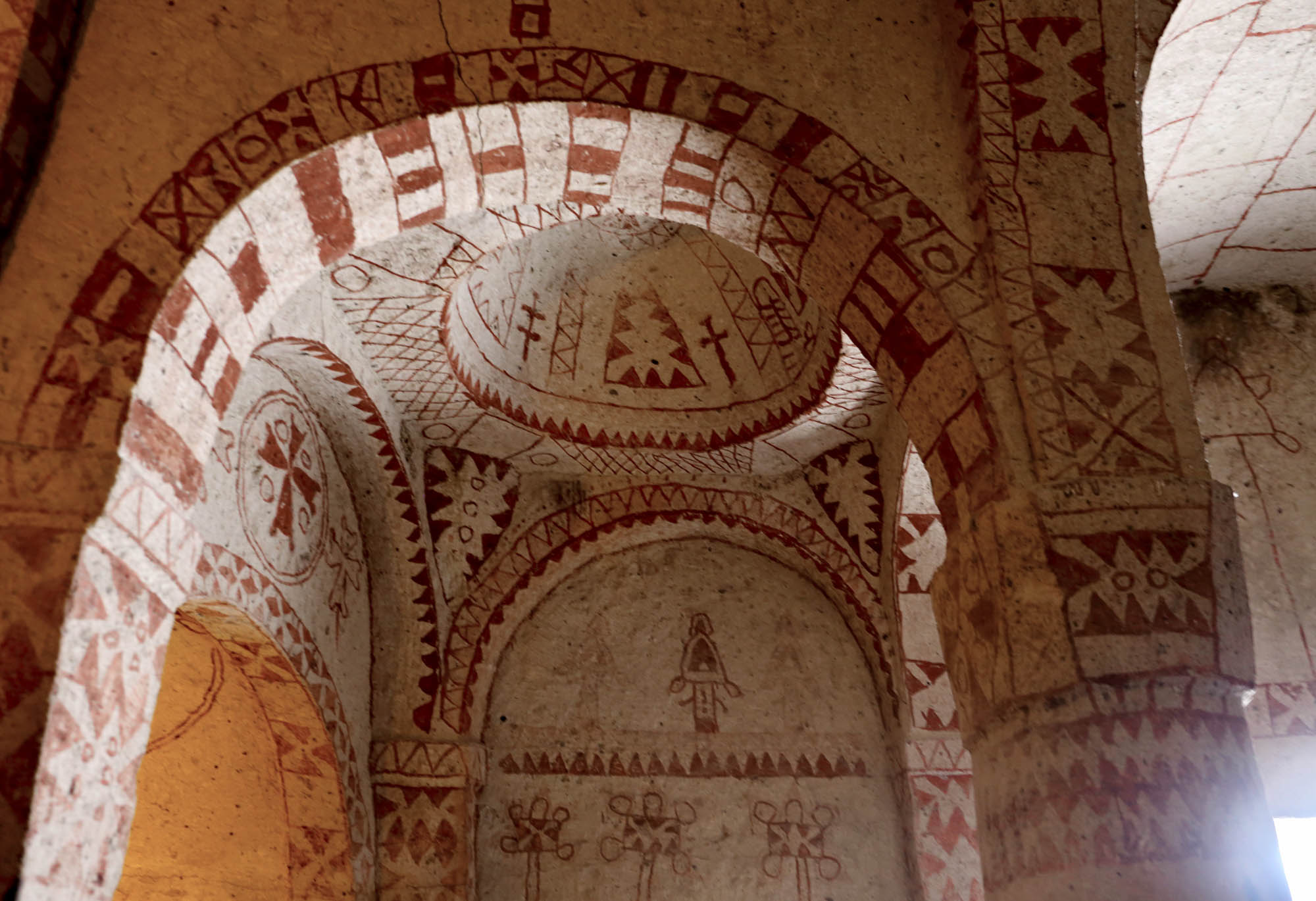
According to current research, this decoration was created during the second period of Cappadocian painting (7th–9th centuries), in the age of Iconoclasm, when line-based geometric ornament was preferred over images, and the only acceptable motif was the cross. The chapel’s figurative frescoes were probably added later, after the victory of icon veneration in the 9th century.
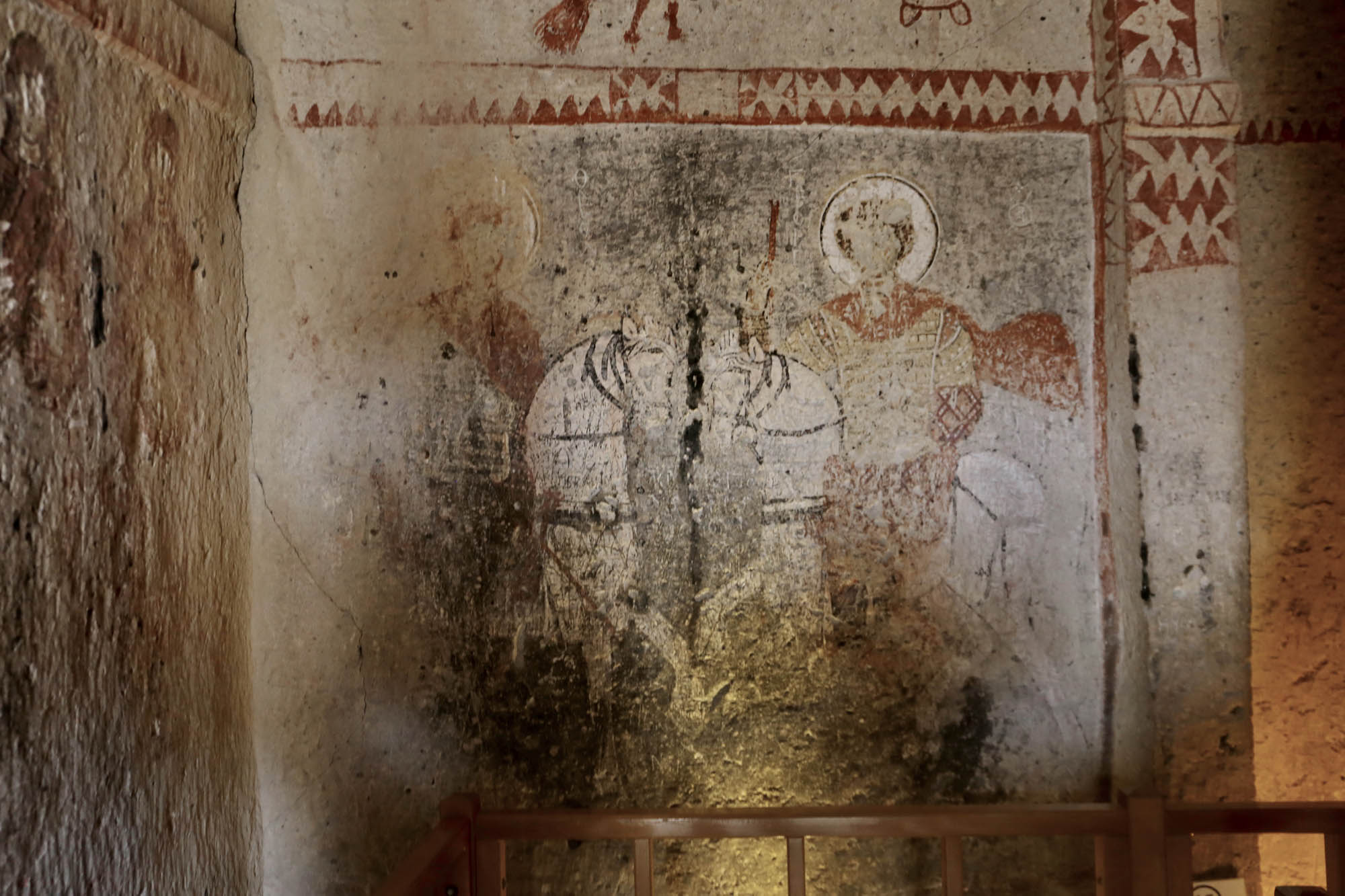
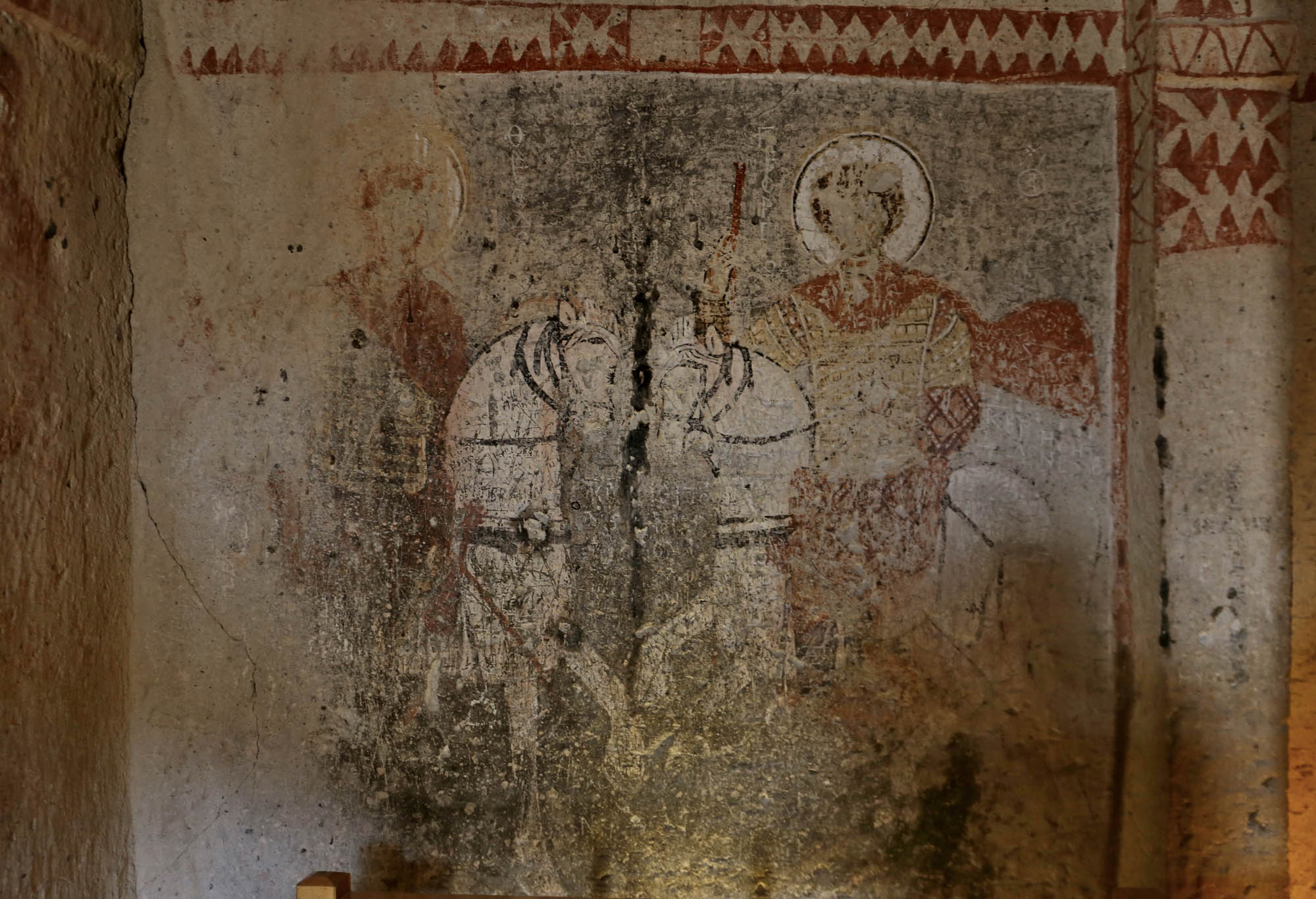
As we step into the first transept, the chapel’s most important fresco ensemble appears directly in front of us on the north wall. Below are the mounted Saints Theodore and George, shown in the form common in Georgia and Cappadocia, facing each other. Between the heads of their horses runs a Greek donor inscription: “Lord, help your servant, the priest Phalibon.” To the right, beneath Saint George’s fluttering red cloak, another donor inscription reads: “Lord, help your servant, Leon Marulines.”
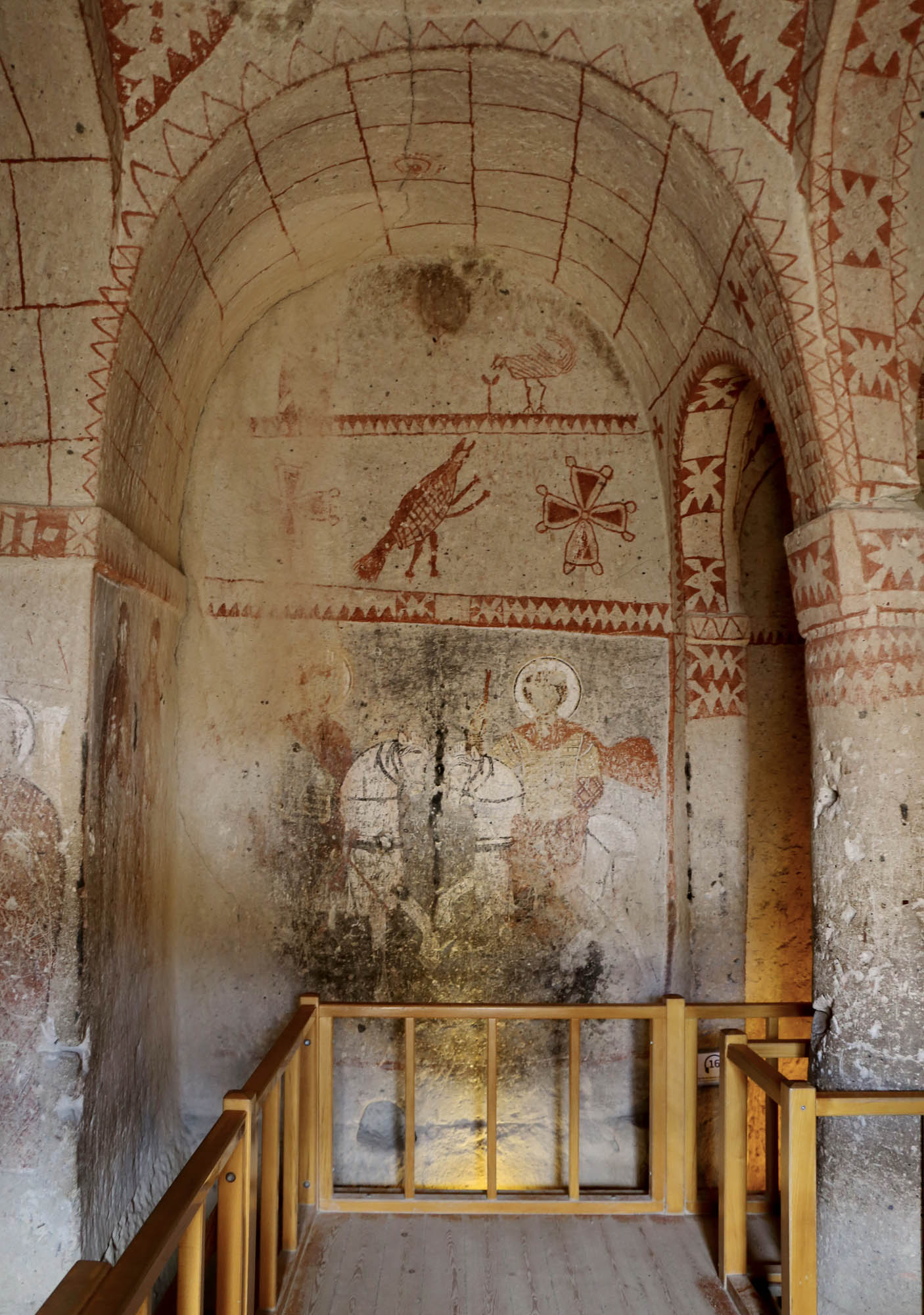
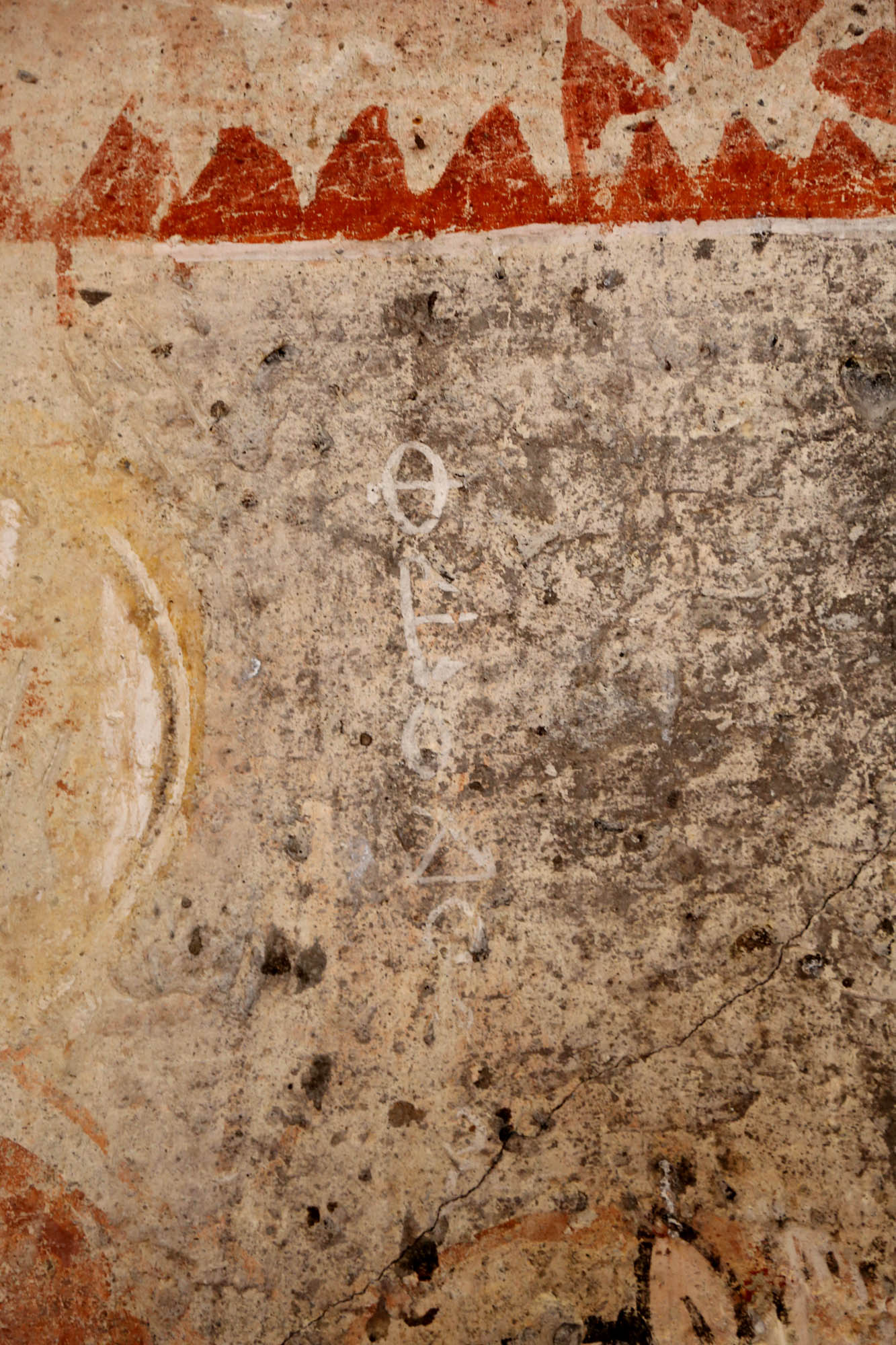
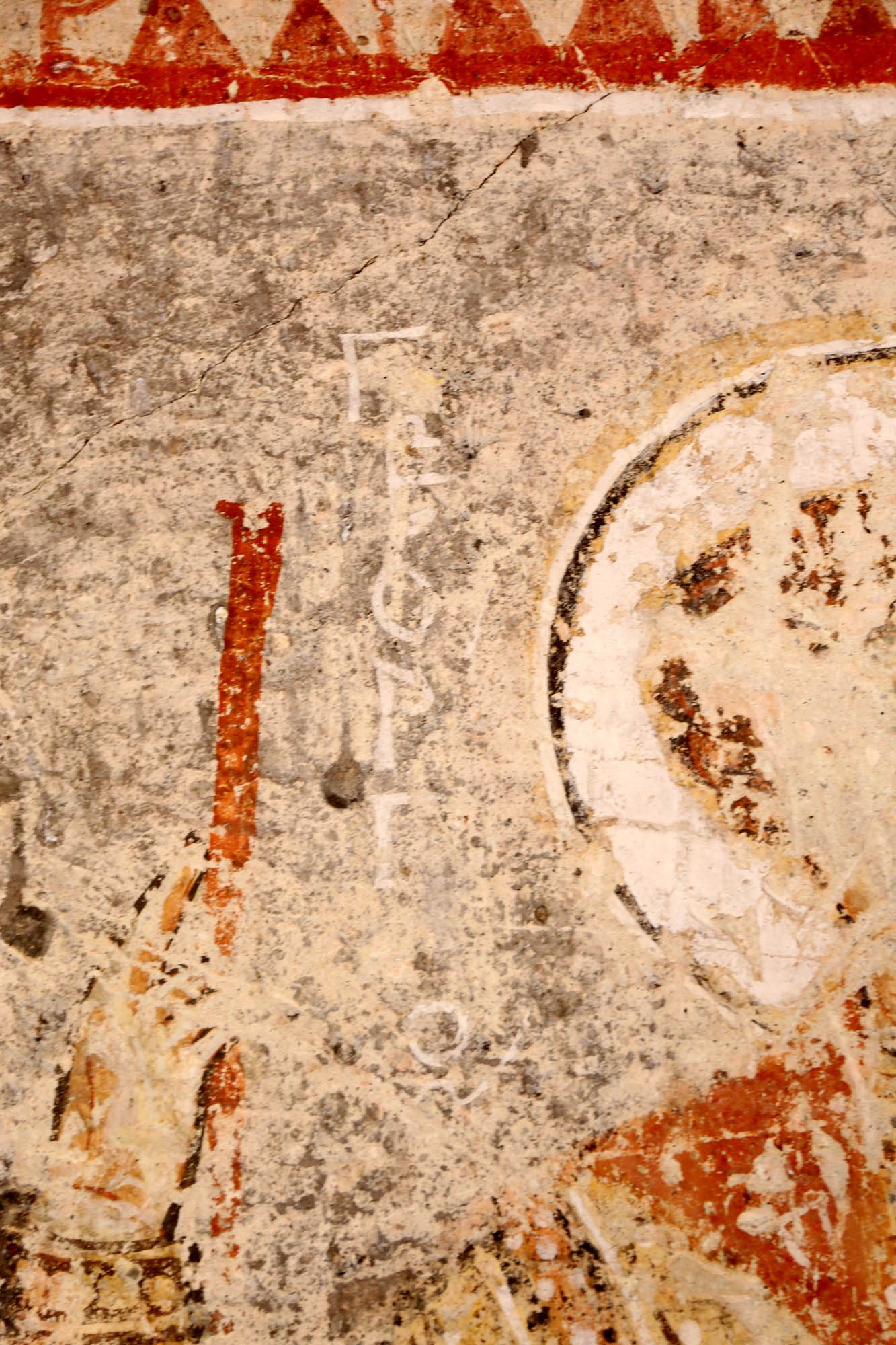
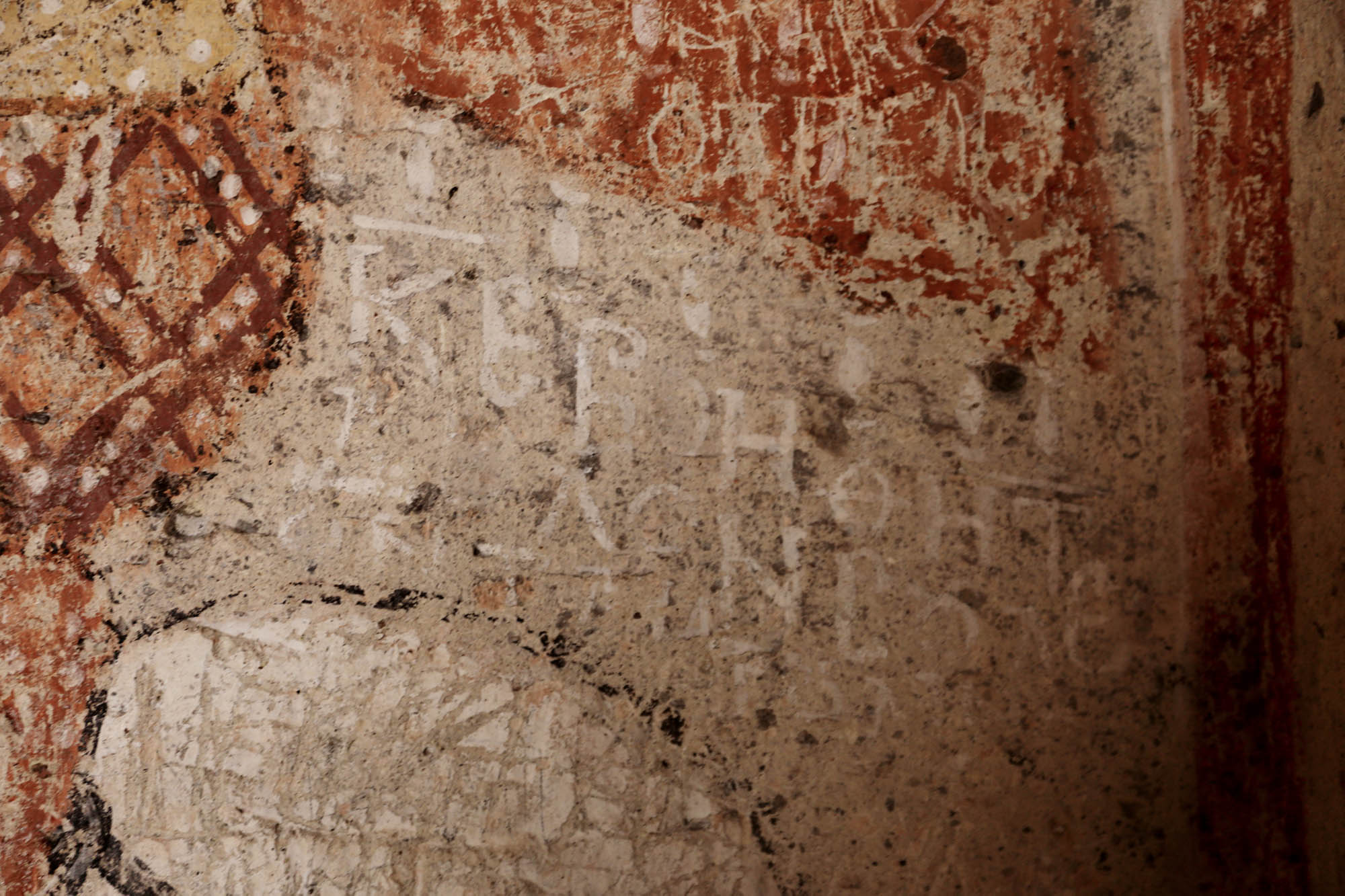
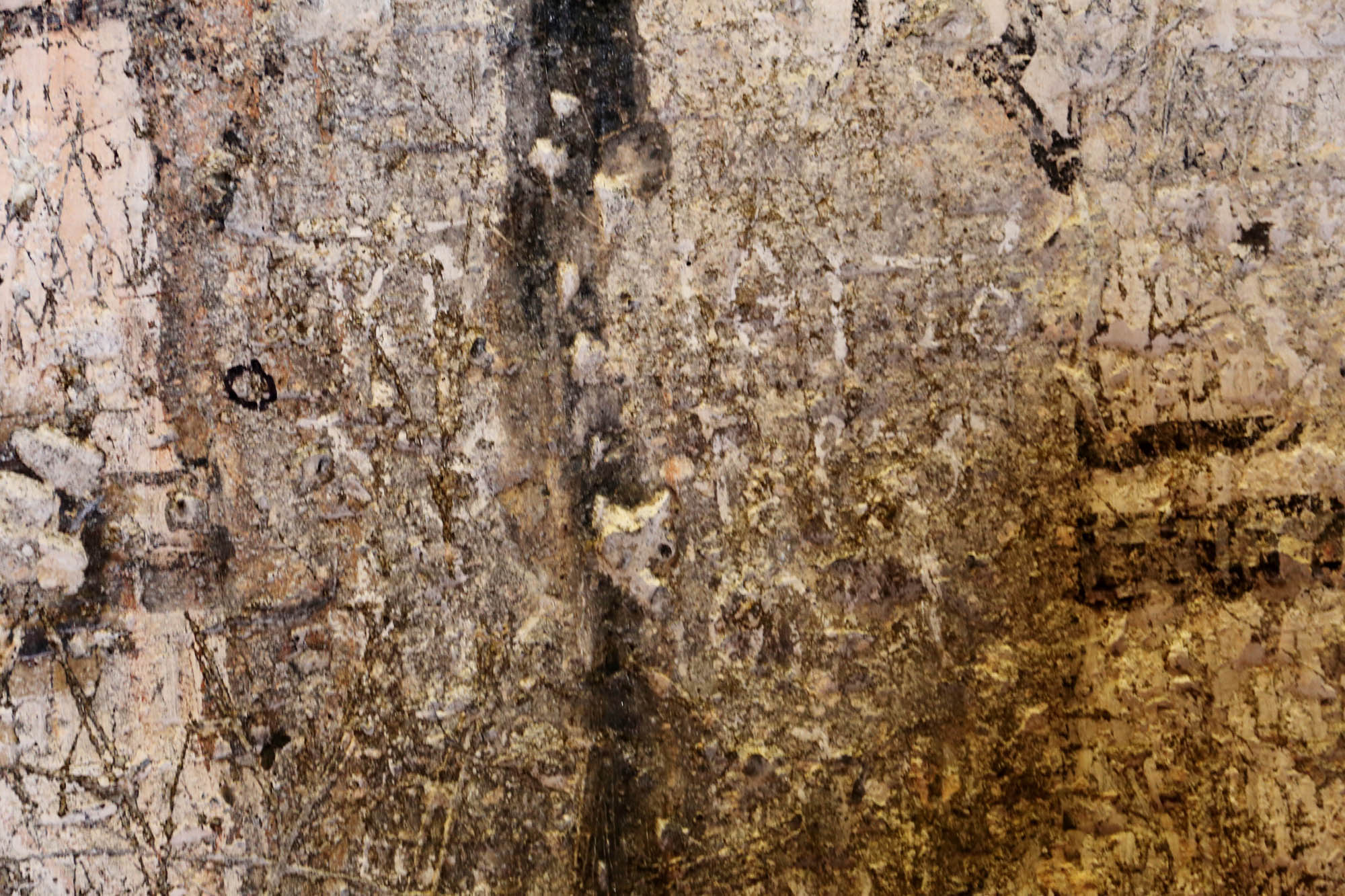
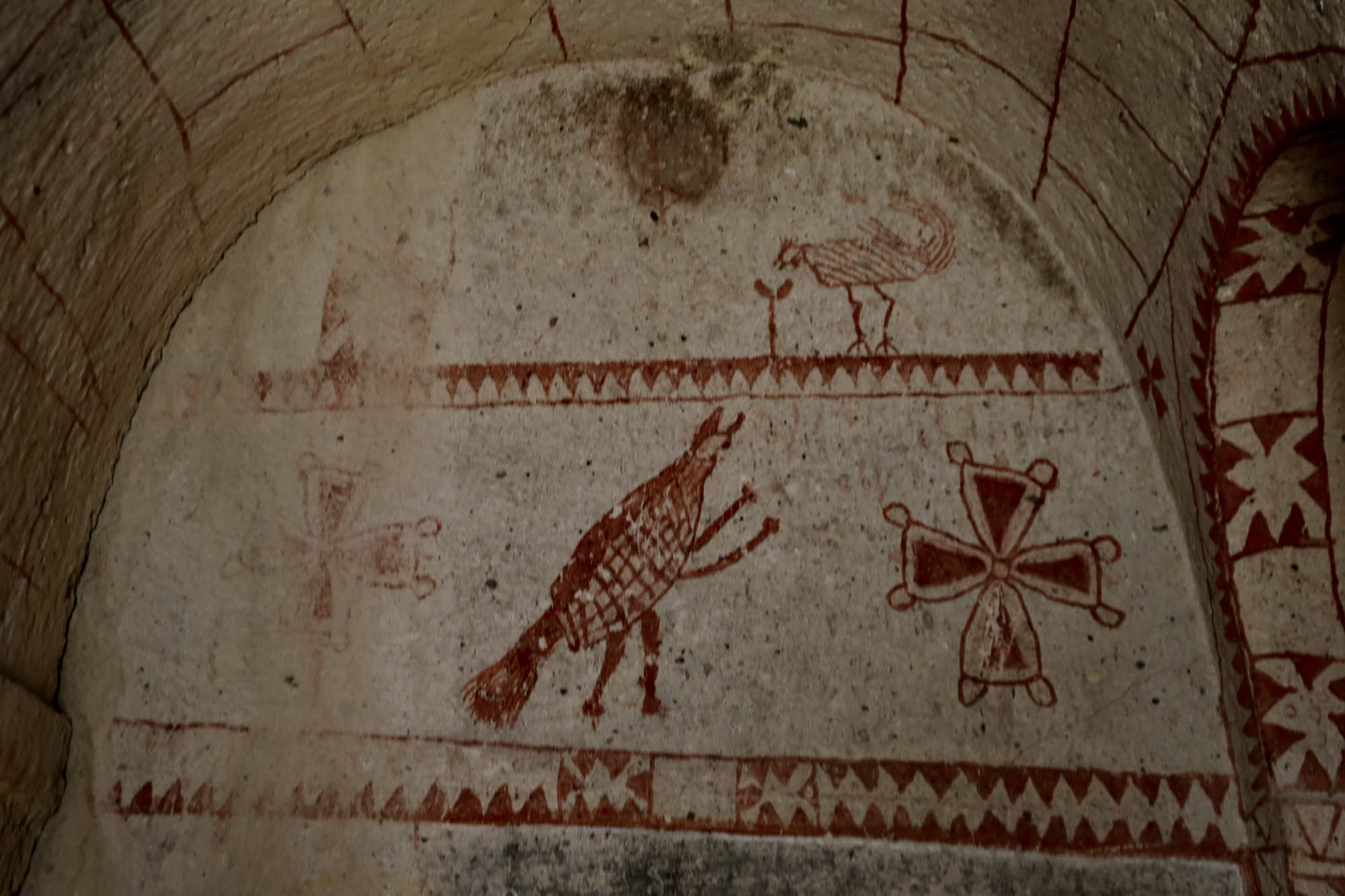
Above the two riders, arranged in two rows separated by a zigzag band, appears perhaps the most mysterious and unique motif in the entire Göreme church complex. In the lower row, in the center and flanked by two crosses, stands a beetle-like creature with a tail, human legs, and raised arms. In the row above, to the right—the direction the creature faces—a rooster pecks at a flower. To the right of the creature, above the cross, an inscription reads: “Come down, my father, come down, so that I may seize your soul.” On this basis, some scholars believe the beetle-creature symbolizes Satan—meaning that the devil himself was painted on the wall here, though immediately neutralized by the two guarding crosses. Above it, the rooster may represent the monk who sings the Lord’s praise from the early dawn (whose cell, as usual, would have been on the upper level of the cave monastery), and it is into his ear that the creature tries to plant its tempting message. It remains unclear whether this scene commemorates a monk’s personal temptation—perhaps recorded as a kind of private fresco, much like the Hodegetria image of Mary in the Saint Basil chapel—or whether the warning forms part of the chapel’s broader program, perhaps as a visual paraphrase of 1 Peter 5:8–10: “Be sober, be vigilant. Your adversary the devil prowls around like a roaring lion, seeking someone to devour. Resist him, firm in your faith…”
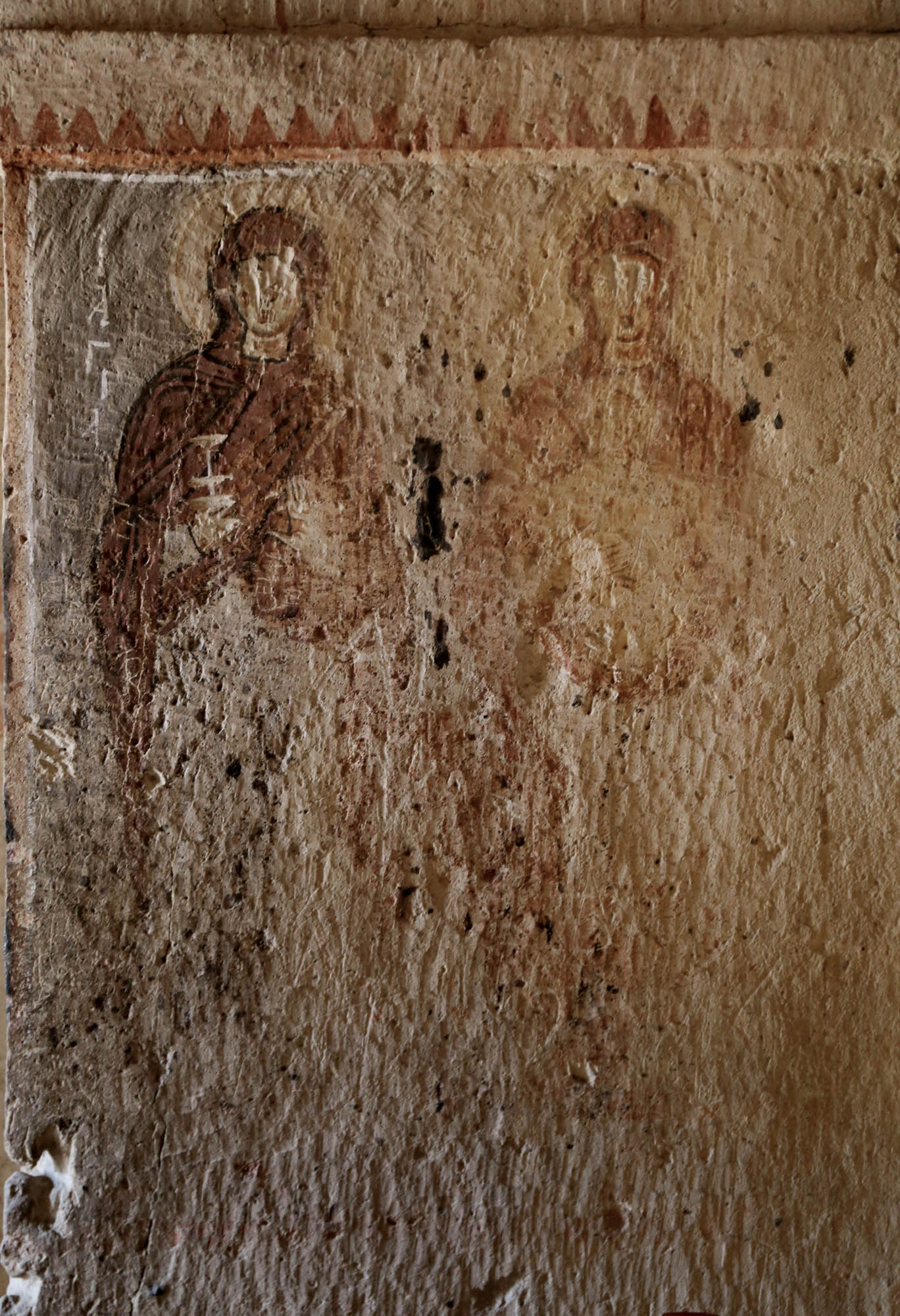
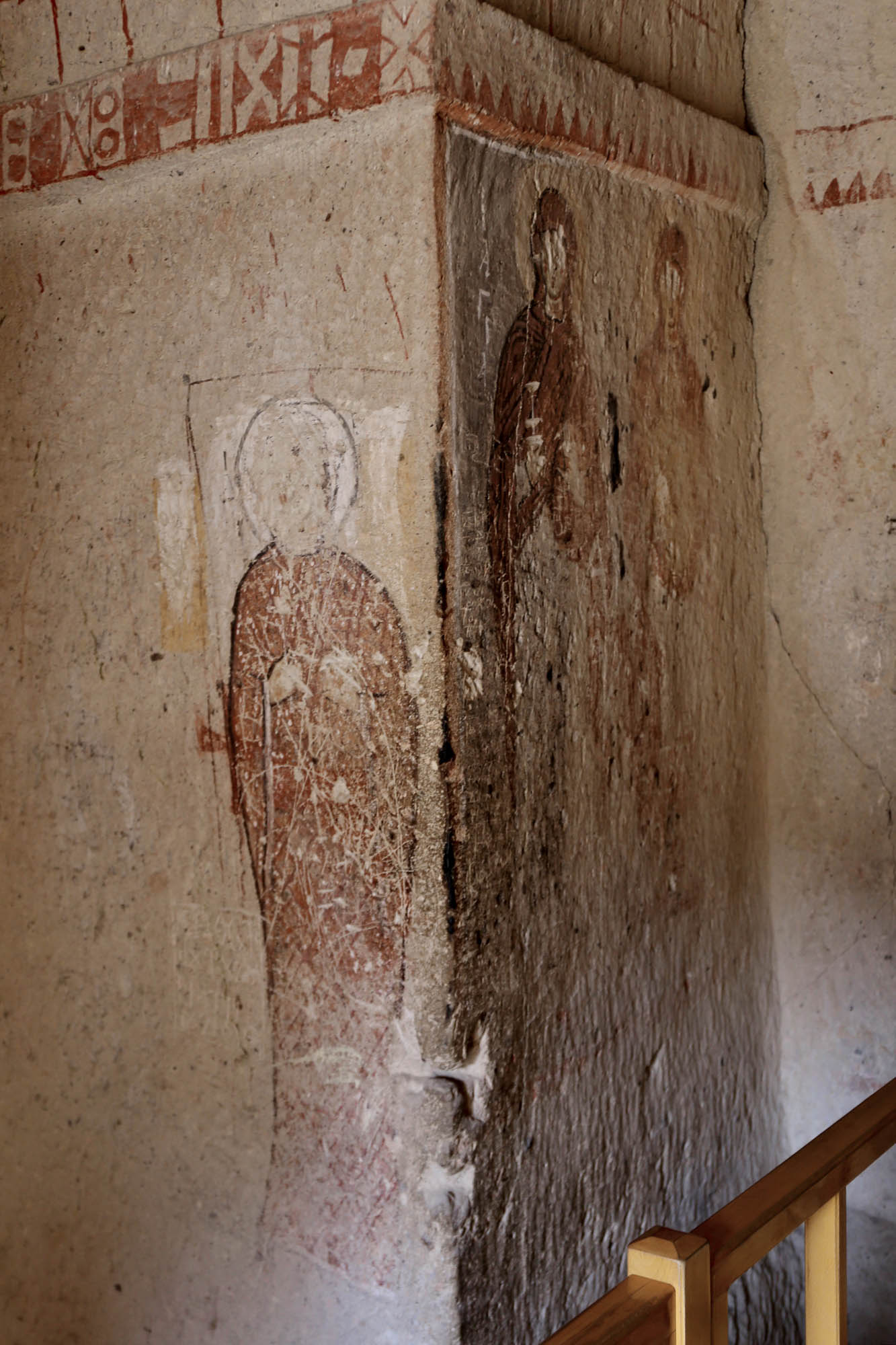
To the left of the two mounted saints, on the west wall of the first nave, two female saints are depicted. The figure on the right is the Virgin Nikopoia, while the one on the left remains unidentified: the name that once followed “ΑΓΙΑ” (“Saint…”) has disappeared. The iconographic formula of the Victory-bearing Mother of God, known from Constantinople since the 5th century, again hints at the military background. The Virgin sits on a throne, holding with both hands—and almost presenting—the Christ Child seated on her lap.
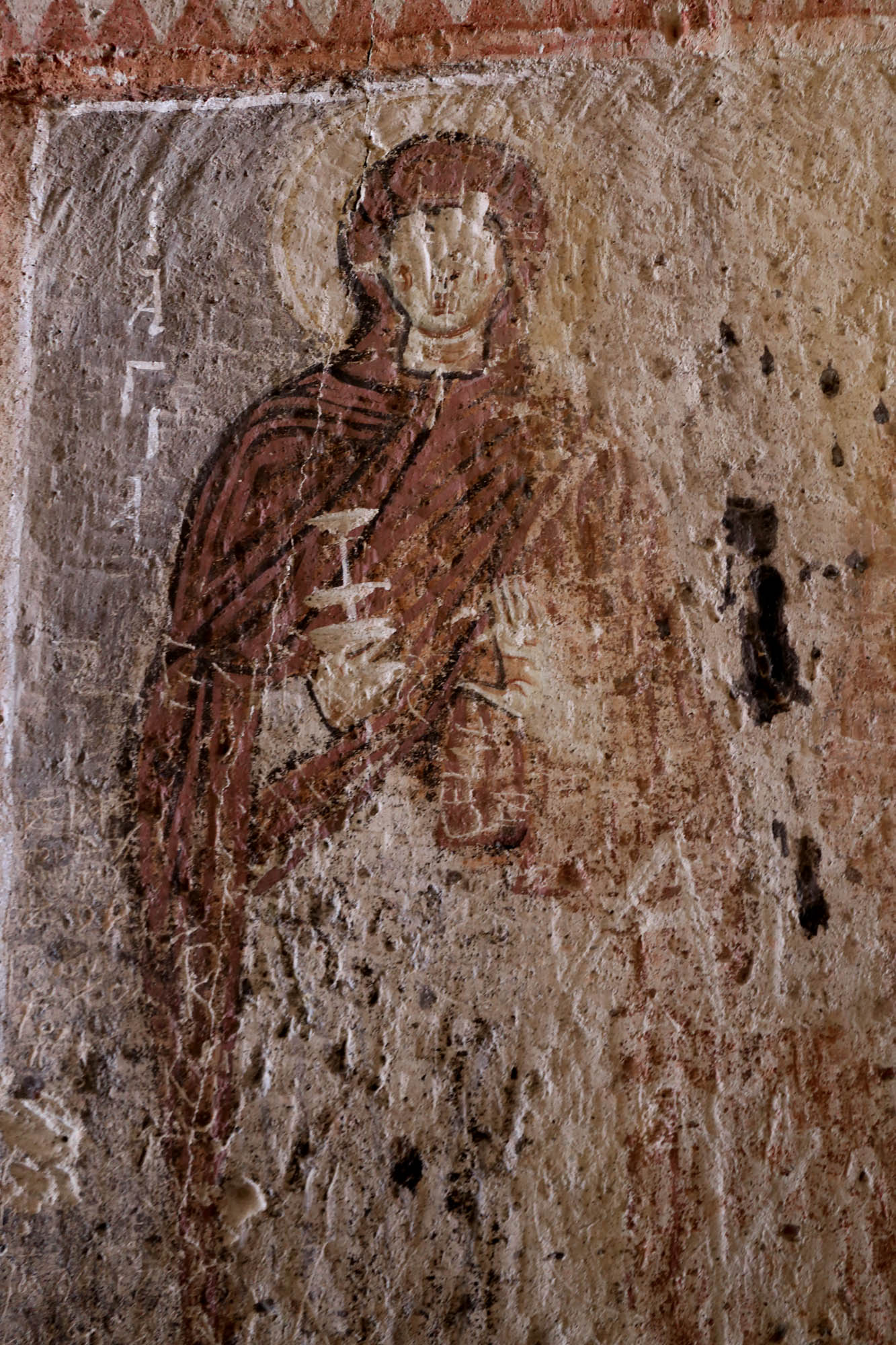
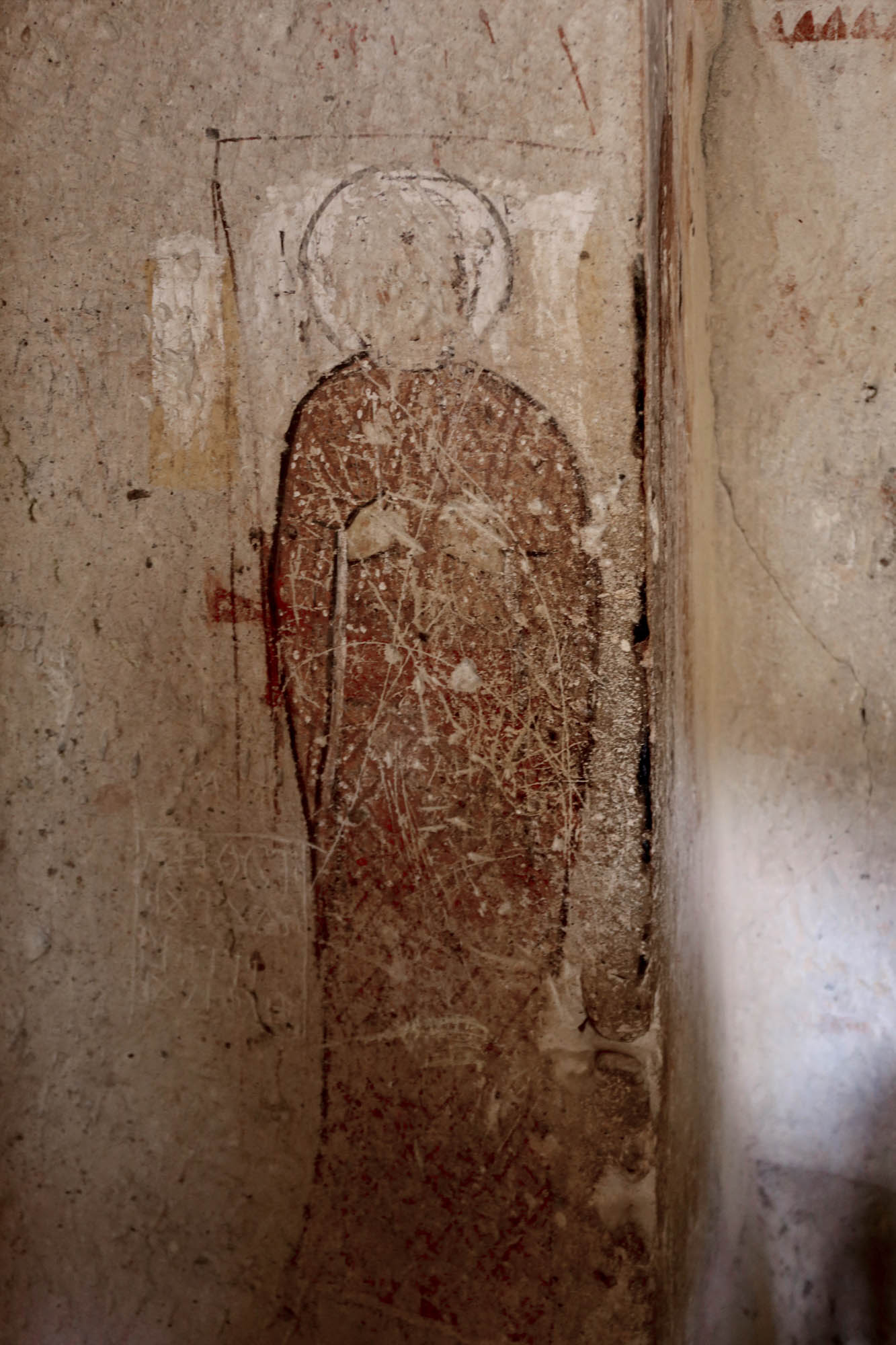
To the left of the two female saints, on the wall that turns at a right angle and then heads north again, stands a third female saint: Saint Barbara, the martyr and patron saint of builders, miners, and metalworkers. This chapel is named after her, although it’s not at all certain that it was originally dedicated to her.
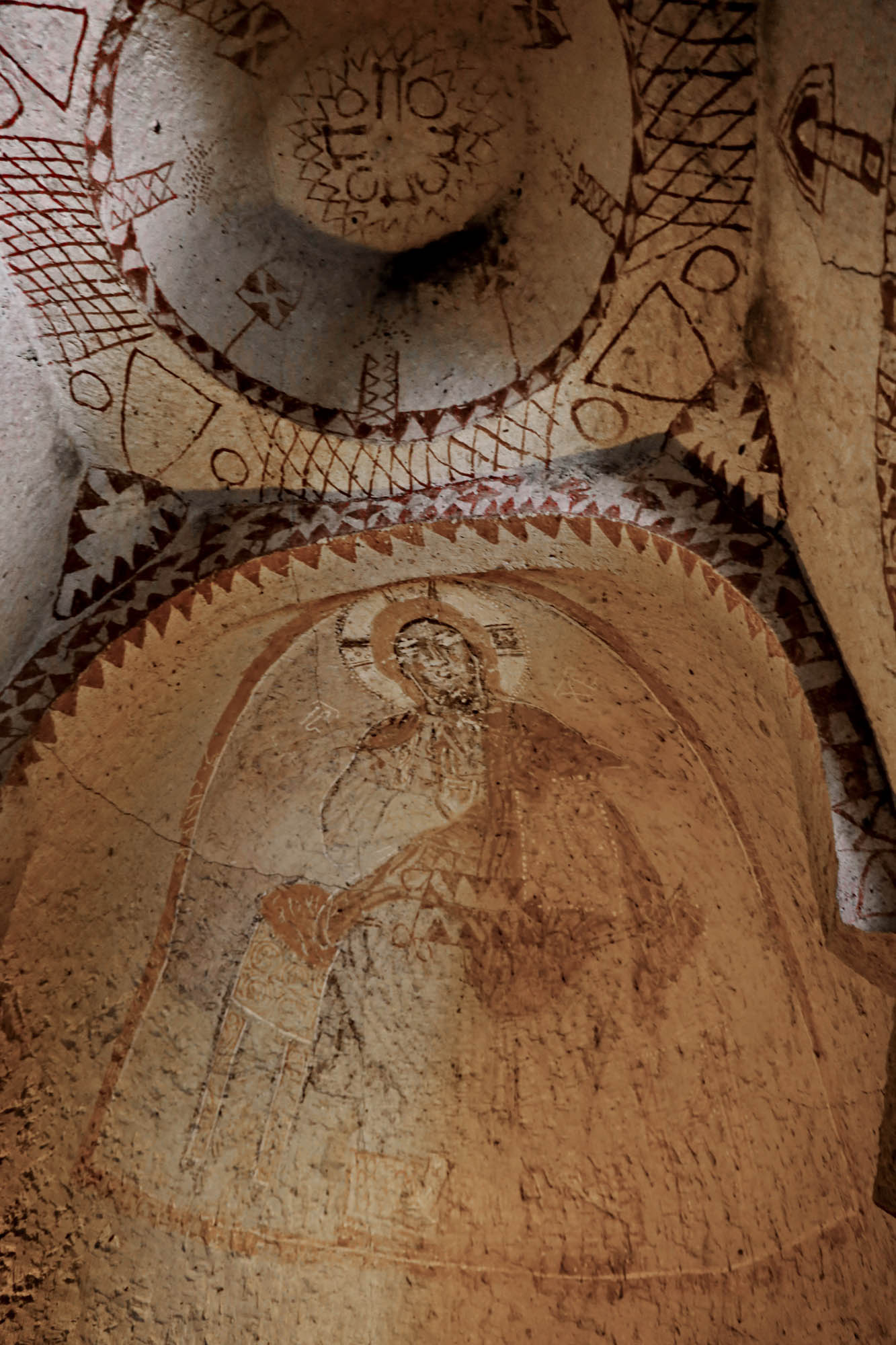
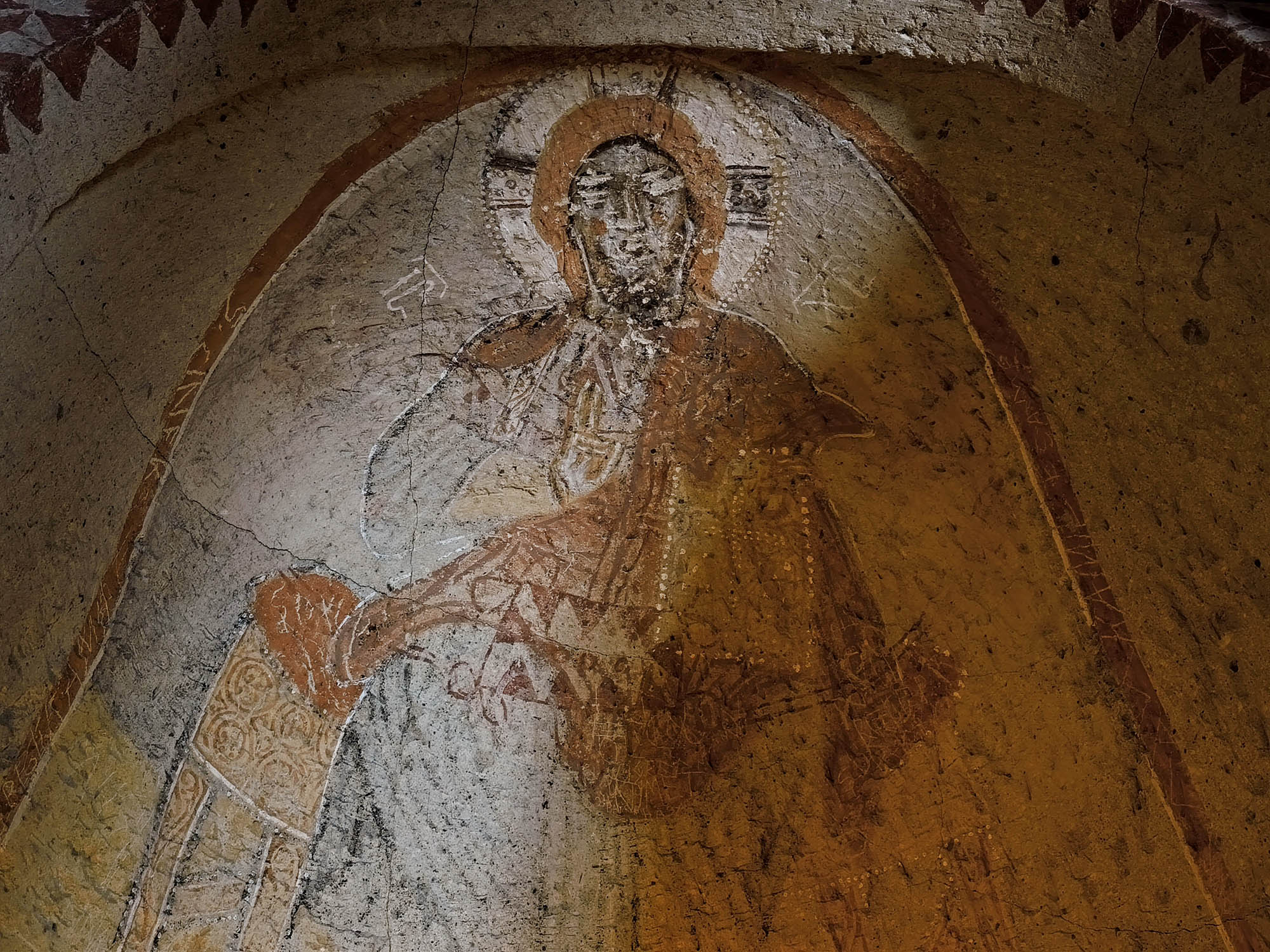
Finally, in the central apse of the three, Christ Pantokrator fills the entire wall, seated on his throne, raising his hand in blessing and holding a cross-topped book in his left hand.



Add comment