

SHAHMERAN TELLS THE STORY
There once lived in Beirut a Jewish scholar named Ukap. He was wise—though not entirely. One day, he began studying the seal of the Prophet Solomon. He read the Torah, black books, all kinds of written documents, inscriptions carved in stone, and in doing so he uncovered strange and hidden secrets.
He learned that the Prophet Solomon wore a signet ring on his left hand. With this ring, he held power over all animals, jinn, fairies, and humans. Whoever possessed this ring could rule the world, just like Solomon. Ukap focused all his dreams on this seal. He wanted to obtain it, to become the ruler of the world and fulfill every desire. He gathered the knowledge of ancient books and searched for the path that would lead him to the ring.
The signet ring rested on the middle finger of Solomon’s left hand.
The body of the Prophet Solomon had been resting on a great throne for centuries.
This throne stood in a vast cave, on a distant island beyond the sea.
To reach the island, one had to cross seven seas.
And to cross those seven seas, a special herb was needed—well known, visible, yet mysterious, its true value unknown to anyone. If you poured its brew onto the surface of the water or rubbed it onto your feet, you could walk across the sea as if walking on solid ground.
To find this herb, one first had to find Shahmeran.
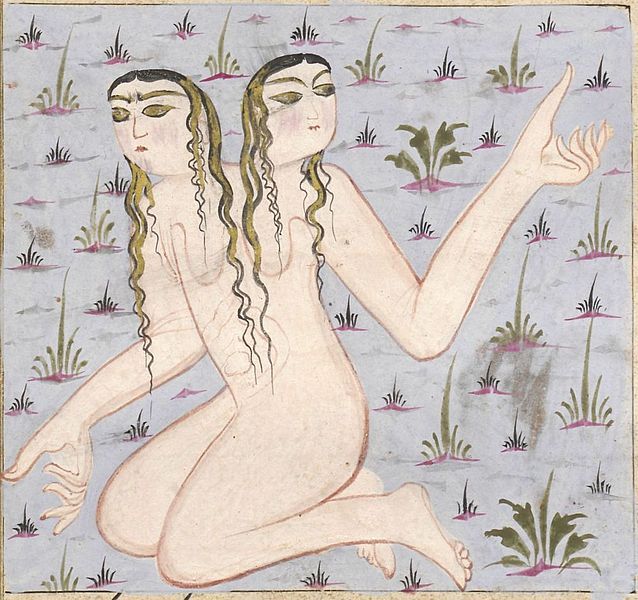
Shahmeran, before whom every creature revealed its secrets and its purpose.
In other words, the path to Solomon’s seal led through the realm of Shahmeran.
And so Ukap’s first goal—what he sought above all—was my hidden dwelling.
Belkıya’s fame had spread far and wide in Jerusalem. He was known as a well-traveled man of experience, wise and devout. Crowds gathered around him, eager to hear his stories. Distance has always held a kind of magic for humans—faraway lands and distant countries have forever been part of our dreams. In distance, one finds the images of death and time.
Ukap was there too, among those gathered around Belkıya. He listened closely, trying to piece together the gaps in the stories. He suspected that Belkıya might have seen Shahmeran and could know where to find her. Slowly and carefully, he revealed his thoughts to him. It seemed as if they were equals: one knew the location of Solomon’s seal, the other that of Shahmeran. If they combined their knowledge, the world itself could fall into their hands.
Ukap was driven by insatiable desires. His heart was like a vast, swirling vortex—it wanted to swallow the entire world. He hungered for power. And like all who crave power, he was desperate and unhappy; his life was weighed down, and people did not love him. He constantly felt that all humanity owed him a great debt. He carried an endless anger and hatred toward life. He knew much, had read much—but all for himself, for his own desires. His knowledge was empty, devoid of love and virtue; he knew everything only for his own sake. And so his knowledge came to nothing—it bore no fruit and ultimately suffocated him.
His entire world was made up of himself and his desires.
But Belkıya did not see Ukap’s true face. Love had blinded him. He could have used me as well—but then what would remain of love’s truth? The force of Ukap’s thoughts enchanted Belkıya. He believed that searching and finding were one and the same.
And so he betrayed me.
Not because he had forgotten his promise. No.
But because he believed that any means were justified to reach his goal. A goal that permits all means can no longer remain itself. Belkıya did not understand this either. He was ready to use anyone, anything for the sake of his aim—but what remains afterward? This, he never considered.
They arrived on the island in secret. In an open iron chest, they placed a crystal bowl filled with milk, and another with wine, then they waited. I am Shahmeran—part serpent—and I could not resist milk or wine. First I drank the milk, then the wine, and soon I fell asleep. When I awoke, I was inside the chest, in the middle of the sea. I realized then that I had been trapped—I was a prisoner.
I still hadn’t seen those who had kidnapped me.
(And for a long time, I didn’t.)
From the box, I spoke:
“Oh, you who have taken me captive! What is your goal? Why have you kidnapped me? What do you want from me?”
Ukap answered:
(From now on, he would always be the one to answer.)
“Oh, Shahmeran! Do not fear! We will harm neither you nor your people. You are not our target, only our means. We are seeking something—a plant. Just help us find it. Once we have it, we will return you to where you were. Do not worry. You are not our prisoner; you are our guest.”
“What plant are you looking for?” I asked.
“One that allows you to walk on the sea as if you were on land,” said Ukap.
“What will you do with this plant?” I asked.
“We will cross seven seas to reach Solomon’s seal. Then the whole world will be in our hands. We will rule over the world, the entire world…”
That’s when I understood that Ukap was a victim of his own passion. That passion would burn and destroy him. Those who wish to rule the world ultimately perish in their own fire. This is their greatest sorrow. We have seen it, and we will see it again.
Those who think they can control the world experience the greatest illusion: the fervor of the people, their blind obedience, intoxicates them. Power blinds them quickly; they see nothing else. That is the end.
I tried to imagine Ukap with a pointed chin, a sharp beard, large bulging, timid eyes gazing at the world in wonder and doubt; every wrinkle expressed an unsatisfied passion, his hands trembled, and neither his intellect, skill, nor character was enough for his desires. What would happen if such a man ruled the world? We’ve already seen examples, and we will see more.
“You are not our prisoner; you are our guest,” he said.
This enforced hospitality lasted exactly forty days. We wandered over mountains, stones, gardens, and meadows. Finally, we found the plant. They immediately brewed it and applied it to their feet. That’s how humans could walk on water.
That’s when they freed me from the box for the first time. That’s when I first saw Belkıya. Everything became clear.
When we faced each other, he lowered his head.
I felt no longing at all.
This was not the Belkıya I had loved.
“I told you, Belkıya,” I said, “man betrays.”
He did not utter a single word.
His remorse wasn’t obvious, but the pain was there.
4.
Even amid the betrayal, Belkıya’s distance from Ukap became clear: he realized he had betrayed me and caused me pain. I knew Belkıya’s shame would fade. Once he left this place and freed himself from the awareness of my existence, he would forget everything. (He had already done so before.) Love had blinded him. He thought I didn’t understand, or perhaps he didn’t even see it as betrayal. Yet betrayal, once begun, no matter its source, taints everything and everyone.
“Abandon Solomon’s seal,” I told him. “For its time has not yet come. It will not be yours. It belongs to everyone. You could not bear it. Such limitless power demands limitless responsibility, awareness, and virtue. Indeed, unlimited power can bring anyone among humans to ruin, yielding to their weaknesses. That is why it belongs to everyone. Moreover, it is not beyond the seven seas, but right before your eyes. And in life, humans least appreciate what is right in front of them. For example, while wandering with me over mountains and valleys, you failed to notice the opportunities you missed; your eyes were so blindfolded that you saw nothing beyond the thought you were fixated on; hence you failed to notice far more important and greater possibilities, for your eyes were focused only on the plant you sought.”
“What opportunities are you talking about?” Ukap countered, his wide eyes red with blood.
“Capturing me is no simple feat. Since you succeeded, you should have used this rare chance in your life wisely. In the places we visited, we found hundreds, thousands of plants. All spoke and revealed their secrets.
One said: I am the plant of youth; whoever brews and drinks my water will never age. Didn’t you hear it?
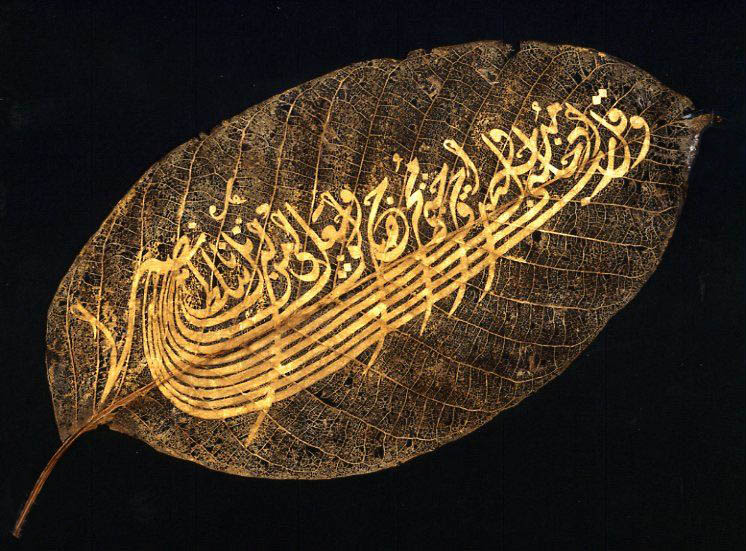
Another said: If you apply me to anything, it turns to gold; you will never be poor. Didn’t you hear it?
The third said: I am the plant of eternal life. Eternal life is granted to humans. I am the oldest dream of humanity. Whoever drinks my water will never die. Didn’t you hear it?
You didn’t hear because you focused only on what you were seeking; your ears heard only what you wanted to hear.
You desire Solomon’s seal so much that even if you obtained it, you wouldn’t know what to do with it, how to use it. For those whose lives are built solely on desires, the goal does not exist. The goal constantly changes. The absolute is desire, in any form. Thus, desire, contrary to appearances, is aimless. I say for the last time: abandon Solomon’s seal. If you cling to it, your fate is death!”
Ukap pleaded for us to turn back and search for these plants. His eyes shone with penitence and fire.
But I only smiled at his pleading.
“Every trap can be used only once,” I said. Then I added: “Opportunities are like traps.”
I spoke to Belkıya one last time, independent of Ukap:
“Are you determined to go there?” I asked.
He nodded; his gaze avoided mine. I understood that he would follow the path and take the risk.
“Belkıya! You don’t realize that you and Ukap are not seeking the same thing. You love, he doesn’t; he loves no one and nothing. That’s why I want to give you one last kindness. One final piece of advice, just for you: If you make it there, don’t try to take Solomon’s seal; let Ukap act. Only then will you understand why. This is the one and only thing I can do for you. Remember my words.”
And so they drifted across the sea like two blue Bedouins, disappearing into the horizon.
I watched them for a long time.
But which Belkıya was the one who left?
Leaving them alone in the dead-end of their adventure, I returned to the ifrits. I told them what had happened. Since our location had been discovered by humans, we had to move to a new place, a new secret.
The ifrits and my snakes pondered for a long time. Then we arrived at the place you’ve seen. Long, quiet years passed there.
And now, once again, a human has set foot on our land; suspicious, frightening days are ahead. They will no longer show us their faces openly. On this land, humans have brought every creature under their control, except themselves. They cannot master themselves; they hide their strength and weakness. That is why we do not want to face them. We will remain hidden until the day of our awakening.
I had already come far in my training.
My heart was weighed down by feelings I was uncertain about sharing with my master. I don’t know when I began to feel my master as a rival, or as a threat to my own existence. One day, while he was telling the Shahmeran stories (probably during Belkıya’s betrayal or the search for Solomon’s seal), he suddenly rose from his workbench; slowly lifting himself, turning his back to me, I saw his back—as he continued his story.
In that moment, I realized how close he was to death. His back was bent, carrying a slight hump, his hands light, his body heavy. The part that curved backward seemed to secretly merge with the hump. With a sly sense of satisfaction, I thought of his death. The master will die. Before my eyes appeared the immortal Shahmeran images he had drawn. Those beautiful images now had to be recreated by me.
How awkward, almost tormenting these feelings were, yet painfully real. I loved the master deeply.
For the first time, I experienced the desire one might feel to kill the creator, teacher, and shaper; that mad longing to become one with him by ending him, to take his place. Not really “experienced,” more like “sensed.”
Later, as our master-disciple relationship deepened, I realized that the greatest obstacle to my existence was the master himself. I stand in the shadow of a mighty oak, and I will always remain there.
At the same time, I wanted most of all for the master to see how much I had become a master. I wanted him to witness something that would never happen in his own life, a kind of “second death,” for him to see.
I still had much to learn to understand that the most important thing in mastery is patience.
JAMSAP’S QUESTION
Jamsap, who had been listening closely to the Shahmeran story, paused here. The story always returned to the same point: human betrayal.
“Oh, Shahmeran!” said Jamsap. “You are right, I am human too. You feel distrust toward me. But you know, your ‘testing’ is merely doubt. You do not know me. You only know Belkıya, and you compare all humanity to her.”
“The cost of testing is very high, Jamsap. It is not only about my own fate. If it were only about my fate, perhaps it wouldn’t matter much; but remember, the fate of all my subjects also depends on this. My death carries with it the joy of our awakening. If I die too soon, prematurely, it is of no use. Just as Solomon’s seal cannot yet fall into human hands, my death must not happen. I must wait for the right time, do you understand?”
“But while I am here, you cannot truly know me, Shahmeran. Friendship not yet tested is false trust. I live in your space, under your rules. Of course, my existence (or my friendship) may give you some sense of security. Empty, superficial. True love carries the fear of loss. This feeling makes love more than a mere object. Send me away, Shahmeran, test me, give me the chance to prove that humans are not always like Belkıya. As long as you keep me here, I cannot learn this.”
“You are still very inexperienced, Jamsap! Too confident. You have not tested yourself. How do you know who you truly are? True, you live in my space, under my rules. But will not the rules of the world eventually change you? Will they not drive you to betrayal? What arises on earth and water—how much can remain secret? What can you keep? You want to share me, this place, what you’ve lived and seen; but such a tale cannot remain hidden, Jamsap. A word, a hint, and all dissolves. That is why I do not want you to live in doubt, Jamsap! No one can entrust their fate so fully to another.”
Jamsap understood that Shahmeran would hold him back a while longer, not letting him go easily.
“Do not worry, Jamsap,” said Shahmeran. “By summer we will cross to the land beyond Mount Qaf. Since you have already begun the story, live it fully. See the lands beyond Mount Qaf—they are far more beautiful there, more enjoyable, more pleasant. Until then, each evening I will tell you a part of Belkıya’s story.”
“How long will this last?” asked Jamsap.
“For a thousand nights of tales,” replied Shahmeran.
SOLOMON’S SEAL
The story spanned a long time.
Belkıya and Ukap moved across the deserted, uninhabited sea like two blue Bedouins, crossing the seven seas.
Finally, they reached the Island of Solomon, arrived at Solomon’s cave, and came to Solomon’s throne.
Belkıya remembered Shahmeran’s words: do not reach Solomon. But Ukap, who had longed for this moment for years, moved forward without hesitation.
As they approached Solomon’s island, Belkıya thought of the Dream Island.
He thought of Solomon’s dream. Of those who guard his dream, of those who await it. How can one sleep in such a strong light? Doesn’t sleep need darkness? How many more miles remained, yet the light emanating from the island swallowed the sea, the distances, the dreams.
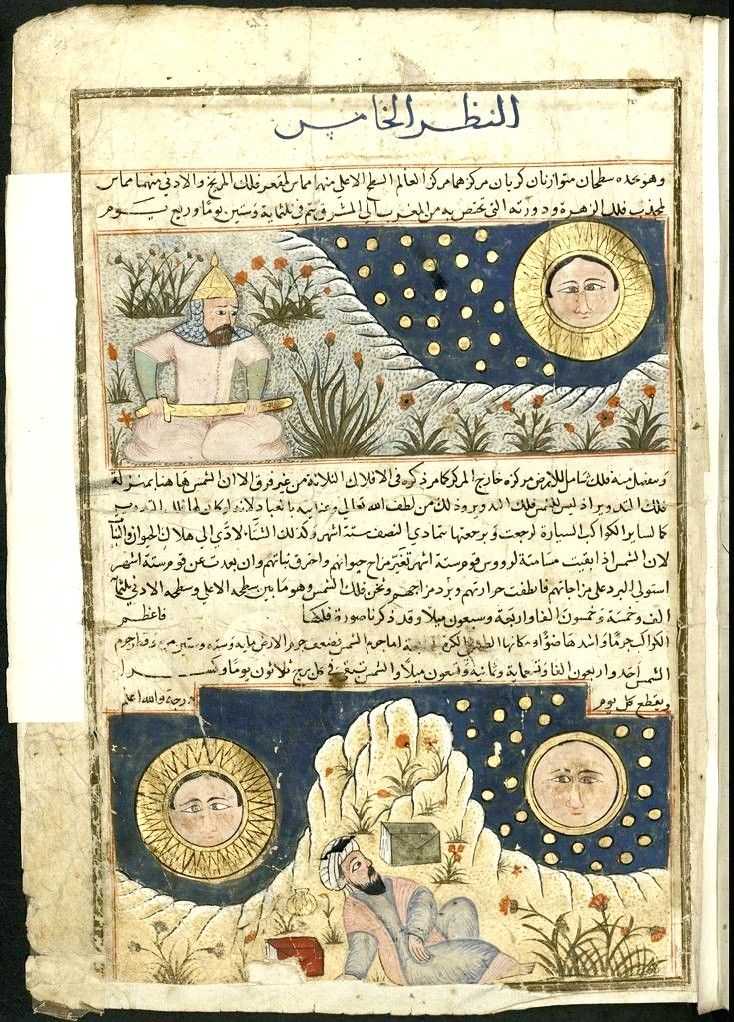
As they neared the island, they gradually got used to the light and felt its sharp intensity.
The cave was surrounded by dense, lush vegetation, a jungle-like forest, biting salty wind, and the scent of a thousand spices. Dazzling light enveloped them in every direction. They were close to being blinded. Their eyes had to adjust for a long time—it was like adapting to darkness. Only then did they understand how Solomon could sleep.
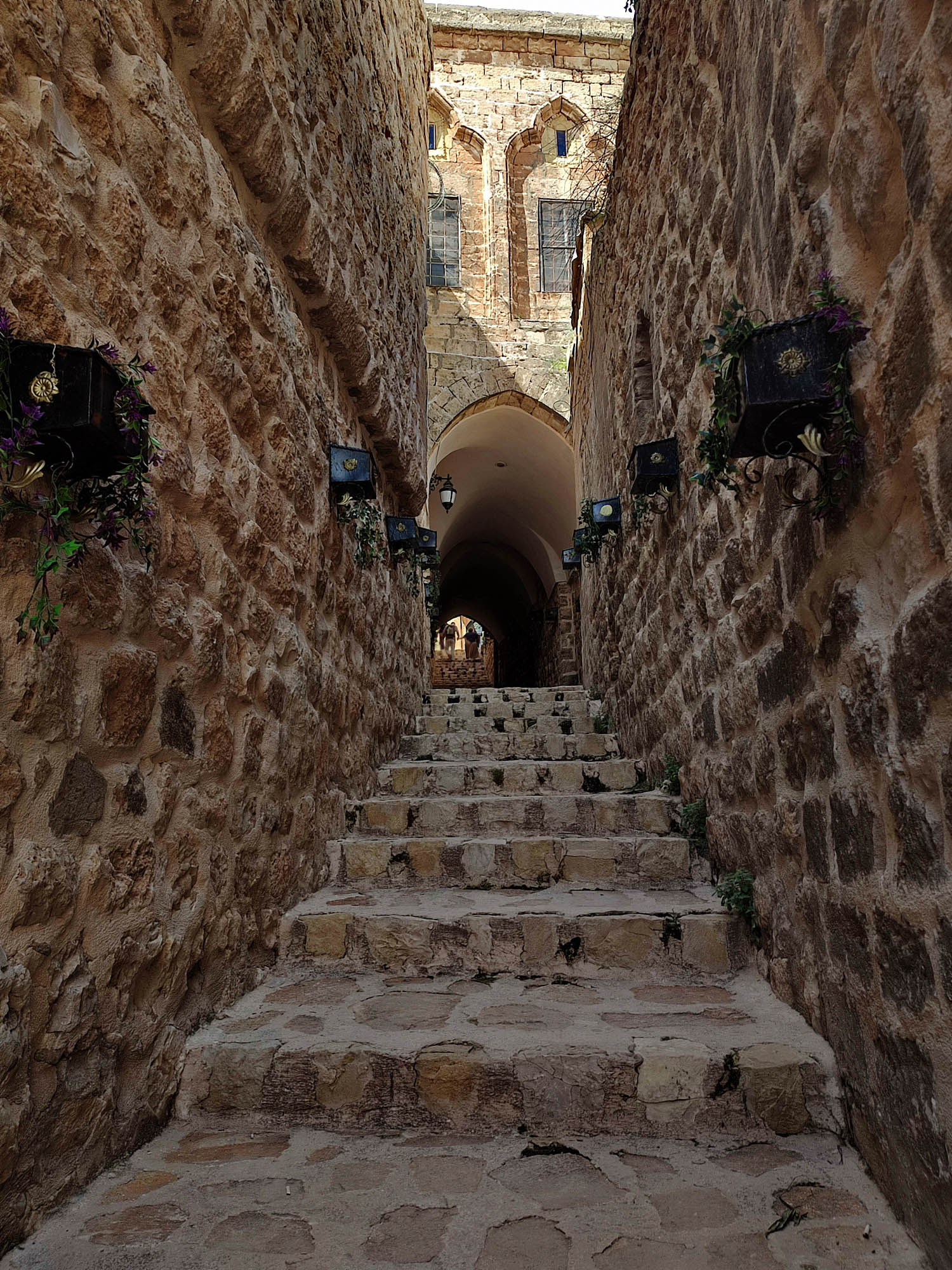
They moved forward slowly. The mouth of the cave was covered by a huge, terrifying spiderweb. (Later, in the sacred texts, many prophets, especially the last messenger’s hiding place, were said to be covered with this web.) They carefully filtered through it and entered. Cool air, long awaited, struck their faces.
Opposite them, on a huge golden throne, lay the prophet Solomon. He did not lie as one dead, but as if sleeping. The beauty of death illuminated his young, lively body. The interior of the cave was palace-like: floor-to-ceiling heavy curtains, silks, velvets, gold embroidery, mother-of-pearl, carvings, marbles, and tiles surrounded them. The cool breeze occasionally stirred these, amplifying the enchantment.
He slept as if embraced by death, his copper-toned skin darkened by sunlight becoming translucent, his silk garment open to the chest. His hands were clasped over his chest in waiting. A faint smile rested on the curve of his lips. His death was tied to the fate of the seal.
The world was in endless slumber; all awaited awakening.
In his hands, the seal—made of a diamond-like stone radiating light in all four directions of the world—glowed in a ring shape: first illuminating the cave, then the island, the seven seas, and finally the entire world. It was a light awaiting the right time, the course of history.
As they approached the seal held between fine, long fingers, Belkıya recalled Shahmeran’s warning. A sharp pain pierced his heart, pulling his feet back. Ukap, however, forgot everything, trembling completely. Now he stood before Solomon’s seal, the dream he had cherished for years just a few steps away. Only a few steps separated him from all his dreams. He was just about to touch the ring when, with a massive, earthquake-like roar, a giant dragon appeared. Its breath carried the heat of hellfire. Its angry eyes sparkled as if standing at the gates of hell.
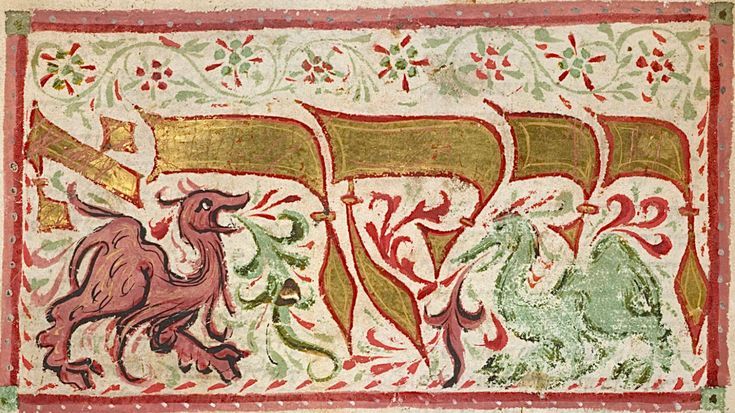
On one side, the blinding light of the seal and its call; on the other, the fiery light of death burning in the dragon’s eyes.
For Ukap, it was merely a visual dilemma; desire blinded his eyes. Thus, he continued toward the ring. Belkıya sensed what was about to happen, but he was already powerless. Ukap was heading not toward the seal, but toward death.
When he took the last step, the dragon’s growing, thundering breath enveloped Ukap’s entire body. Belkıya saw last how the fire wove through Ukap, smoothing away into nothingness as a thin, translucent flame.
That was it.
That was everything.
This brief disappearance—was a whole life lived for nothing? His body, which had defined his entire life, transformed in seconds into a thin, flame-like translucence and dispersed into the air.
Suddenly, a deep, clear, mysterious voice sounded from behind the columns, resembling Ukap, but not Ukap—a massive shadow:
“Oh human! Why do you risk your life for things whose time has not yet come? The time for the Seal of Solomon will arrive. Humanity has already proven it cannot handle this filthy, bloody matter. It will take years to reach this source of light. If you seize it, you could use it for evil, bringing an end to mankind. With your premature passion, you invite the destruction of your own kind. Learn from this, and now depart from here!”
Belkıya understood Shahmeran’s words.
Now he understood.
Then he stepped out of the cave and onto the shore. He had never felt so alone. Thin sand, endless sea.
(How difficult was the return! How long and distant were all returns!)
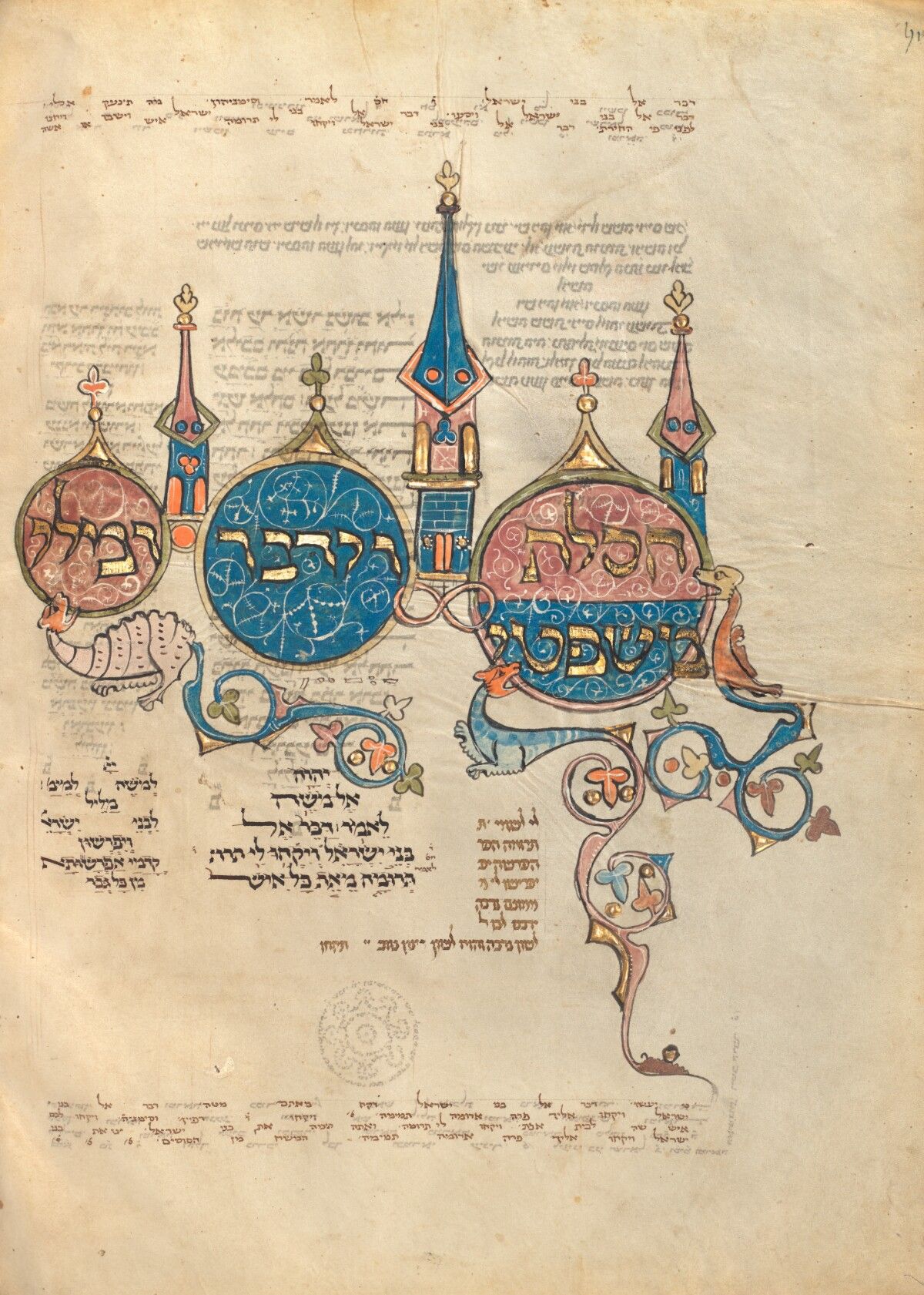
He was alone, completely alone. And before him lay the story of nothingness.
Beyond time, space, and all thought.
There was nowhere to go.
There was nowhere to return.
A long, very long journey lay ahead.
But he felt extremely tired and exhausted.
He exhausted all his paths.
JAMSAP'S QUESTION
“How can you know what happened after you left Belkıya and Ukap on your own island and then departed? How do you know all of this?”
Shahmeran smiled: “You are right,” he said. “But remember, Belkıya entered my life. I was curious about what happened to him, how his life unfolded. Those who take different paths at a crossroads are naturally curious about each other’s fate. I was also interested in his fate. Years passed. I sent one of my jinn to his palace. In the palace’s great hall, during a large gathering, the grand vizier read aloud a book describing Belkıya’s life in front of the palace dignitaries. It seemed Belkıya had nothing left to do but recount to others what he had experienced.
My jinn took the form of a pure white horse and carried the vizier on its back directly to me. I took the book from the vizier and sent him back. Belkıya secluded himself in a monastery, living an ascetic life. He wrote alone, working without pause for years. What I have told you are my interpretations based on what I heard.”
Jamsap exclaimed:
“But why did you let the vizier go?”
“I needed the book he carried. I wanted to obtain Belkıya’s life.”
“And weren’t you afraid the vizier would betray you and reveal your whereabouts?”
“There is no bond of love between us for him to betray,” Shahmeran laughed. “Betrayal is only possible when love is present. That’s why I will not let you go as easily as a vizier.”
One of the ifrits knelt and tried to speak to Shahmeran, asking him to release Jamsap and let him return to the earth, to his homeland.
“It is not possible,” said Shahmeran. “At least you must not learn forgiveness!”
BELKIYA’S JOURNEY
Belkıya sailed completely alone, in solitude, for days, weeks, and months across the sea. He had never experienced such deep despair. A chasm of pain pulsed in the depths of his heart. Eventually, he reached another shore, another coastline. He stepped onto a long, honey-colored steppe, among endless sand dunes that glimmered in the golden sunlight as far as the eye could see.
Infinity was truly endless.
It seemed he was standing on the threshold of the story of a new void.
As he moved across this desert for a stretch, he glimpsed two armies of battling jinn. Such visions had haunted him since childhood: honey-colored shore, especially the scorching sun, the dreamlike presence of fighting beings, and the ease of killing and death.
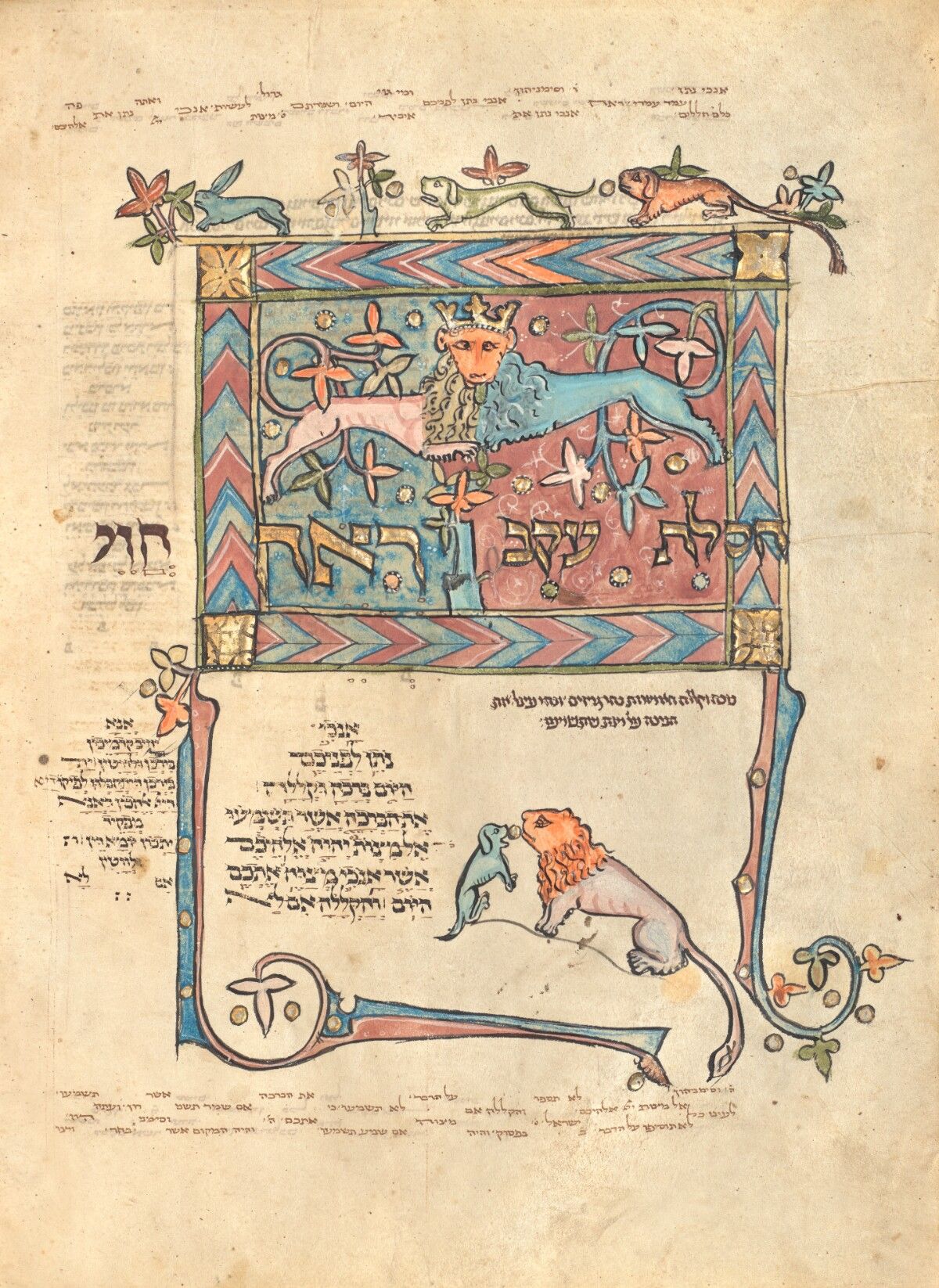
For a while he watched their battle: lifeless bodies falling into the sand, blood quickly absorbed and dried by the sand; weapons resembling spears, axes, and arrows; the deadly, endless battlefield.
It was as if all of this was happening outside of him, as if he had lost the sense of touch.
All this held his attention for some time, then suddenly everything went silent. Every sound and image blurred. Perhaps the battle ended with one side’s defeat, or they just paused. How close had Belkıya been to death, how far removed from it? After experiencing all this alone, death was beyond all boundaries; Belkıya was outside of everything.
Then they saw Belkıya pressing a seashell to his ear, waiting for a sound to free him from the silence. He was brought to the commander and recounted the events he had lived through. When a person recounts their life to another, they become alienated from their own story, and how easily they become another person. When he finished, Belkıya asked for free passage to continue. The jinn army’s commander studied him closely, then for seven days and seven nights hosted him, observed him, learned about him, accepted him, and believed him. At the end of the seventh day, he brought forth a sky-blue horse.
“This is my horse, and it can travel six months’ distance in one hour. This horse will take you to the country of Vizier Amr. He will leave you at the border of the people.”
Belkıya thanked him, mounted the horse, and after flying over clouds, cold winds, and high mountain peaks, reached Amr’s country within an hour. Amr recognized the commander’s horse and asked Belkıya what he desired. Belkıya recounted the events. As he spoke, he distanced himself further from the experiences he had lived. He became another person again. I believe what motivates Belkıya to write his life is the alienation he feels while narrating it and the joy that comes from that detachment.
Vizier Amr hosted Belkıya for seven days and seven nights. Then, on another horse, he personally escorted him to the border of the people. Afterward, Amr returned.
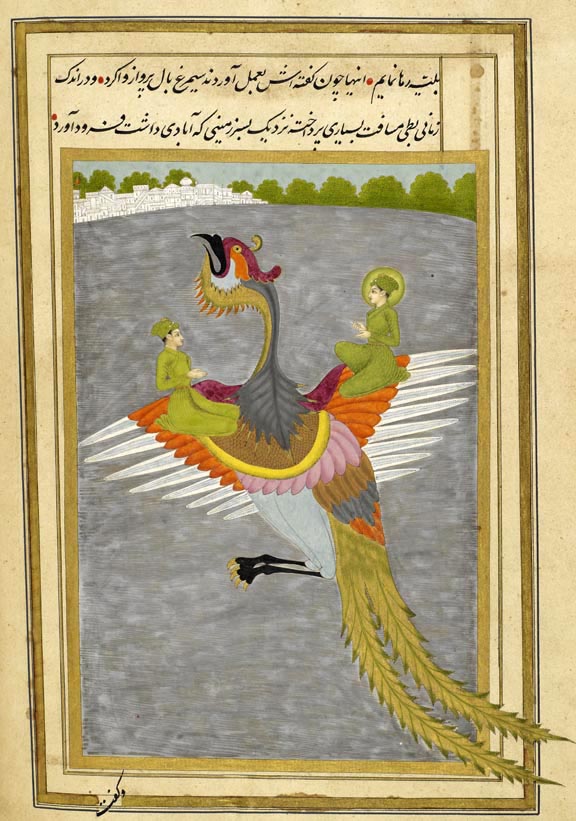
They spoke not a word on the way.
Belkıya once again stood at a threshold.
JAMSAP'S QUESTION
Jamsap said:
“A person can only truly be happy among his own people. This is true for every living being in nature. Yet here I am, completely alone. No matter how well I am hosted, I will always remain a stranger among you. I am someone else. The Other. You will never know what it feels like to live constantly as a stranger; to feel that you are always an outsider, and how exhausting that is. To live at a distance that no closeness can bridge.”
Shahmeran smiled:
“And do you know what it means to live in hiding, Jamsap? The tension of living underground is no less exhausting, believe me. My entire empire is the size of this garden. Beyond the garden, almost everything is fraught with danger for us. I didn’t know that being here with me would make you so unhappy,” he said.
“Please don’t misunderstand! I am not unhappy because I am with you. On the contrary, it makes me very happy. The source of my unhappiness is that I am here.”
“But you cannot be elsewhere with me.”
“Some loves exist in their impossibility, Shahmeran,” said Jamsap.
“Who knows, perhaps love itself is an impossible thing, Jamsap,” replied Shahmeran.
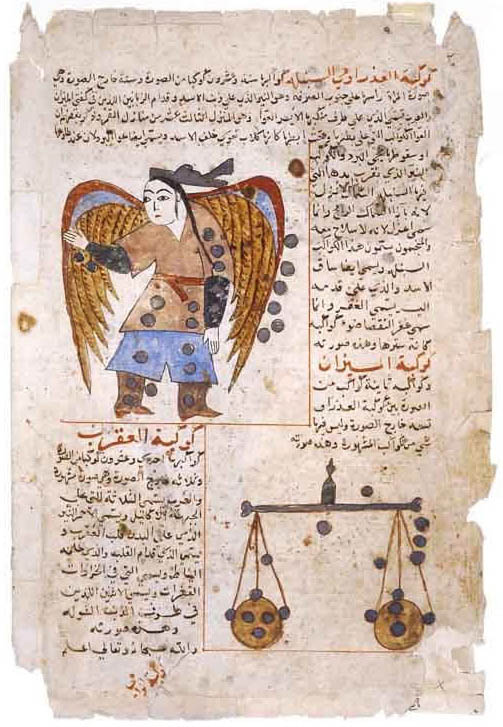
There were times when I loved my master deeply, and other times when I hated him.
Why? I don’t know exactly. Various feelings swirled in my heart. It wasn’t just because we did the same work—I understood that early on. It was more than that; something created by our relationship. In a short time, a bond formed and strengthened between us. Like any bond, it was exhausting. My love and hatred for my master filled me with fear. Both were so intense that they quickly transformed into each other, causing torment. The intensity of these emotions ran through my being, upending everything, and made me angry. I no longer recognized myself. It was as if I had slipped from my own hands; my self had changed, and I never returned. I resisted something, that much is certain. I feared something. Growth? Love? Change?
I owed much to my master. My gratitude was mixed with guilt. The weight of this burden began to oppress me. My master, who had shaped my personality in my youth, eventually faced the reactions of my own character.
My relationship with my master was like that of a father and son. What I could not experience with my father, I lived with my master. He filled the absence of my father. The fact that I did not distinguish my father’s place from my master’s led to jealous anger and destructive gratitude.
My master and the stories he told began to dominate my entire life. My life slipped from my hands. The reds of the Shahmeran figures I drew deepened, the lines became harsher, and you could feel the tension before battle.
I sought a way to escape.
Belkıya, on the other hand, sought a path to return.
BELKIYA AT THE GREAT WALL OF CHINA
Belkıya continued his journey alone. He overcame some hills, crossed some rivers. He asked the giants, fairies, and djinns he encountered about the way. Most of them were reserved and slightly melancholic. It was hard to understand why each had become a giant, a fairy, or a djinn. They looked tired, worn, and gloomy. It seemed as if they had turned away from all the worlds.
Eventually, Belkıya reached the Great Wall of China.
Its top reached the sky, its length extended to the horizon, and no passage was visible. It seemed to separate him from all worlds and all people. Belkıya felt his sense of touch strengthen within him. He had not touched anyone or anything for a long time (not even the Seal of Solomon). A huge wall had been raised between humans and worlds for a long time; now that he saw this wall, he also sensed the hidden obstacle in his life. Every great dream came with its own curses and adventures.
He traveled alongside the wall for days. No small passage, no gate, no hope opened before him. There was nothing. (He had spent his entire life in front of such a wall, and now, seeing it in the Great Wall, he understood. This wall was a summary of his entire life.)
He walked on and on, and the wall did not end; it stretched straight ahead, without bending or curving. It extended in a straight line to the horizon. There was no sign of how much land or space it covered. It seemed eternal, and this completely disheartened Belkıya.
Here, there were no magical journeys of the giants’ world. He had to face human helplessness directly. He reached the threshold of everyday life. This was a limited, narrow, shallow, monotonous wall. Behind it, life began or ended; he did not know.
Only after days did he meet an old sage.
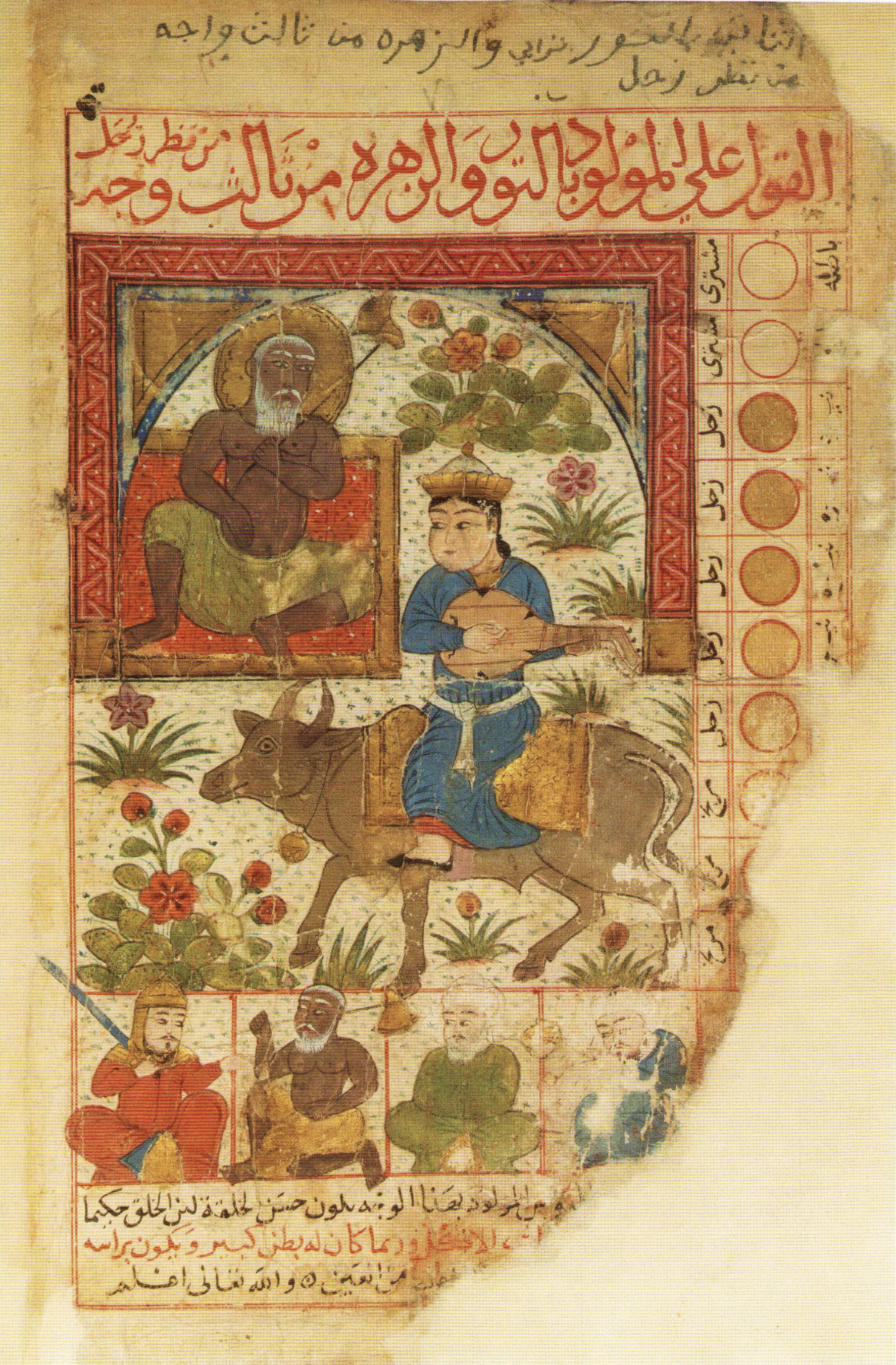
He was the first human Belkıya had seen. After how many years? White-haired, white-bearded, a wise man in a white robe, sitting at a gate’s threshold as if he had been there for a thousand years, muttering prayers softly, looking at the sun, rocking back and forth, then wrapped in a long silence.
Belkıya was overjoyed to see a human and a gate. He quickened his pace, approached the man, and crouched down. The old man told everything in detail, repeatedly.
“This is the only gate of the Great Wall of China,” he said. “It remains closed for three hundred sixty-four days each year. It opens only one day a year, on the day of spring when Zulkarneyn comes and opens it. Then it closes again until the next spring.”
“Spring is coming,” said Belkıya.
“It is coming,” replied the old man.
Belkıya’s heart warmed. He saw one person; on the first day of spring, he would meet many more people.
He touched the man. He examined him thoroughly and carefully.
His fingers shivered.
“Tell me, grandfather,” he said. “It is good to tell stories in solitude; while telling, a person becomes someone else.”
The old man began to tell stories. Every day, they explored the water around the Great Wall of China together.
The old man had read about the water in a book while studying at the Bukhara madrasa. Later, he read other things about it. Apparently, he was among those who wanted to put what they read in books into practice; he began to follow the trace of the water.
The water—called the Water of Life by the ancients—led those who drank it to eternal life, peace, and wisdom. Until now, only one person had been allowed to drink it: the Blessed Saint.
It was transparent, fleeting, and immortal. According to every written source and rumor, the water could be found near the Great Wall of China.
The old man, who had traveled far and grown older searching, now at the foot of the wall, in the final years of his life, with spring approaching, did not give up his quest. When Belkıya said, “spring is coming,” there was a mixture of anticipation and bitterness in the old man’s voice, perhaps even more. He had sacrificed his life to gain eternal life and had been defeated. At the end of his journey, he stood at the gate’s threshold.
On the first day of spring, Zulkarneyn appeared and opened the gate.
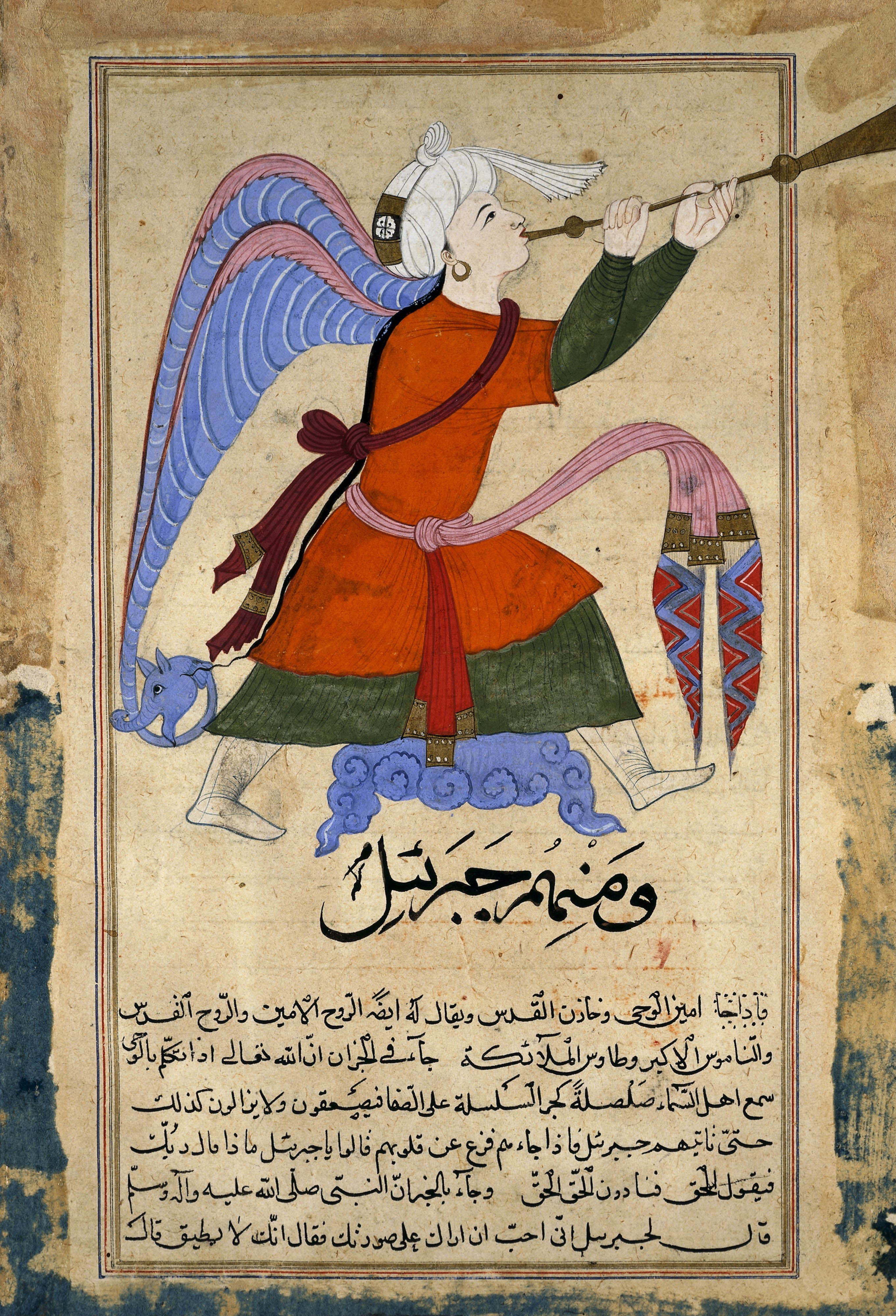
Belkıya was overjoyed to be among humans again. He thought anyone he met would be amazed and welcome him with the same curiosity, wherever in the world he was; yet everyone was absorbed in their own matters, no one looked back. Behind and before the Great Wall of China, he was equally abandoned. Now he felt an even deeper, darker solitude, the chasm in his soul ached.
He set out again. This time, heading home.
Belkıya returns.
QUESTION OF JAMSAP
“He returns,” said Jamsap. “He goes home, lonely as he may be, yet lonely among his own people.”
“I understand, Jamsap,” replied Shahmeran. “I cannot keep you here any longer. In the stories I tell, it is always the returns that catch your interest.”
Who knows, perhaps every story is, in fact, a story of return. My silence is not out of tyranny; I too hope, I too seek a path, a solution. We both suffer.
“But if you wish, you may wait for the end of this story, for we have reached the story of Jihanshah.”
“Jihanshah?” asked Jamsap.
“Yes, Jihanshah!” said Shahmeran. “One of the heart-sweetening, dreamlike love stories of the winter cafés, the quiet courtyards, and the long winter nights. You must hear the story of Jihanshah and his love, Gevherengin.”
Their images hang on the soot-stained walls of the cafés. Now, you will hear this story from me.



Add comment