

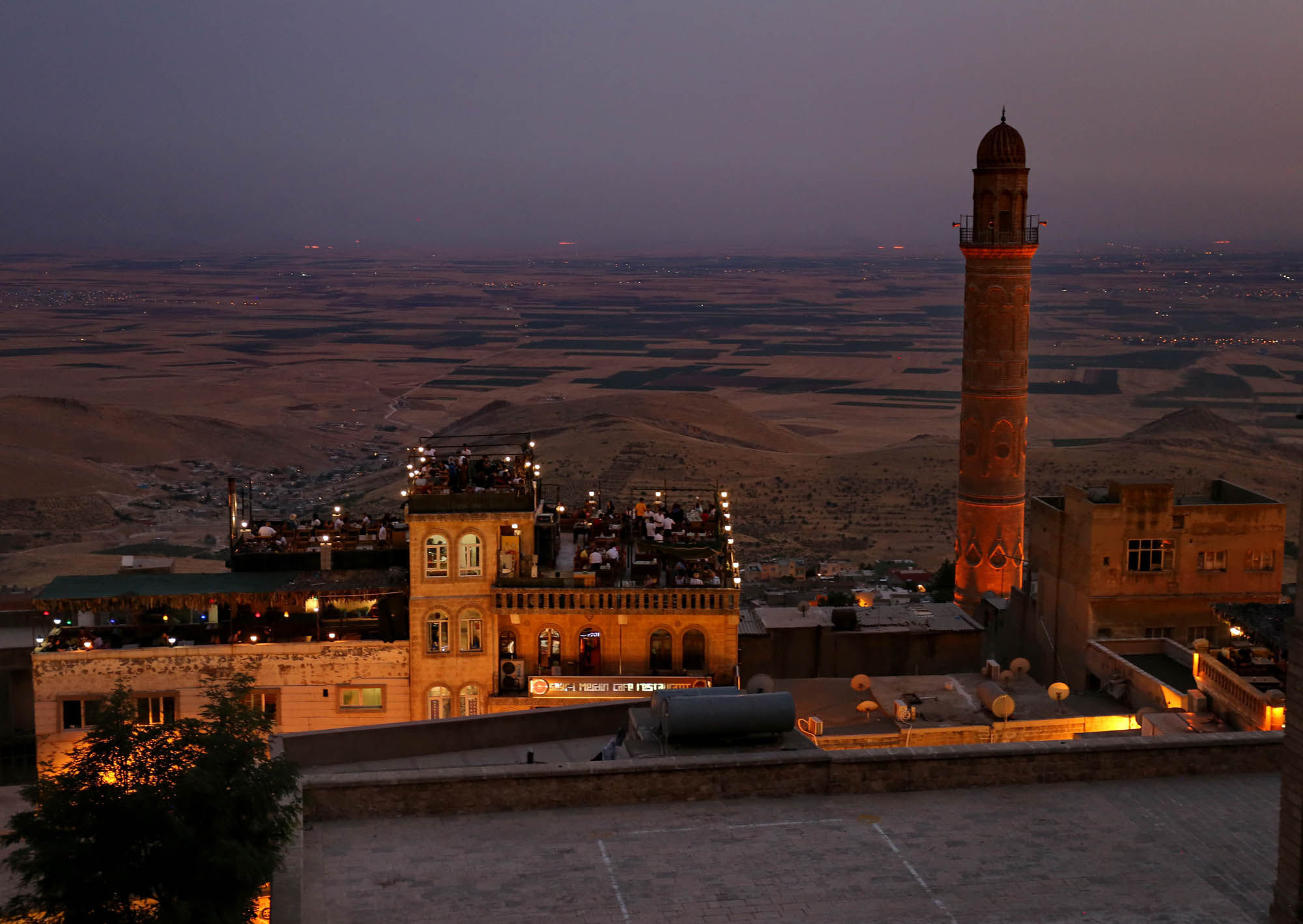
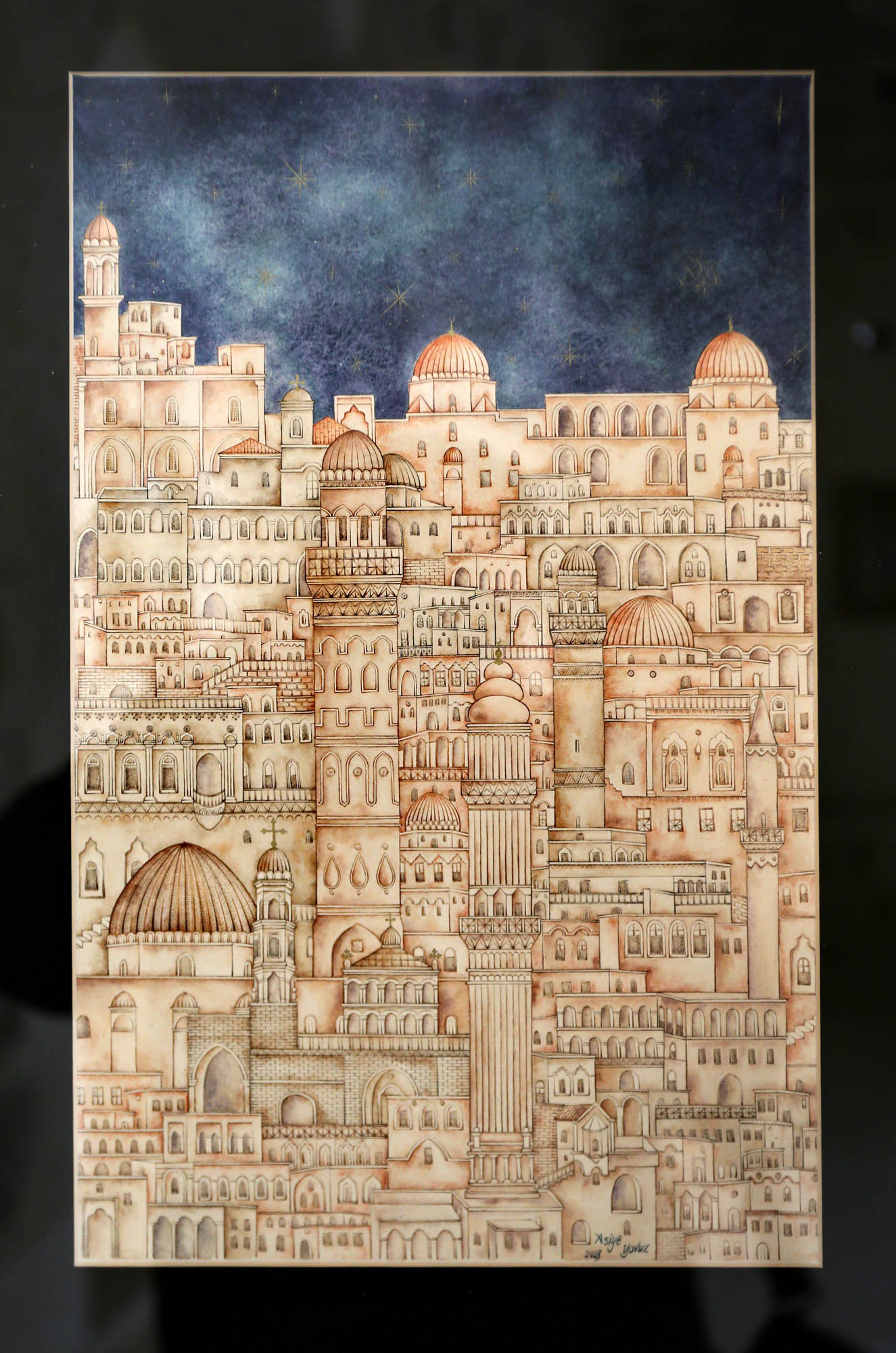
Mardin is a magical city. Its white palaces cling to a steep hillside and seem to float above the Syrian plains, like Magritte’s Castle in the Pyrenees. Wandering among these white palaces, you stumble upon tiny worlds of their own, with intricate histories of people, religions, and families, unfolding—or perhaps folding in on themselves, waiting for the right keys to unlock them, hidden in teahouses, temples, and the bazaar.
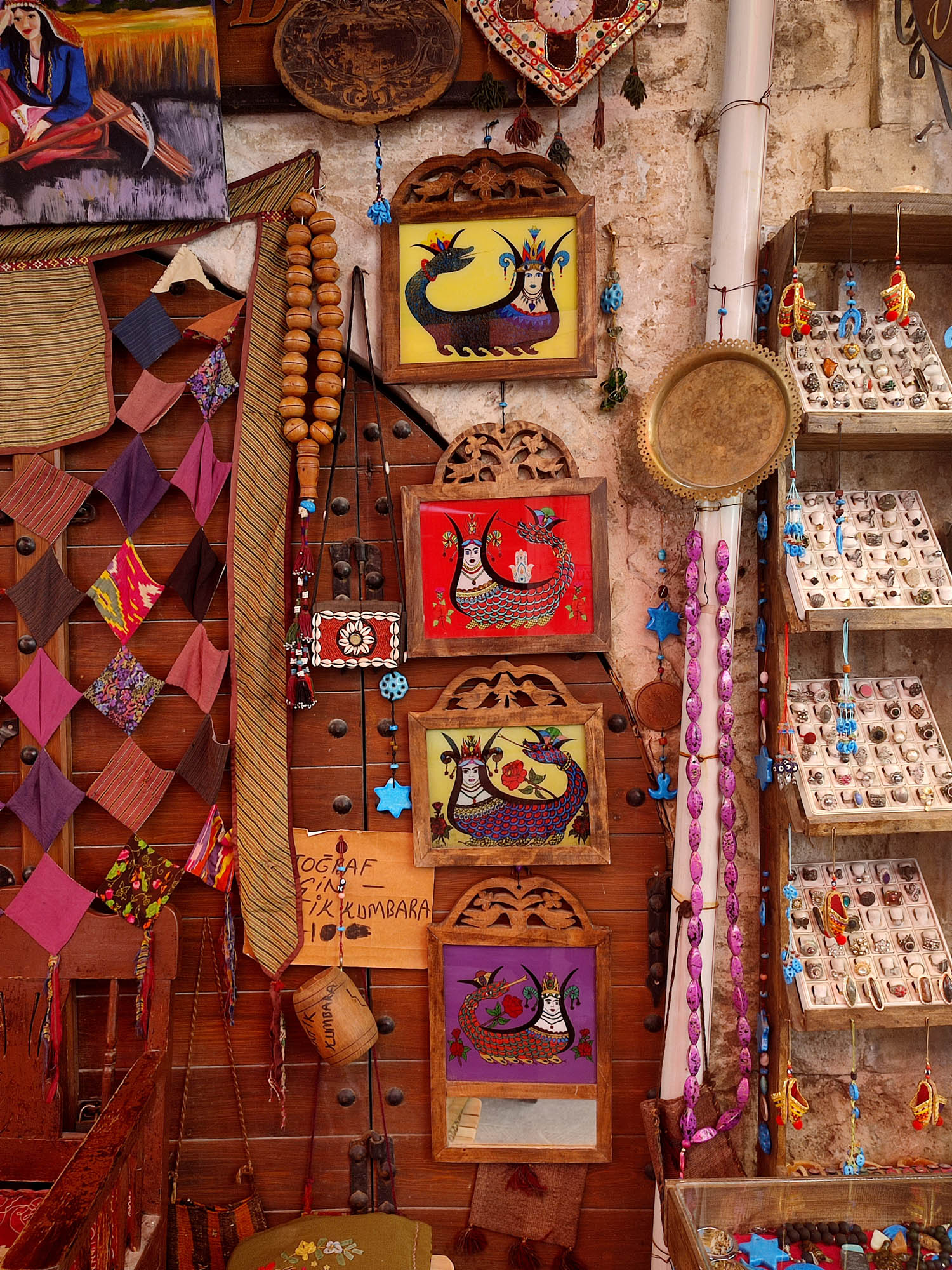
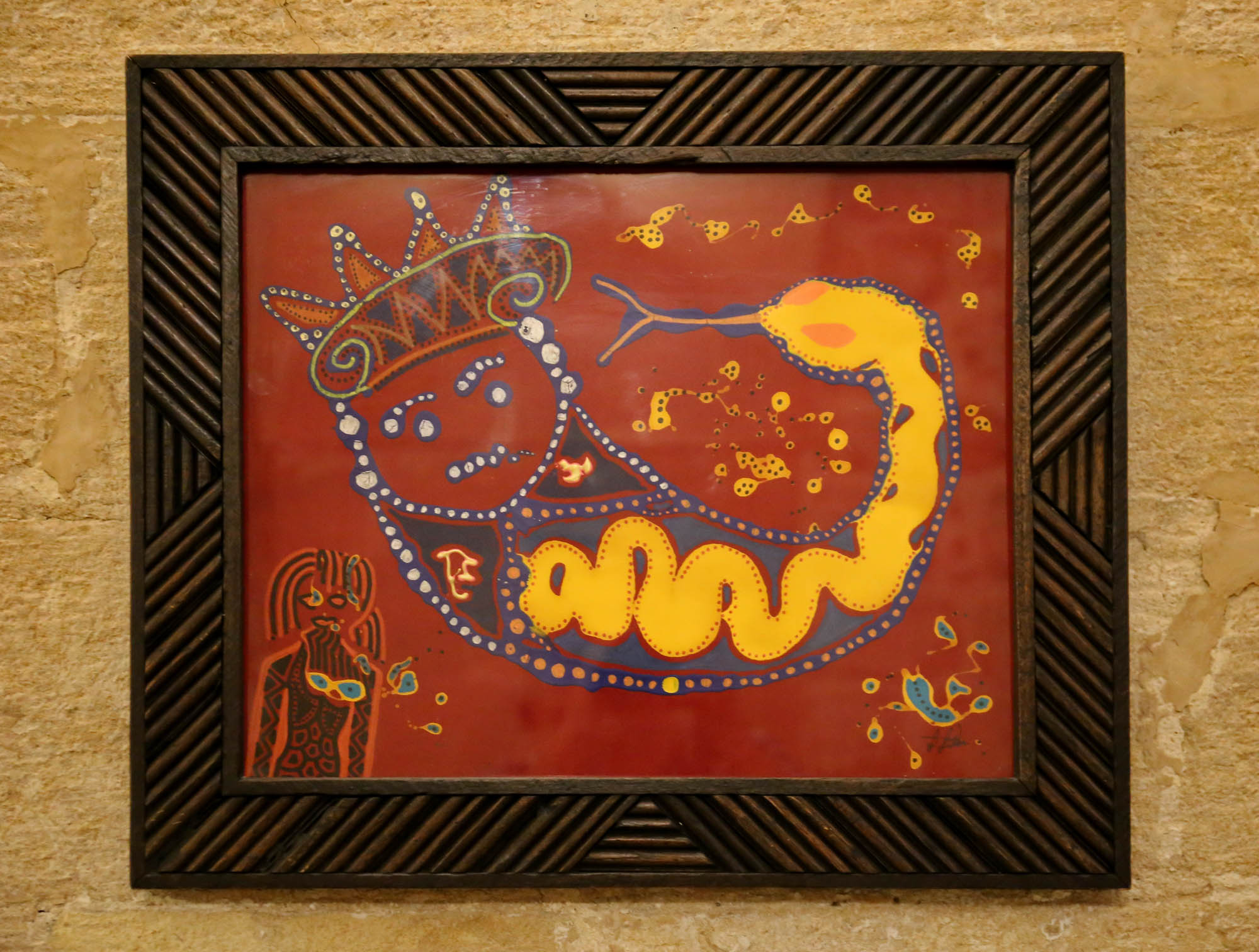
One source of Mardin's magic is Şahmeran, the Queen of Snakes. Her story, which I’ve written about before, originated somewhere here in Mesopotamia, known even in Sumerian sources. But she truly found a home in Mardin, where every house, restaurant, and shop is adorned with her many-legged, snake-bodied, woman-faced depictions.
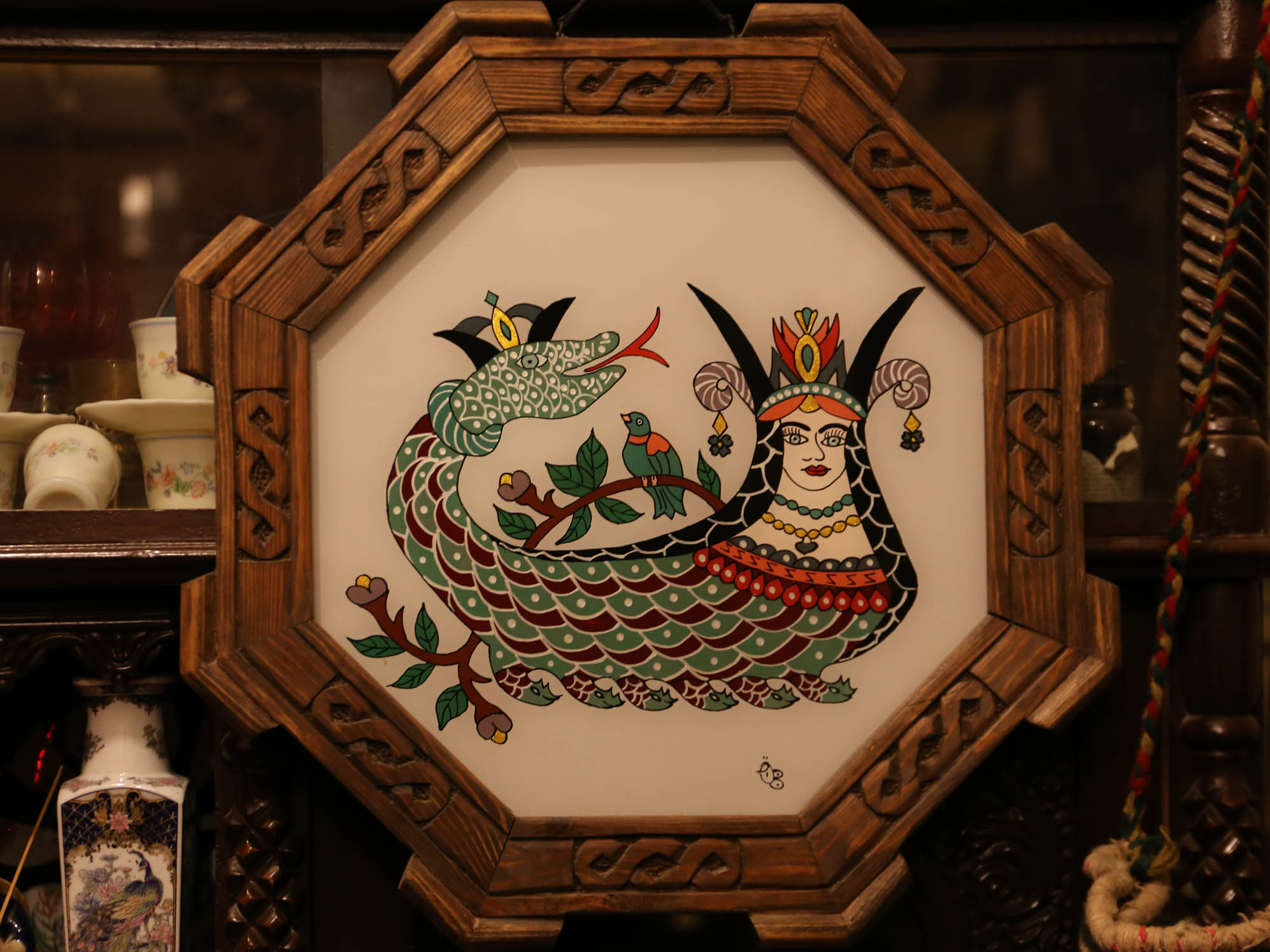
But Şahmeran is more than just folkloric decoration on public walls; she’s deeply embedded in the cultural memory. Exhibitions, albums, and books frequently use her as a leitmotif. Like this novella, The Forty Legs of Şahmeran, included in the 1983 collection Epic Song by Murathan Mungan, a Mardin-born writer of Arab-Bosnian descent.
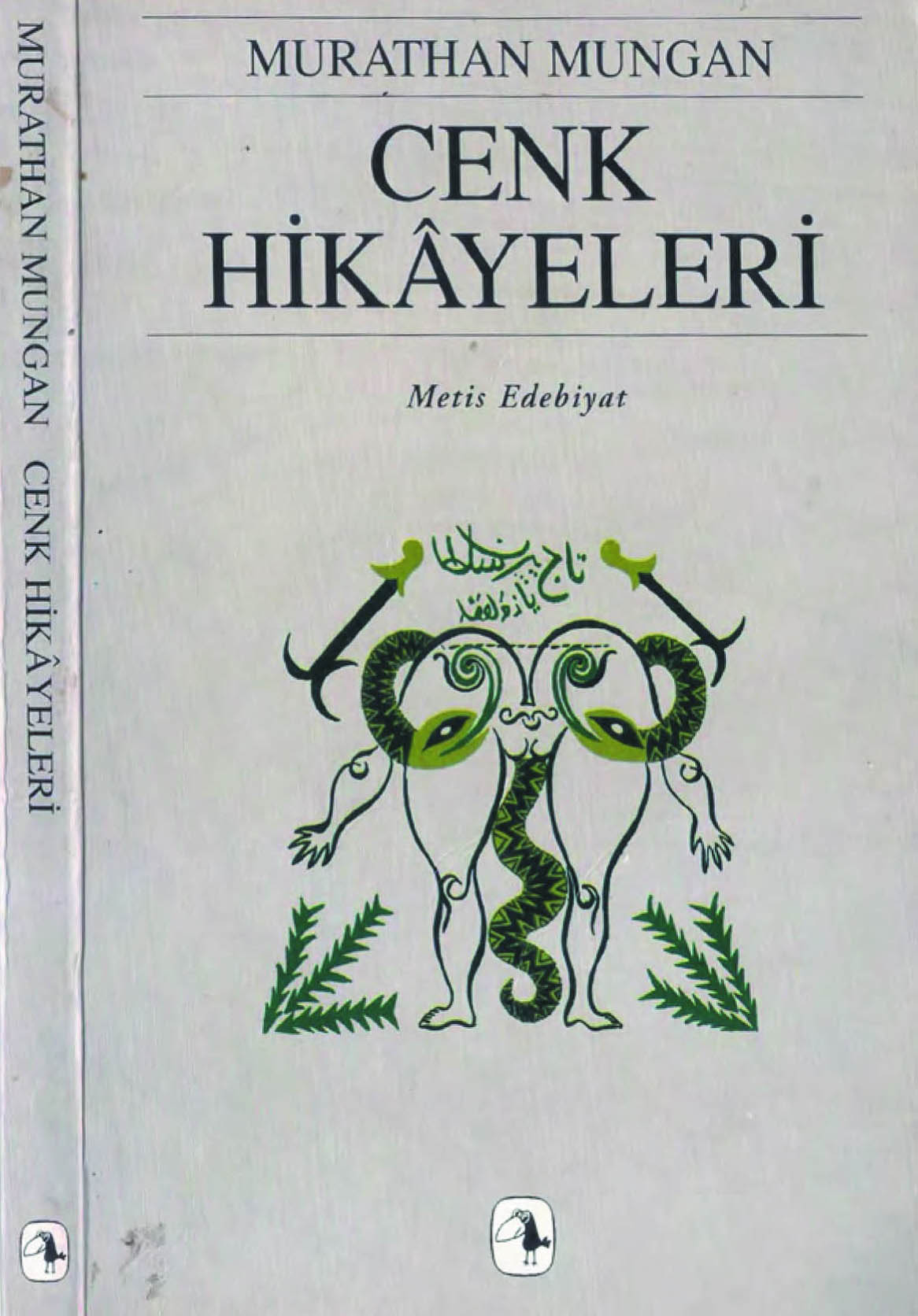
The title Epic Song is self-ironic—a coming-of-age novel that plays on the epic tradition, showing the flip side of such works: the traumas of growing up in a world full of secrets and painful awakenings, framed through the myths and folklore of Southeastern Anatolia, in a setting both mythical and real.
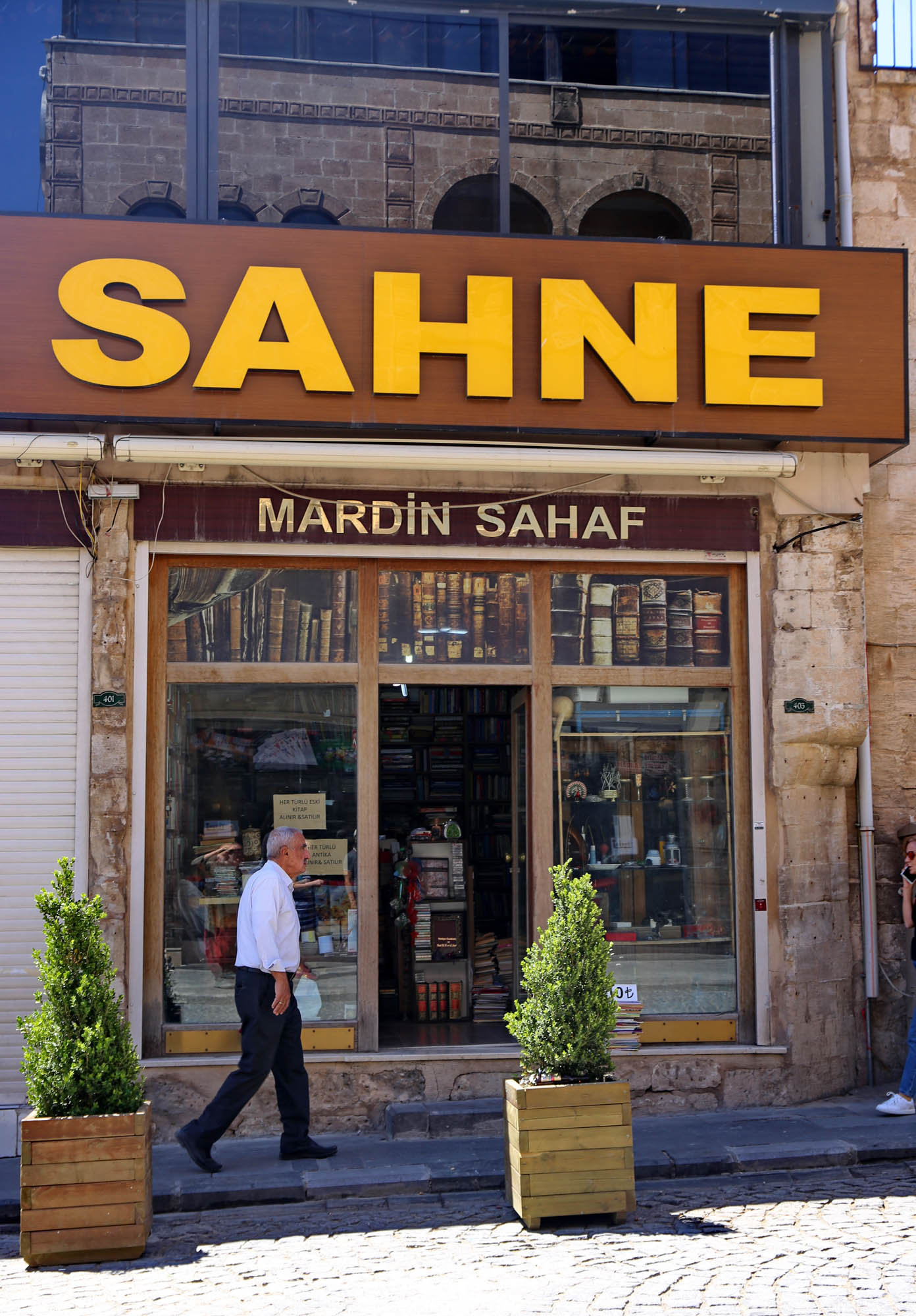
I found the book at the Mardin Antiquarian, run by Hüseyin Gündüz, a Kurdish writer, poet, journalist, and passionate book publisher, who has even faced court for his work. I used to chat with him a lot, but nowadays he teaches Kurdish literary history at a university in Ankara, so his charming Turkish assistant now welcomes me, recommending Kurdish and Turkish poetry collections and novels.
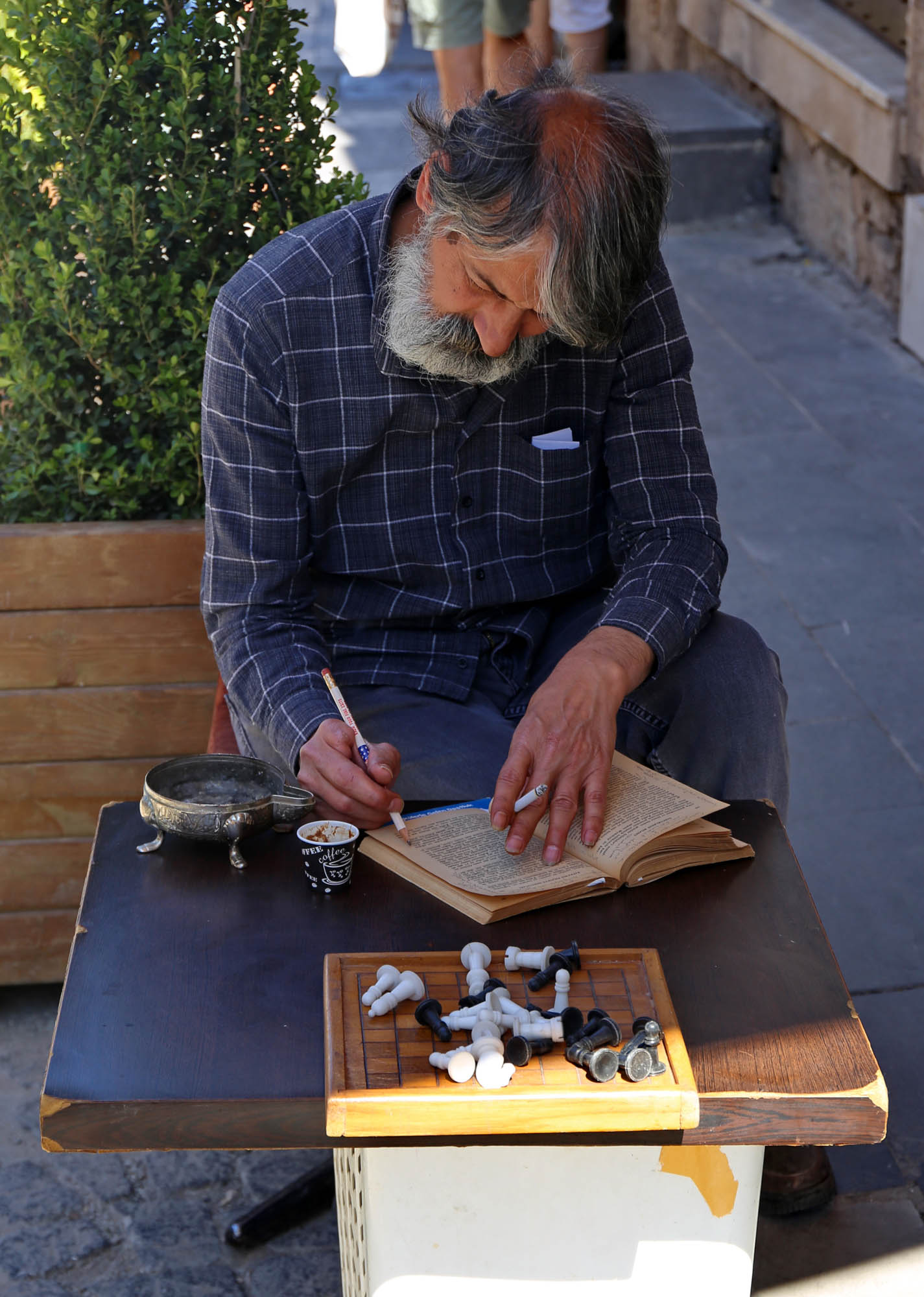
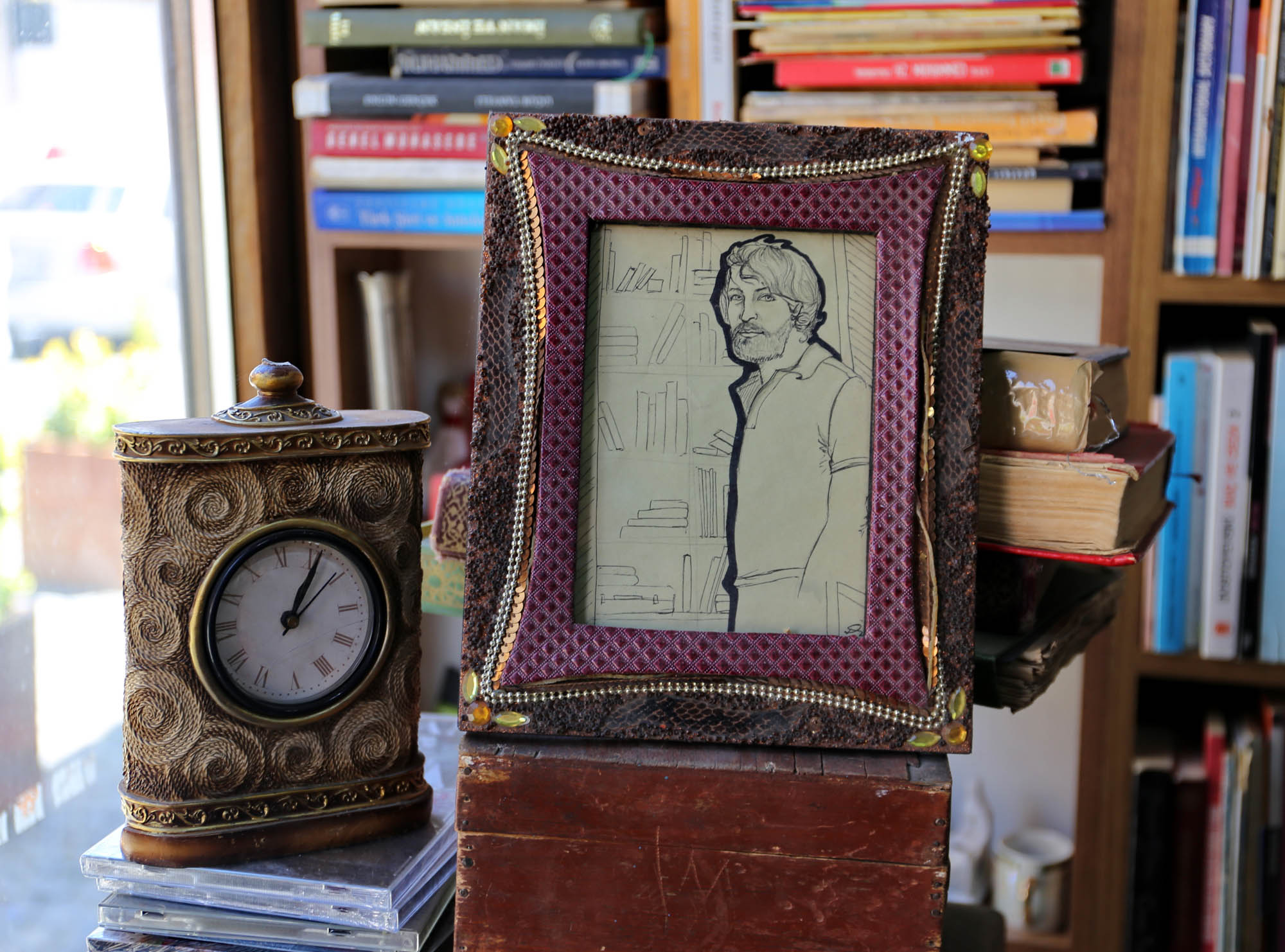
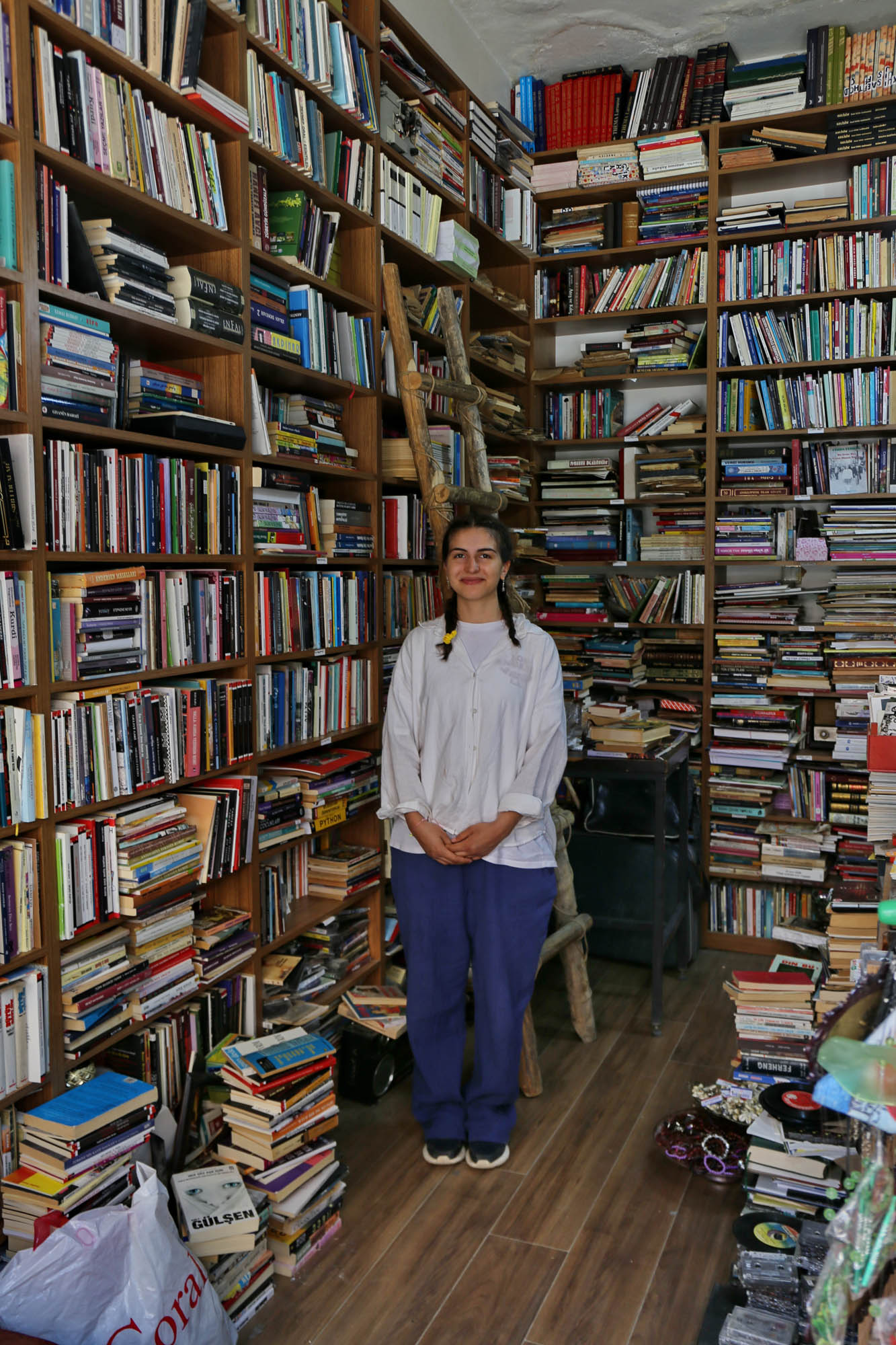
The Forty Legs of Şahmeran embeds itself in a One Thousand and One Nights-like magic perfectly fitting Mardin, showing what it means to grow up and be human here in Southeastern Anatolia—or anywhere else, really. The stories start from the author’s childhood self, then expand into nested tales that convey experiences too painful to recount directly, and in the end, he doesn’t even tell them straight.
I’m translating and posting the novella here in installments.
THE FORTY LEGS OF ŞAHMERAN
1.
My father apprenticed me to the Şahmeran master.
He didn’t want me wandering the streets aimlessly, and if nothing else, he wanted me to learn a craft. He said kids drifting without purpose never end well. Had I known then, I would have told him: kids with a purpose, yet lost, don’t fare any better.
“You’re an apprentice-age child now,” he said.
In our neighborhood, once a kid reached a certain age, they were sent to someone as an apprentice. That was the custom. If a child suddenly disappeared from street games for a few days, we knew they’d become an apprentice somewhere—maybe in the Blacksmiths’ Bazaar, or with the Coppersmiths—who could say? There were rug weavers, kilim makers, cobblers, bakers, goldsmiths, watchmakers… each child was assigned a craft suited to their skills. Some started with tailors, others with shirt makers. Before holidays, when we went to the bazaar holding our parents’ hands, we’d often meet old playmates who’d long vanished from the alleys. For some reason, they’d look away—perhaps a secret guilt they didn’t even understand themselves. Or maybe a cheeky grin, trying to cover what they were hiding… Poverty surely played a role in that guilt, even though we were all kids of the same poor quarter, with the same fate awaiting us. I sensed something made them uneasy in these encounters, so later I tried not to meet their eyes. Standing behind their workbenches, they seemed grown-up—truly grown-up; no longer the kids we’d chased through the alleys just yesterday. Their faces had turned serious. Did we envy them, or pity them? I don’t know. But one day, we’d all be sent off as apprentices anyway.
So now I was officially an apprentice-age child.
“Well, I guess it’s my turn now,” I thought. First, I looked at my hands; they still looked like a little kid’s hands. I tried to read my age and future craft from them—but they said nothing. Then I thought about how tomorrow, the day after, and the days after that, my friends wouldn’t see me in the neighborhood, on our playgrounds. Apprenticeship meant parting ways. Would they miss me? Would anyone miss me at all? Who would ask about me first? Who would notice I was gone first? Or would they just get used to me not being there? In later years, when I felt anxious, sad, or haunted by nightmares, I often dreamt that I had died. In that dream, it wasn’t really my death that interested me, but everyone else’s reactions—friends, acquaintances, loved ones—when they heard the news. Their first shock, their first grief… I immersed myself so deeply in this imaginary scene that after a while, I no longer feared death, and I even felt a sort of joy. As if their reactions were tying me back to life. Looking back now, I feel that the day I was sent as an apprentice to Master Şahmeran, I wanted my friends to feel my departure as a kind of death. I didn’t call it that then—because I didn’t yet know death. Or rather, I hadn’t known it enough to love it.
As for parting: for me, every farewell was a kind of death.
Then, and even now.
I understood that I, too, was being given as an apprentice.
When I stood up from the dinner spread on the floor and sat on the divan, a weight of bitterness, sadness, and heaviness settled over me. I felt as if I already had a craft. Yet it didn’t cheer me; on the contrary, it brought a dark sorrow. “So this is what it feels like to have a craft,” I thought. I imagined that maybe this was why my father returned home every evening with a grumpy face, dead tired. We exchanged glances. I thought we were thinking the same thing; my cheeks flushed, and I looked down.
The next morning, however, everything felt like a game. Holding my father’s hand as we stepped into the street, it all seemed like some kind of sad play. Who knows, maybe our whole life is just a sad play. The streets were empty, deserted; far away were the joyful shouts and noise of my friends filling the space. I saw the street this quiet for the first time. My heart clenched, and I felt like crying. A sudden urge came over me to see someone—anyone—among them, as if for a farewell, a parting greeting. Maybe I feared it would take them a long time to notice I was gone; maybe for some other reason. Perhaps I was only seeking a witness. Yes, a single witness. Maybe all my life I’ve been looking for something like that. But I saw no one on the street; I couldn’t confirm the farewell.
My father said:
– “Cherish your hands, your fingers, your skill. You draw beautiful pictures. If a child your age can illustrate so well, who knows what you’ll be able to draw later.”
I didn’t fully understand what he meant, but it felt good to hear it.
My master’s name was Mahir.
He asked me my name.
I answered quietly:
– “Ilyas.”
– “Do you know Şahmeran?” he asked.
I shook my head.
That evening I asked my father:
– “Dad, what does it mean to be a Şahmerancı?”
– “A Şahmerancı is someone who draws and sells Şahmeran.”
– “And what is Şahmeran?”
It’s the name of that strange creature whose image hung on the wall at my grandmother’s, where we went to give our hand-kisses. We saw it every time. It was beautiful and terrifying.
Back then, I didn’t yet know how something could be beautiful and frightening at the same time.
When I first saw it, I stared for a long while, then looked away. (By that time, my grandmother had forgiven my father and made peace with her daughter-in-law; she hadn’t seen me in ages.) My grandmother—her house, her belongings—had always been intimidating. She never smiled; when she looked into someone’s eyes, it felt as if she could see straight through to their soul. Or at least, that’s how I felt. Strange fate: when I brought her my first Şahmeran painting, she was already dying; a few days later, she passed away. She wasn’t fully conscious, yet she looked straight into your face as if she knew everything, understood everything—she just couldn’t speak. I don’t know if she realized what that panel meant to me; I’ll never know. Perhaps she didn’t even grasp that I had made it. Her illness had shut her into herself… I always feel there’s an unspoken word left for her; I resent her for dying too soon…
When my father spoke, the image that appeared in front of me looked like a man’s body with a woman’s face; under its head, snake legs—forty of them, all snakes; its crown sparkled and was embroidered; its tail coiled all the way up to its head.
– “Am I going to work with it?” I asked my father. “I’m afraid of it.”
– “Can a person be afraid of something they created themselves?” my father said. “Can the beauty you make with your own hands really scare you?”
Yes, it can. Maybe my father didn’t yet know, and maybe he never knew, that a person’s deepest fear often comes from beauty—or from something of their own making. You have to experience it firsthand to understand. I myself learned this much later, one of the many lessons fear teaches.
– “Şahmeran means the Queen of Snakes.”
I froze. I must have sensed something was wrong in the sentence.
– “The daughter of the Queen of Snakes,” I corrected myself.
My master didn’t say a word.
That’s why I never truly understood which version was correct. I still don’t.
My father’s? Mine?
It doesn’t matter anymore.
I swallowed and continued:
– “All forty of its legs are made of snakes,” I said.
– “Don’t say they’re made—say they exist,” my master said. “You haven’t made it yet; we haven’t made it yet.”
A faint, delicate smile spread across his face.
– “All forty legs exist as snakes,” I said. “And it has a large, sparkling crown decorated with jewels on its head.”
Meanwhile, my gaze fell on the Şahmeran images hanging on the wall and lined up one after another on the floor. I counted them individually, when my master asked:
– “Which of these is the Şahmeran?”
Without hesitation, I answered:
– “All of them.”
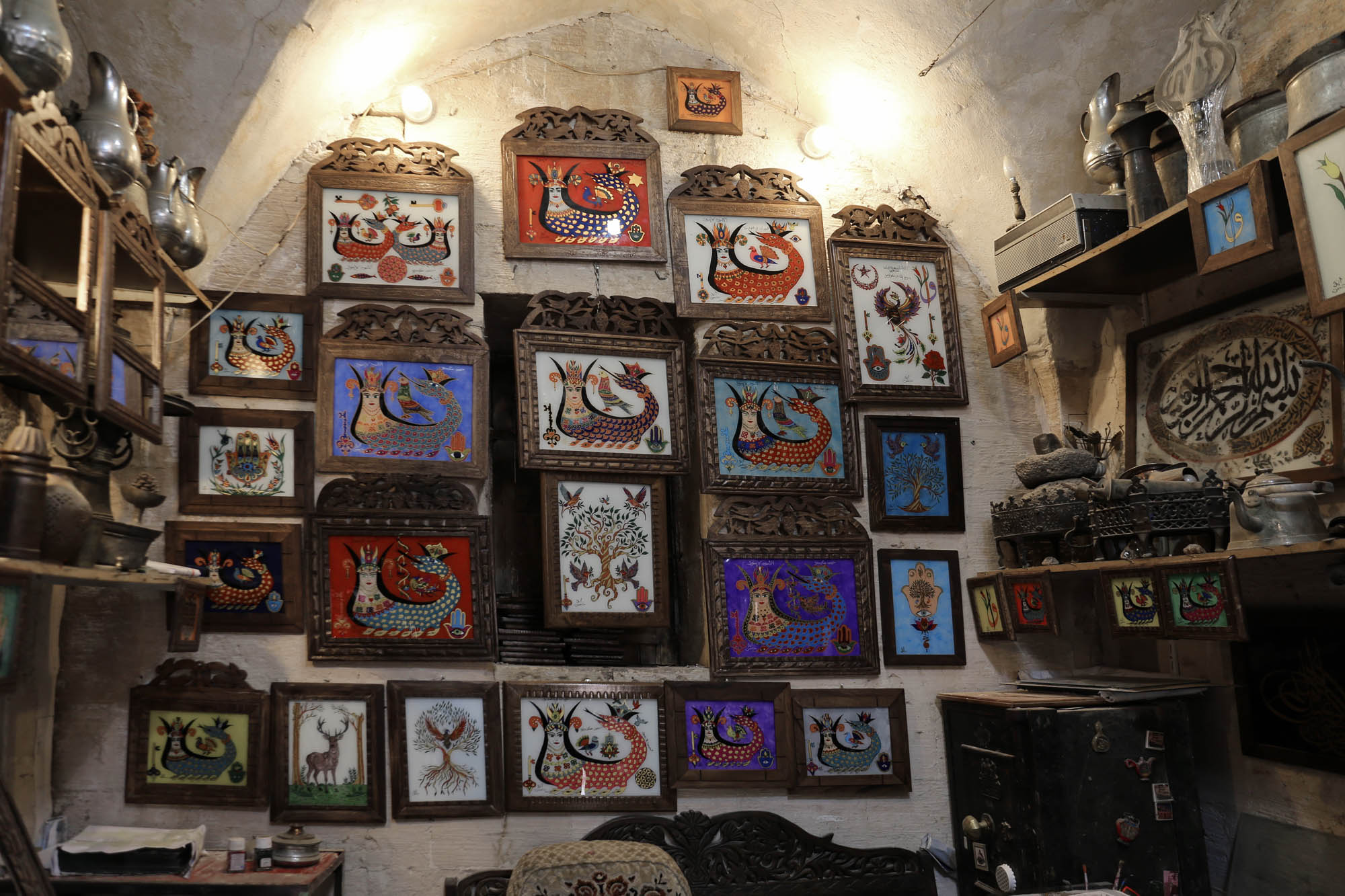
He shook his head.
I was surprised. I didn’t know what to say.
– “No,” he said. – “None of these is the Şahmeran.”
I couldn’t help but ask: – “Then which one is it?”
– “You will draw it,” he said.
I looked at his face in astonishment, trying to grasp what he meant, when he added:
– “If you can’t, your apprentice will draw it; if they can’t, their apprentice. If you don’t think this way, you will never be able to draw the Şahmeran.”
– “But all the Şahmerans look alike,” I said.
– “People look alike too,” he replied.
I stayed silent. For a long time.
At that moment, I realized that my master was a wise man and that my task would be difficult.
– “Well done,” he said. – “You know exactly when to stay quiet.”
The “well done” was for my silence. Then he looked at my father—who was aware that I was being tested; on one hand, pleased that my answers were good, on the other hand unsure whether the master saw things the same way, so he hesitated, not knowing how to act.
– “This boy is very smart,” he said to my father. – “If his fingers are as skillful as his mind, it won’t be long before he becomes the best Şahmeran master in the neighborhood and draws the most beautiful Şahmerans.”
My father laughed out loud.
All the joy he had held inside, all his pride, poured out in a single big laugh.
I had rarely seen my father laugh like that.
My father was a poor man; we lived in a poor neighborhood, six siblings in all. Life was hard. But now he laughed wholeheartedly. Some of that laughter spilled onto me, and I started to feel hope. For the first time, I realized I too could be someone worth being proud of.
I first felt self-confidence in Master Mahir’s tiny, smoky, kerosene-lamp-lit workshop. Now, after every successful piece of work, I remember my father’s face filling up with laughter. My eyes fill with tears, but I don’t cry.
If he were still alive, would I feel the same? I don’t know.
That night, my father was especially generous with me; he bought sugar and chickpeas. We returned home as “big men,” both of our faces smiling.
When my mother opened the door and saw us like that, she was very surprised.



Add comment