

“Where were we?” the master asked.
“In the realm of Şahmeran,” I replied.
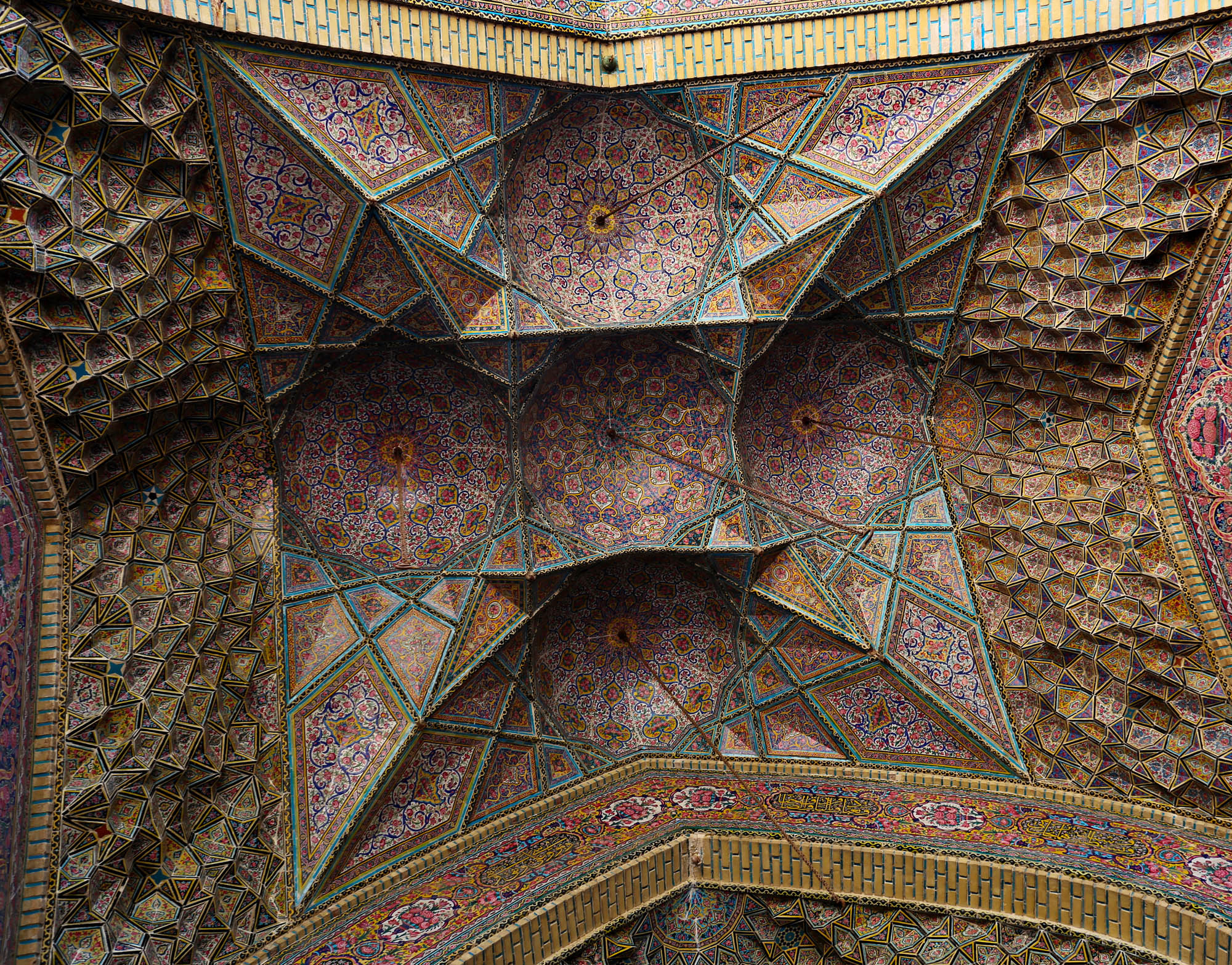
It was a garden out of a fairy tale—or a tale shaped like a garden. The wide marble courtyard, delicately veined, stretched all the way to the horizon, making one forget the very idea of a horizon. Beyond the long columns that framed it, it felt as if another sky began, tinted in different colors; a second sun was slowly setting there. At the center of a large pool lined with blue-green tiles, a colorful fountain stirred the water into foam, casting a quiet, cooling atmosphere all around.
From this stillness, Camsap drew hope. He wished that the key to his return to the world—a revelation, a sign—might emerge from this silent space. Suddenly he understood why paradise is so often imagined as a vast, endless garden. He grasped the meaning of heavenly hope. How much one can comprehend all at once when standing alone and stripped of hope. This was the power of silence.
(Meanwhile, his gaze wandered across the garden.)
In this immense garden, there was not a single apple tree. To him, this was a great—very great—sign of forgetting.
Camsap slowly made his way toward the center of the garden when, on the right side of the courtyard, on a slightly raised platform, he noticed a throne of astonishing size and beauty. It was adorned with countless colorful gemstones, mother-of-pearl inlays, and intricate carvings. It radiated boundless power and unshakable dominion. As he reached the steps of the throne, a host of ifrits, snakes, and dragons—perfectly in tune with the garden’s dreamlike mood—suddenly entered the scene.
The silence broke at its most terrifying moment.
When Camsap first discovered the garden, surrounded by coolness and silence, he had felt as though he would soon be freed, as if by evening he might already be home. But now fear and astonishment washed everything away, replaced by a deep, hopeless feeling. Now he thought even heaven might not be a safe refuge. He understood that nothing—nothing at all—can soothe the endless unrest of the human soul except perfect silence… that is, death.
Suddenly, colored smoke rose toward the sky, each plume tracing a delicate rainbow before dissolving into a snow-white mist. Within minutes, neither Camsap nor the snakes, ifrits, and dragons could see anything—the garden was swallowed by clouds. Everything was wrapped in thick, swirling whiteness. Soon the smoke cleared, everything returned to its place, and in the middle of the mist a giant ifrit appeared. With solemn gravity, it carried a silver tray on its head and respectfully placed it upon the throne.
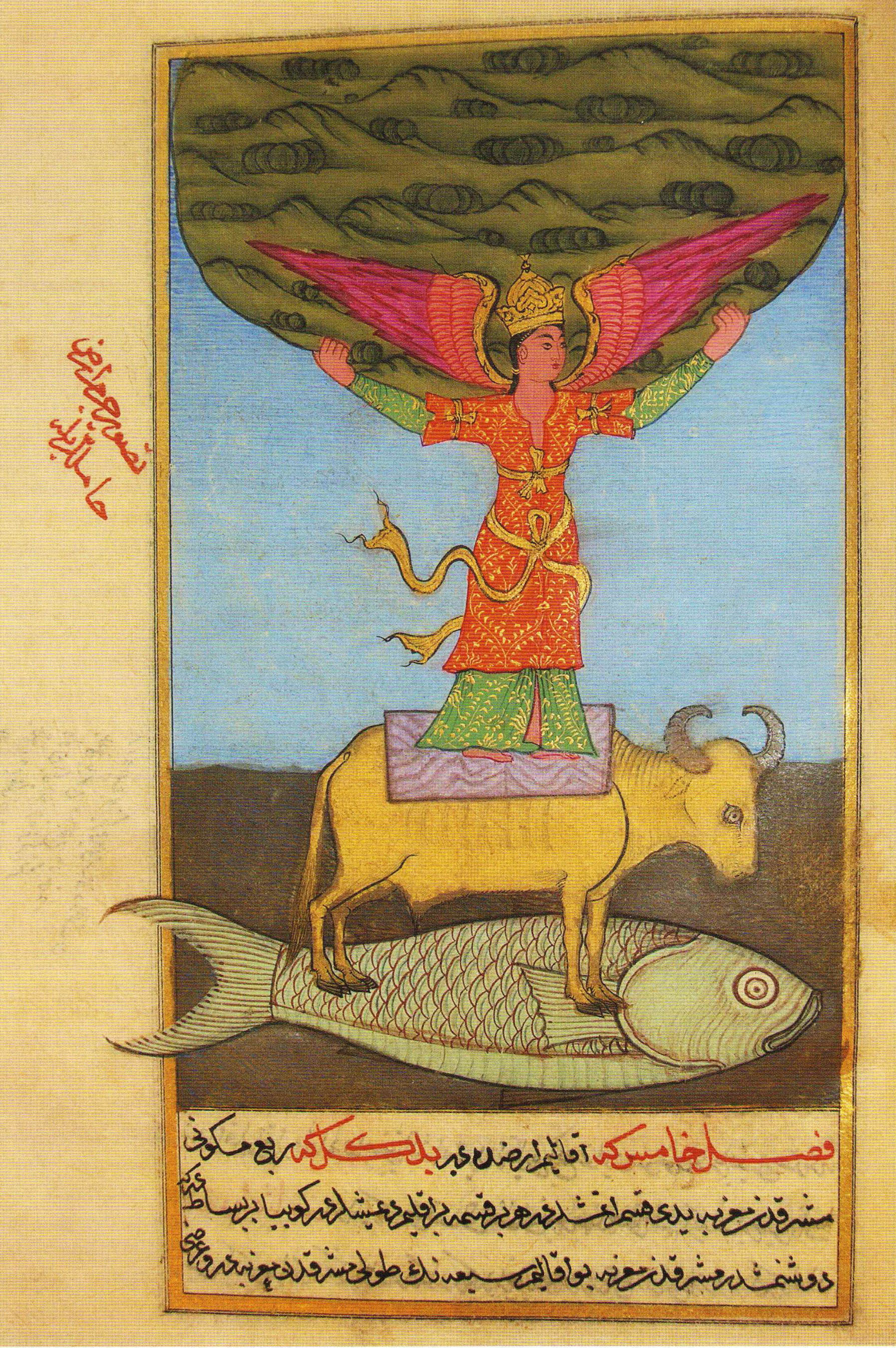
On the tray lay Şahmeran.
The tray floated toward its throne.
Camsap, mesmerized, slowly dropped to his knees.
This was Şahmeran. He recognized her.
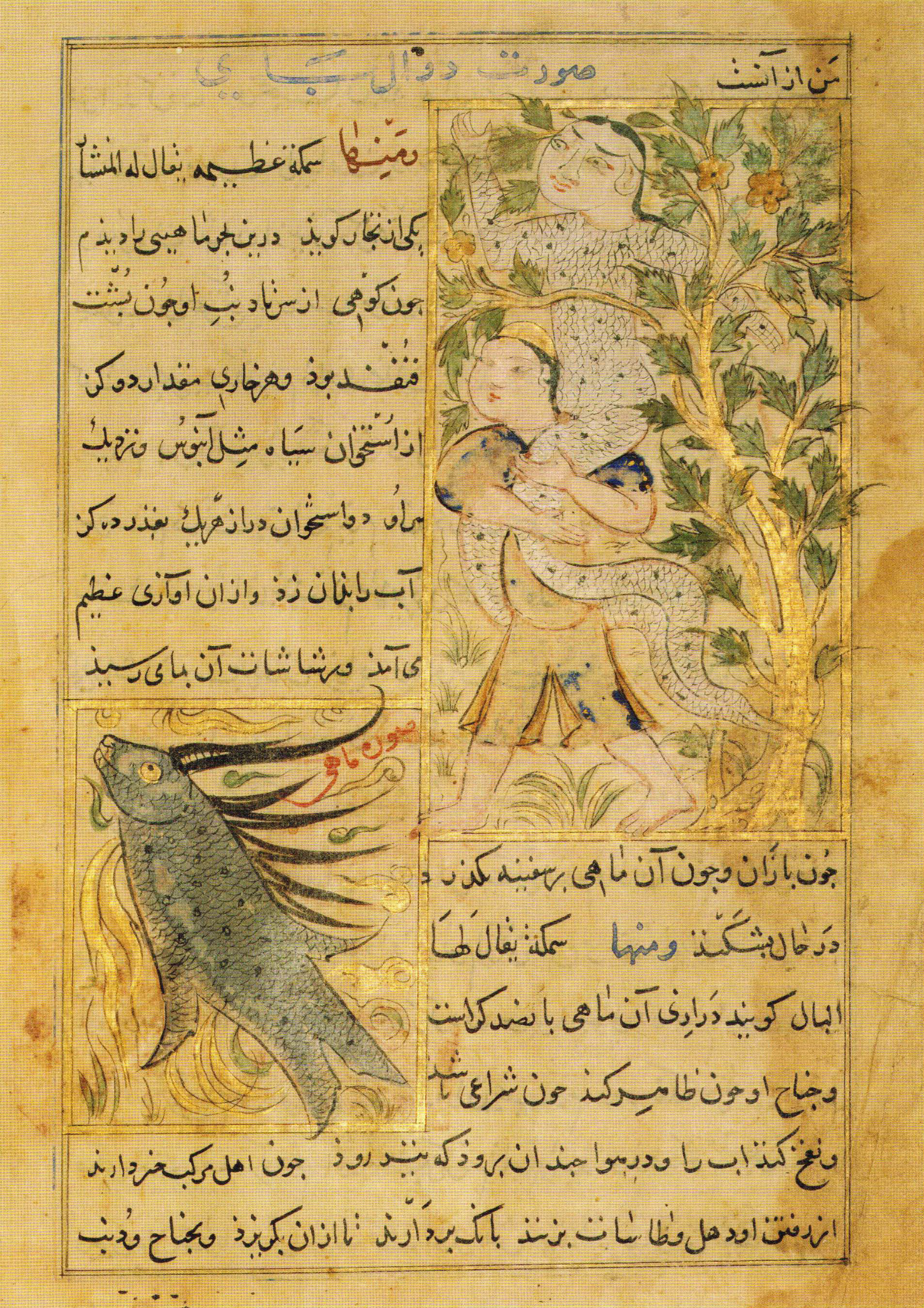
He had seen her likeness on countless panels. None matched her completely, but each had something that reminded him of Şahmeran. Yet, he didn’t know her story. He hadn’t heard it, asked about it, or shown interest. Would everything have been different if he had known, if he had understood her place in the story? That, we will never know.
“Welcome to my land,” Şahmeran said. “Do not fear; the snakes, ifrits, and dragons you see around you are all my friends, my helpers. No one here will harm you.”
Camsap thought that to Şahmeran, these were “nobodies.”
Everyone has different “nobodies” in their life.
“My name is Yemliha. I am the queen of all earthly snakes. People and my subjects know me as Şahmeran. You are now under my protection; no fear can touch you. But you must tell me how you arrived here and what you are seeking.”
Camsap recounted to Şahmeran everything that had led him here.
Şahmeran listened carefully, then nodded gravely:
“So humanity has found us again. That means it won’t turn its back on us so easily this time.”
Camsap responded immediately:
“If you mean my friends, who left me alone at the well and left my fate to chance, they have no reason to fear. They mostly want to forget what happened there: the well, and me, left to die, or rather, their own betrayal.”
Şahmeran: “I’m not talking about them, but humanity.”
“Isn’t it unfair to lump everyone together like that?” Camsap asked.
“No,” Şahmeran replied. “Humans are prone to betrayal. That’s why no one should know our place; our secret must be kept. We are beings whose lives depend on secrecy. Think about it: when you arrived here, just as you feared us, I was startled when I saw you. Listen carefully: I’m not saying ‘I was afraid of you,’ but ‘I saw you, and I was startled.’ Long ago, I trusted a human once. I tested them once. I paid a great price for that trust. That’s why I never want to experience betrayal again, Camsap. The pain of betrayal is such that a part of the heart breaks forever. The betrayal of a loved, trusted, faithful human isn’t just pain; it’s unbearable.”
“I want them to trust me,” said Camsap.
“So do I,” Şahmeran replied.
A long, serious silence followed. The ifrits, snakes, and dragons surrounding the garden’s darkening courtyard listened with utmost respect.
Gathering all his courage, Camsap turned to the unspoken secret that had always hovered around him:
“So you won’t send me back to earth, Şahmeran?”
Şahmeran remained silent for a long moment, and Camsap spoke again:
“I swear, I won’t tell anyone the place...”
When he first escaped the dark well and found this place, he had thought he’d be home by evening. But now, he felt he could never escape, as if trapped. He realized how quickly things slip through our hands, how easily we lose what we hold, touch, and grasp.
"Please, believe me," he said. "I want more than just to be let go; trust me, and send me back to the earth, back home, to my own place."
Şahmeran: "Think about it, Camsap—the path that led you here was paved with betrayal. That’s not a great start. From now on, the road is lined with wickedness. Once betrayal begins, it shadows a person’s life."
"How can I convince you?" sighed Camsap.
"What are you trying to prove?" Şahmeran said. "Today’s Camsap can swear an oath and convince me; but tomorrow’s Camsap won’t be the same person making that vow. How could you promise on their behalf?"
In despair, Camsap began to cry.
Şahmeran: "Then listen! I will tell you Belkıya’s story."
"Belkıya’s?"
"Yes, Belkıya’s—the first human who betrayed. Are you ready?"
"Yes, I’m ready," said Camsap.
"Are you ready?" asked the master.
"Yes, I’m ready," I replied.
"Then we’ll continue tomorrow," he said.
At that time, I wasn’t yet aware of Camsap’s captivity. Everything still felt like an adventure. For Camsap, it had all been adventure until he fell into the well—his life truly began there; for me (or, let’s say, for us—the listeners, writers, readers) it was after he fell… We were all spectators of someone else’s fate.
Perhaps this is what writing, reading, and listening are for: to hold at bay, with a kind of reversed magic, what happens.
And sometimes, just the opposite—to bring it closer…
The magic of drawing or writing, that is, what clings to your hand while creating, serves to bridge some distances and push others away.
That night, in my bed, I was thinking of the start of Camsap’s adventure, excited; whatever happened next touched me as much as it did Camsap.
I thought of Camsap as I drew Şahmeran.
Yet I hadn’t realized: in this story, it wasn’t Şahmeran who mattered to me—it was Camsap. Somehow, when it came time to draw Şahmeran’s face, I didn’t know what to do with that image. The few Şahmerans I had drawn until then looked far more like Camsap. Like my own Camsap.
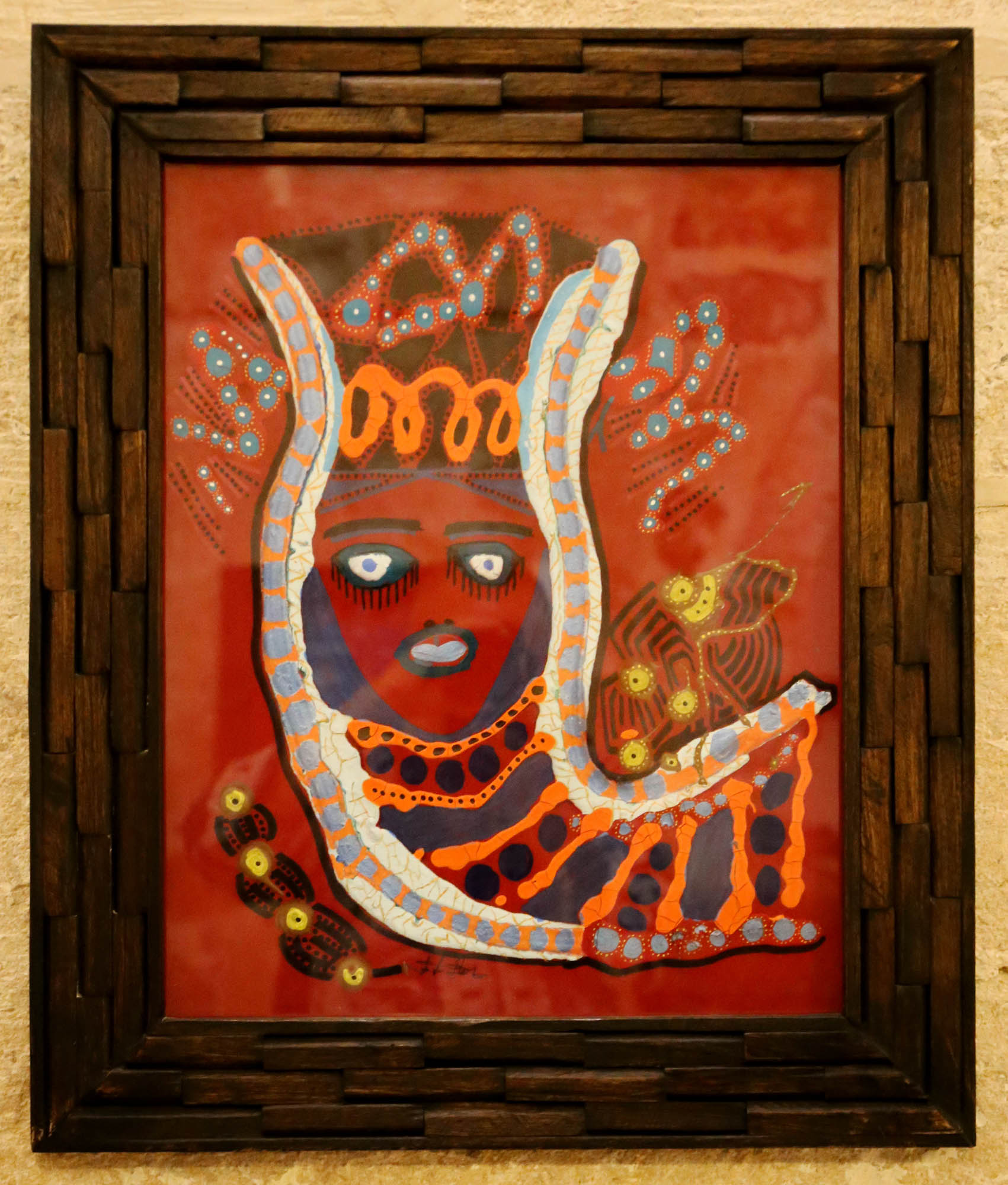
Eyes grown with worry; a face that had entrusted its fate to another. The anticipation of a captive…
Later, I realized I had inadvertently drawn the true Şahmeran. After all, wasn’t Şahmeran herself a captive?
Once, she had been trapped in the special captivity of existence. That majestic, sacred, beautiful being had found no true place among humans or snakes, stranded at the edge of perception, waiting in her own hell in silence and solitude. Even her people’s awakening depended on her survival.
In those days, every Şahmeran I drew thinking of Camsap was the correct understanding of a mistake. Sometimes humans start from mistakes to find truth…
My whole life had now become a Şahmeran story. By day in the workshop (amid the tactile reality of colored threads, skeins, and boards), by night at home (in the empty darkness, preparing to sleep), Şahmeran’s story intertwined with mine. From this story, I could apply nothing to my own life. Everything was distant from me—or at least seemed so.
My entire life was truly a Şahmeran story; only later, through greater costs and deeper pains, would I understand and grasp it.
As I came to know beauty and death…
For I hadn’t yet gone down the well, hadn’t begun my own discovery…
That was still to come.
3.
Belkıya’s Betrayal Against Şahmeran — Şahmeran’s Tale
Once there lived a Jewish ruler named Yusa. He devoted much of his time to studying the Torah.
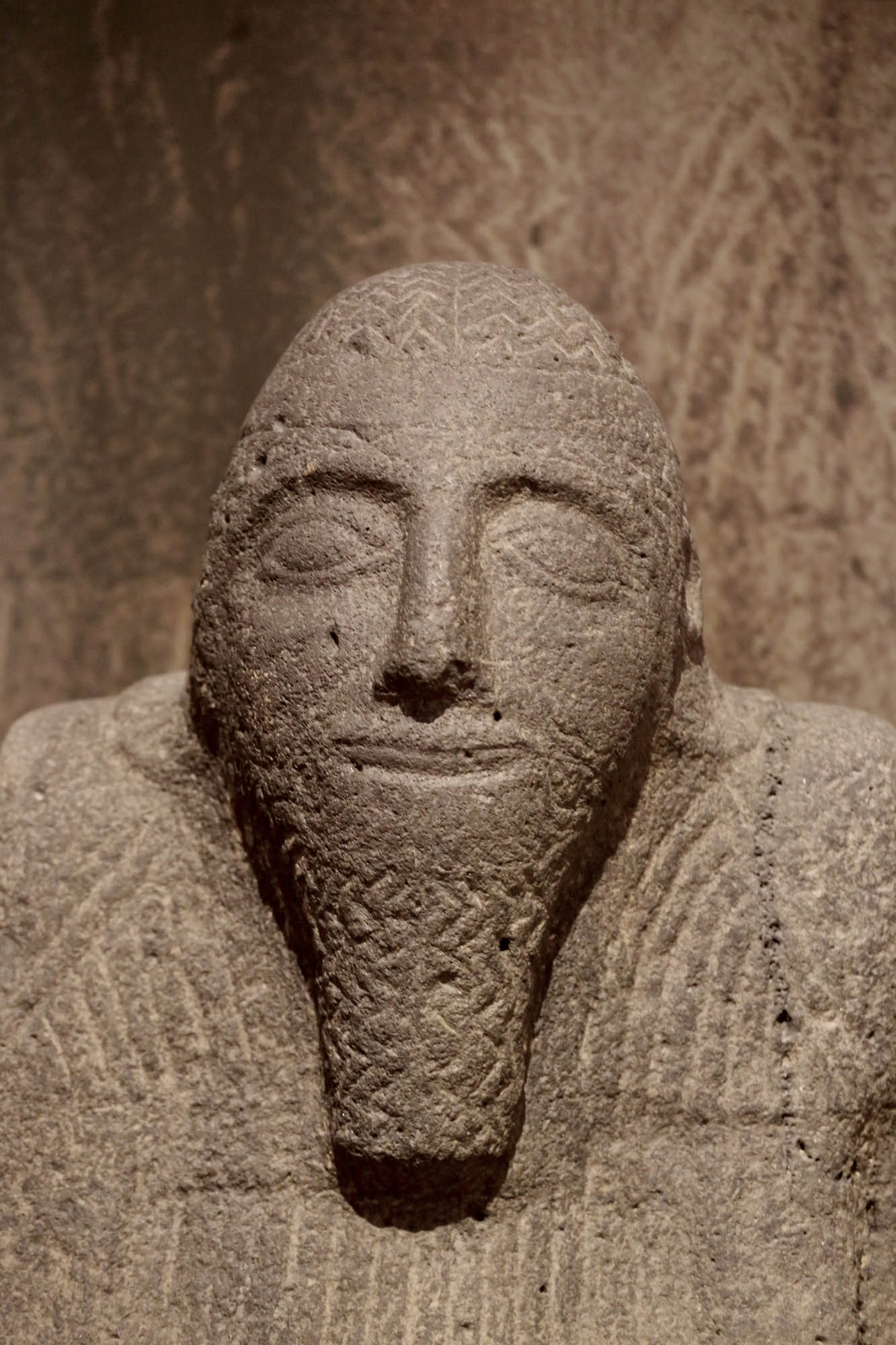
One day, while reading a passage of the Torah, he learned that Moses was not the last prophet. He studied the excellent qualities, the good nature, and the holy justice of the last messenger of God.
From then on, this thought occupied the ruler entirely. (Though the mission of the last prophet was still far off.) Yet he feared this thought might weaken his kingdom. His people considered their own knowledge the one absolute truth in the world; their laws, the one unquestionable justice. They were ready to believe this forever.
But if this truth had come to light, chaos would have erupted. History would have wedged itself between people and their beliefs. Humans don’t like to believe that the faith and lifestyles of future generations could change. They get jealous. If immortality existed, it wouldn’t last. If the hidden truth in the Torah were revealed, the people would learn about human change, about transformation.
Yet once the idea of completeness wavers, no rule can stand the test…
So Yusa acted like any ruler who imagines himself at the center of history: he tore out those pages from the Torah. He believed this would both reduce and protect the Torah. The removed pages he placed in a silver case, sealed and locked. Then he put them in a small room, shut the door, and locked it up.
But he wasn’t satisfied—he couldn’t have been; such a secret and truth cannot simply stay in one’s hands. He built a wall around the room to hide it. He thought that way, the truth would remain safe.
But knowledge, like air, water, or sunlight, belongs to all humanity. No one has the power to keep it from people. Hiding a secret doesn’t erase the truth, it only delays it. And eventually, the truth will reclaim what is due from those who turned against it.
That’s how, a few years later, Yusa died.
He told no one a thing.
His son, Belkıya, took the throne.
Yusa never suspected that the very truth he tried to hide from everyone would captivate his son the most.
One day, while wandering in the treasury, Belkıya found the room behind the sealed walls. Excited, he read the missing pages of the Torah. The writing had waited for years in darkness and secrecy; now it shone in all its glory.
Suddenly he felt these pages fill every emptiness in his life.
The truth blinded Belkıya.
It made him forget everything.
He now knew something no one else did.
Belkıya was enchanted by the knowledge of knowing what no one else did.
Leaving his throne and crown to his brother, he became a wanderer; in search of the truth, he became a wanderer.
One day, Belkıya reached a shore, arriving at the edge of his own desert. The sea called to every adventure. He saw sailboats driven by the wind; massive ships; sun-tanned sailors with eyes like seaweed. Belkıya boarded a ship and set off into the open seas. The ship headed toward Damascus to seek the last prophet.
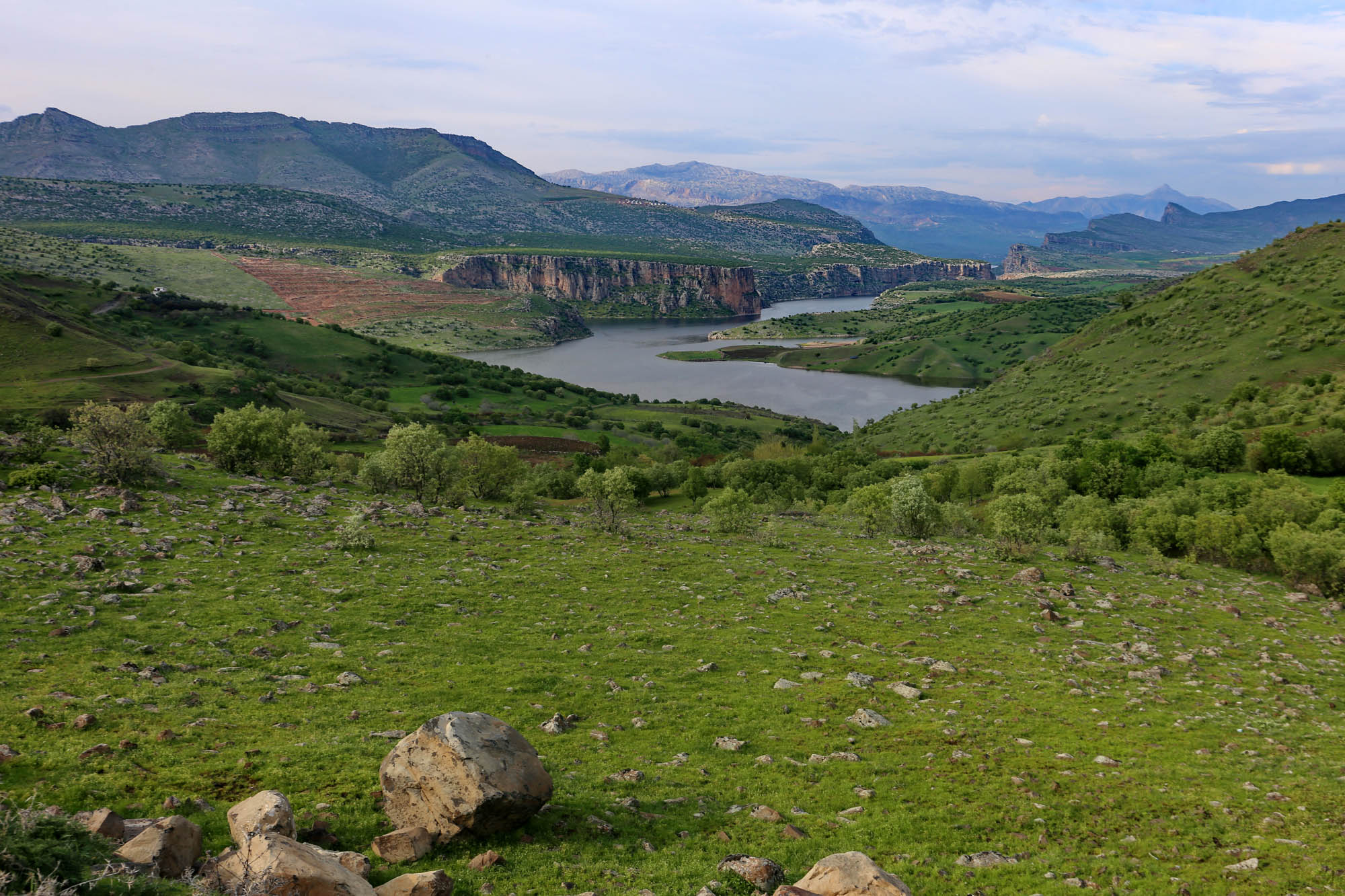
Perhaps the last prophet didn’t even know he was the last. Belkıya would be the one to tell him.
The ship sailed toward Damascus.
Belkıya sailed toward his dream.
He had already set out once.
A few days later, the ship reached an uninhabited island. Covered in dense, deep green vegetation, scented and lush, it was a quiet place swayed by moist sea breezes. It was as if a long, obedient cat was stretched across the sea.
Sailors knew it as “The Dream Island.” The intoxicating scent of tropical flowers, the thick, wide leaves of unknown trees, and the island’s deep, perfect silence lulled anyone into slumber.
The sailors gathered fruits they didn’t recognize, replenishing their supplies. Belkıya joined them for a while, picking fruit, then, following his love for solitude, separated from them and rested his tired body under a tree. Head against the trunk, he drifted off, lulled by the dreamy scent of pale flowers and the gentle murmur of the sea.
Hours later, when he opened his eyes, everyone was gone. The ship had left the island. He ran to the shore as a last hope, but it was completely empty. The Dream Island had claimed someone new, taking them from the people who arrived by ship.
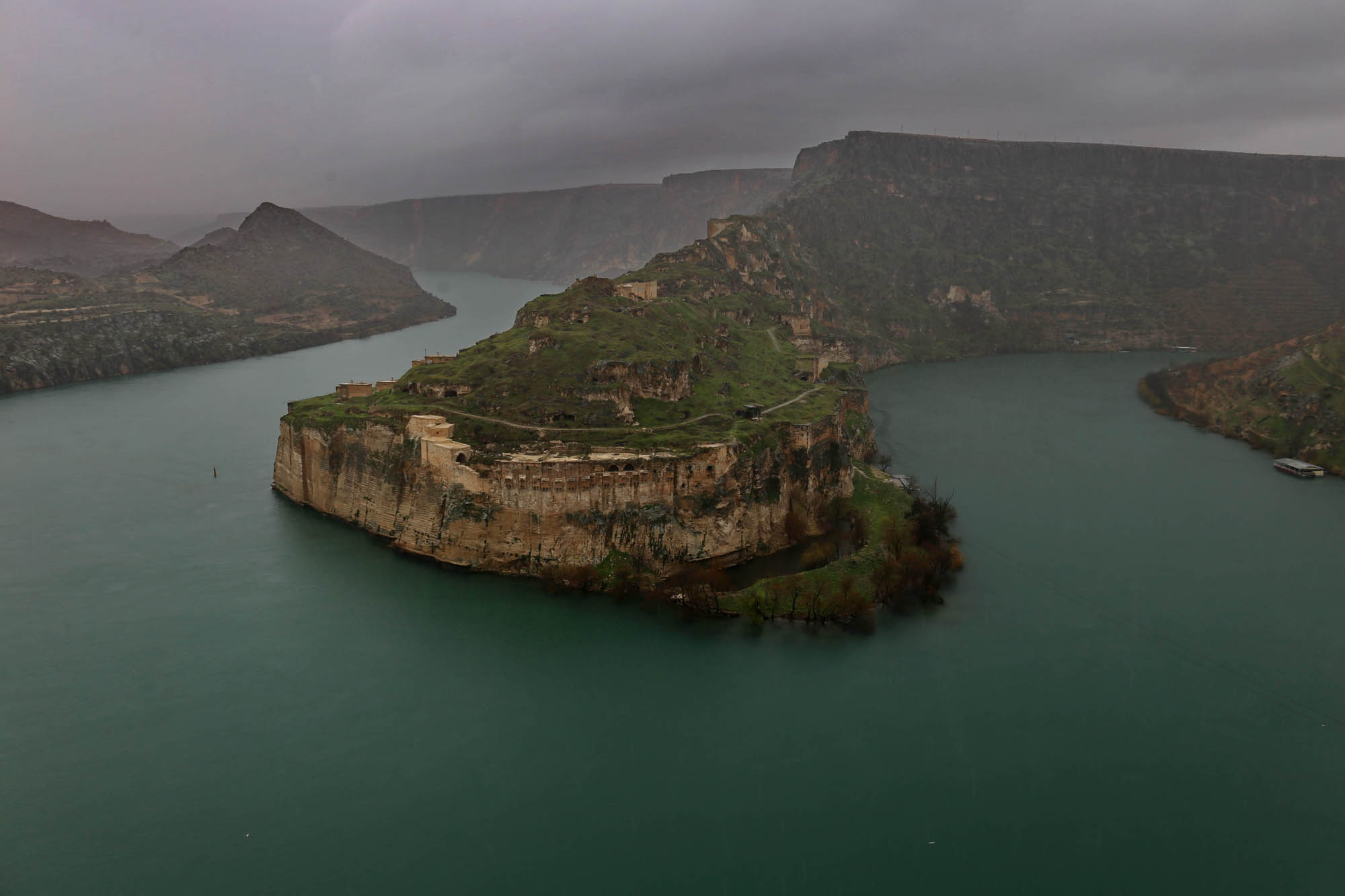
In solitude, footsteps always lead one to the same place. Wherever Belkıya went, he found himself under the shade of the great tree. Thus began the cycle of his destiny.
After a few days of despair, he found an old boat among the reeds and set out on a new, uncertain adventure. He entrusted his life to the currents of the sea…
After days of drifting, the boat eventually reached my island. This island was my domain. Belkıya landed, and as he started walking, he immediately encountered one ifrit, then another, and yet another. He tried to escape, but saw that only ifrits and snakes surrounded him.
I called out to him:
“Human! Don’t be afraid of the ifrits and dragons you see! Come closer! Don’t hesitate, come!”
When he approached, I asked:
“What brings you to this island, where no human has set foot before? Where do you come from, where are you headed? What are you seeking in the open sea?”
Belkıya recounted his story at length.
His serious, dignified manner impressed me. He was clearly noble, and generous at heart.
I immediately liked Belkıya. I’ve always loved at first sight.
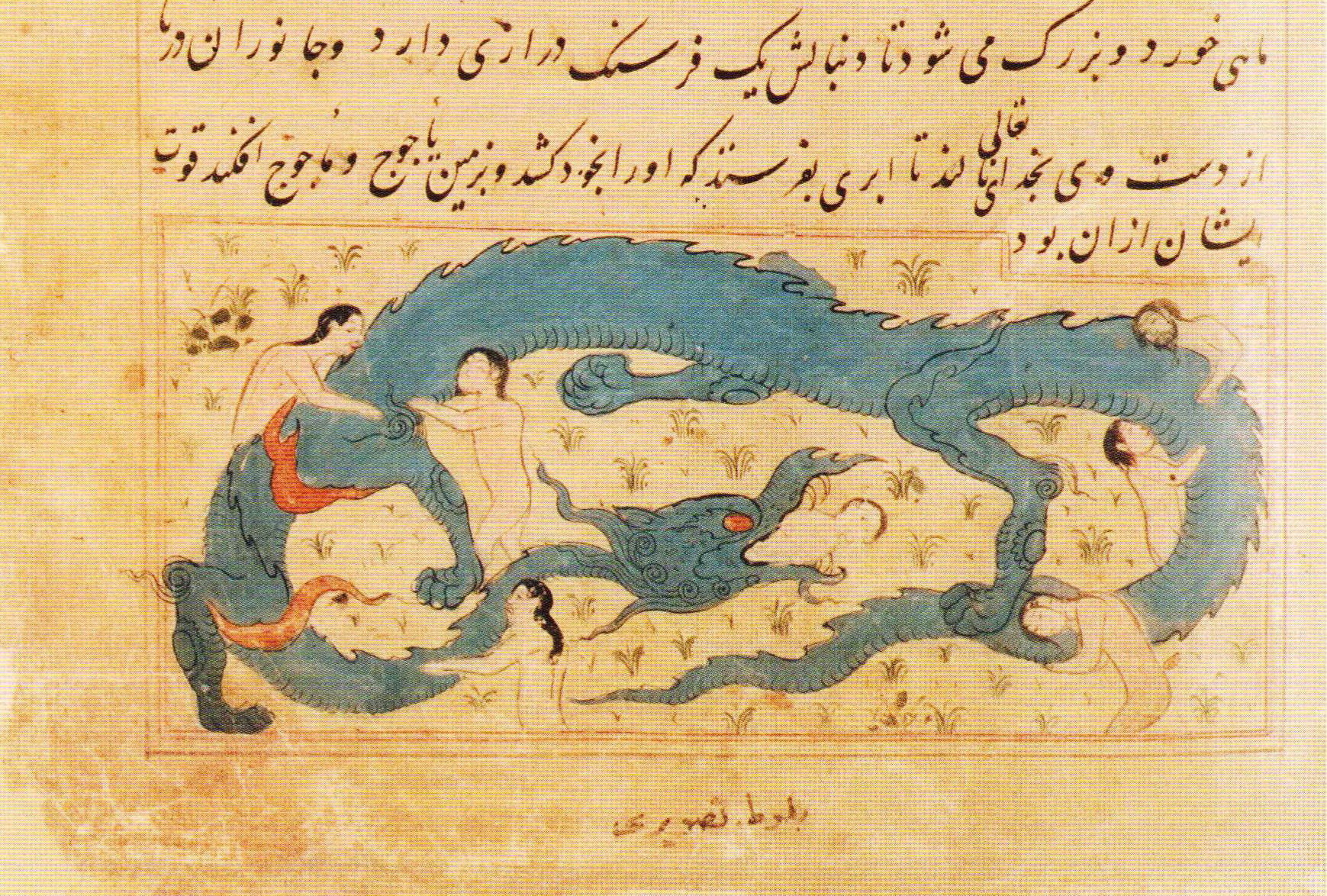
“My name is Şahmeran,” I said. “This island is my seat. Since I exist, no human has ever set foot here.”
Since the magic had broken, Belkıya wanted to leave me…
“No!” I said. “Absolutely not! Anyone who steps on this land must finish their life here. If I let you go now, humans will find our place; that would mean the end of our nation.”
“I won’t tell anyone, not a single soul, your location!” said Belkıya.
I smiled.
“Who knows, Belkıya,” I said. “Humans are prone to betrayal. That’s what we were taught.”
“And have you tested that lesson?” he asked.
“No,” I said. “What’s the use of trying the impossible?”
Belkıya didn’t give up, he pleaded at length. His demeanor was serious, determined, and dignified. It wasn’t so much pleading as claiming his right.
He said, “This isn’t my homeland.”
I said, “But you’re not heading toward your homeland either…”
He said, “Who knows, maybe what I seek is my homeland. Think about it—I gave up my crown and throne for it. How could I fit on this island?”
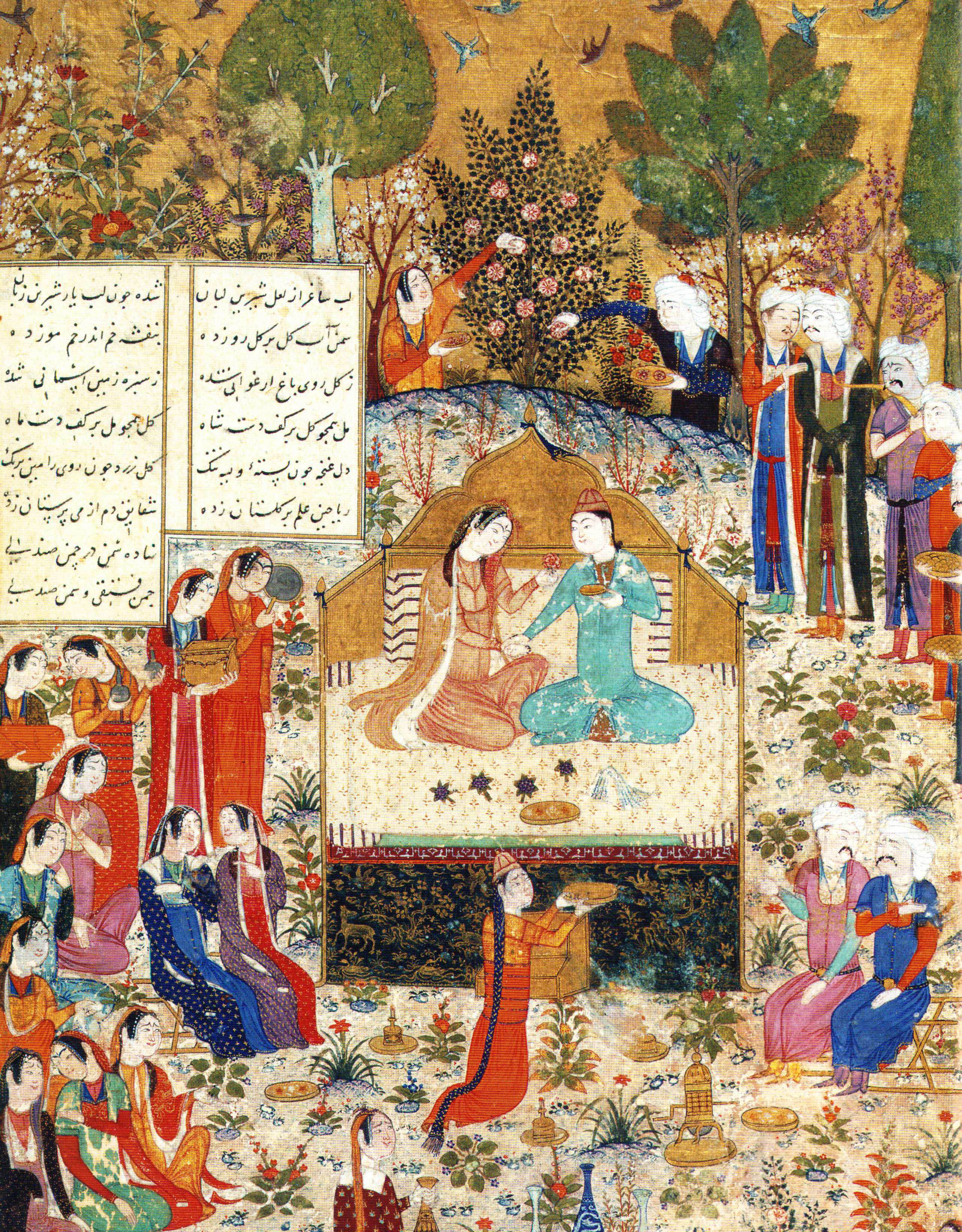
I thought: Belkıya is no ordinary man. He chases a truth. A thought, a belief, or a person… Someone like that could die protecting a secret. He knows how to guard it, to keep it. Just as he is responsible for his life, he is responsible for his word. He values the importance, the sanctity, of a secret or cause. (At least, that’s how I thought then.)
But what if he betrays? Then I’d have to return to the same place: human nature, treachery… I couldn’t risk Belkıya’s betrayal. Is it right to trust so deeply someone who isn’t an ordinary man? I didn’t know. I was desperate. Moreover, Belkıya sensed my desperation and pressed closer.
I wasn’t so much afraid of the consequences of Belkıya’s betrayal, but of the thought that he could betray. I already felt then that I wasn’t testing human nature here, but Belkıya himself.
Yet in the end, all differences between humans disappear; and I will see human nature and treachery.
“The snake that harms me not, may it live a thousand years,” people say, not knowing one truth: one day, on the day of our awakening, every snake will harm.
“Which day is that?” asked Belkıya.
“The day I am killed,” I said. “Or the day every snake on earth learns of my death…”
Belkıya’s stay lasted a few more days. I had nothing more to tell him…
A few days later, I placed him in a boat and set him off. I showed him the way and said goodbye. That was our last meeting. But I never forgot.
As I bid farewell, I said:
“This is our first and last meeting.”
First and last… That’s it…
Yet I wanted to see him again, again, again, always. No, I couldn’t; for it would only be possible through betrayal.
And indeed, I saw Belkıya again only much later, when he betrayed me. But that Belkıya was no longer the one I knew, the one I had let go, the one I loved. He had already betrayed his faith. Whoever believes in something knows the most important thing is patience. Belkıya tried to compress the truth or dream he sought into his own life. Yet our truths or dreams often outlast our lifetime. Belkıya didn’t know that. To reach what he sought, he risked his life. His ignorance and impatience also contributed to his betrayal.
The case of Ukap comes to mind.
“Ukap? Who’s that?” you might ask.



Add comment