

JIHANSHAH
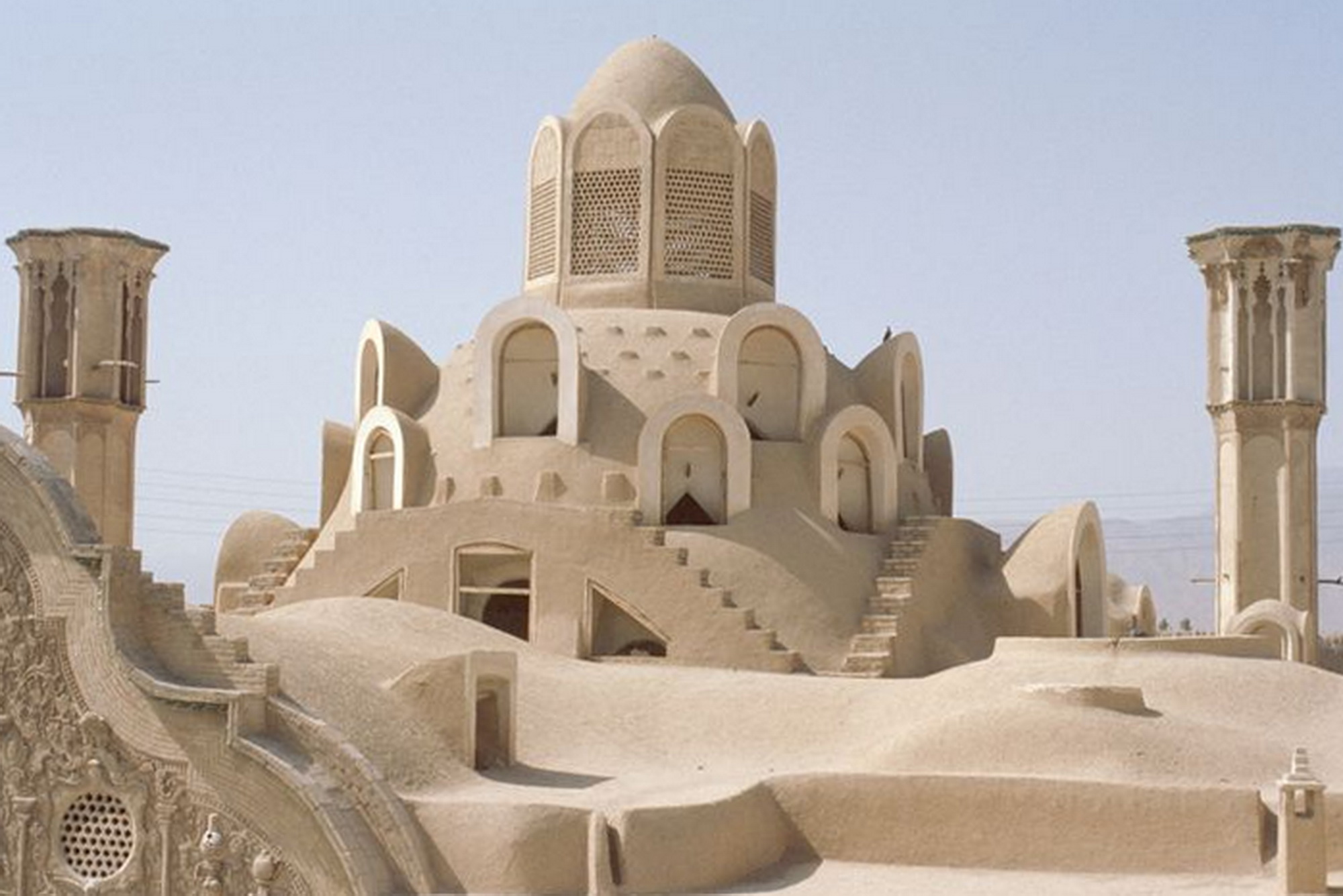
Belkıya stood before a snow-white marble building. It rose in the middle of the barren land like a white enchantment, a desert dream, dazzling in its brilliance. At its gate stood a young, handsome man, dressed in white silk, with hair and beard left uncut for many long years.
Far from everything, close to death.
“Welcome to this climate, stranger,” he said. Belkıya liked the greeting.
“An Asian is not defined by his homeland, but by his climate,” he added with a smile. “Between borders there may be three or four steps—or none at all; before a ditch or a wall there are also only a few steps. But between climates lie centuries and entire worlds. For example, the fact that I guard this gate, or that you walk this road—on another climate, these things would make no sense at all. Yet we recognize one another from our inner deserts, from our silence, and from the stories told through the long nights of the journey.”
Their eyes met.
The two men, who had both become heroes of their own stories, touched fingertips.
Jihanshah welcomed Belkıya into his home. They ate, drank, and talked. First, Belkıya spoke. Jihanshah listened without saying a word. From the flicker in his eyes, Belkıya could tell that he understood everything. They recognized each other from their own lives.
Then Jihanshah began to speak. (In the old days, this was how people passed their lives on to one another.)
He was the only son of Tahmur Shah, lord of Gülistan.
“For a long time, my father, Tahmur Shah, had no children. He missed it deeply and often fell into sorrow. One day, his vizier, Hajjaj—skilled in the science of divination—said to him: ‘The king of Khorasan has a daughter. She too is an only child. She was born after many years of waiting, through countless hardships and spells. If you marry her, you will have a son…’ That is how I was born, and they named me Jihanshah—the ruler of the world. The entire palace devoted itself to giving me the finest education. One day, when my father had grown very old, he handed me the throne. And I had reached the age and wisdom to take it from him.”
“But I had a passion—a deep, wild passion: hunting…”

“Why hunting?” you might ask.
Because I was given everything—everything I could ever need—from the moment I was born. I lacked nothing. I never had to make any effort for anything. Even my smallest desires were fulfilled instantly. That is why hunting became more important to me than anything else. I could say it was my only real connection to life. In hunting, the unknown awaited me—I never knew what would appear, what I would encounter. From which tree, from which hollow would what I pursued emerge? Hunting held the magic of not knowing. I loved tracking an animal for hours, setting traps for it. In hunting there was something I earned through my own effort. I tested my strength; I faced it eye to eye. I tasted a kind of solitude.
One day, during one of these endless hunts, a stag appeared in a hidden corner of the forest. It was more beautiful, more majestic, more proud than any creature I had ever seen. It seemed not merely a single stag, but the very essence of all stags. In its narrow, dreamlike eyes I saw a proud and yearning intelligence. Its long, branching antlers seemed to carry the whole world. I had to have this stag. Never in my life had I desired anything so intensely.
We set off after it. We galloped for hours. It appeared before us, then vanished again. It was impossible to catch—and that only made me love it more. Most of my soldiers grew exhausted. They did not share the passion I felt. They were all just waiting for my command: “Return!” When we reached the water’s edge, I could hardly recognize that it was already the sea. I saw nothing but the stag. It leapt back and forth along the shore, then, in great fear, threw itself into the water and swam to an island. This was the Island of the Stags, where no human has ever set foot since.
How could I have known? And if I had known, would it have changed my decision? I do not know… In passion, such questions have no place—you know that well. Passion stands alone and naked. It exists in itself and for itself.
Most of the horses were injured. My soldiers were crushed with exhaustion. But I immediately had a boat made, and with those who still had strength, we crossed to the island.
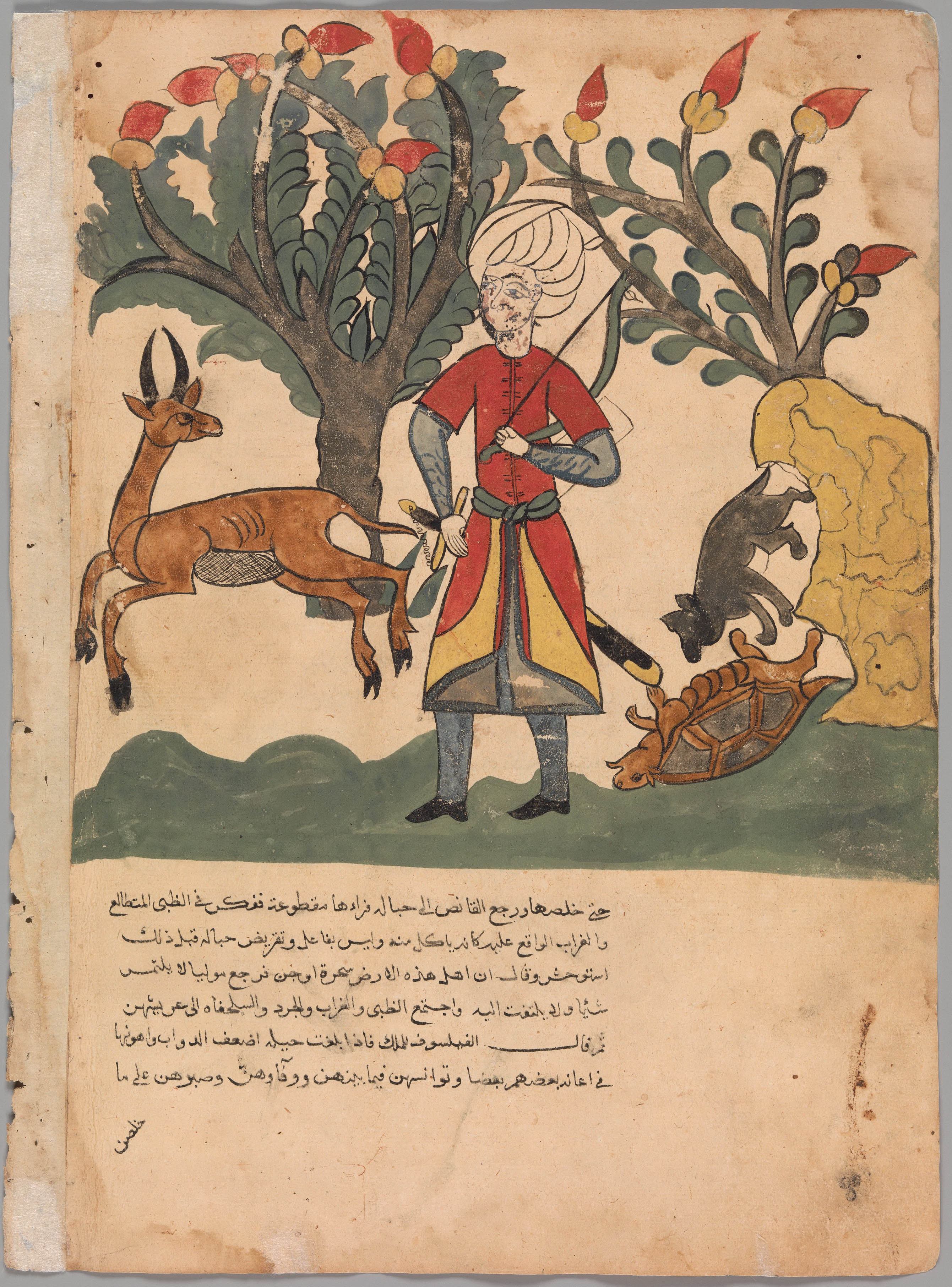
How could I have known about the curse of killing the stag? On our way back with the stag’s body, the sound of the wind changed. This was no longer the sea we knew. A tremendous storm broke out. For days we were tossed about in the middle of the ocean. The storm was like a flood. We neither sank nor drowned, but we were thrown about in fear and suffering. In the end the storm subsided, and the wind cast us onto another shore.
I understood that this was another climate, that a long, cursed adventure was beginning.
Those who had remained on the shore returned and told my father what had happened. Hajjaj cast a divination and said:
— Your son is alive, but he will only return to his homeland years later, after countless adventures.
After this, my father had no choice but to wait patiently.
AMONG THE MONKEYS
For days we traveled inland from the coast until we reached a fortress built of marble, with iron gates. The fortress seemed empty; we thought it had been abandoned. We passed through houses, streets, and courtyards. Finally, we entered the palace, but it too was empty. What struck us was the entirely marble-built architecture and the sound of water flowing everywhere. Crystal-clear, shining water streamed continuously. It ran through narrow channels and thin grooves into wide basins, and from there spread throughout the entire city.
We entered the great hall of the palace. In the center stood a huge, ornate throne adorned with jewels. My men placed me on the throne and surrounded me, when suddenly a troop of monkeys poured in—we had no idea where they had come from. We were frightened, but there was no reason for it. The monkeys slowly approached, kissed the hem of my cloak, and bowed down.
What business did these monkeys have in such orderly buildings, in this civilized city? Had they created this civilization, or merely taken it over after exterminating its original inhabitants? But they did not seem to have a violent nature. Soon each of them brought along seven saddled dogs, as large as mules. The monkeys, whom I later came to know as my subjects, made wild sounds and tried to communicate something with their hands and feet.
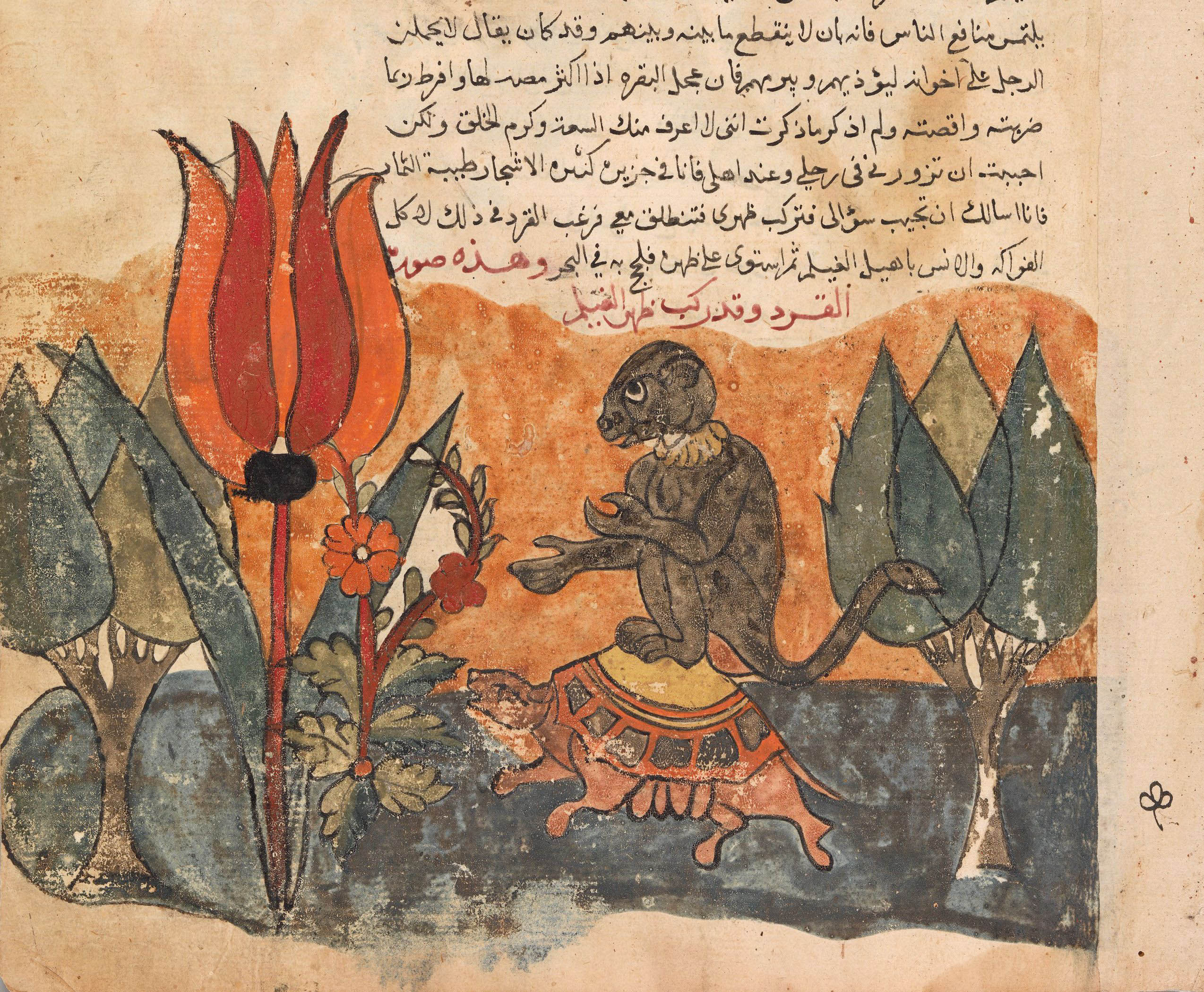
Finally, they mounted the dogs, and we set off toward a hill. On the top of the hill, a marble monument shimmered in the morning sunlight, blindingly bright, stretching toward the sky.
The inscription on it explained everything:
“O man!
Like you, I too have arrived here by following the path of my fate. I became the king of these monkeys. The entire region fell under my power. It took me many years to decipher the secret of this place. These monkeys were once human. They founded this city, but day by day they decayed, lost their values, forgot truth; evil, cruelty, distrust, and destruction came to rule over them. No one trusted anyone else; everyone lived off the blood and labor of others. Hostility, tyranny, torture, lies, and deceit became the reality of everyday life. Those who tried to guide them back onto the right path, to reform their society, were killed. Then the wrath of God struck them. Since they no longer deserved to remain human, they turned back into monkeys, and had to live through the entire evolution once again.
Ruling over them is both difficult and easy. They are attached to humans because they remember their past and want to become human again. Yet they do not truly love. For admiration is not love. They need to be governed. They cannot lead themselves; they must always obey someone’s command. When left alone, they cannot escape chaos. When someone stands above them, whatever he says or does, they applaud; they are monkeys, they have no thoughts, no feelings, no desires, no values, no truth of their own. They only imitate one another; they do not love at all, yet they still imitate each other. They consider sameness, total uniformity, a virtue. Therefore, none of them can be their leader.
Do not even think of escaping from here, because:
To the south, you reach the land of the ghul-yabani [ghul = demon, yabani = foreign, wild] creatures. They are beings who have not found their place in the world. They harbor endless hatred toward humans, but they hate monkeys even more. Because although they once had the chance to become human, they wasted it. That is why they often launch attacks against the land of the monkeys.
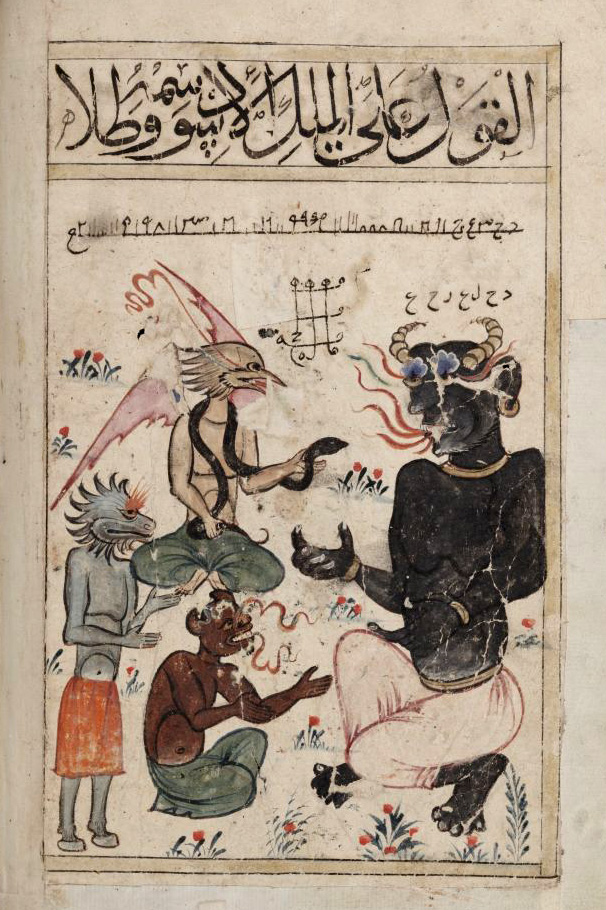
To the east, you encounter the wrath of fire and flame, for this is the land of volcanoes. It has no memory; it destroys everything in order to exist. Therefore it has no past and no future. When it sees again what it has destroyed, it becomes completely enraged.
To the north, you reach the land of ants. They are an advanced species, the size of dogs. They can exist only through work; they do not love themselves, only their labor. They live in a small, narrow world. They do not like to be touched. Although they move in groups, most of them do not even know each other. They are oppressed, unhappy, and grim. They carry deep despair and anger within them. They do not like humans at all. If you go north, they will tear you apart and eat you.
To the west lies the path of death, the road of the Seven Seas. No one has ever returned from there.
The best path for you is to stay here.
Die here.”
Beneath the end of the inscription there was a grave. I understood: there is no escape from here. I have no hope left but to adapt to this new life.
Although I was king among the monkeys, I was not happy. My days were spent learning about my surroundings and searching for ways to escape. I waited for the right moment. In the meantime, we fought several battles with the ghul-yabanis; they were bloody, but my presence frightened them away. The monkeys began to trust me. They were so happy that they believed I was happy too.
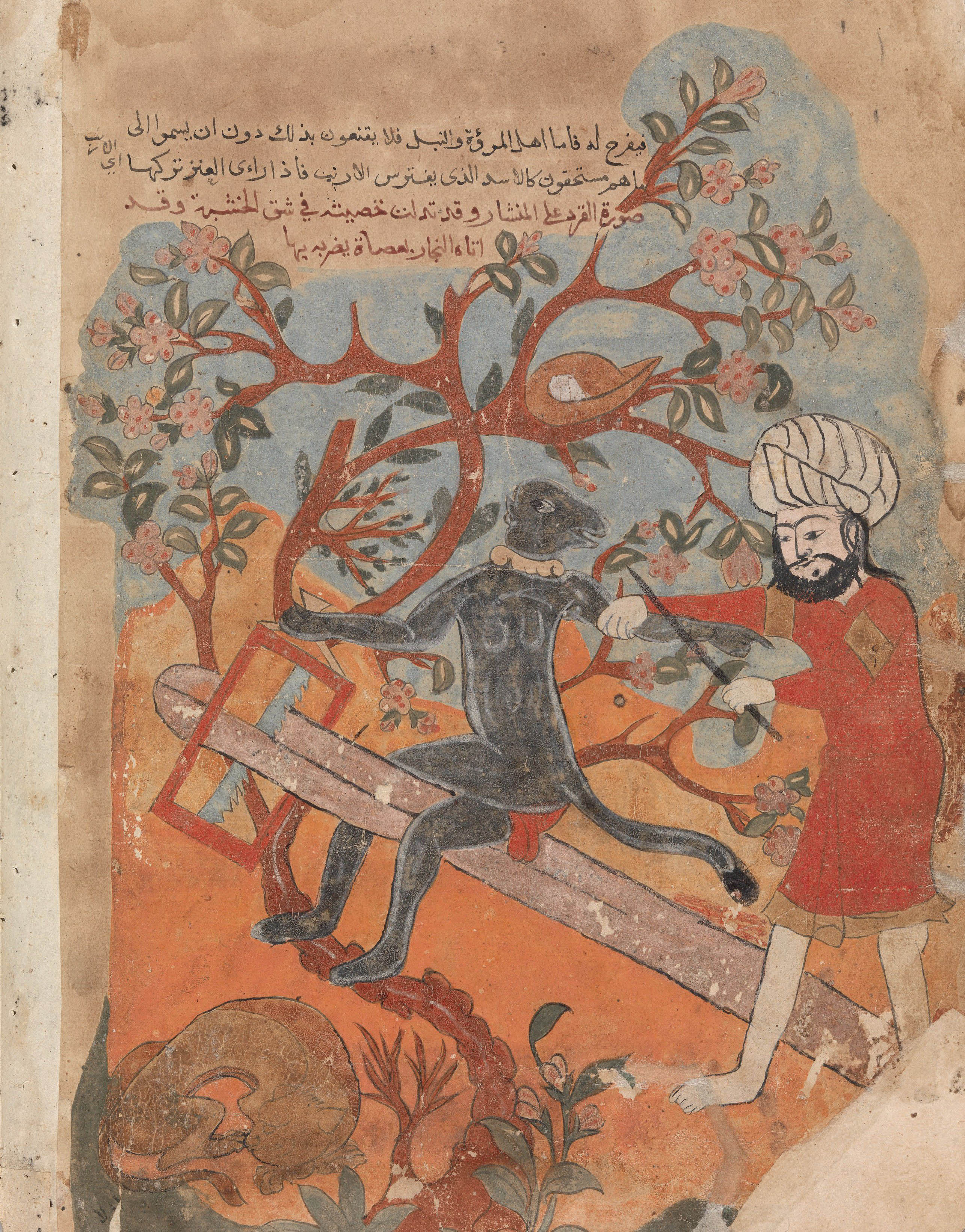
In spring, for border inspection, I set out north with my men and some monkeys. After much thought, I finally chose the northern escape route. I knew it was a very dangerous undertaking.
The other directions lead to certain death.
But the north offers a chance to struggle—you can fight or die. A more human possibility… death and a little hope.
At the border we celebrated with abundant wine. The aim was to intoxicate the monkeys and render them harmless. We lit a great fire, gathered around it, ate and drank, and then the monkeys fell asleep. My men and I set off at full gallop toward the land of the ants. The journey took days. Everything was empty and desolate. We saw neither buildings nor ants. Everything was hollow, abandoned, and eerie. The tension was exhausting. We only waited for the ants to appear and the battle to begin. The certainty of battle would have been better than this sheer eeriness.
We reached a large rocky plain when suddenly ants the size of dogs appeared before us. They had large mouths, powerful pincers, and sharp teeth. I saw them tear apart and devour some of my men before my eyes, but in the end we managed to repel them with difficulty and continued on our way.
We already knew they were on our trail, and we remained vigilant.
A few days later another attack struck us.
This time they were more numerous and more savage. The fact that we had previously slipped out of their claws had enraged them completely.
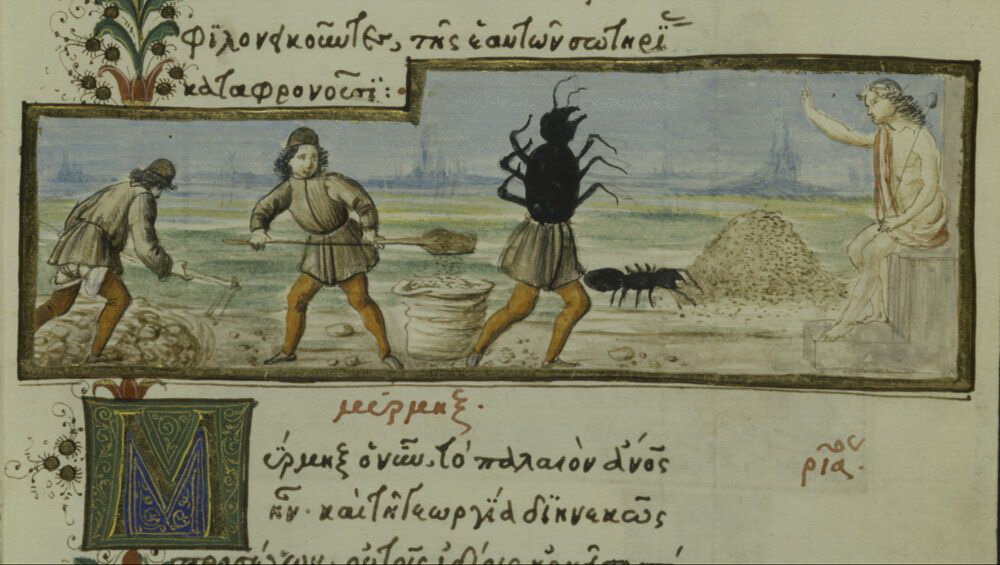
My remaining men and our horses were torn apart. I was the only one who escaped. I ran like a madman for I don’t know how long, until I reached a river.
On the far side of the river stood a welcoming city with snow-white buildings. But the river blocked my path and would not let me cross.
Half-turning back, I searched for some way through—a bridge or a crossing.
If the ants caught up with me, I would have no choice but to throw myself into the river.
Suddenly I thought of that deer. It too had been trapped at the edge of the sea while we were chasing it.
Then I had been the hunter; now I had become the prey.
And what I had not understood then, I now understood.
We had both been left helpless at the edge of water.
In that moment I felt as if my entire journey had taken place only to lead me here, to this water, and to confront me with the deer.
Perhaps this is what they call fate.
The entire tragedy of human existence comes from the fact that our own story does not intersect with the stories of others.
I thought this through for the first time there, by the water’s edge.
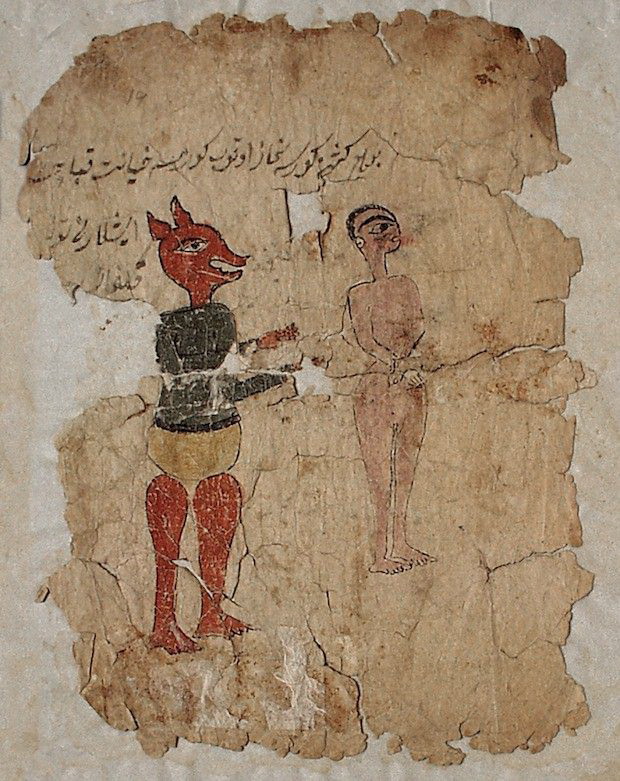
While I was thinking this, an old man appeared on the opposite bank of the river:
– You are trying in vain, stranger – he said. – This river swells at night, which is why it is called the Night River; by day its waters recede and its bed dries up. If you survive until morning, you can cross. Now night is approaching, and the river’s pulse is growing stronger…
It seemed I had no hope left but to wait for morning.
And indeed: by morning the water had receded, its sound faded, weakened, and its bed had dried up. I crossed to the other side and entered the city.
Everything was closed. Everyone had shut themselves inside their homes. No one spoke to anyone.
At first I thought this was a cursed city. Then I pushed open a slightly ajar door. The host, his wife, and their children were sitting around the table and eating. They invited me in as well.
To my question they replied:
– The name of this city is Nehrevan. We are from the people of Moses. Today is Saturday, a holy day. God forbade us to fish on Saturdays. So we used to cast our nets on Friday and pull them in on Sunday. It was a small human trick; but God became very angry with us because of it and punished us. He took away our water, which is why the river has dried up. All water has been banished into the night.
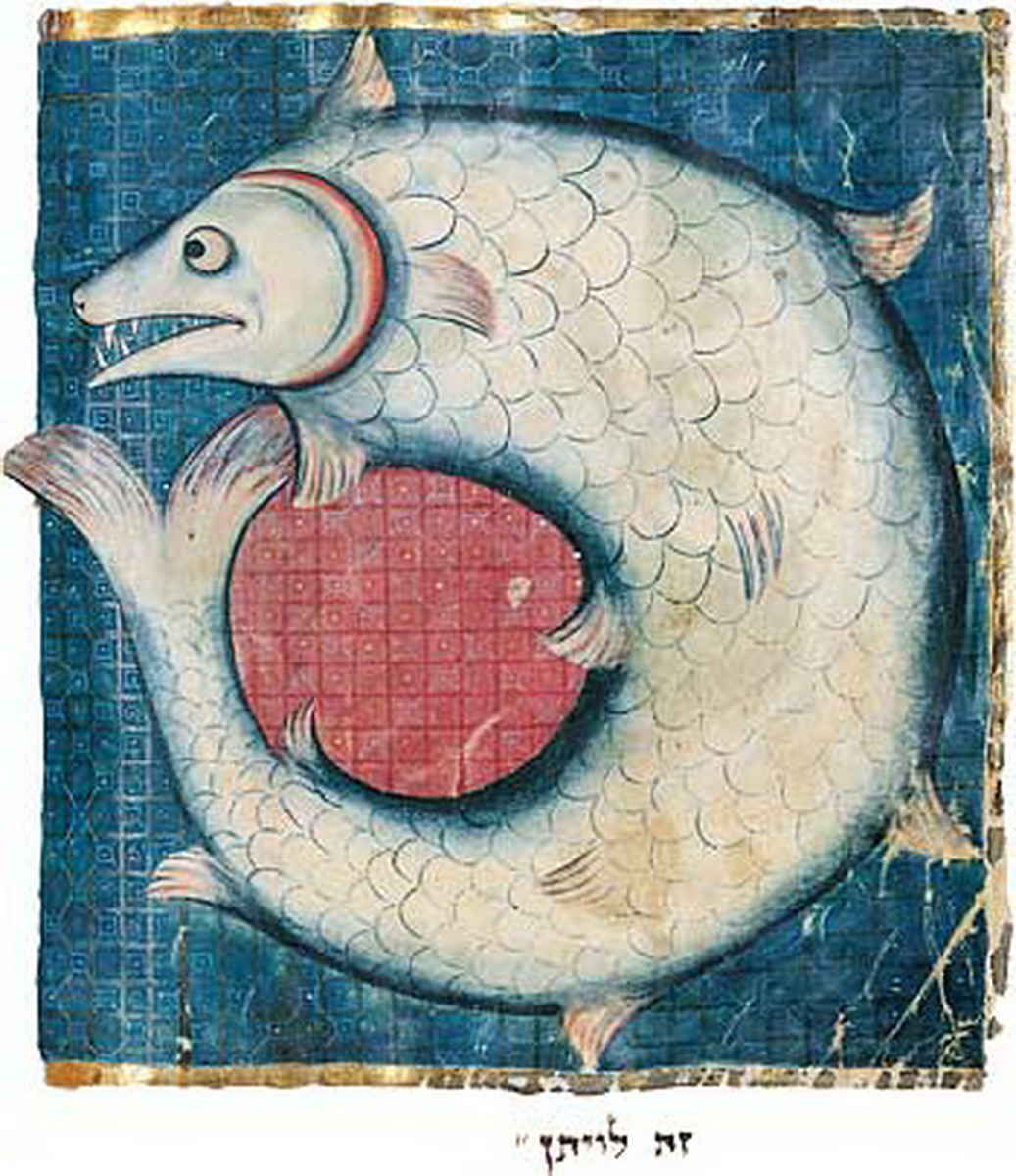
I was their guest that night.
The next day, I walked through the bazaar with the host. I was searching for the road back home, once again among people. I almost trembled with joy. I missed my homeland, my companions, my former life.
In the bazaar, everyone gathered around me and listened to what had happened. They were fascinated by my story and looked at me as if I were a hero from a tale.
Meanwhile a town crier walked through the streets shouting:
– Whoever wishes to win a beautiful slave girl worth a thousand gold coins, follow me!
The invitation caught my attention. The crier led me to a merchant’s house. I was seated at a richly laid table, full of fine dishes, sweets, and carefully selected drinks. Then a young slave girl was sent to me. I had not had a woman by my side for a long time. We spent a happy, beautiful, and colorful night together. But it was clear that I would have to pay the price in the morning.
The next morning we set off on camelback and arrived at the foot of a high mountain. There the merchant slaughtered the camel on the spot and gutted it. He placed a pouch of gold in my hand and said:
– Now you will crawl into the camel’s skin and wait inside. Soon eagles will gather around the carcass and carry it to the top of the mountain. When they set you down there, you will climb out of the camel skin. They will be frightened and scatter. There are ancient jewels and treasures up there. You will gather them into a bag and throw it down to me. Then you will come down yourself. Going up is hard, but coming down is easy, as it is from every mountain.
For a moment I hesitated, but once I had set out on the road I could not turn back. In our world, a person sets out on each journey only once, and these are paths of no return: death or destiny awaits us.
We live out the written paths…
I crawled into the camel skin, and shortly afterwards the eagles carried off the carcass.
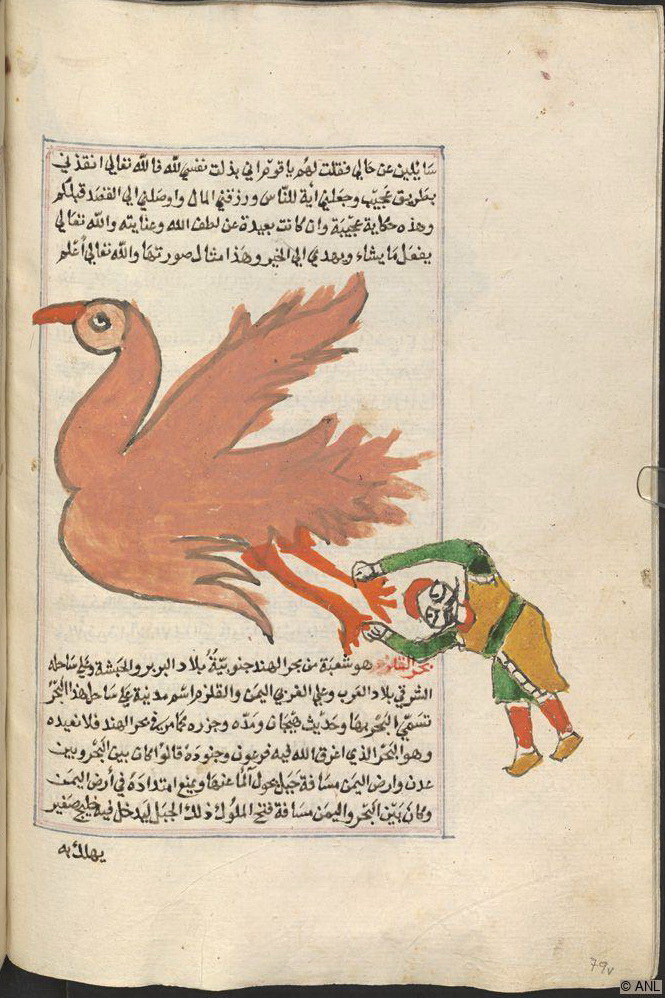
When I reached the mountaintop, I climbed out, and the eagles scattered in fear. Everything happened exactly as the merchant had said. Gems and treasures lay everywhere. I gathered a bagful and threw it down.
After a while I saw the merchant jump onto his horse and ride away at full speed.
I understood: I had been deceived.
A man can betray not only the one he sends into the depths, but also the one he raises to the summit.
I was left completely alone on the mountaintop.
Contrary to what the merchant had said, coming down was not easy at all. It was almost impossible. Deep ravines opened everywhere and sharp cliffs rose up. One wrong step meant death. There was no hold, no foothold, no surface to slide on, nothing—no small hollow or ledge that could offer even the slightest hope of descent.
Keeping my composure, I looked around. One ravine was less steep than the others. Perhaps I should try there. I had to start somewhere in this barren mountain land, because standing still here—waiting for what?—could mean nothing but death.
After my first steps, my hands, knees, and skin were torn by the sun-heated sharp rocks. My clothes hung in rags, I was covered in blood, but in the end I found myself on an unknown plain.
I had made it.
The sandy tone of the plain, its dry air, its desert climate signaled the beginning of a new tale.
I felt as if I were living through an endless chain of interconnected dreams.
For a while I walked across the boundless plain. After a long time, a white marble palace appeared before me. In its courtyard stood an old sage with a white beard, as if he had been standing there for a thousand years. His white silk robe was fastened with a belt reaching down to the ground. He clasped his hands over his stomach and smiled at me. I ran to him, kissed his hand and the edge of his robe. I wanted to learn about my path from this radiant-faced man and ask for help.
We sat beside a pool. We listened to the sound of a small fountain in the silence of the courtyard. I told him everything that had happened; he listened attentively. He stroked his beard with his index finger, smiling all the while. Every gesture of his radiated calm wisdom and maturity.
This place was the dervish lodge of the birds.

It was given to the birds by the Prophet Solomon. Shah Mürgh, who received Jihanshah, explained that birds from all over the world gather here every week. They discuss distant lands, different seasons, their migrations, and themselves in their own language.
Shah Murgh guided me through the palace. I was enchanted. Toward evening he said:
– “I am going to the assembly of the birds,” and left me alone. So I wouldn’t get bored, he handed me a bunch of keys — the keys to the palace’s forty rooms. “Go through them all, enjoy yourself, eat and drink. But never open the fortieth room, the one with the iron door! Don’t even touch it. Otherwise, you will suffer the most.”
I did as he said. I went through every room. Each one was a separate world—endless beauty, refinement, and richness of detail. Yet I couldn’t enjoy them; my mind kept returning to the fortieth room. From the moment I took the keys, I already knew I had to open it. I kept imagining it, living it in my mind. So I couldn’t truly enjoy any of the other rooms. The secret of the fortieth room made me forget everything else; the magic of the unknown blinded me, and I no longer even saw the rest.
I made up my mind: whatever happens, I will open the fortieth room.
Once I had already decided that I would live this story to its end.
And finally, I opened the iron door.
And the fortieth enchantment was revealed: a garden like a dream. A magical marble pool, too beautiful to be real. Behind it, in the light of the setting sun, a marble colonnade glowed red. Sofas soft as bird feathers, silk scarves, and satin covers reminiscent of the Arabian Nights rippled in the evening breeze.
A few moments later, three white doves appeared in the sky. Their wings touched, then formed a ring as they descended into the garden, to the edge of the pool. There they shook themselves, as if shedding garments—and turned into three supremely beautiful girls. I fell in love with the youngest at that very moment. They undressed, slipped into the pool, bathed, swam…
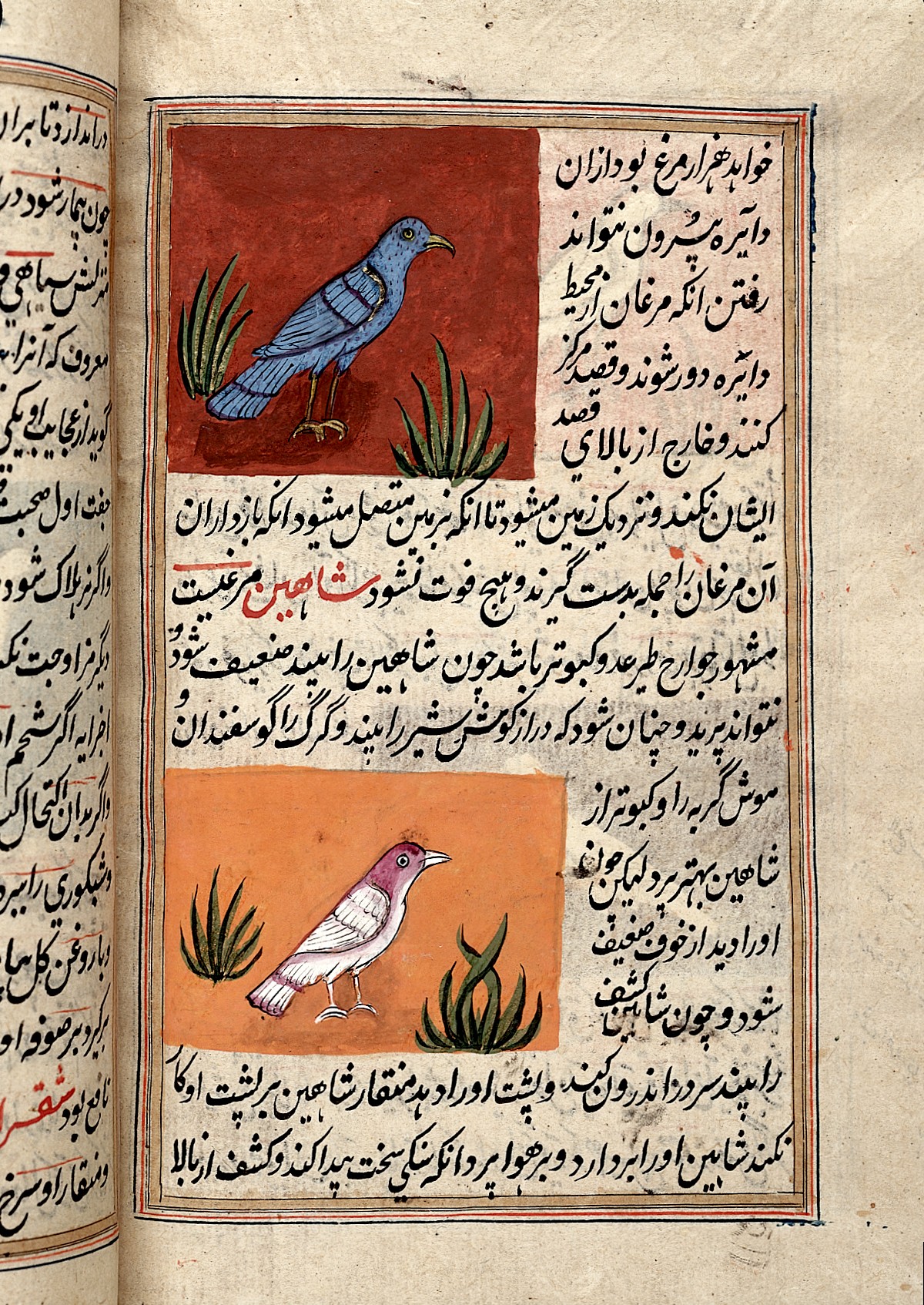
This beauty dazzled my eyes. I fainted in my hiding place…
When I opened my eyes, Shah Murgh was standing beside my bed, looking at me angrily. The three doves and the three girls were gone.
I apologized to Shah Murgh and told him everything that had happened. On his face there was an expression as if he had already known what would come.
– “I told you, O Jihanshah,” he said.
– “If this was a sin, then I have already begun my punishment,” I replied, pleading and hopeful.
Shah Murgh began to speak:
These were the daughters of the king of the fairies. The youngest is called Gevherengin. Their realm lies beyond Mount Qaf. Once a year they come, bathe in the pool, and then leave—every year on the same day. This had been happening for decades. It seemed I had no choice: I would have to wait a whole year.
Shah Murgh said:
– “When they come again next year on the same day, you must wait. After they enter the pool, you hide the dove-robe of the one you love. When she comes out, she will not find it, she will not be able to fly away as a dove, and she will remain with you—she will be yours.”
A whole year passed. The days were hard, long, and cruel.
The forty rooms of the marble palace stood like forty graves…

And the day came. Jihanshan hid himself. The pigeons appeared in the sky. It was as if the sky itself were rippling. Once again they descended slowly and gently, landed by the edge of the pool, shook themselves, cast off their shirts, and turned once more into three beautiful girls. They undressed and plunged into the pool…
I hid Gevherengin’s shirt. They searched for it for a long time, and when they could not find it, her sisters took off and flew away.
Gevherengin remained there.
Gevherengin became mine.
She begged and pleaded, but I did not give her back her wings, her feathers, her pigeon-robe. I told her about my love, about the year that had passed, about my whole life, so that she might love me.
And she fell in love with me.
She truly fell in love with me.
Shah Murgh married us in the monastery of the birds. Then we set off together… toward the land of Gülistan, to my father, to my homeland.
When we said goodbye, Shah Murgh said:
– “Under no circumstances return her wings, otherwise she will fly away. No matter how much she loves you, she will leave. Sometimes a person leaves precisely because they love. If you give her wings back, her heart will be torn in two. She will be forced to choose. And in the end she may choose her robe. Do not throw her into such a dilemma! It could make both of you unhappy, trapping you in a long and painful struggle. It is not worth it. Truly not worth it. Do not give her wings back! Now go, and may your journey be fortunate!”
We set out riding one of Shah Murgh’s birds. It was a long, colorful, joyful journey—full of happiness.

In the end, we arrived.
Tahmur Shah was overjoyed to see Jihanshan again after so many years. He held a great feast and crowned his joy with a magnificent celebration for the return of his son and his happiness. Gevherengin also seemed happy.
The overwhelming layers of joy intoxicated me completely. Our first night together left me dazed. I left Gevherengin’s pigeon-robe outside. The next morning, as she seized it, she turned into a pigeon and flew to the roof of the house opposite. When I woke up, she was no longer beside me. Sitting on the rooftop, she spoke:
– “O Jihanshan! Through cunning you separated me from my own kind, from my homeland and my people! Yes, you loved me—I know that. You thought your love could solve everything, that it would be enough for anything. I also fell in love with you, I do not deny it. But when I fell in love with you, our conditions were not equal. You left me no choice but to love you. I did not choose love myself. Now I must reconsider alone whether I love you, and other things too… If you truly love me, you will come after me. This is your country, among your own people—you can be happy here. But what am I to do? You never thought of that. Love is not easy, Jihanshan. Love requires work. Now I am returning home, to my father. My homeland is called Kevherengin. I will wait for you.”
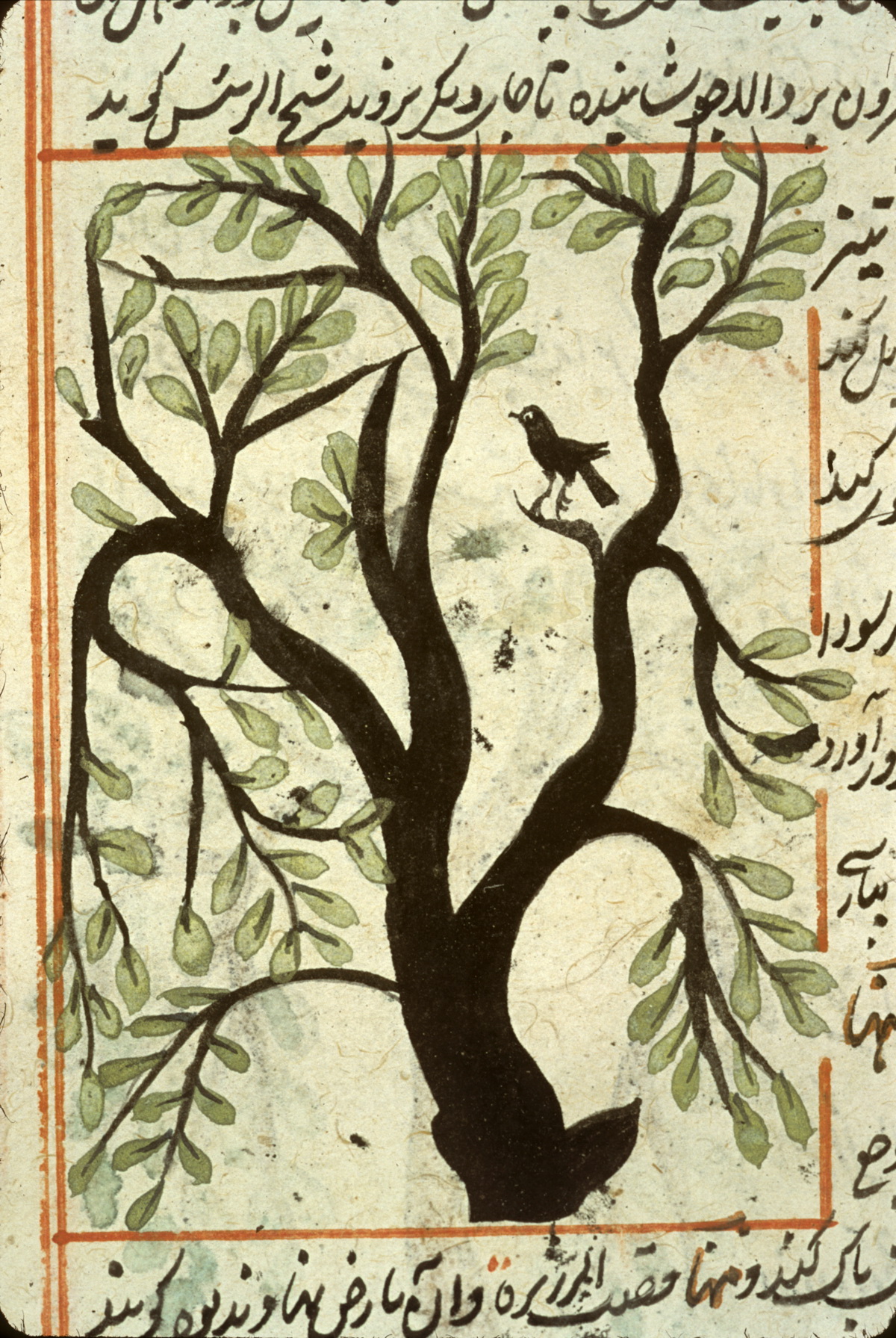
Then she left. She circled a few times in front of Jihanshan’s window, said farewell, and disappeared.
The sky was completely empty now.
And for days thereafter, Jihanshan gazed into that emptiness.
The entire palace learned the truth at once. All scholars, travelers, merchants, seers, geomancers, and dervishes were summoned to the palace. Those who had seen much and knew much gathered—but no one knew where Kevherengin’s land was, nor had they even heard its name.
Jihanshan stood in despair. Days, weeks, and months passed. He burned in his own love, struggling in the arms of hopelessness. If he had known where to go, he would not have remained in the palace for a moment, but a vast world and the four directions of the earth stood before him. The palace closed around him like a lion’s cage, binding him.
One day he thought of going to Nehrevan. But no one knew that place either. So he decided to go to Baghdad, the city where the tales of the Thousand and One Nights live, where he would surely find someone who knew. There was no other path, no other hope. He would once again live through his destiny, and upon reaching the same point, act differently—and thus change it.
And indeed, in Baghdad I learned the direction of Nehrevan. It took days and nights, but I found it. Forgetting all my fatigue, I set out toward Nehrevan. As soon as I entered the bazaar, a town crier shouted:
– “Whoever wishes to win a beautiful slave girl worth a thousand gold coins, follow me!”
I followed him.
I followed my destiny.
Everything happened exactly as before. The merchant did not recognize me, for he met hundreds of young men every day, deceiving them to increase his wealth. To him, every face and every youth was the same.
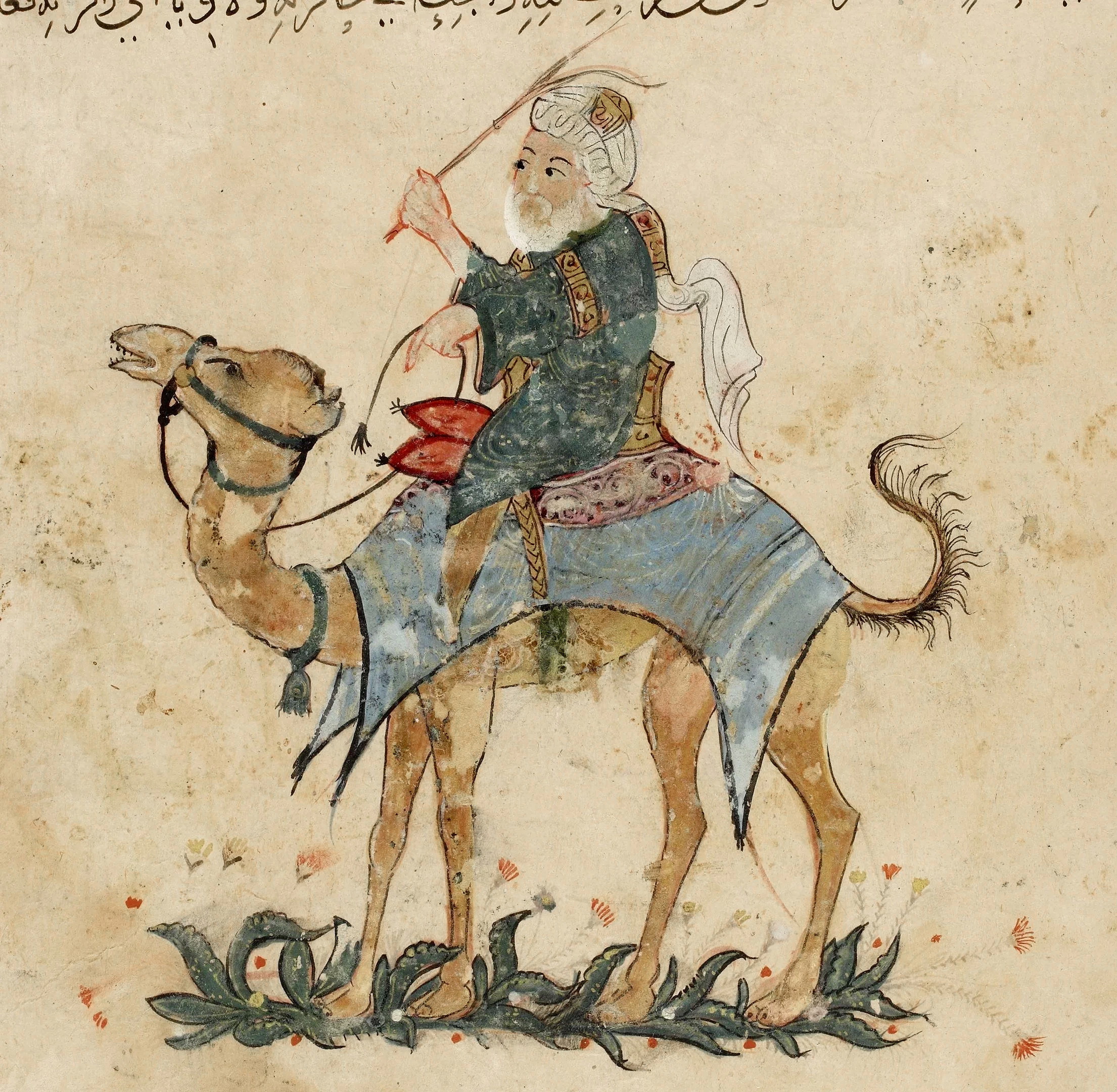
We reached the foot of the mountain. I slipped into the deer’s skin, the eagles lifted the carcass, and I was carried up to the summit—only to be deceived again. From there I came back down to the plain, found the marble palace and Shah Murgh. He said:
– “My son, didn’t I tell you not to return her wings? Your love has not yet been tested. You were blinded by the romance of your story—you were inexperienced. It’s not as easy to start everything over as you think. Besides, they haven’t come back since. You disrupted the order of the monastery, and you yourself became unhappy. The overflow of your emotions didn’t even let you truly experience them. No one around here knows where they are or where their homeland is. Wait for the coming months, when Zümrüd-ü Anka arrives. Only she knows where they are. But whether she will take you there or not is uncertain.”
The days of waiting began again.
My only hope was Zümrüd-ü Anka.
She was the hope of every hero in every tale.
Months later she arrived, and I begged her for a long time. She was accustomed to love and lovers; she knew the value of affection. She had heard so many stories from those she carried on her back, had grown old within so many tales. She understood me too, and let me climb onto her back—but she agreed to take me only as far as Mount Kaf. She dared not go further; she was afraid of the fairies. It seemed absurd to me that even a mighty Zümrüd-ü Anka could be afraid.
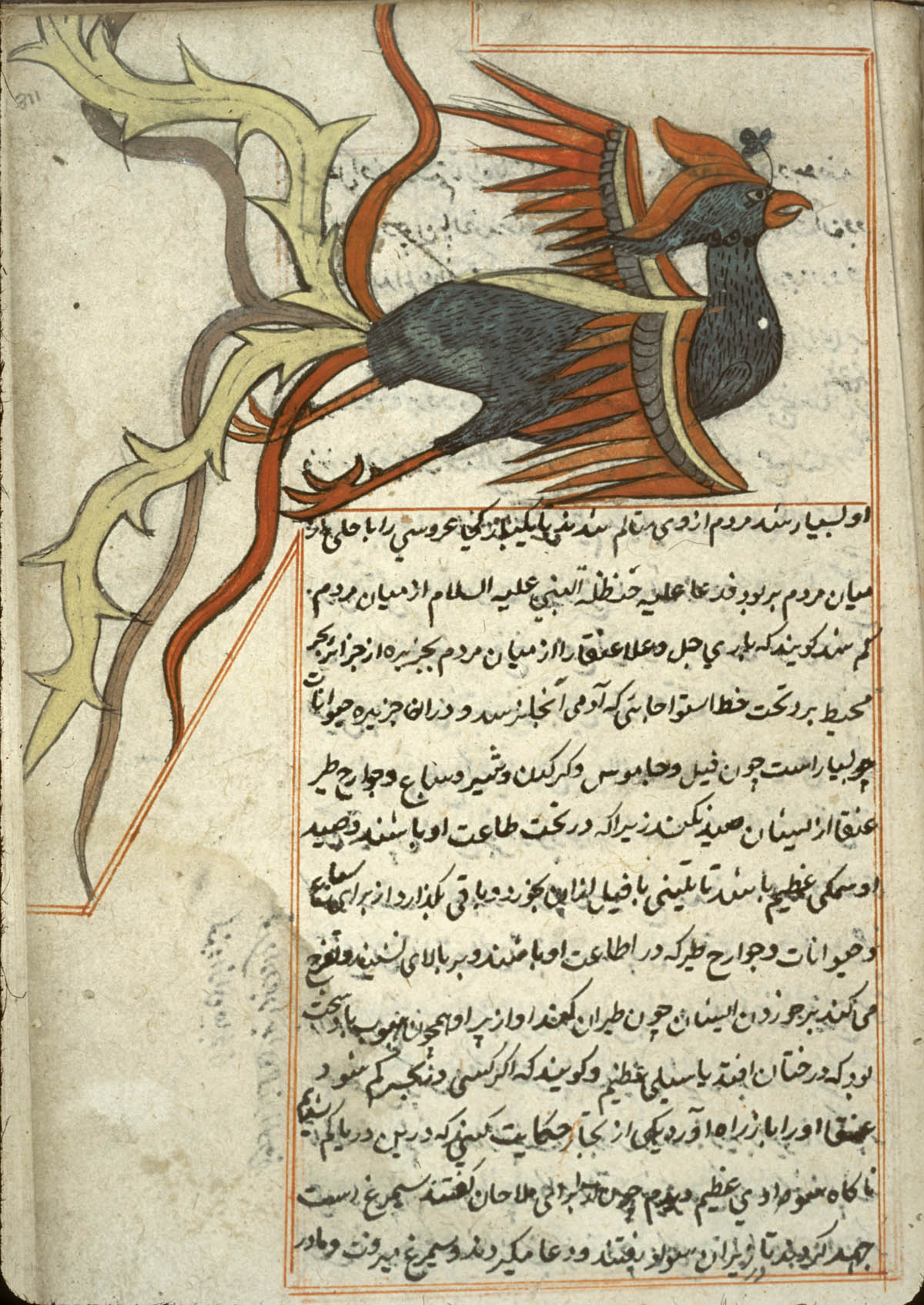
On the way we became friends. We crossed Mount Kaf, and she agreed to carry me over yet another mountain range. From the back of Zümrüd-ü Anka, the world looked completely different. We passed countless mountains, hills, plains, and lands.
Where we finally landed, a shining white palace stood opposite us. It glowed in a whiteness polished by the wind. Everything was covered in a heavenly blue. When I reached the ever-changing gate of the white palace of Gevherengin’s realm, the fairies saw me—and Zümrüd-ü Anka had already disappeared.
I fell into the captivity of the fairies and told them my story. Gevherengin had already been waiting for my arrival for months.
They took me straight to the king of the fairies.
It was a trial, and I passed it: I stood at Gevherengin’s gate…
Beyond Mount Kaf, I found the fairy palace with its long towers reaching into the pink clouds, and I reached Gevherengin’s gate. I tried to recall her face, but it had almost completely faded from my mind. Whenever I thought of her, a dove would take flight and carry her image away.
The fairy king believed that I loved his daughter. How he believed it, I do not know, for I did nothing to convince him. Perhaps he believed me precisely because of that—because of the simplicity born of the storm I had endured.
Once again we were married according to their customs. I thought happy days were beginning. Gevherengin was by my side, but I did not feel at home. I was a stranger. Everything was new and unfamiliar; not a single memory tied me to this land, nothing recalled my childhood. Day by day I grew dimmer and more unhappy; my gaze drifted far away, my smile became meaningless.
Gevherengin understood. She knew the cause of my unhappiness and restlessness. She tried to help, but could do nothing. For even if I had come willingly, I was still an exile—and reaching an exile is no easy task.
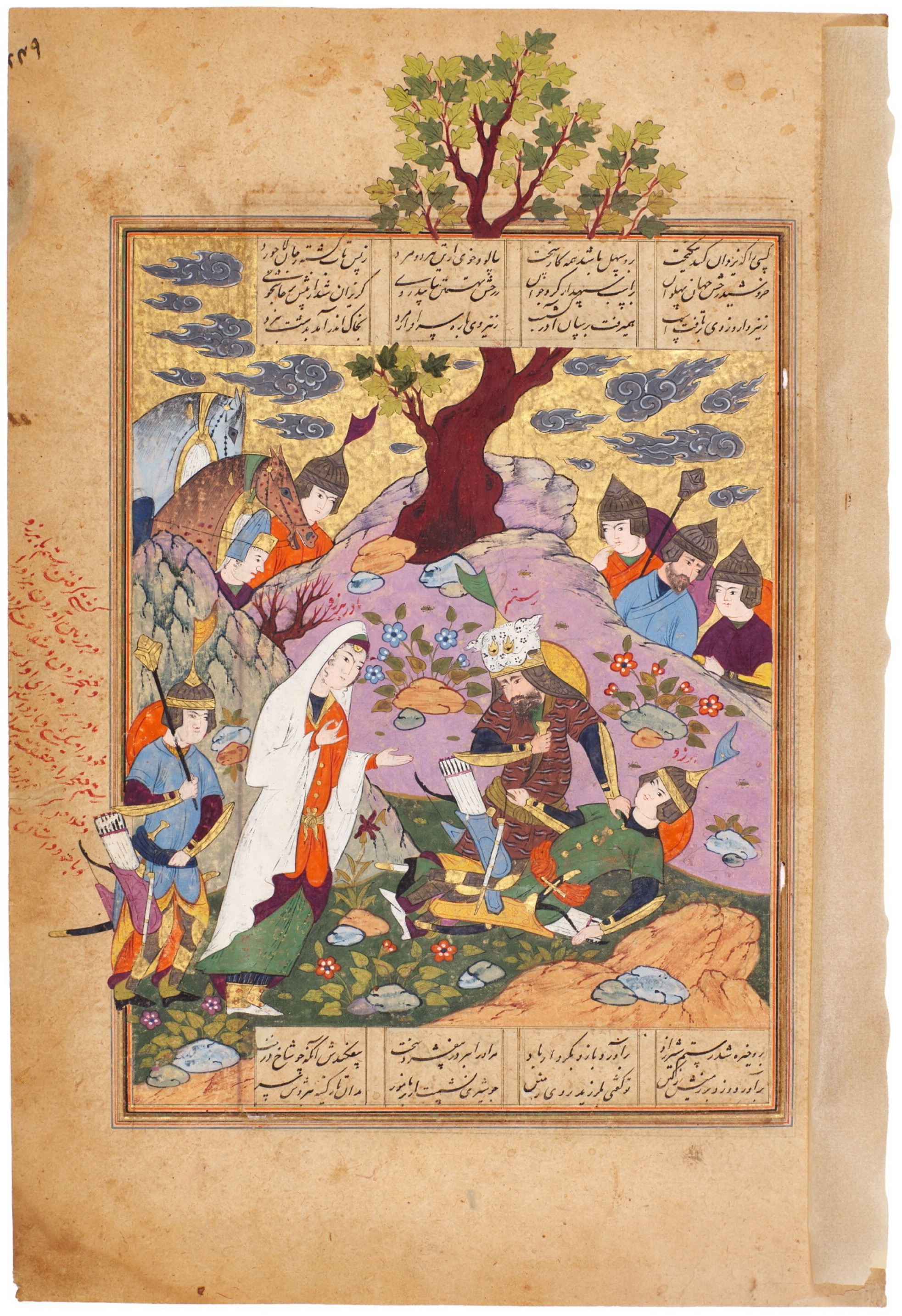
In the end she offered to return with me to my homeland. I knew it was a sacrifice. She wanted to repay my sacrifice with her own. Yet she would have to endure the same suffering as I did. After some time, she too would feel in my country the same alienation and loneliness that I felt here.
When I told her all this, she smiled:
– “You are a man,” she said, “you cannot change your shirt. I am a woman; it is no trouble for me to wear your colours. What you were never taught as a man, I was taught as a woman. That is all.”
I had no hope left but to believe and trust her. I knew this was the selfishness of men and of love.
After a while we set out. The fairy king gave us a group of ifrits as guardians. We travelled slowly, stopping often, trying to enjoy the journey. That is why it became so long.
At one of our resting places the ifrits sat drowsily while I kept the fire burning so it would not go out. Gevherengin rested a little apart in our tent. Suddenly, out of nowhere, a pack of leopards attacked us. No one knew where they came from or what they sought in that deserted wilderness. In an instant they overwhelmed us, and only the torn body of Gevherengin remained after them. That red tent had called death. I found no words for my grief. In every attack I had survived, so that I might carry within me for life the sorrow of the torn.
And now Gevherengin… in the very time of our youth, the most beautiful and happiest time of our lives… From that day on, no more leopards were ever seen in that land…
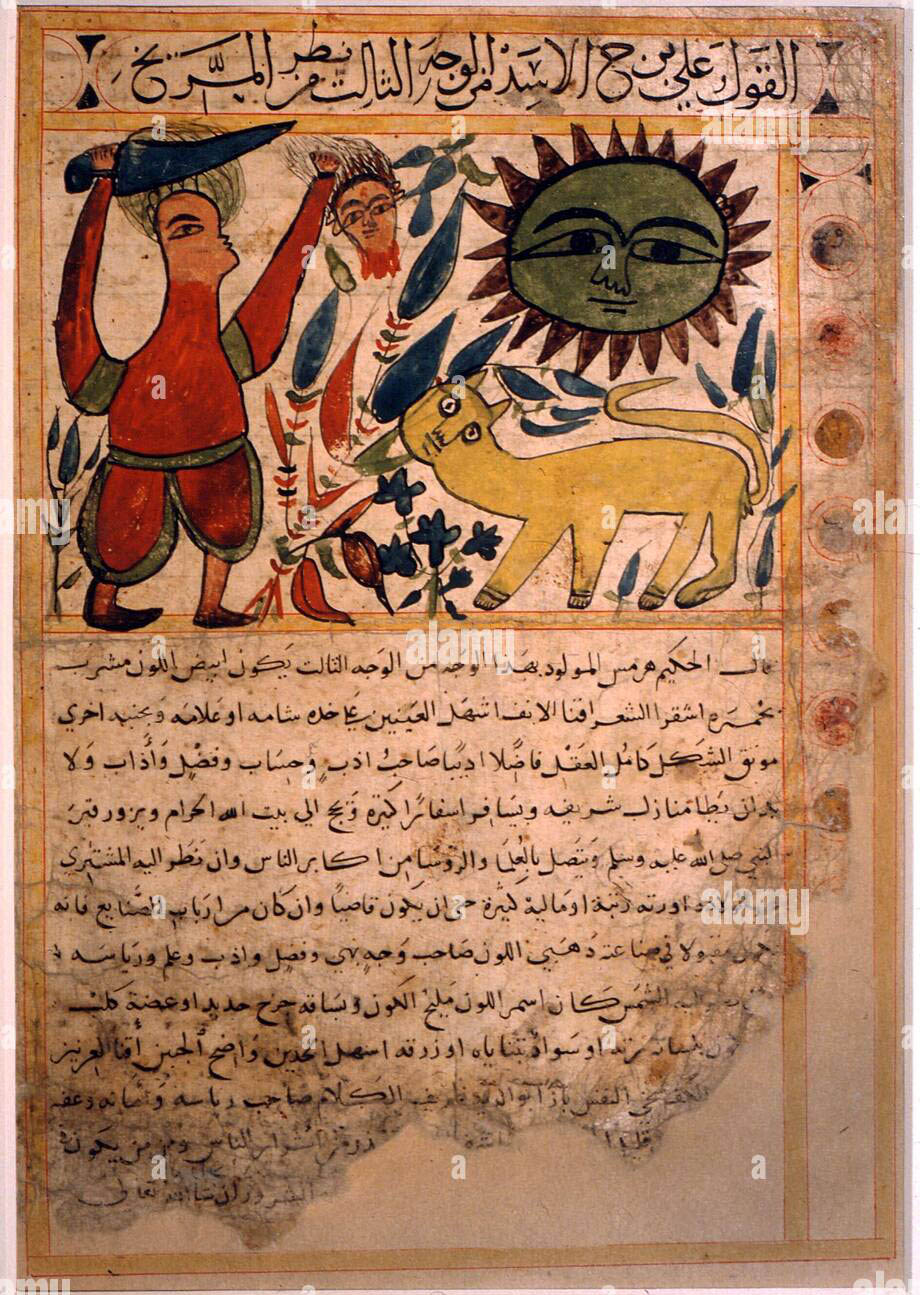
An ifrit went to the fairy king and told him everything that had happened. The king appeared beside his daughter’s lifeless body. I asked him:
– “O my honorable king! Allow me to bury my wife where she died, and to guard her grave for the rest of my life. This is my last and only wish from you,” I said.
The king, who believed in my love, also believed my pain.
– “They say great love cannot exist without great sacrifice,” he said. “I have nothing to say, O Jihanshah. It is not my place to separate you. Do as you wish.”
Here, O Belkıya! From that day on, I have been guarding this grave. I am guarding my own death. I only watch the changing of the seasons…
When Jihanshah finished his story, Belkıya stood up:
– “I know you do not wish to return among people. I can do nothing but wish you peace of soul. I will depart now.”
Jihanshah accompanied Belkıya, their fingers touching once again. Their stories had become intertwined.
Fate set Belkıya on another long journey. In the end, he arrived at a great garden. A garden… a garden again! The feeling of a lost paradise! No sooner had Belkıya entered than a huge fan opened before him, hiding the view of the garden. This fan, this colorful enchantment, was more beautiful than the garden itself, for although it was not a garden, it evoked one through its shapes and colors.
Then the fan closed.
And before Belkıya stood, in all its glory and beauty, Tavus-u Âzam, the Great Peacock.
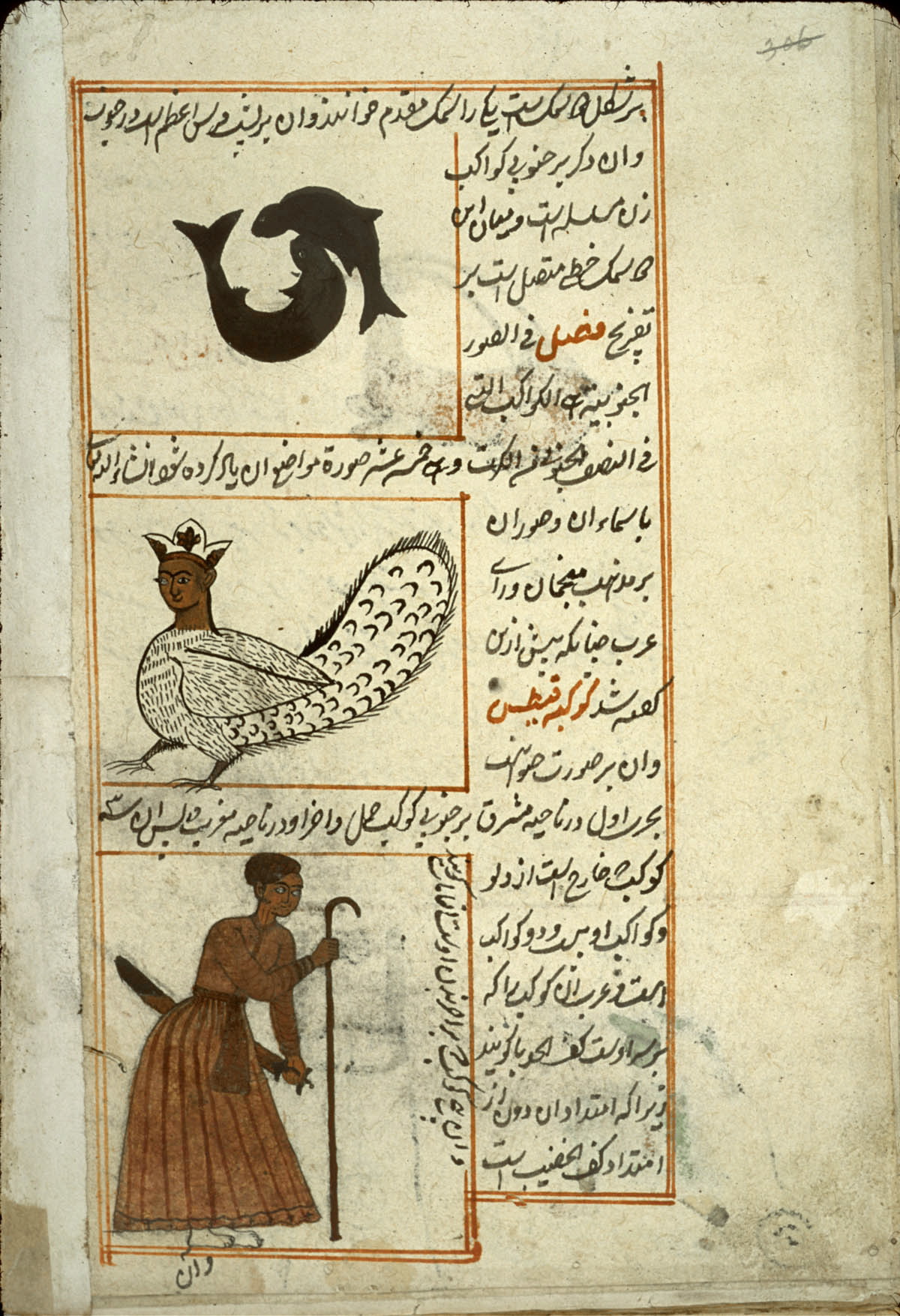
Belkıya asked:
– “O beautiful bird! O blessed bird! Where are we? Who are you?”
– “This is the garden of Hızır (Khidr). I live here. I am called Tavus-u Âzam, the Great Peacock. I was cast out of Paradise together with Adam.”
Tavus-u Âzam told Belkıya how he had been expelled from Paradise. He told it in a completely different way. Belkıya listened in astonishment, as he had to rethink everything he had known.
– “It does not matter,” said Tavus-u Âzam. “That is the subject of another story.”
Belkıya asked:
– “O Tavus! Can you send me back among people, to my homeland?”
– “That is not my task,” he said. “Wait—Khidr will come soon. You can tell him your trouble; perhaps he will send you back home.”
Khidr listened to Belkıya. When he finished, he said:
– “Close your eyes,” and took his hand. Belkıya closed his eyes tightly. When he opened them again, he was standing in front of his palace.
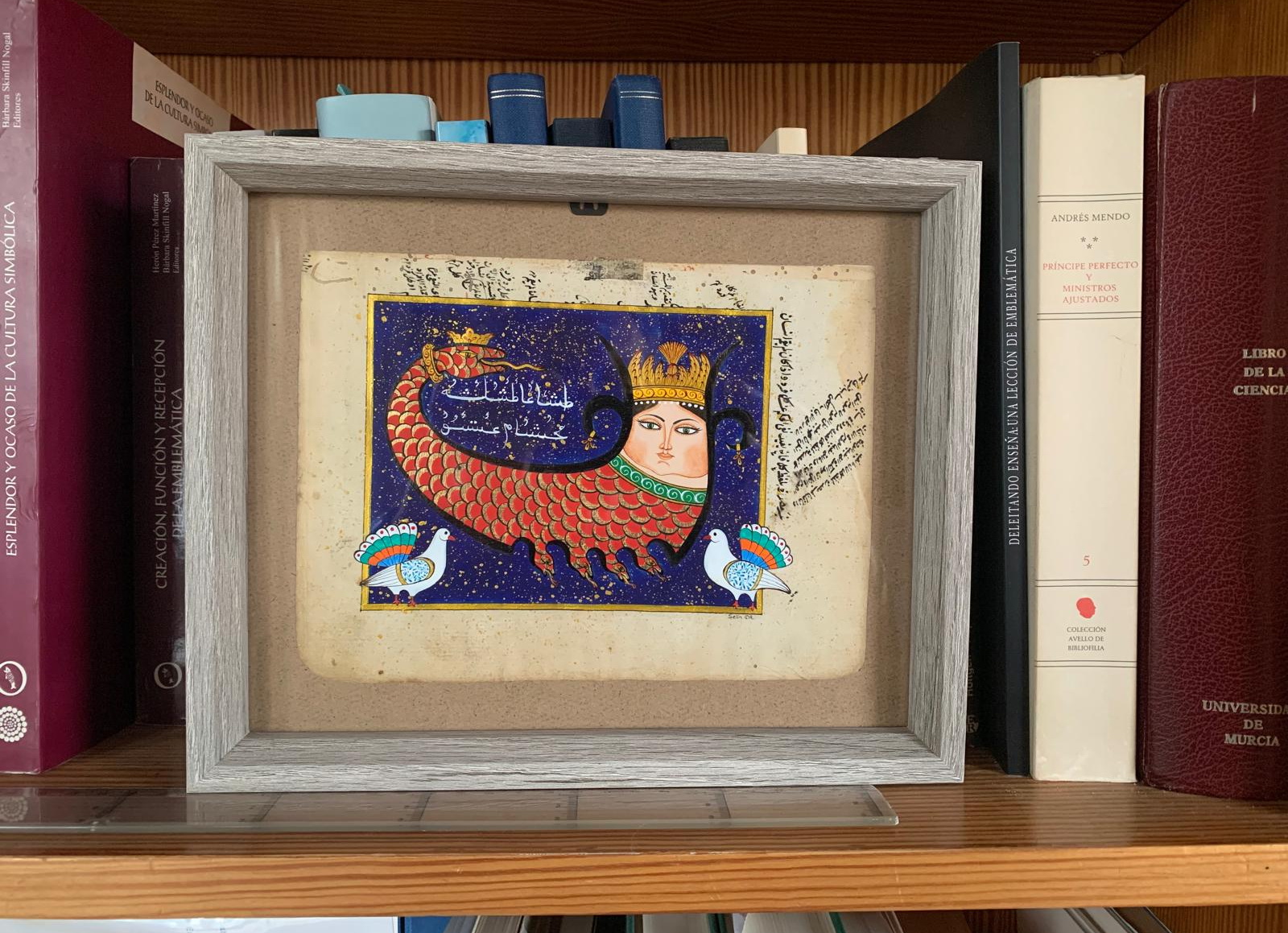
Shahmeran fell silent here.
Jamsap stood in amazement. Belkıya’s return had come suddenly, like a shock.
– “So the whole adventure ended in a single moment?” asked Jamsap.
– “That is life,” said Shahmeran. “Life itself ends in a single moment too, doesn’t it?”
She was sad. She had reached the end of the tale, and she knew Jamsap would leave.
– “I cannot continue this story,” said Shahmeran. “Besides, the thousand and one nights have already come to an end.”
– “Then should I close my eyes too, O Shahmeran?” asked Jamsap.
Shahmeran replied:
– “I know you are leaving. I cannot keep you here any longer. I have only one request: after you return to your homeland, never go to a bathhouse. For whoever sees Shahmeran and still goes to a bath will have scaly skin below the waist, revealing his secret. Then they will know he saw me, that he met me.”
Jamsap swore again. He made long promises that he would tell no one, and that he would never enter a bathhouse.
Shahmeran called one of her ifrits and ordered him to escort Jamsap to the exit.
– “Go now,” she said. “Do not stop. Leave at once.”
Then she cried for a long time after him.



Add comment