

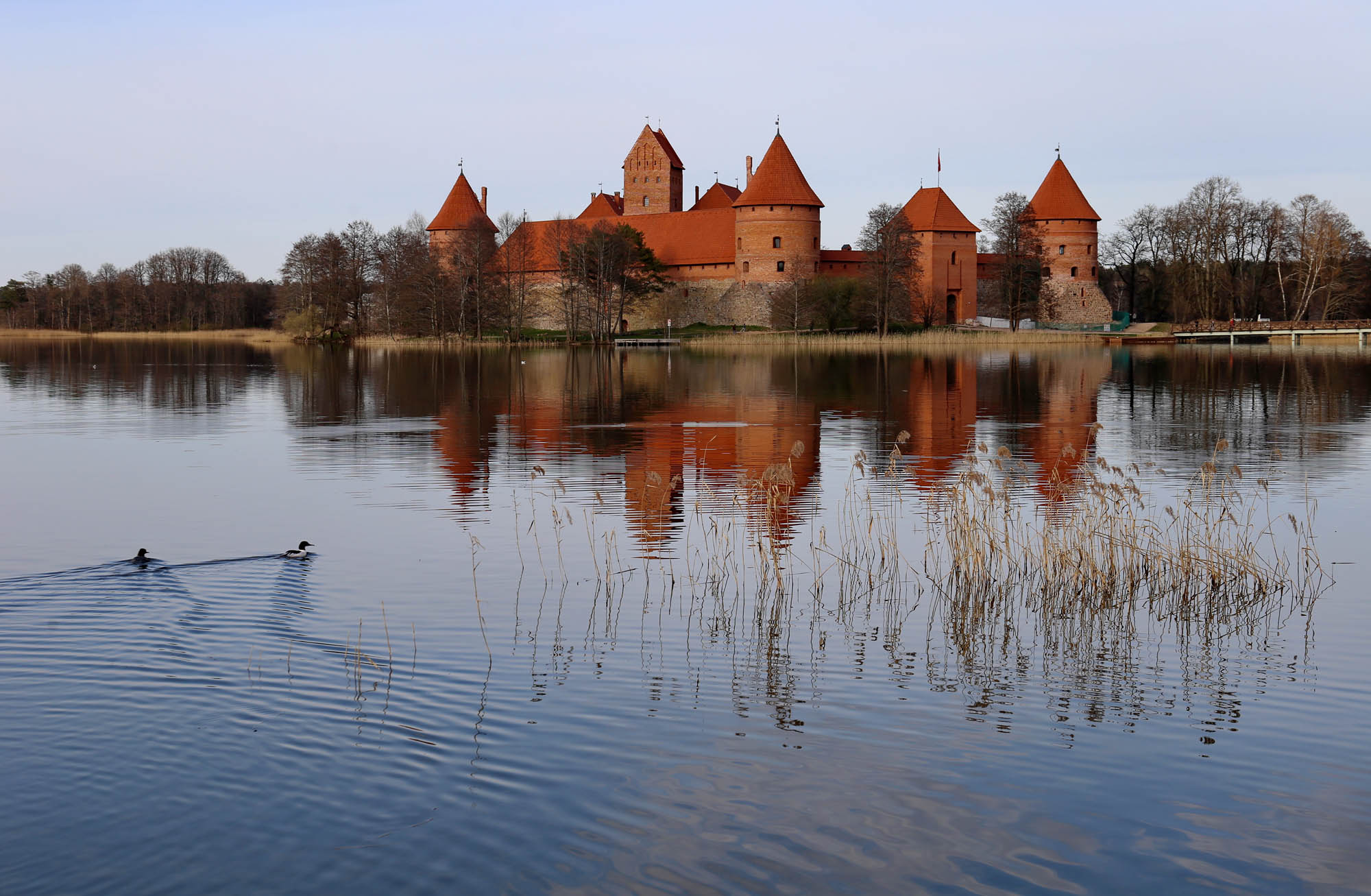
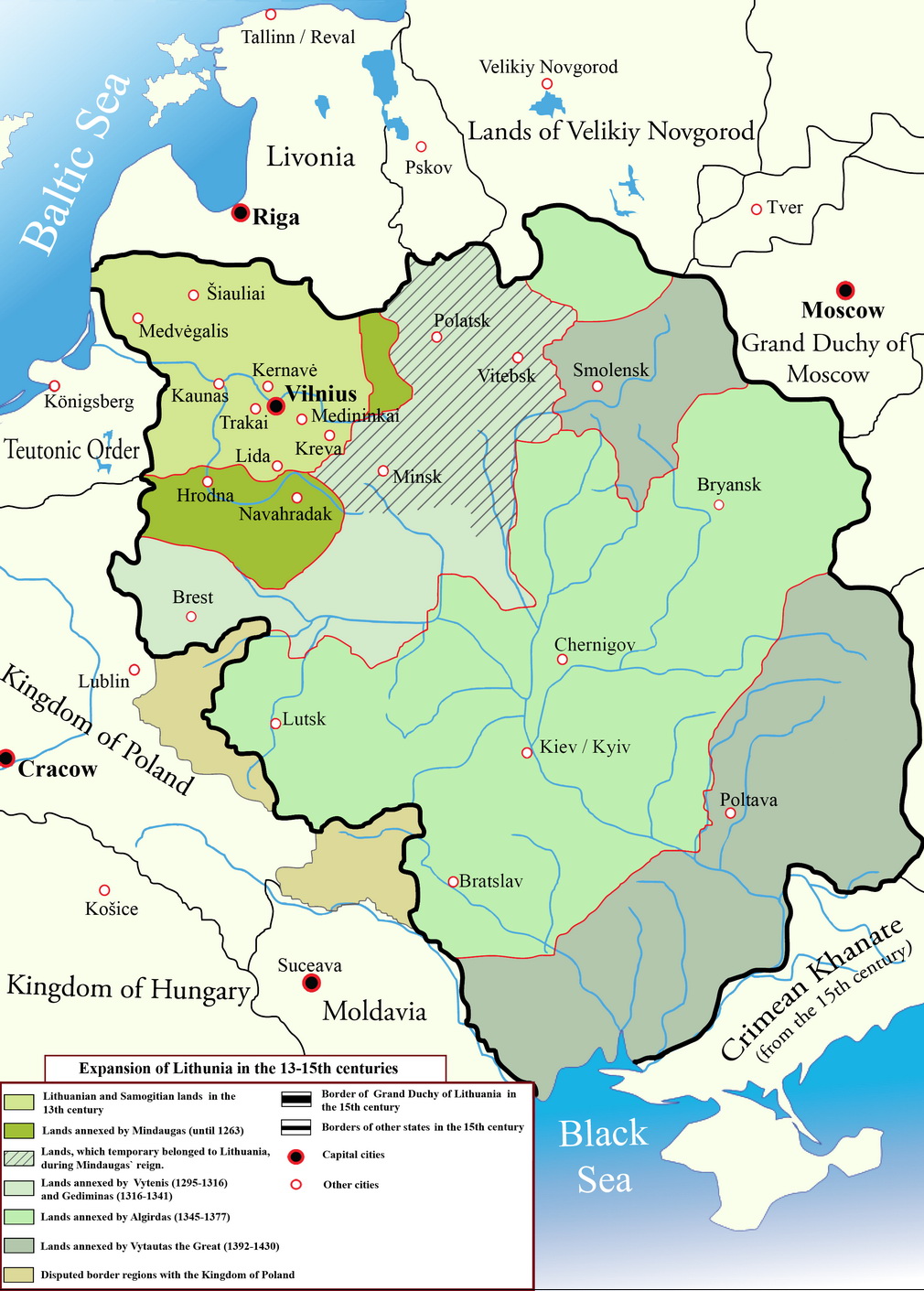
Trakai, the medieval princely castle of Lithuania, was founded in 1337 by Grand Duke Kęstutis on a well-defensible island in Lake Galvė. His son, Vytautas the Great (1350–1430), later settled the lakeshore with military communities he encountered during the southern expansion of his realm: Crimean Tatars and Karaite Jews.
The emergence of Karaite Judaism is traditionally linked to Anan ben David of Babylon, who around 770 composed his Sefer ha-Mitzvot, in which he set out a method of reading the Torah that later came to be called Ananite and then Karaite.
The story of Anan ben David’s rise is emblematic of the entire movement. Around 760, he and his younger brother competed for the office of exilarch, the leader of the Jewish diaspora. The rabbis of Baghdad chose his less learned but more pious brother Hananiah over the highly educated but free-thinking Anan. In response, Anan rebelled and founded his own sect, but the caliph al-Mansūr—concerned with maintaining unity among minorities—had him imprisoned. There he met the famous Muslim jurist Abū Ḥanīfa, who advised him to present his movement not as a divisive sect but as an entirely new “religion of the Book.” Anan followed the advice, even pointing out similarities between his teachings and Islam, and thus won the caliph’s favor. Karaite history, therefore, begins from the outset with a gesture of distancing from Judaism.
For his followers, Anan claimed that the prophet Elijah appeared to him in prison and told him that his imprisonment was divine punishment for the mortal sin of misreading the Torah. The sin consisted in relying on rabbinic interpretation, the Talmud, when the Torah itself contains the key to its own reading. Hence the name of the movement: קראים (qaraʿim), meaning “readers.”
The Karaites took a position toward rabbinic Judaism somewhat similar to that of the 16th-century Protestants toward Catholicism: they rejected oral and institutional tradition and accepted only meanings derived directly from the sacred text through linguistic and contextual analysis. Like Protestant exegetes, they also had their own great scholars, above all the 10th-century Jerusalemite Yefet ben Ali, who based interpretation on Hebrew grammar and biblical parallels. One might even say their method relates to rabbinic exegesis as modern academic Jewish studies does today.
But the origins of Karaite thought reach further back. Their textual critique was also a form of social critique. In late antiquity, rabbinic Judaism became increasingly institutionalized, claiming authority through an oral tradition and its own legal system—a kind of “second layer of law” embodied in the Talmud. Naturally, the question arose whether this additional layer was binding on everyone. Many Jewish groups answered no, and it was this rejection that the Karaites came to represent.
As a non-rabbinic alternative within Judaism, the Karaite movement spread widely from the 9th century onward, from Egypt through Byzantium to Persia. Rabbinic Judaism only became dominant from the 12th century, while the Karaites were pushed into small peripheral communities in Egypt and Crimea, and more recently in Israel.
A good example of the difference between rabbinic and Karaite interpretation is the biblical commandment: “You shall not boil a kid in its mother’s milk.”
Rabbinic interpretation turns the concrete elements (kid, its mother’s milk) into categories (meat and dairy), and from this derives the Talmudic prohibition of mixing them. The Karaites, taking the command literally, simply avoid boiling a kid in its mother’s milk, but otherwise mix dairy and meat, for example in their finest Crimean pastries. Modern scholarship suggests, by the way, that boiling a kid in its mother’s milk may originally have been a Canaanite magical formula or ritual, and that the biblical command was meant to prohibit such practices.
The Karaites reached the Crimean Peninsula between the 9th and 12th centuries, where its peripheral position and ethnic diversity contributed to their survival. Following the Tatar conquest of Crimea, their native language gradually became Turkic, just like that of the Crimean Armenians, who continued to speak it even after moving to Poland and even Transylvania, much like the Karaites settled in Lithuania by Vytautas.
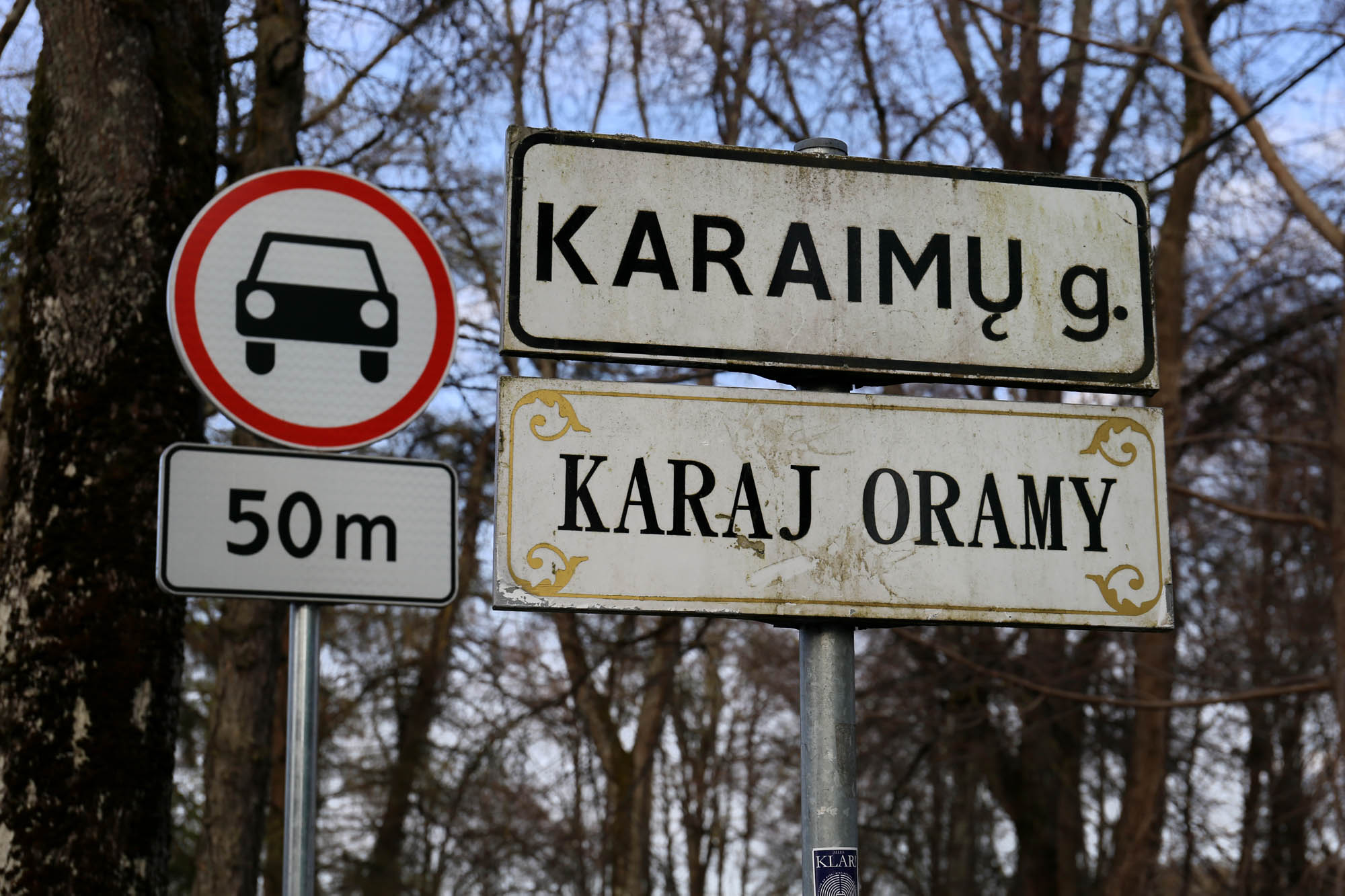
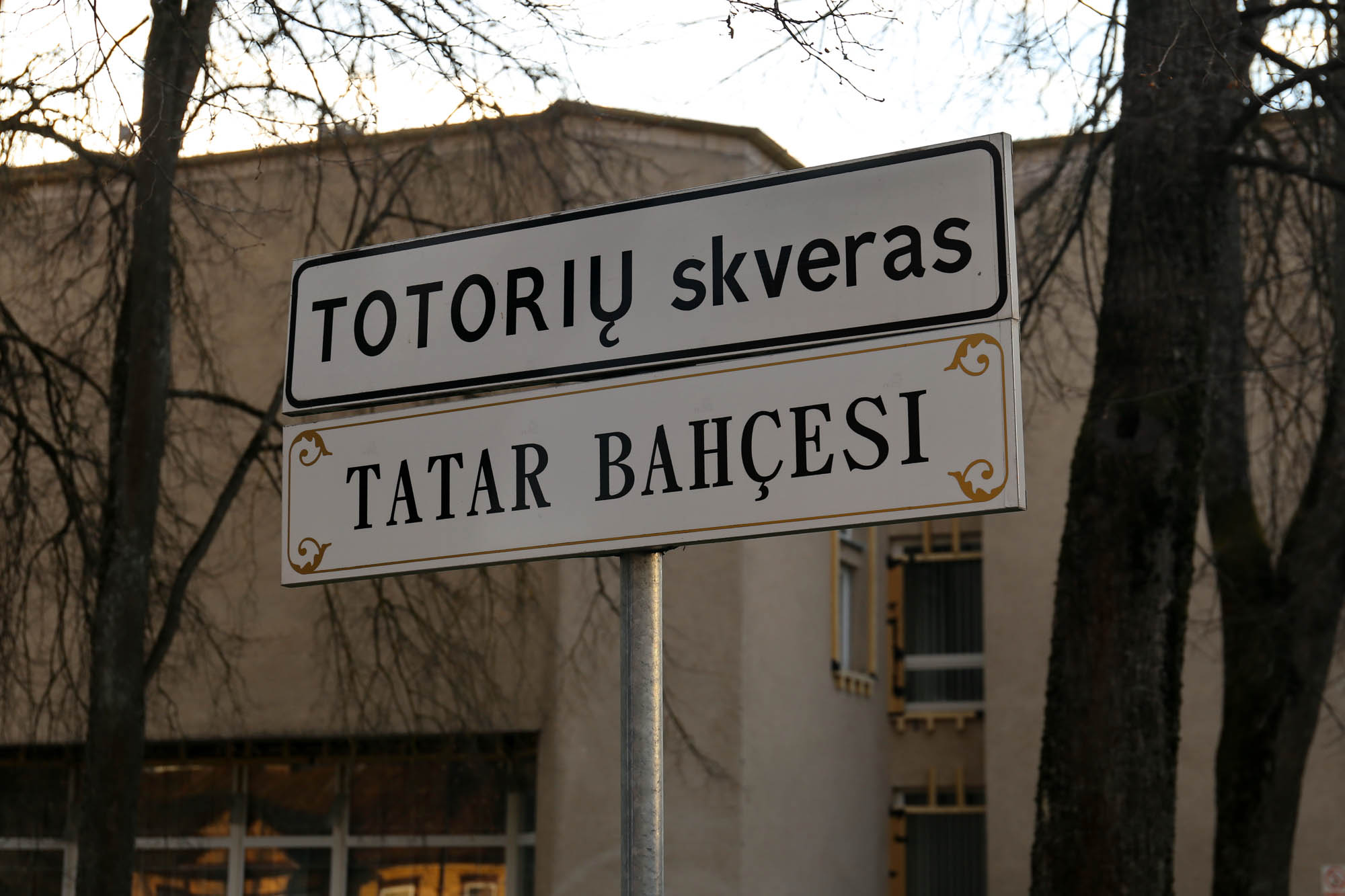
The Karaites of Trakai still live today in well-kept wooden houses along the lake surrounding the castle island. Their main street bears both the Lithuanian name Karaimų gatvė and the Tatar name Karaj oramy, and likewise the central square is bilingual: Totorių skveras / Tatar bahçesi, i.e. Tatar Square.
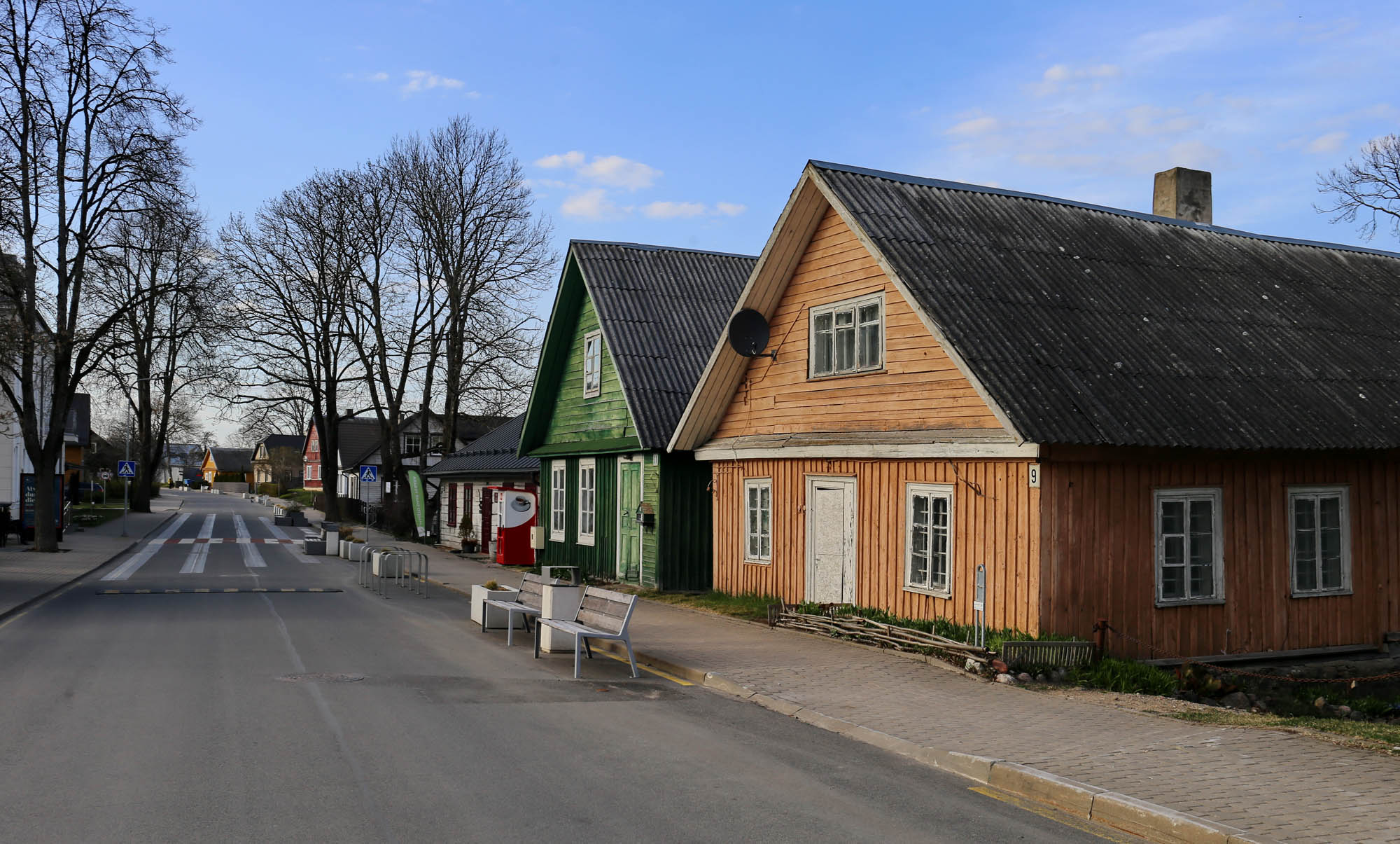
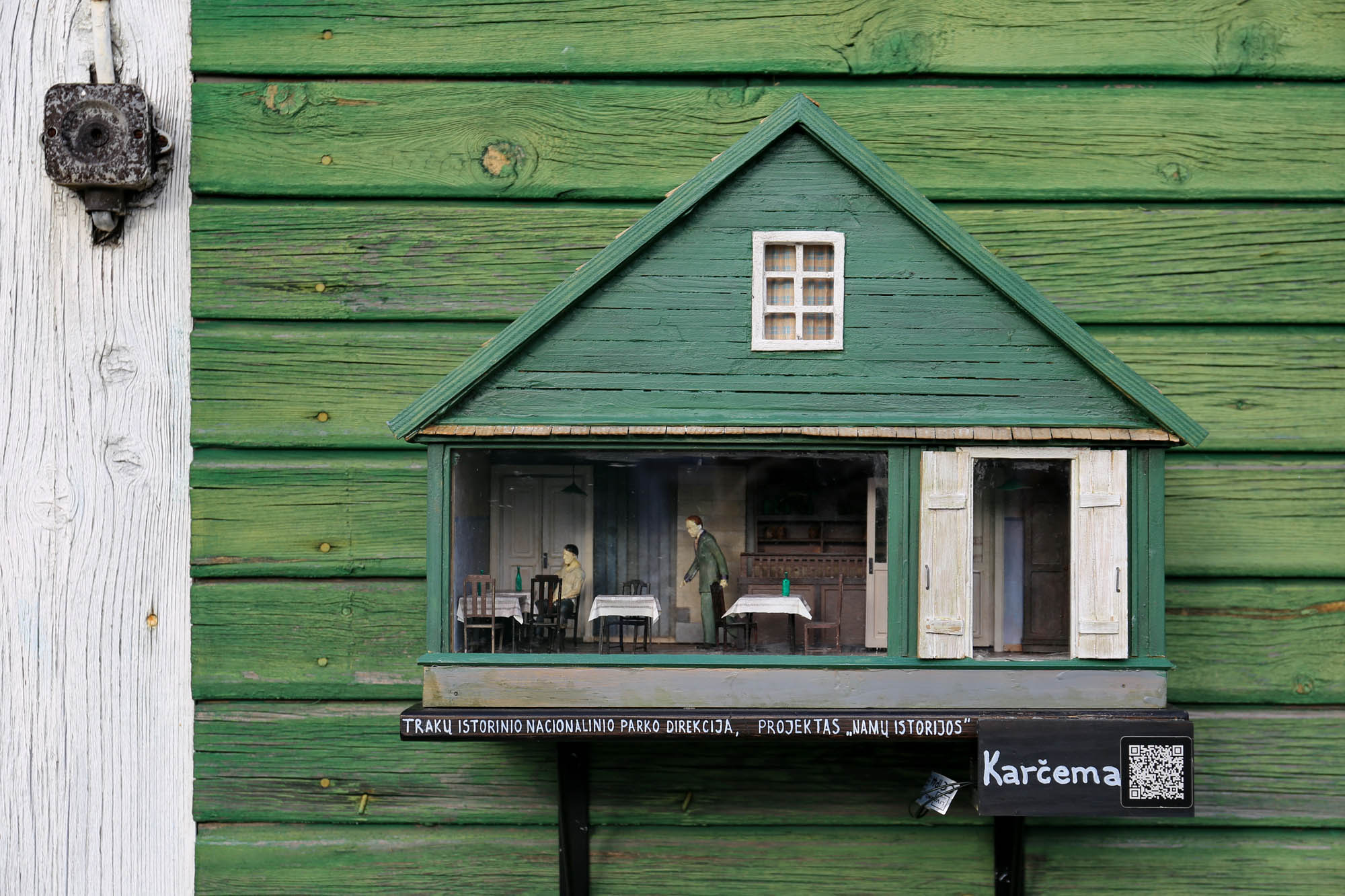 Some houses—even the tavern here—feature small dollhouse-like models illustrating their former function
On the western side of the street stands the wooden kenasah, i.e. synagogue, which today is only opened on major religious holidays.
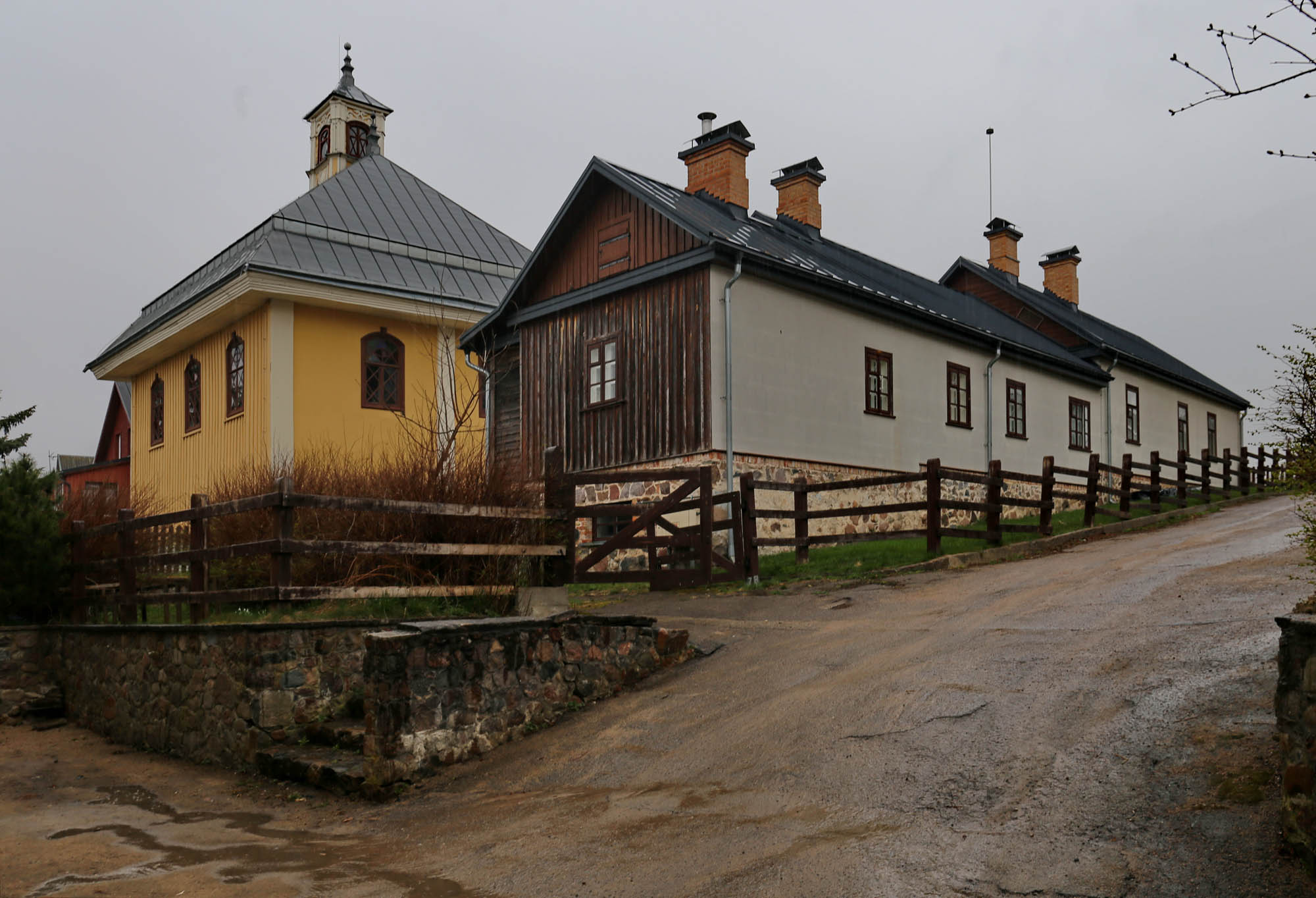
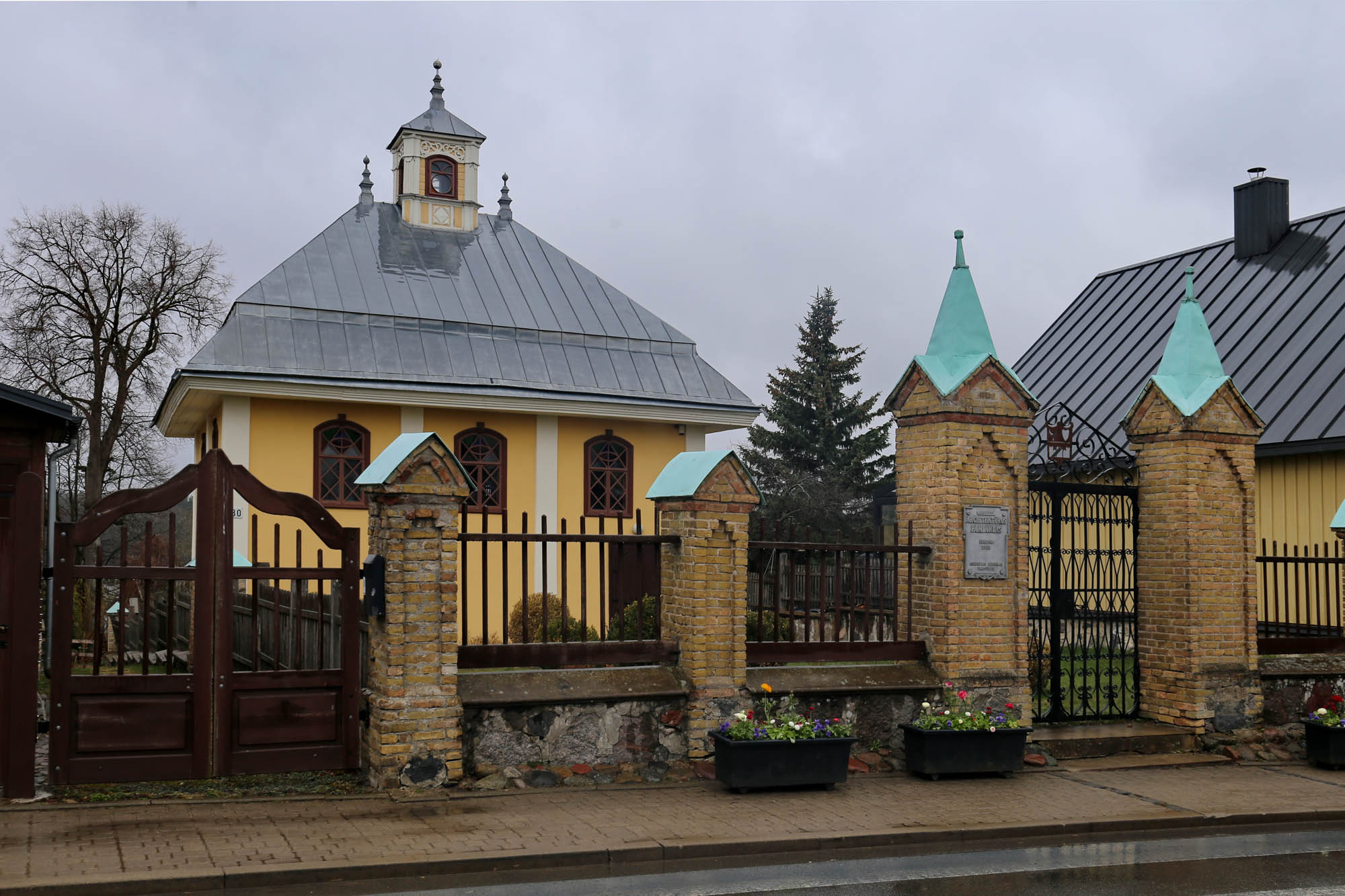
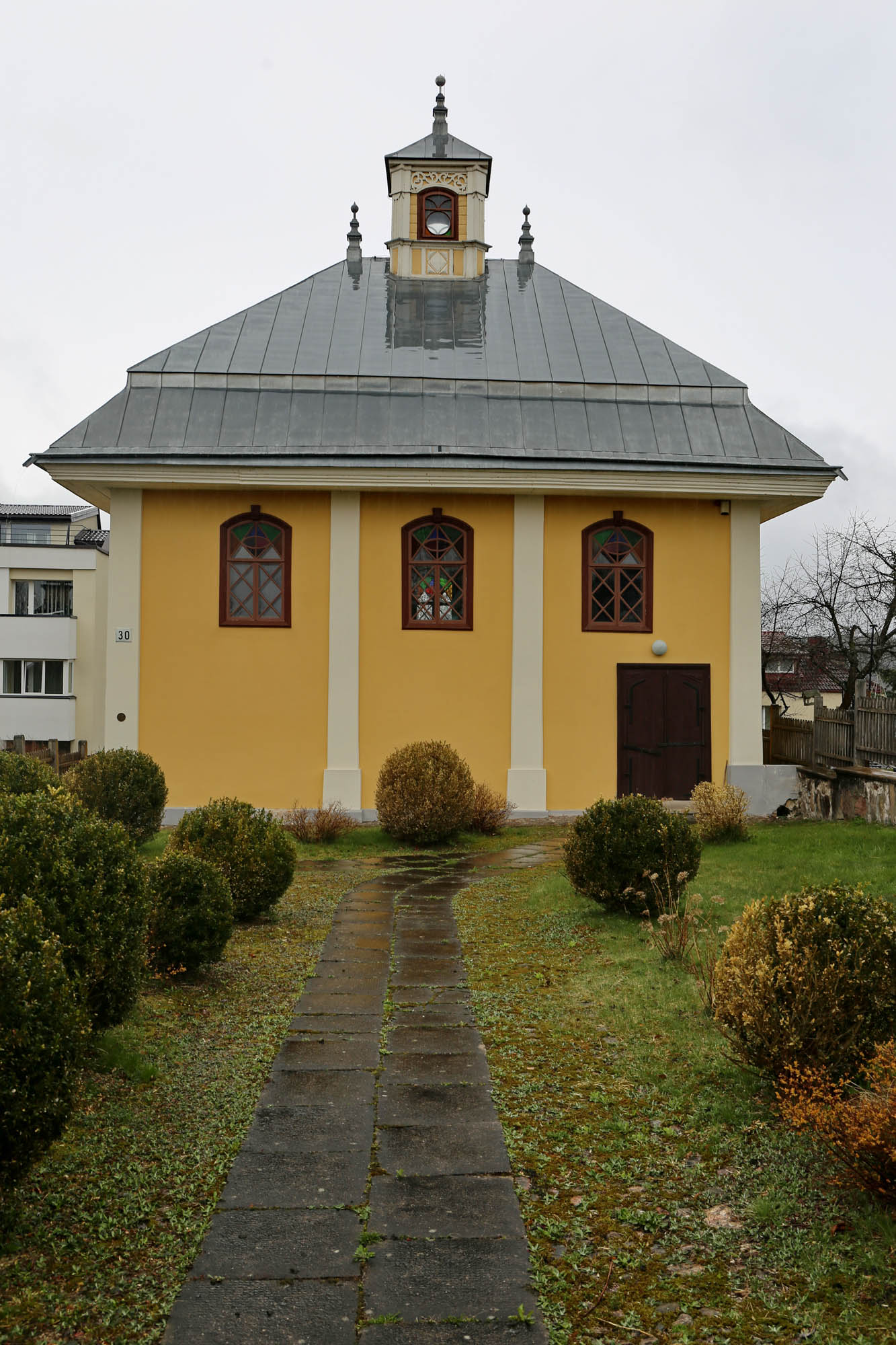
Next to the synagogue opens the Karaite ethnographic museum, named after Seraya Szapszał, the last Polish-Lithuanian Karaite hakham, i.e. chief rabbi.
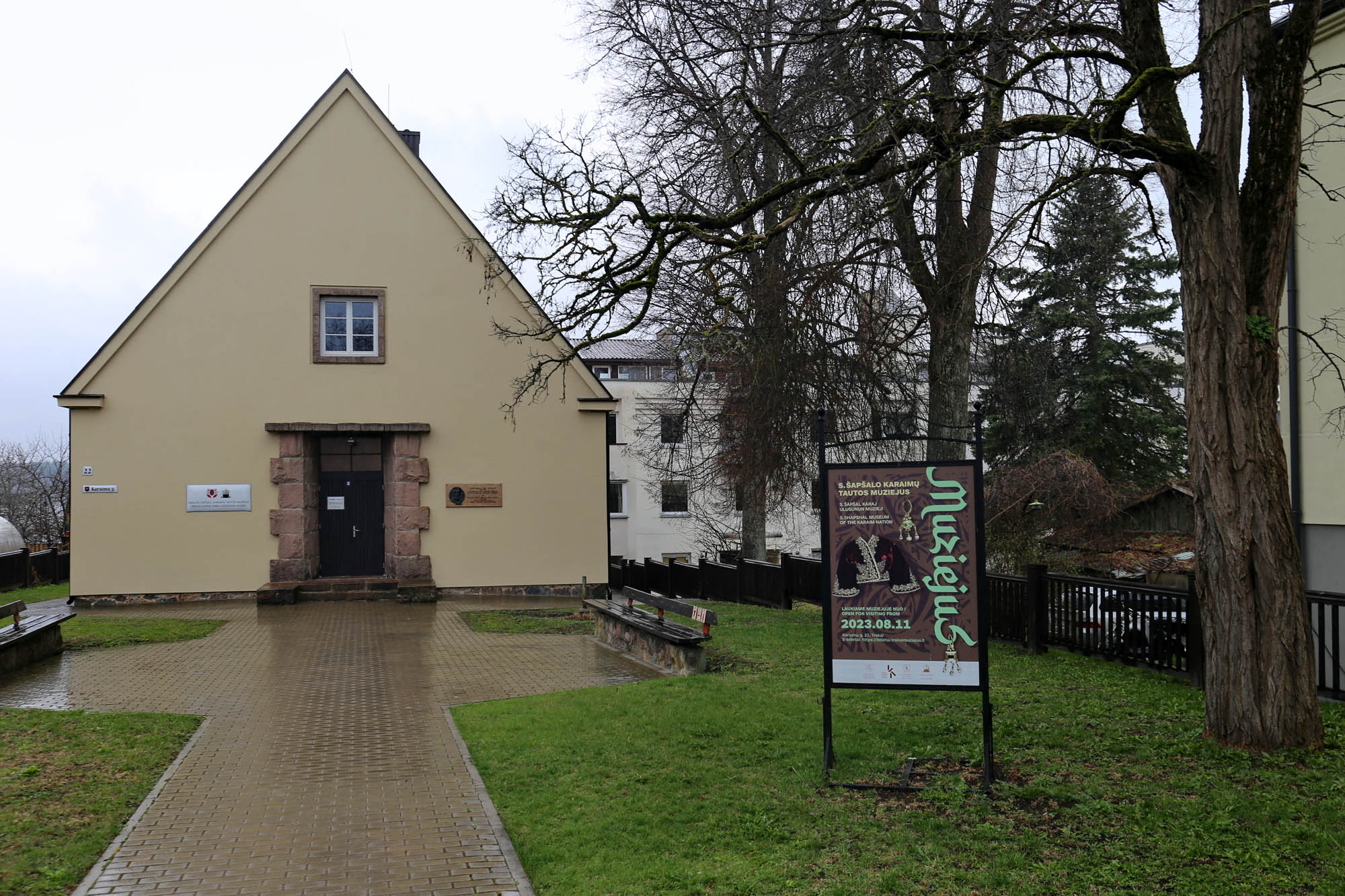
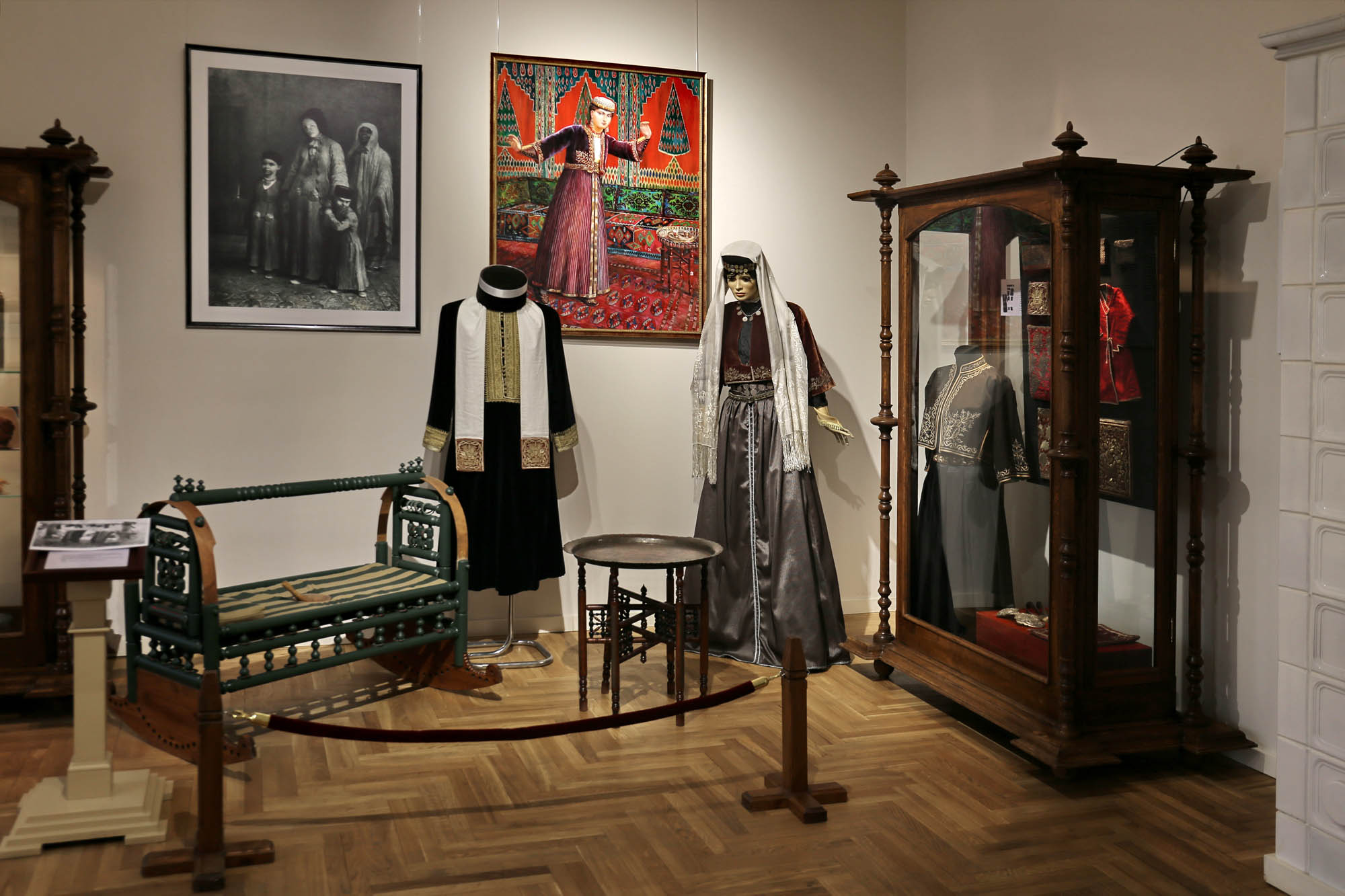
The museum’s small collection consists only of a few archival photographs, furnishings, and items of traditional dress.
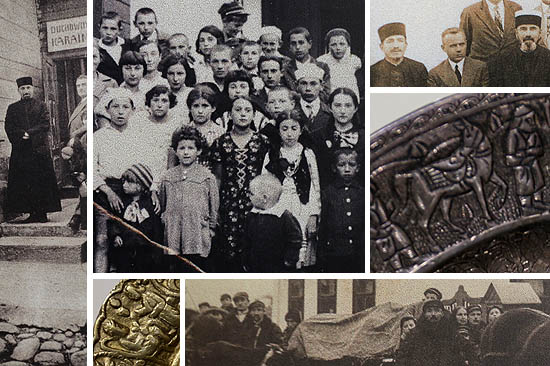
The museum’s main exhibit is a large-screen video explaining the origins of the Karaites. For anyone who has followed the previous sections, the video comes as a total surprise. It presents, in all seriousness, the idea that the Karaites are descendants of the Khazars, who in the 9th century converted to Judaism on the Eastern European steppe while preserving their Turkic language.
This theory — one version of which is used by Arthur Koestler in The Thirteenth Tribe regarding the Khazar origins of Ashkenazi Jewry — dates back to the early 19th century. It was formulated and submitted to the tsar by the eccentric hakham and Karaite historian Avraham Firkovich (1786–1874), in order to separate the Karaites from the Jews and exempt them from the taxes, restrictions, and accusations of deicide that affected the latter. The petition succeeded, teaching the Karaites that denying Jewish origins could be advantageous.
In the 20th century this was reinforced when Nazi occupiers were puzzled by Turkic-speaking Jews and requested expert opinions from Nazi and fascist scholars working on them. These scholars almost certainly knew the truth, but prioritised the survival of the community, and therefore declared — Corrado Gini regarding the Galician Karaites and Georgiy Nioradze regarding the Mountain Jews — that they were not “racially” Jewish, only in terms of an adopted religion. Thus the Karaites and Caucasian Jews escaped the extermination that affected surrounding Ashkenazi populations, apart from a few tragic cases.
Interestingly, in the case of the Lithuanian Karaites, an opinion was sought not from Nazi or fascist scholars but from a Karaite scholar as a Turkologist. This was Seraya Szapszał, the museum’s namesake. He studied Oriental languages in Saint Petersburg, served as tutor to the last Qajar shah, the Little Prince, and later joined the pan-Turkist movement in Istanbul. In 1927 he was elected Polish-Lithuanian hakham, and launched a programme of de-Judaization among the Karaites. He replaced Hebrew terminology with Turkic terms and reinterpreted Jewish holidays and Karaite faith according to steppe Turkic traditions. He was probably the only expert — himself Jewish — who denied the Jewish origins of the Karaites not out of assistance, but out of conviction.
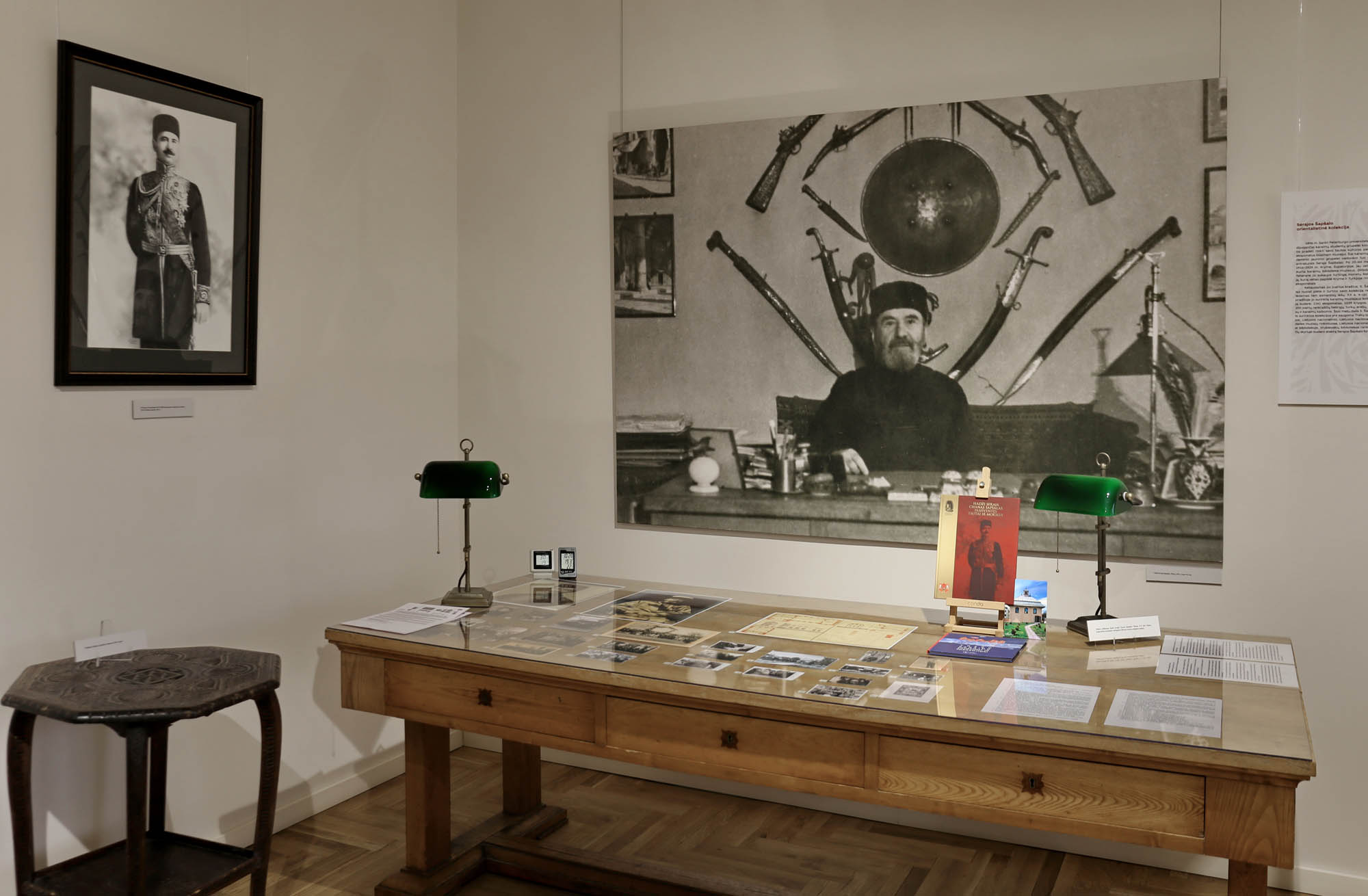
In the museum video, Turkish historians now speak about the Turkic origins of the Karaites, which is not surprising, since Turkish historiography is well known to serve not so much historical research as the political aims of the present. In the main hall, we also see Szapszał himself at his desk, in surroundings hardly fitting for a chief rabbi, surrounded by Turkic weapons, and to his right, himself again in military uniform.
The history of the Karaites began with the rejection of Judaism and ended with the rejection of Judaism. At the beginning, they rejected the increasingly authoritarian and scholastic rabbinic authority in the name of free interpretation of the Torah. But in the end, isolated from the still-living intellectual current of Karaite Judaism, they became a provincial domestic religion and sought a different, larger identity. Lamenting the Jewish fate, they boarded the great Turkic ship, positioning themselves as an exotic Turkic ethnic group. They detached themselves from Judaism — including the tens of thousands of Karaites in Crimea, Egypt, and Israel — and their synagogues are now largely inactive. They define themselves as a threatened Turkic language community, organizing language camps for the Polish-Lithuanian Karaite diaspora, stripped of Jewish content, and hoping for the attention of Turkological experts.
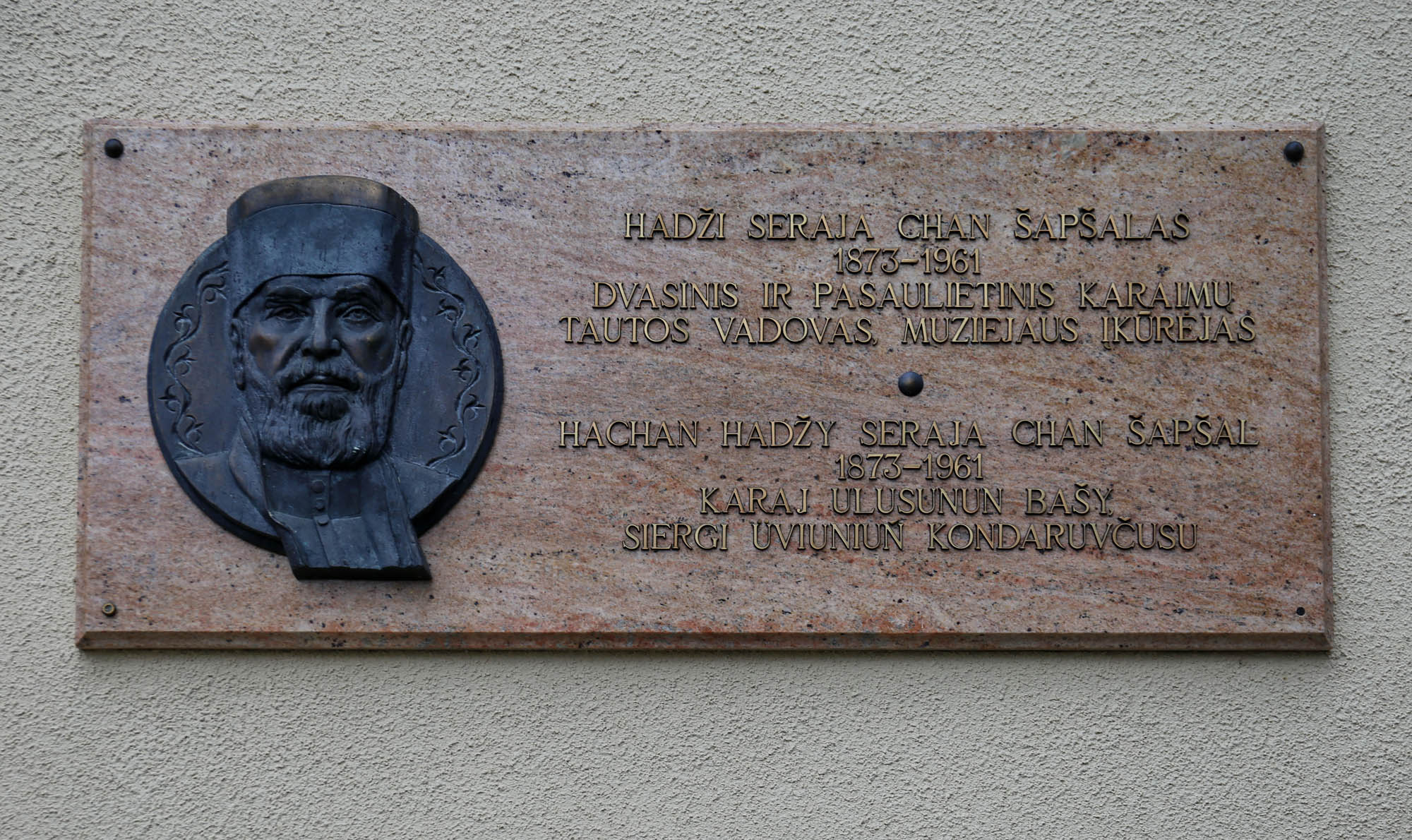
Upon leaving the museum, Seraya Szapszał looks down from the memorial plaque by the gate with a stern expression of a tribal leader, fitting for a new Moses who led his people out of Judaism.




Add comment