

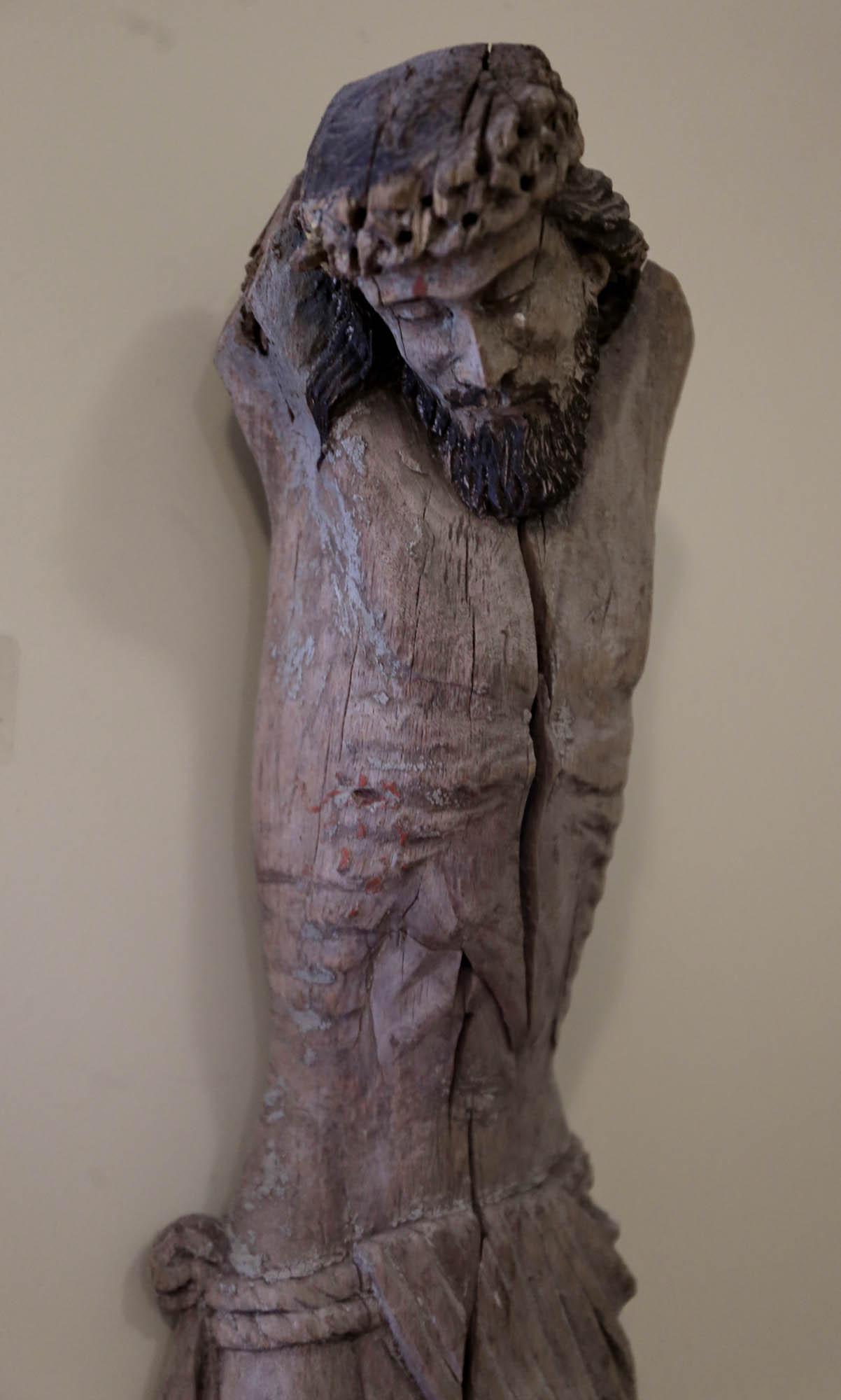
The forest of crosses and corpuses at Lithuania’s Hill of Crosses that we’ve just seen draws on a rich tradition of folk woodcarving with very ancient roots.
Lithuania was the last country in Europe to adopt Christianity. Although Grand Duke Mindaugas already attempted this in 1251, after his death the country reverted to paganism. It was only in 1387 that Grand Duke Jogaila (Jagiello) embraced the new faith, in exchange for the Polish crown and the hand of Queen Hedwig – for European recognition and protection. The conversion of the population continued well into the mid-15th century. Yet pagan traditions did not disappear entirely; instead, under Christian names and blended with Christian customs, they have survived in various forms almost to the present day.
This is especially true of folk woodcarving. Lithuanian woodcarvers are still called dievdirbiai – “God-carvers” – a legacy of pagan times. Their repertoire once consisted of sacred poles set up in front of houses or in holy groves, topped with the face or small figure of a deity. These were called stogastulpis, “roofed poles,” because the figure sat in a tiny shelter at the top. The figure or the whole pole was known as pasiuntinys (“messenger”) or tarpininkas (“mediator”), as they connected the family or tribe with the heavens. Often a wrought-iron sun disk (saulutės, “little suns”) crowned the pole, whose rays allowed divine blessings to descend upon people.
As a result of this fusion with Christianity, the most popular form of these roofed poles across Lithuania today is the figure of Christ known in Western iconography as Christus im Elend, the Pensive Christ, or the Sorrowful Christ: the nearly naked Christ seated with a crown of thorns, his head resting on one hand. This type developed in German lands from the late 14th century as the sculptural counterpart to the more common painted “Man of Sorrows.” It is a characteristic Andachtsbild, which I have written about before: not an illustration of a biblical scene, but a highly concentrated, emblematic summary—especially of the events of the Passion.
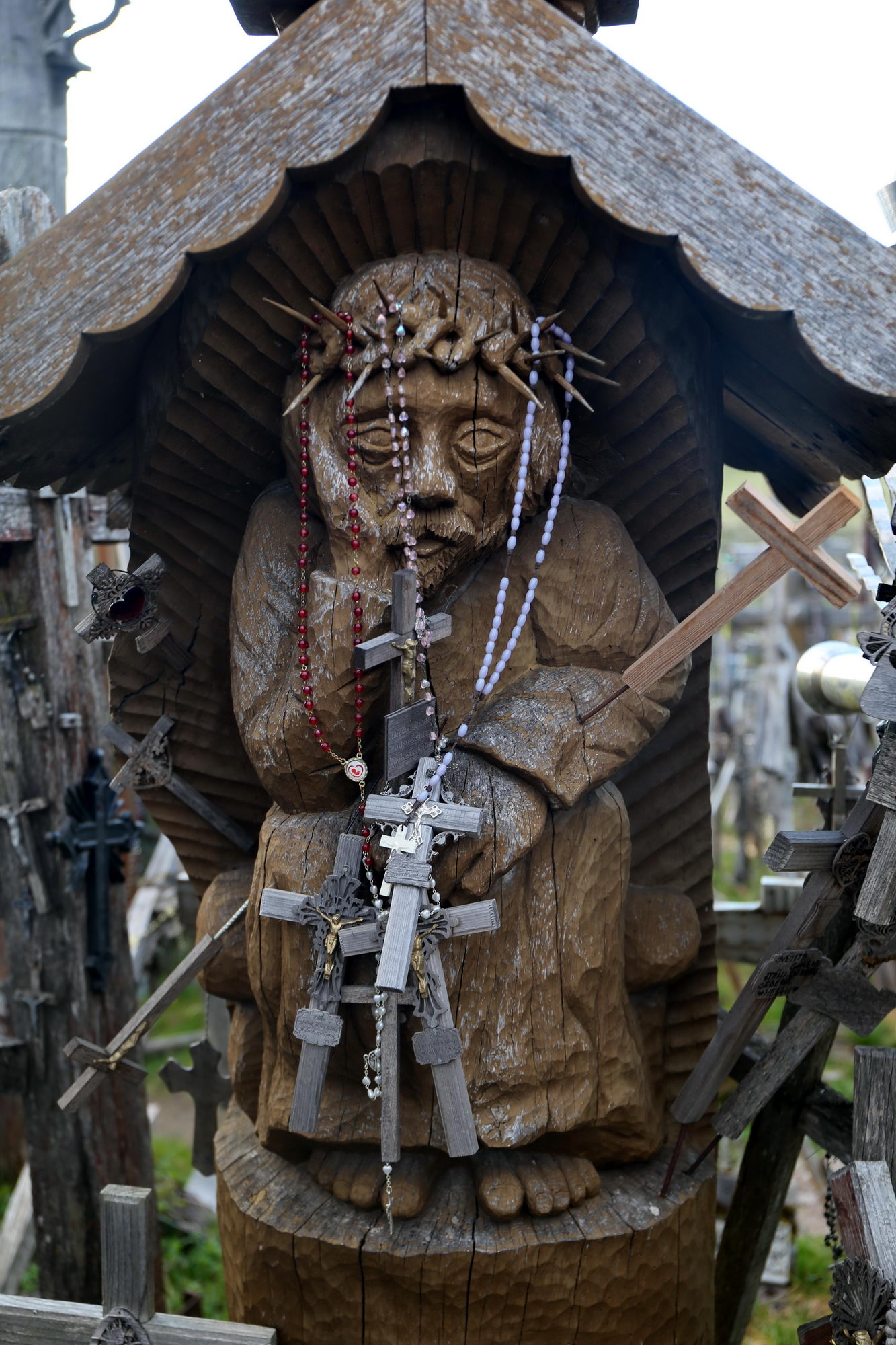
In Lithuanian folklore, the Pensive Christ—called Rūpintojėlis, “the little carer”—has a somewhat different meaning from its Western counterparts. Rather than a tormented God-man pondering the sins of the world (as a precursor to Rodin’s Thinker), he is an active guardian, like the ancient ancestors who once occupied the same place atop the pole: he sympathizes with us, worries for us, and considers human petitions before presenting them to God.
During the Soviet occupation and the era of deportations, the Rūpintojėlis became a symbol of the suppressed suffering of the Lithuanian people. As the authorities were well aware of this and persecuted such symbols, the figure retreated into miniature form, moving into gardens and homes—so much so that today it can be found in almost every household. Since 1990 it has once again appeared in public spaces, as a symbol of national identity and freedom. We saw plenty of examples of it at the Hill of Crosses as well.
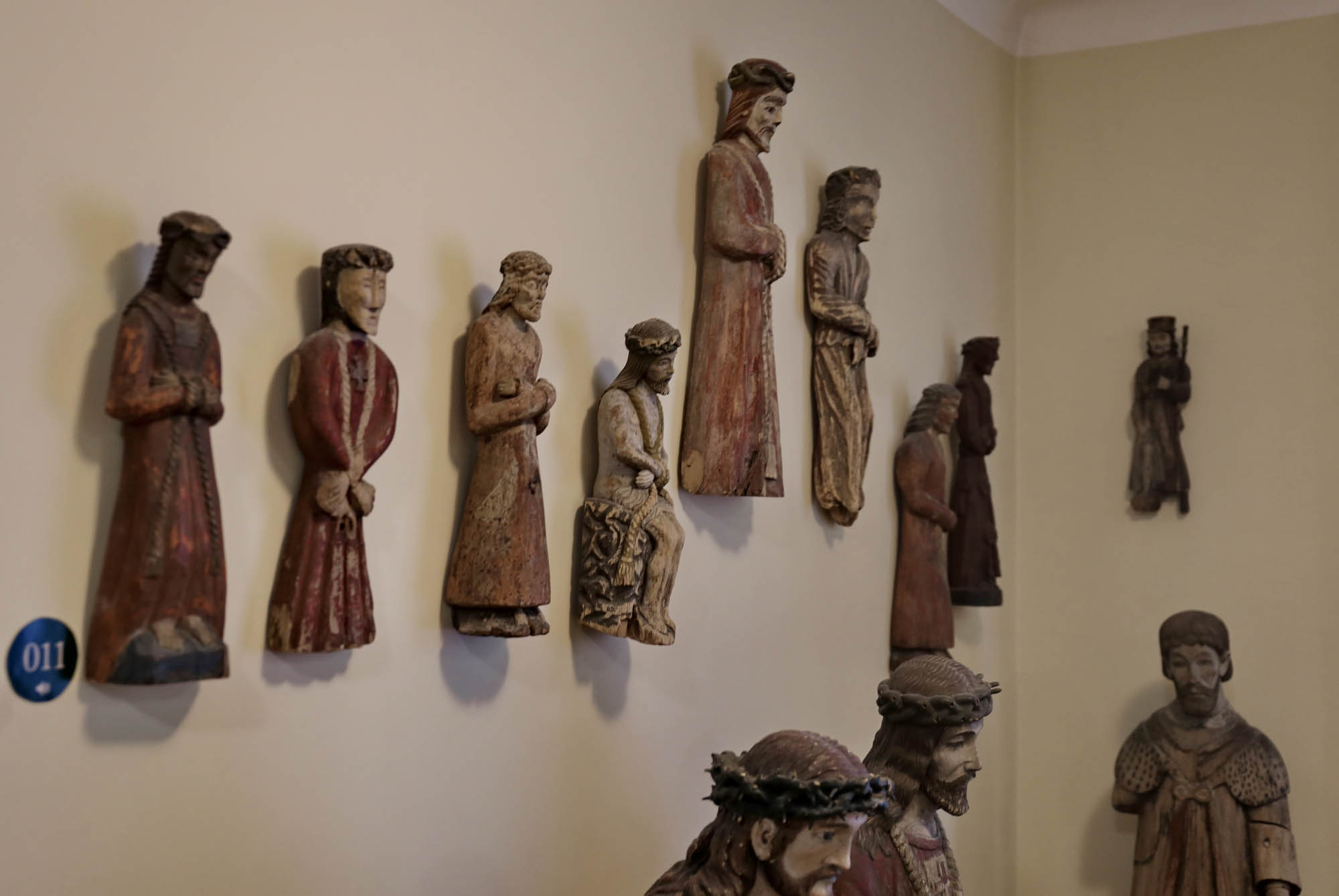
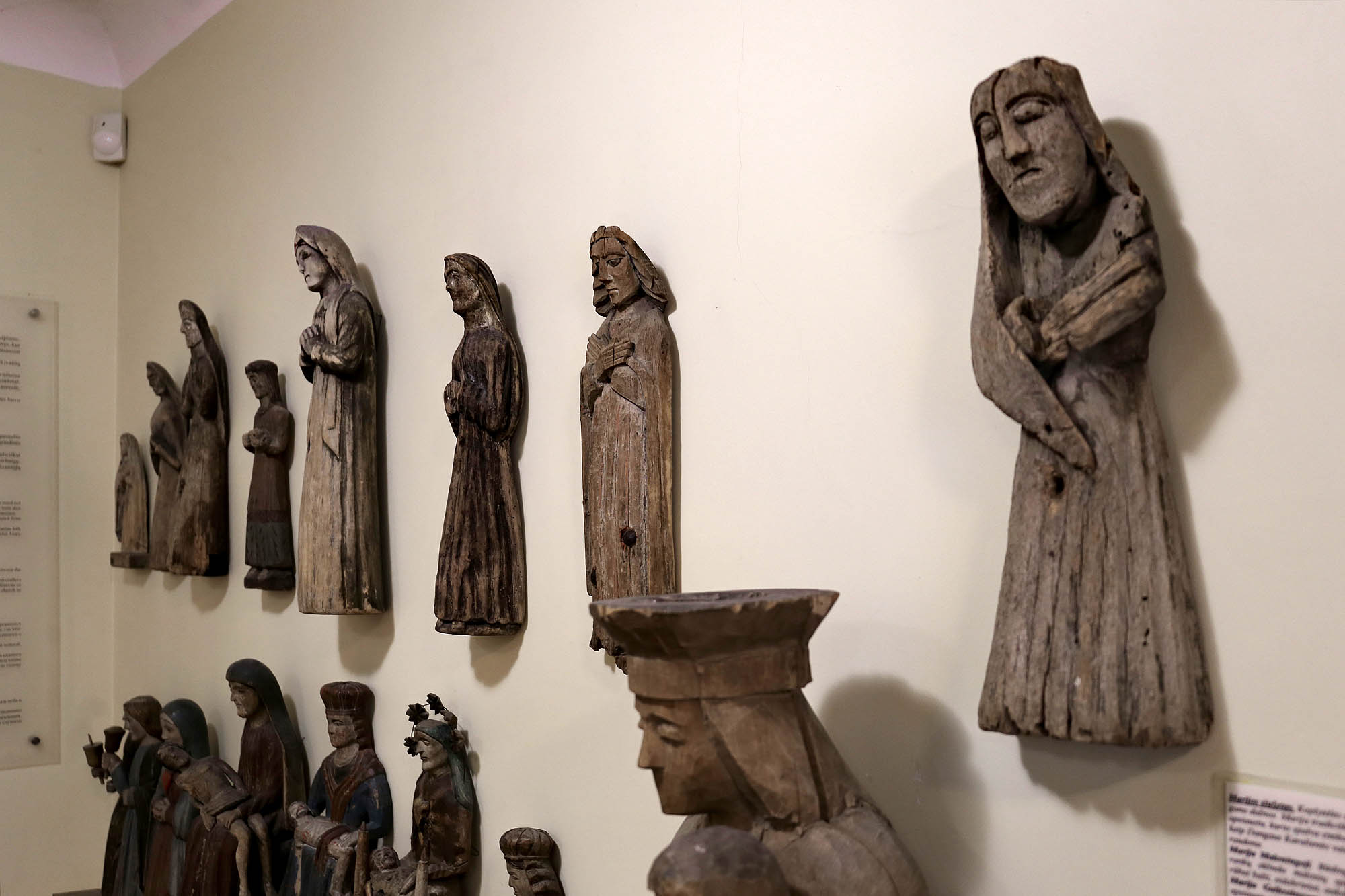
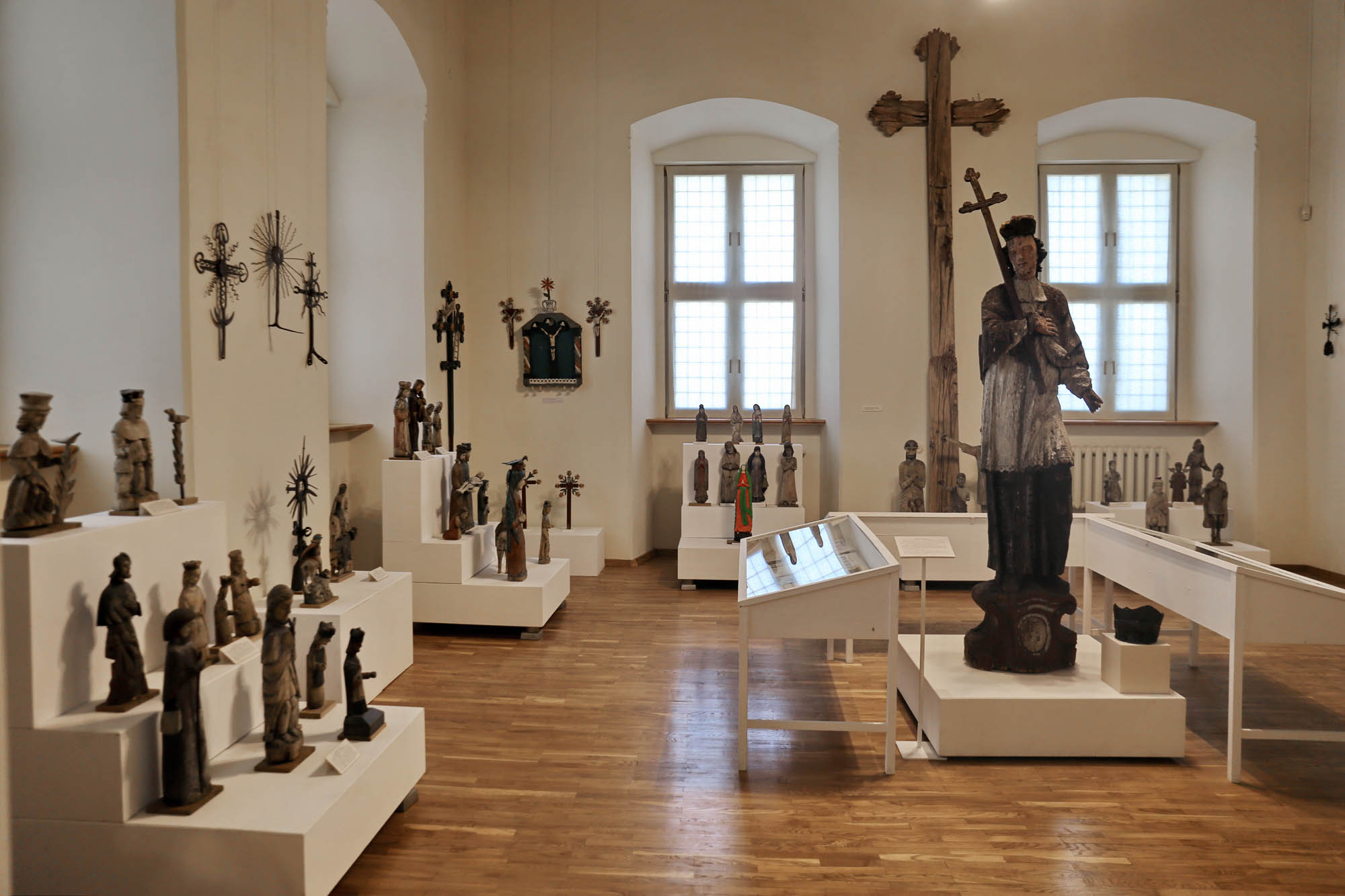
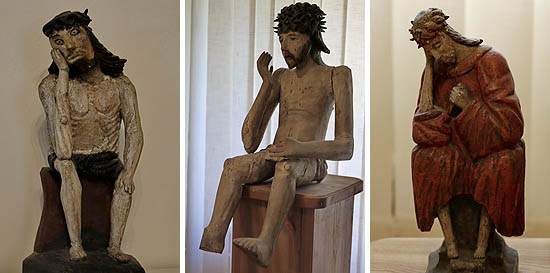 The folk carvings presented in this post are preserved in the Radziwiłł Castle Museum in Biržai and the Regional Museum in Rokiškis Castle
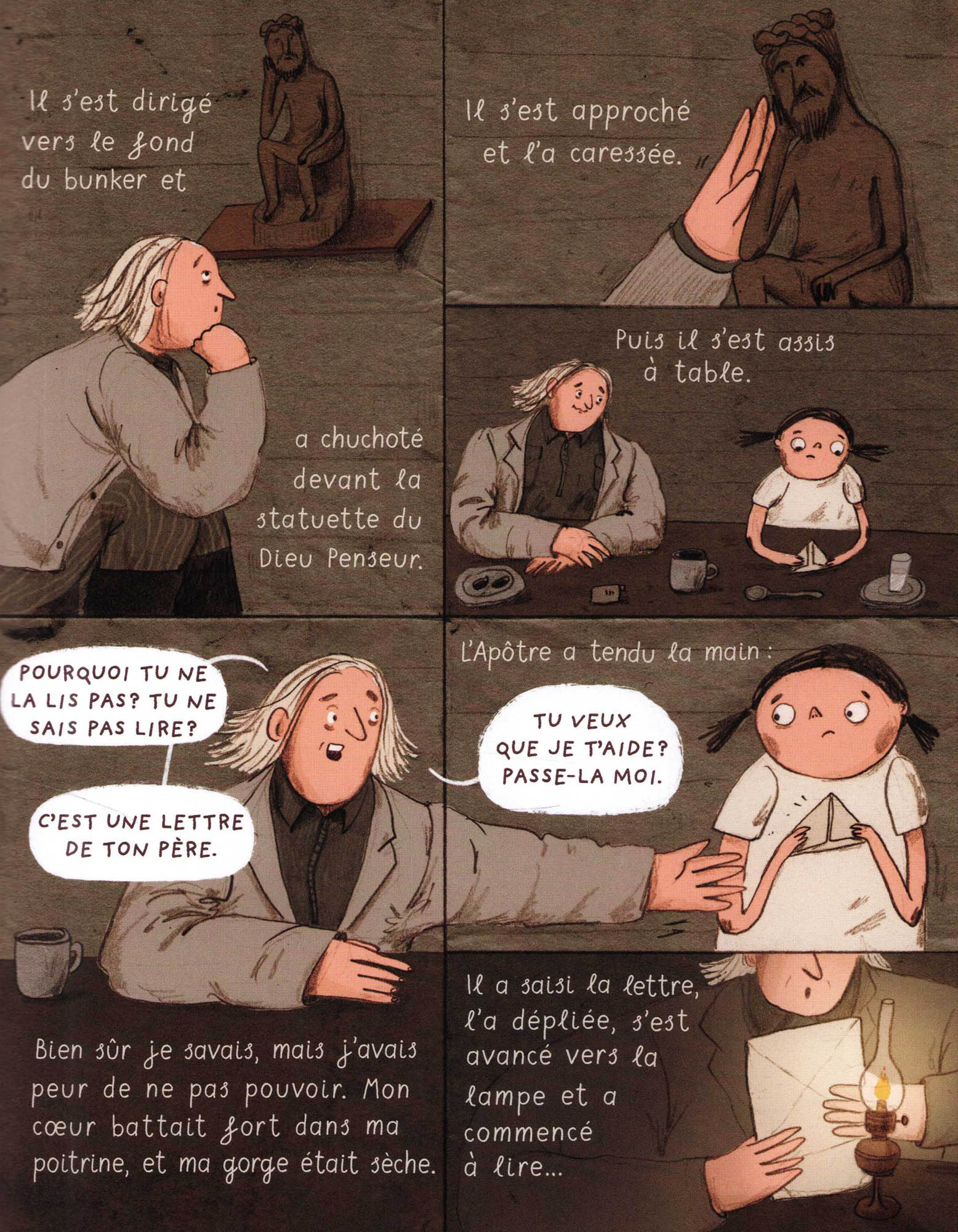
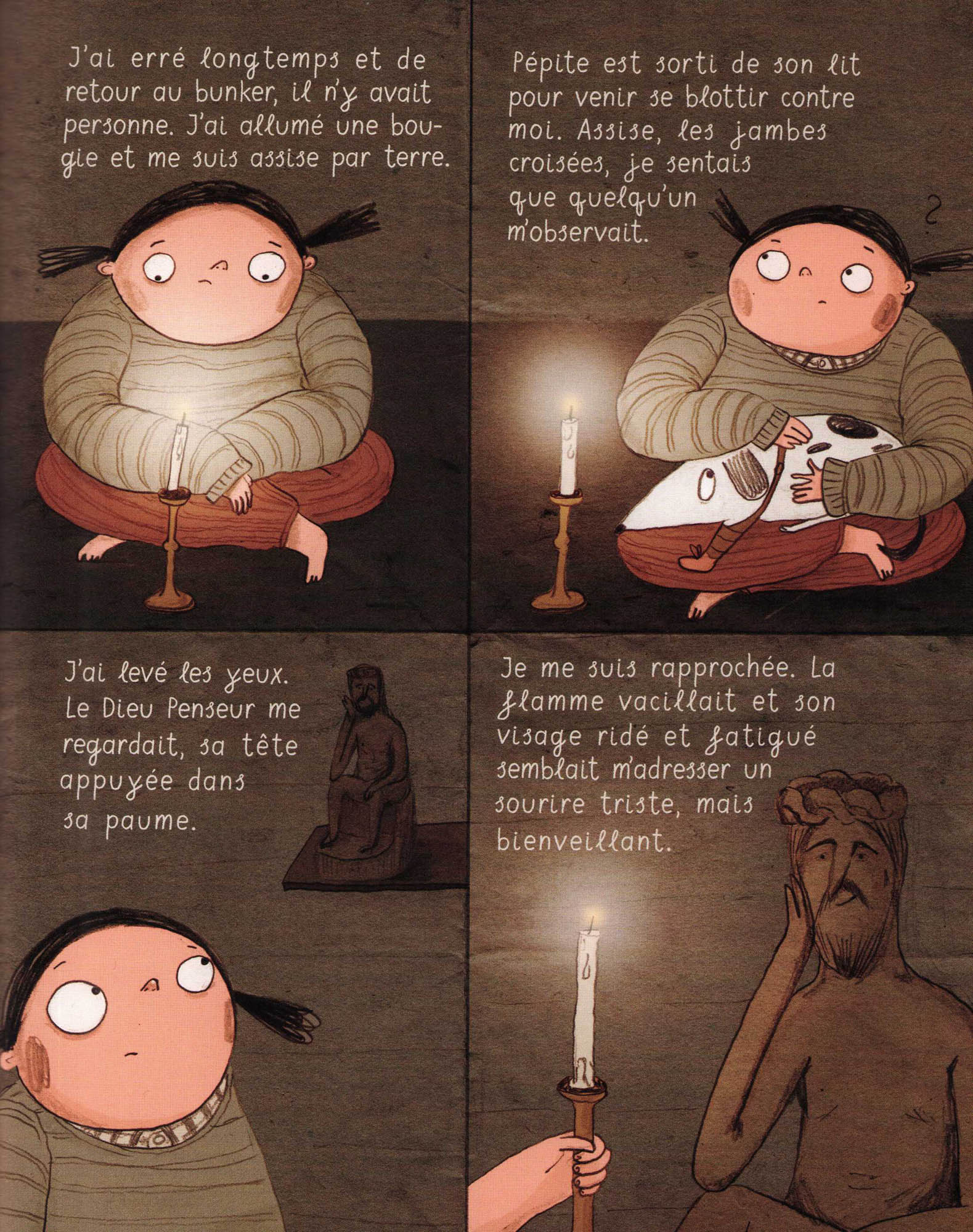
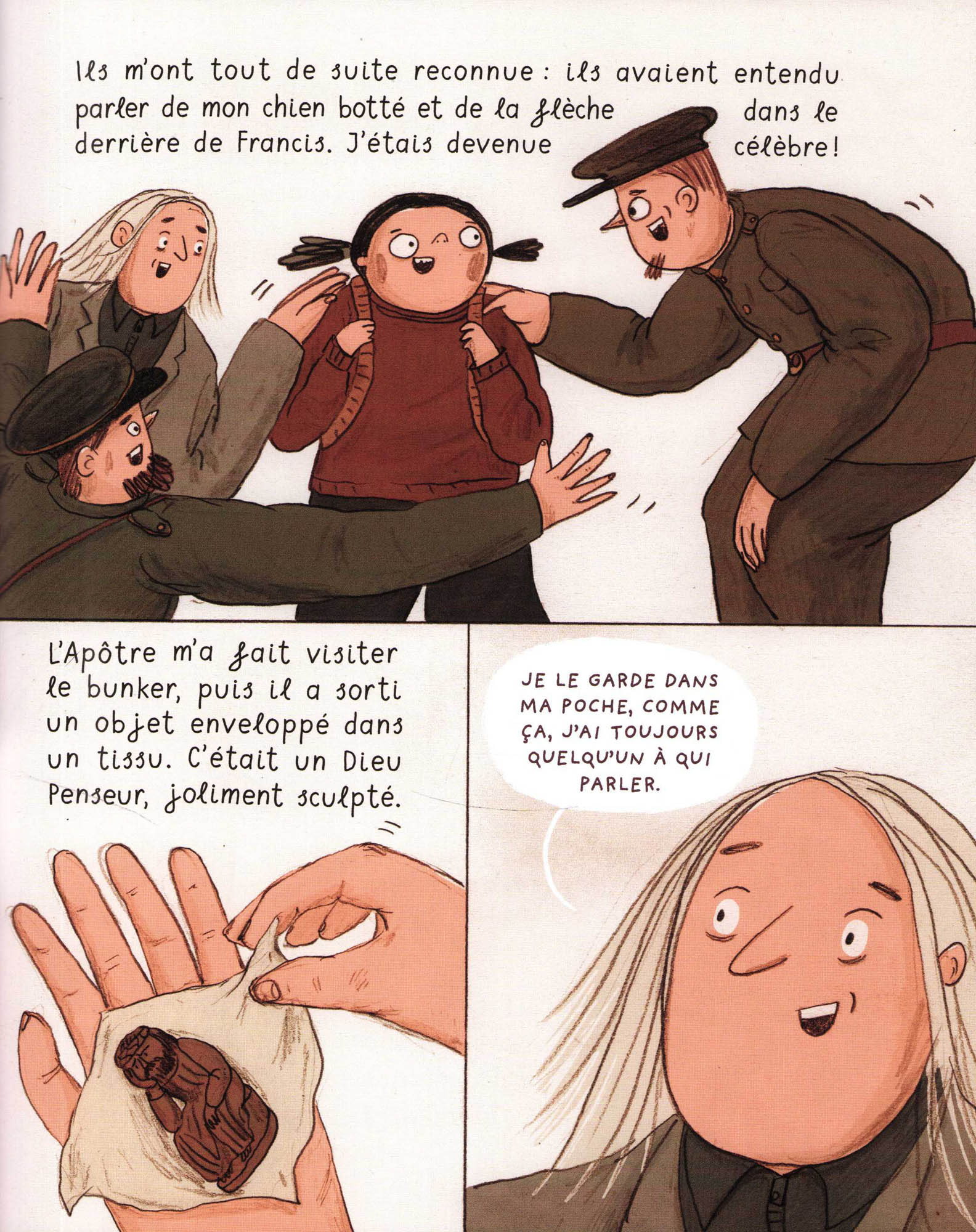
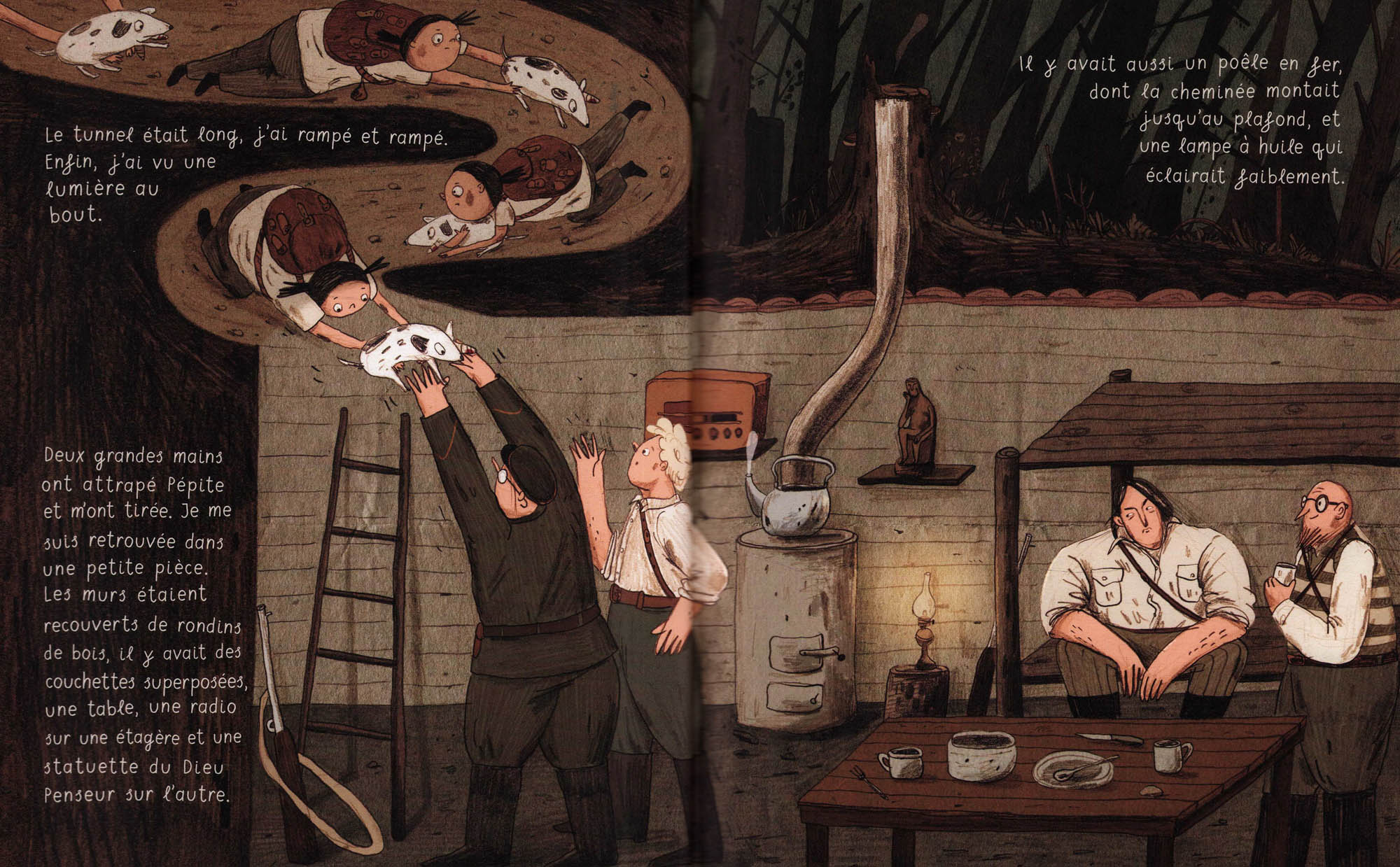 The Pensive Christ (“Dieu Penseur”) is also prominently featured in the popular Lithuanian comic book La petite fille au fusil, which tells the story of anti-Soviet Lithuanian partisans
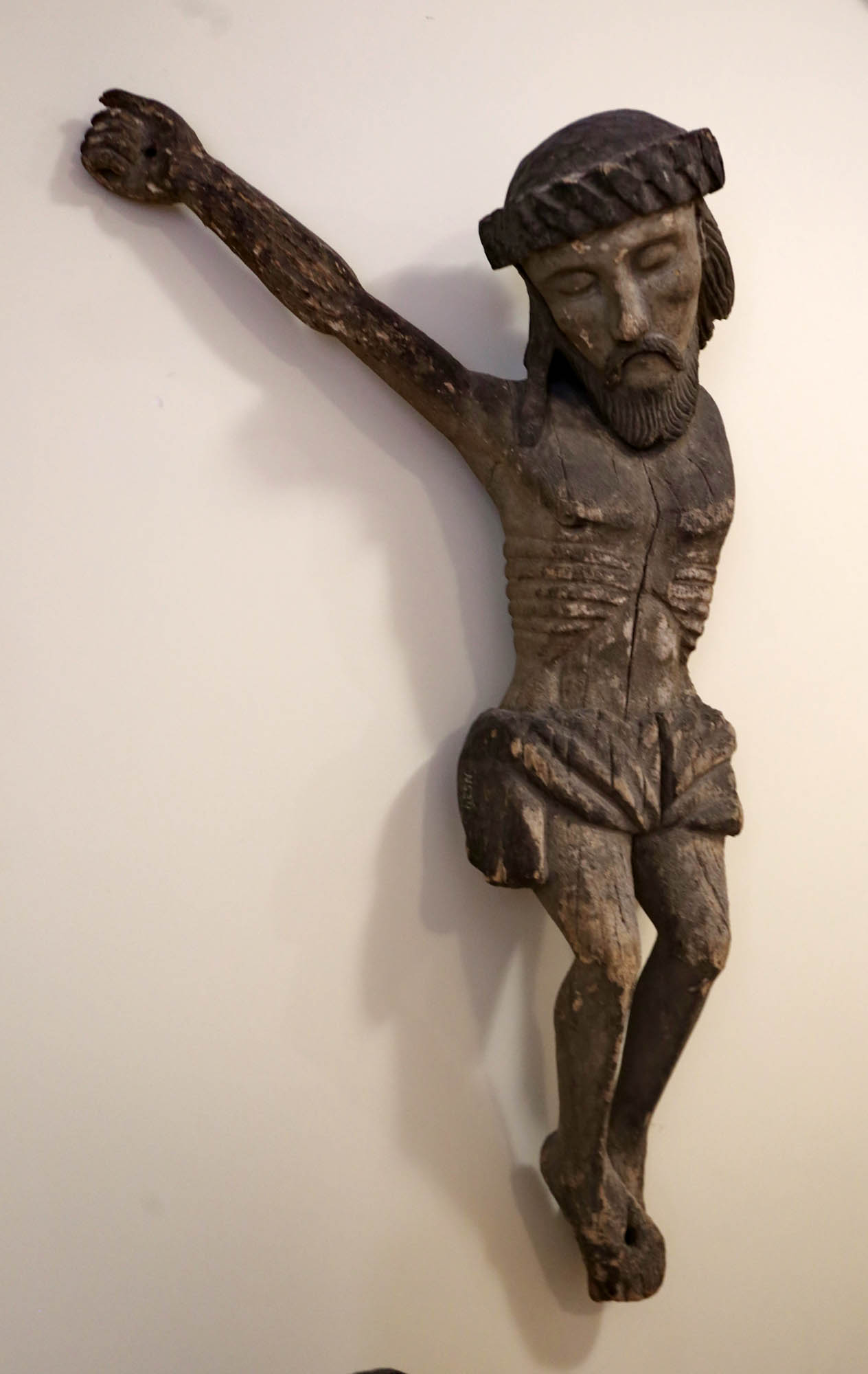
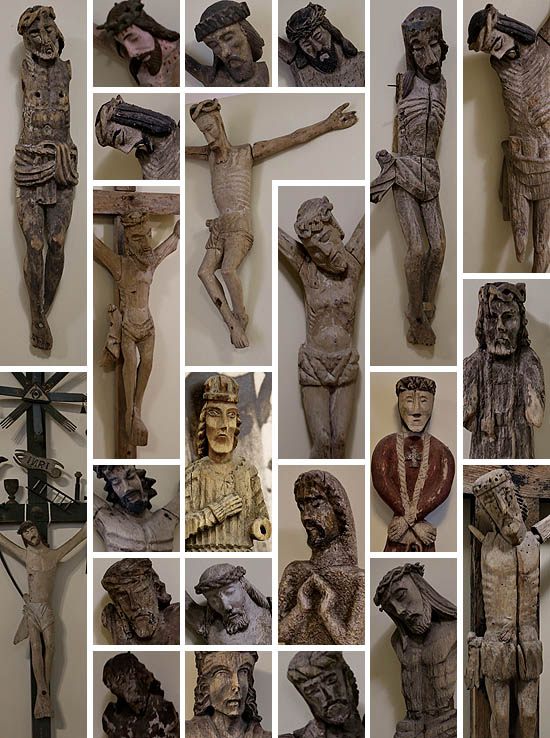
The changed meaning and melancholic tone of the Pensive Christ are reflected in the gently, almost resignedly hanging corpuses, which seem to worry less for themselves than for the viewer—and which still preserve the features of their Gothic models.
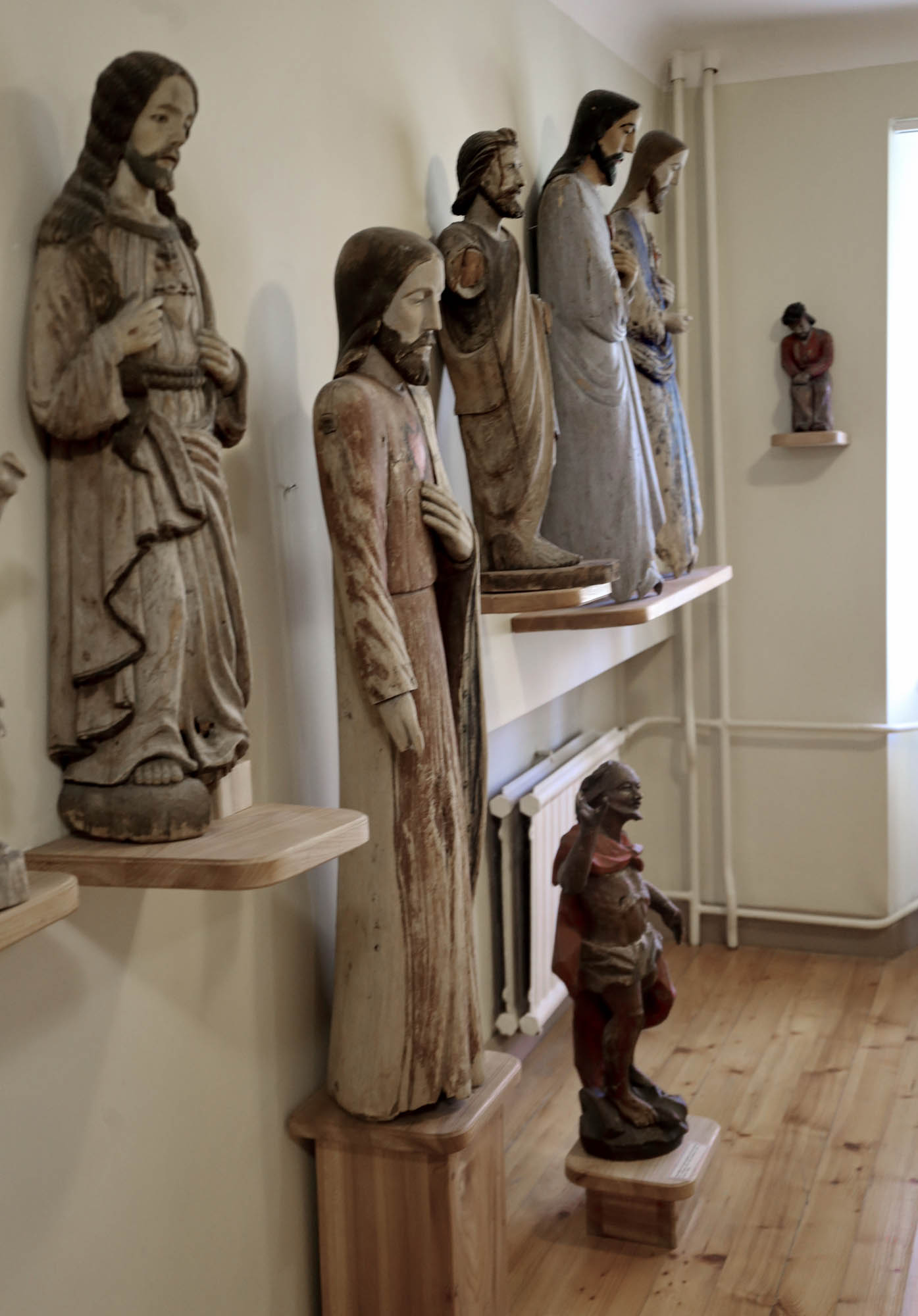
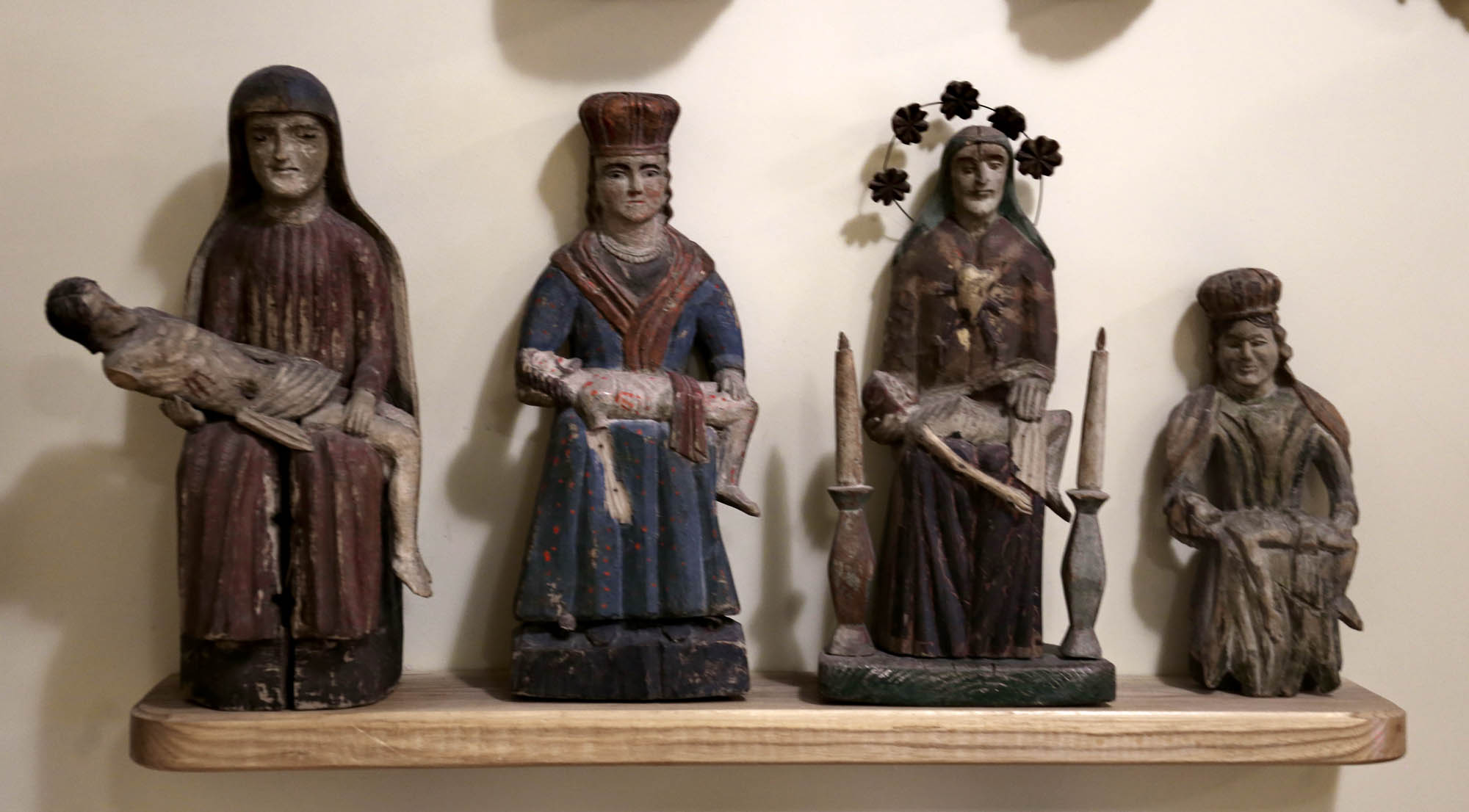
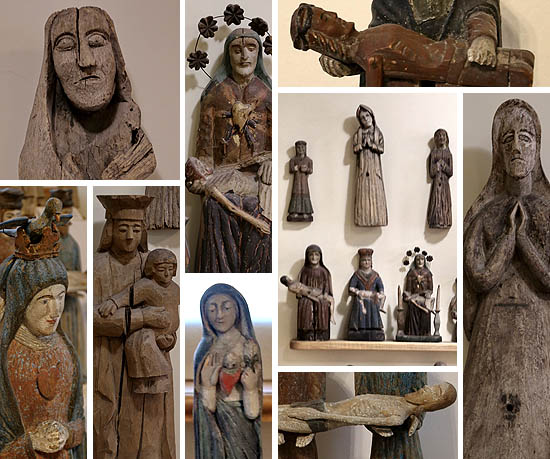
Mary statues also carry this atmosphere, once standing at the foot of crosses or holding their dead sons in their arms in the form of Pietà.
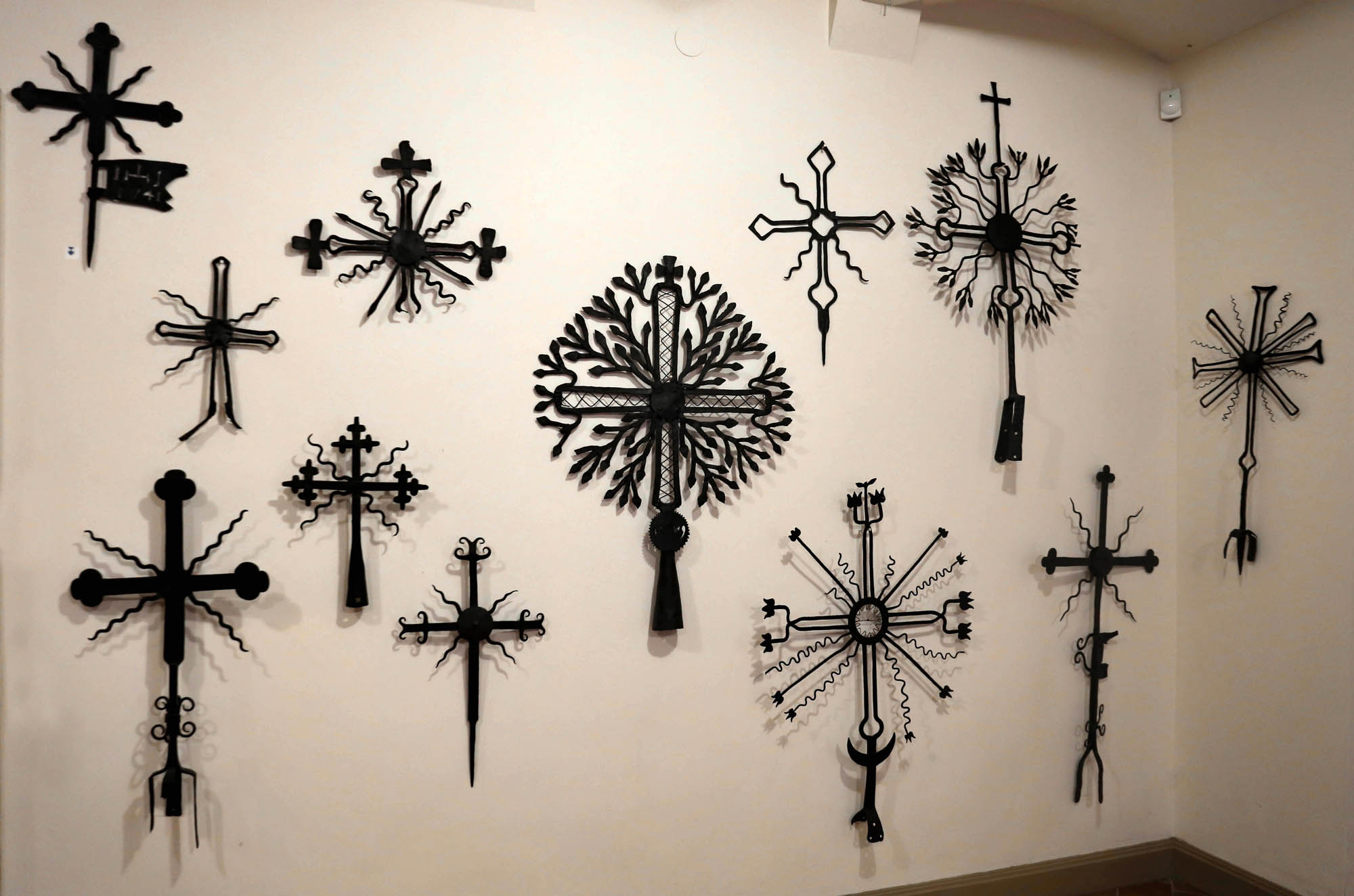
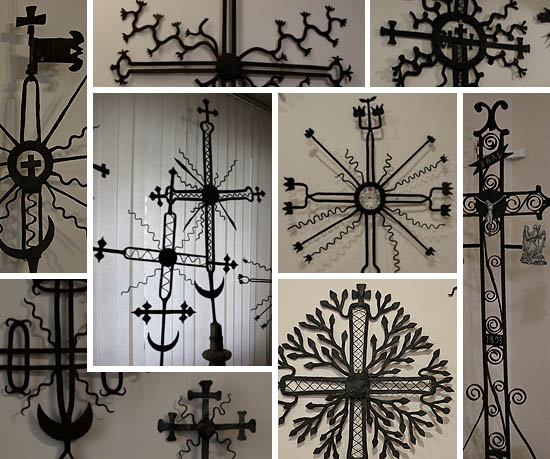
The forged iron “sun crosses” that crown the roofed pillars—and often also the crosses—still reflect a pre-Christian cosmology today. The two arms of the cross are the heirs of the world tree that connects the three parts of the universe; around it is the Sun (Saulė), the source of life, which in Lithuanian mythology is female and bathes in the sea at the end of each day. Beneath the disc is the Moon (Mėnuo), the “father,” who watches over the world at night. Scattered around them are the stars (žvaigždės), which symbolize fate.
Saulałė raudona, pasauliai geltoni (“The sun is red, the skies around it are golden”), Lithuanian folk song, sung by Elzė Griškevičiūtė (2025)
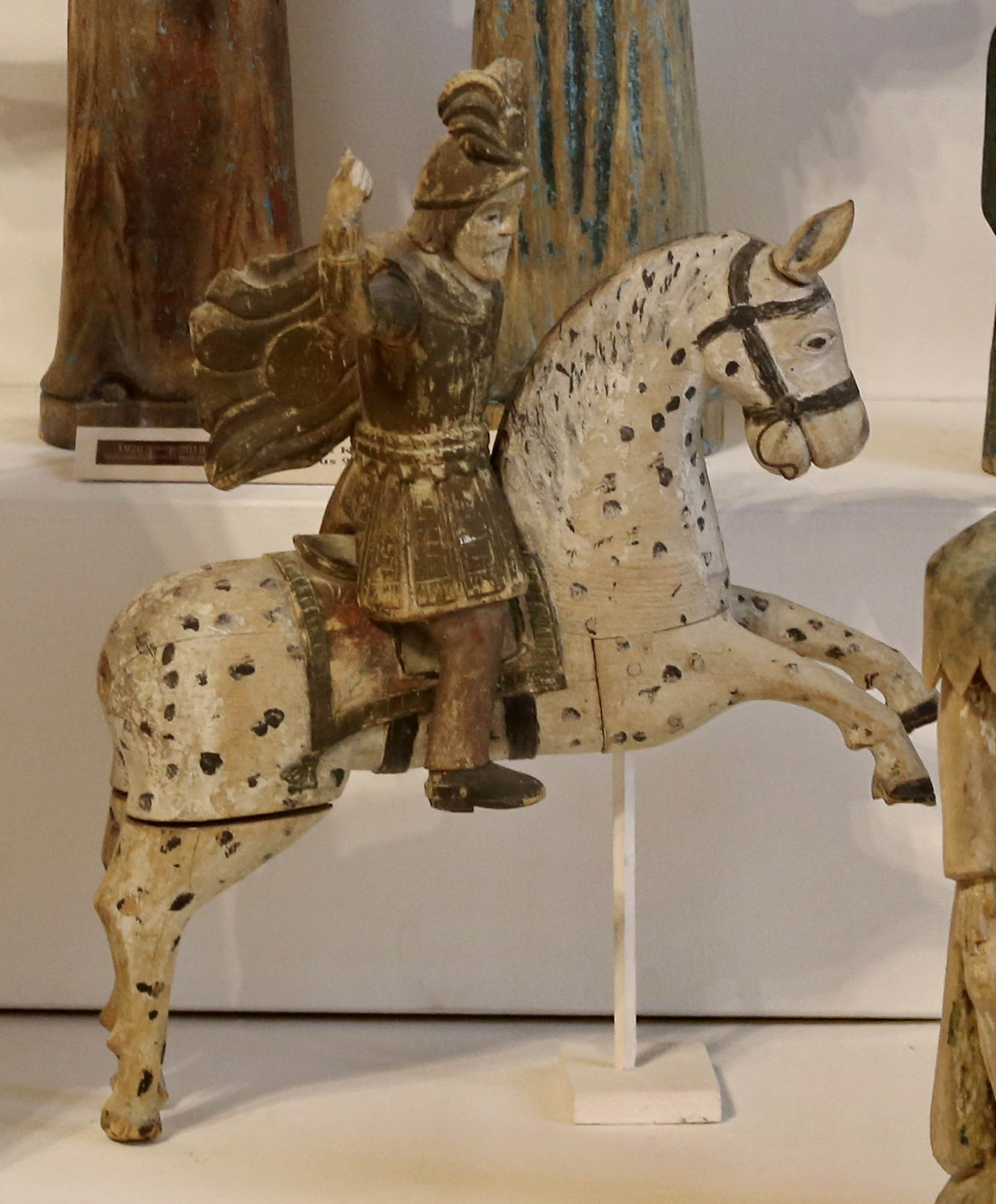
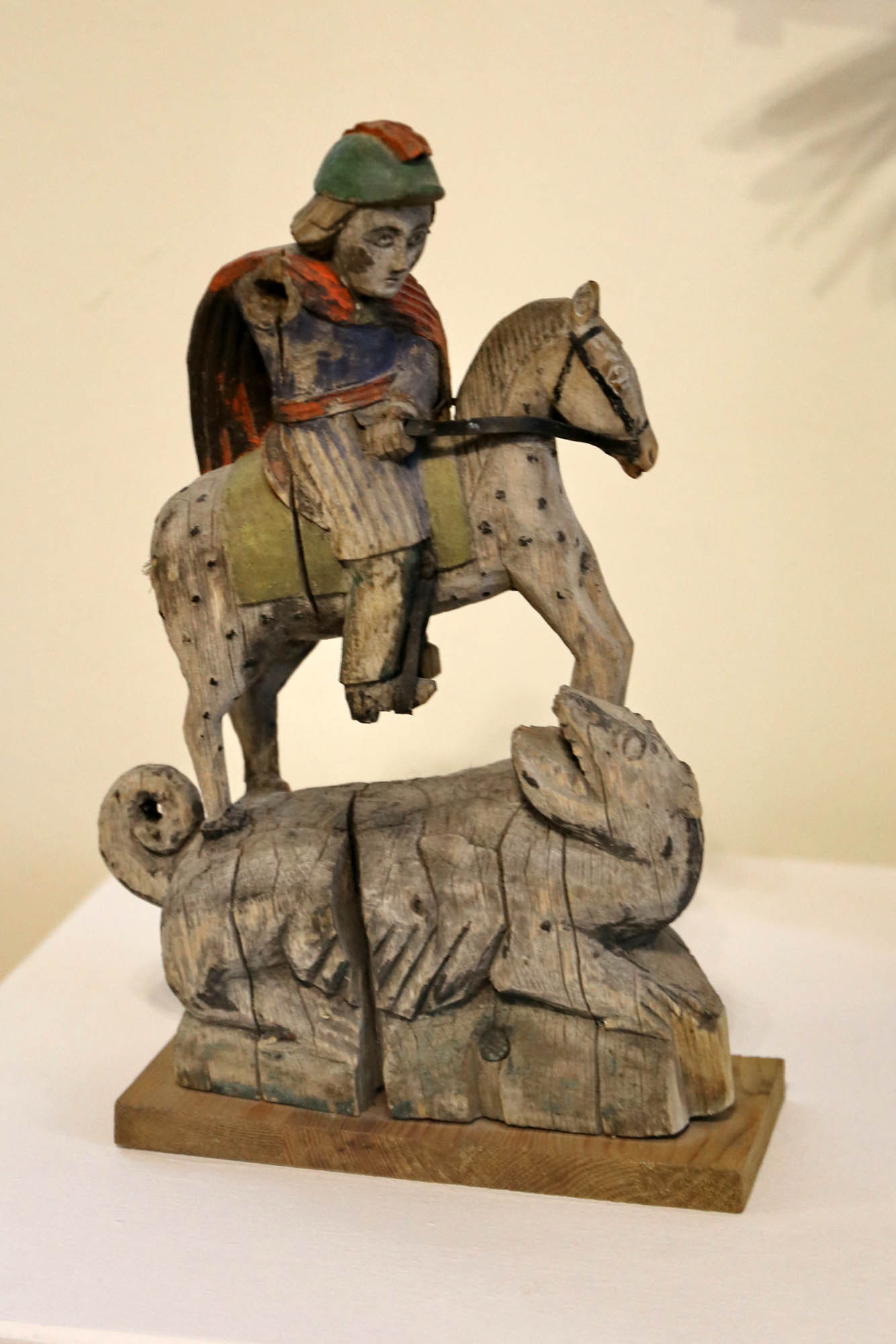
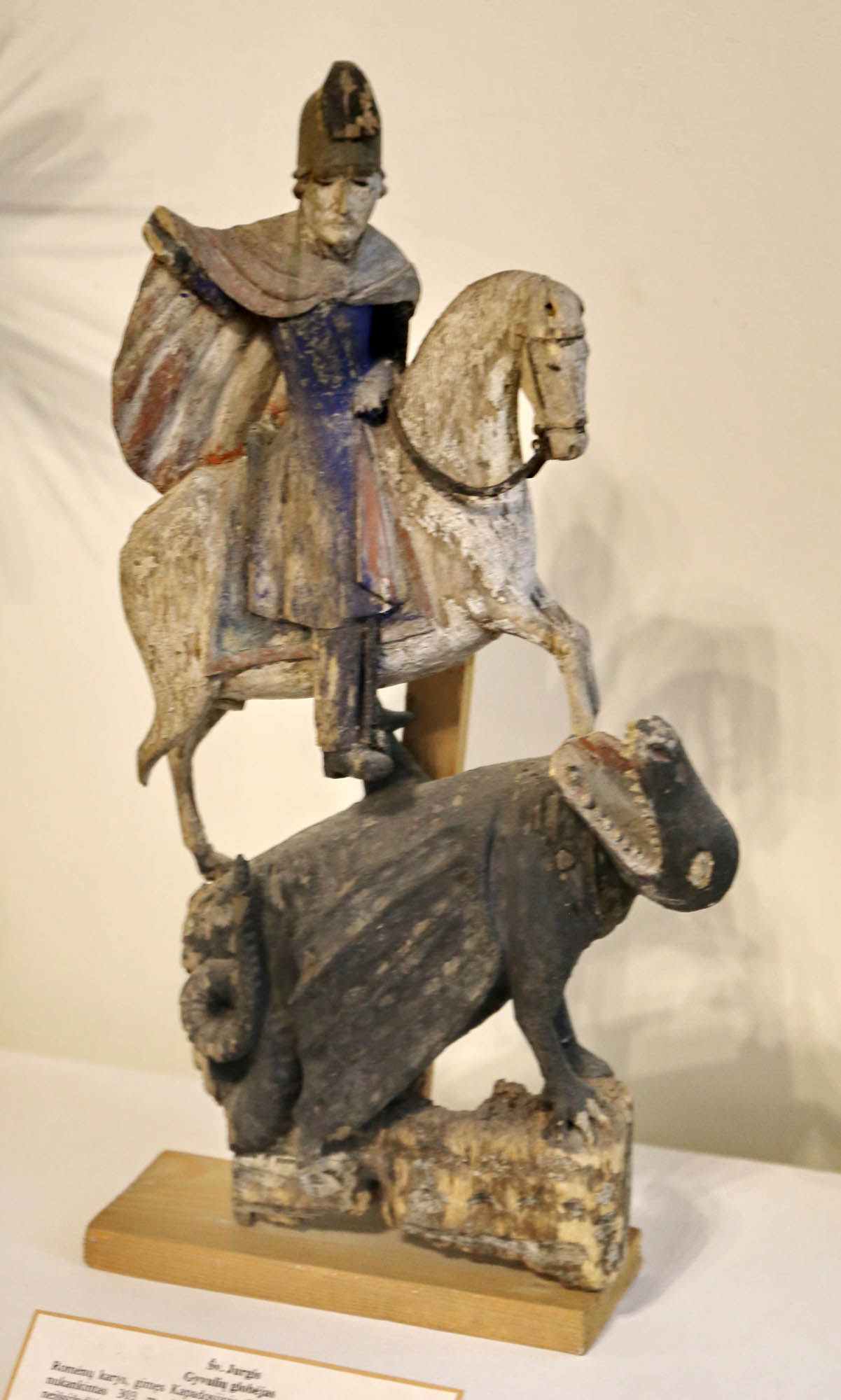
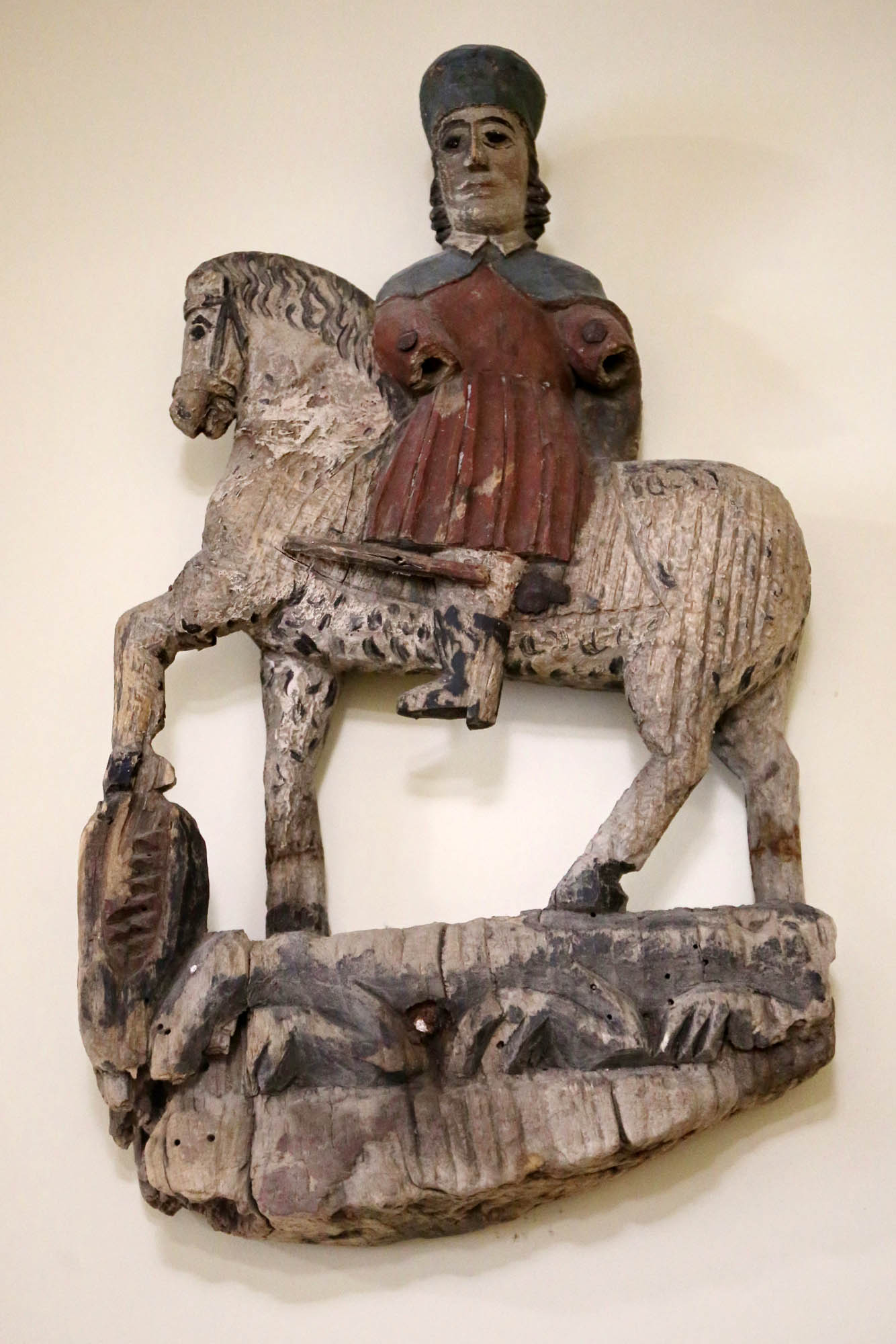
The pre-Christian heritage is also present in the figure of the most popular saint, Saint George (Jurginės): he is the successor of the spring-bringing deity Joris or Jarilo. For this reason he also carries many agricultural traits (interestingly, his original Greek name, Γεώργιος, means exactly this). He opens the earth with his spear; on his feast day, April 23, the animals are first driven out to pasture, and people pray to him to protect them from wolves; and out of respect for his horse, horses are not worked on this day but are ceremonially bathed. His figure—usually depicted as a dragon-slayer (more precisely a serpent-slayer in Lithuanian tradition)—is typically placed on a “roofed pillar” at the edge of villages. He is also the patron saint of Lithuania; in depictions he is often merged with the Vytis, the knight on a white horse in the Lithuanian coat of arms.
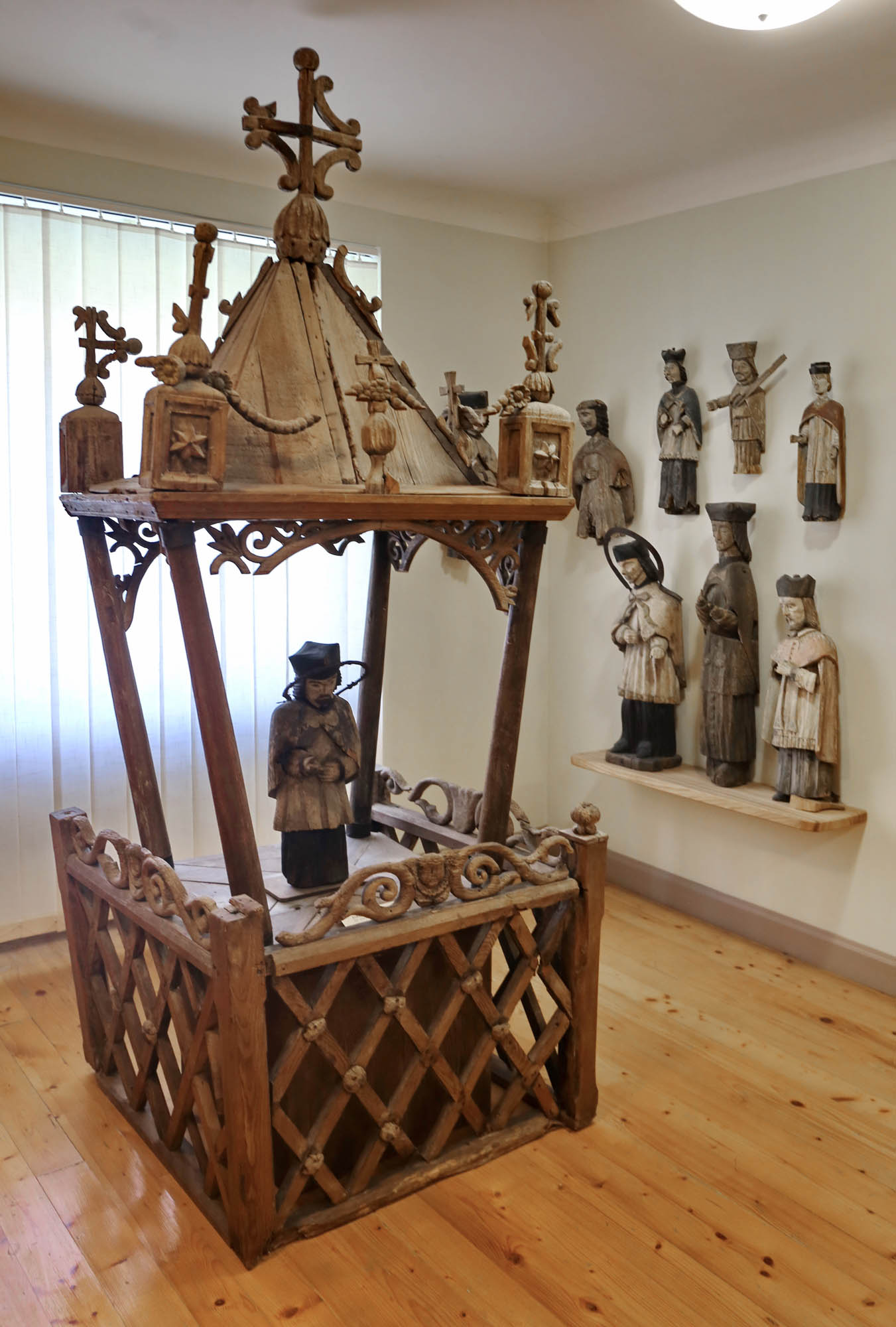
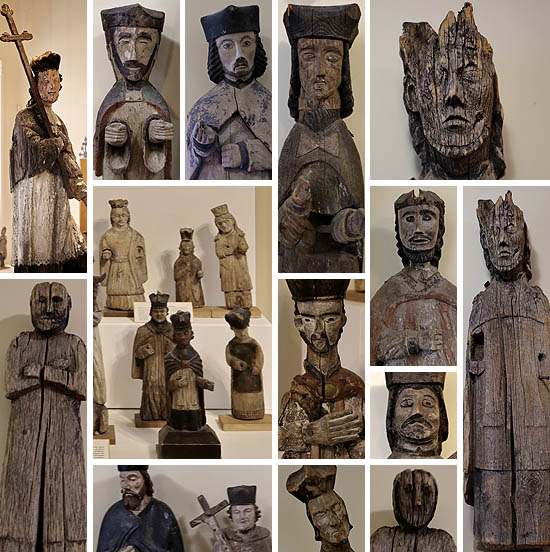
The next most frequently depicted saint, Saint John of Nepomuk—Jonelis (“little John”)—has no pagan predecessor, but his figure standing on bridges and near waters fits well into Lithuanian mythology, where rivers and waters had their own spirits: Jonelis watches over them, protecting people from floods and drowning. Moreover, as the martyr of the seal of confession, he is close to the folk burtininkas, the “knowers,” the sorcerers who guarded secrets through silence. His carved figure often resembles the corpus of Christ.
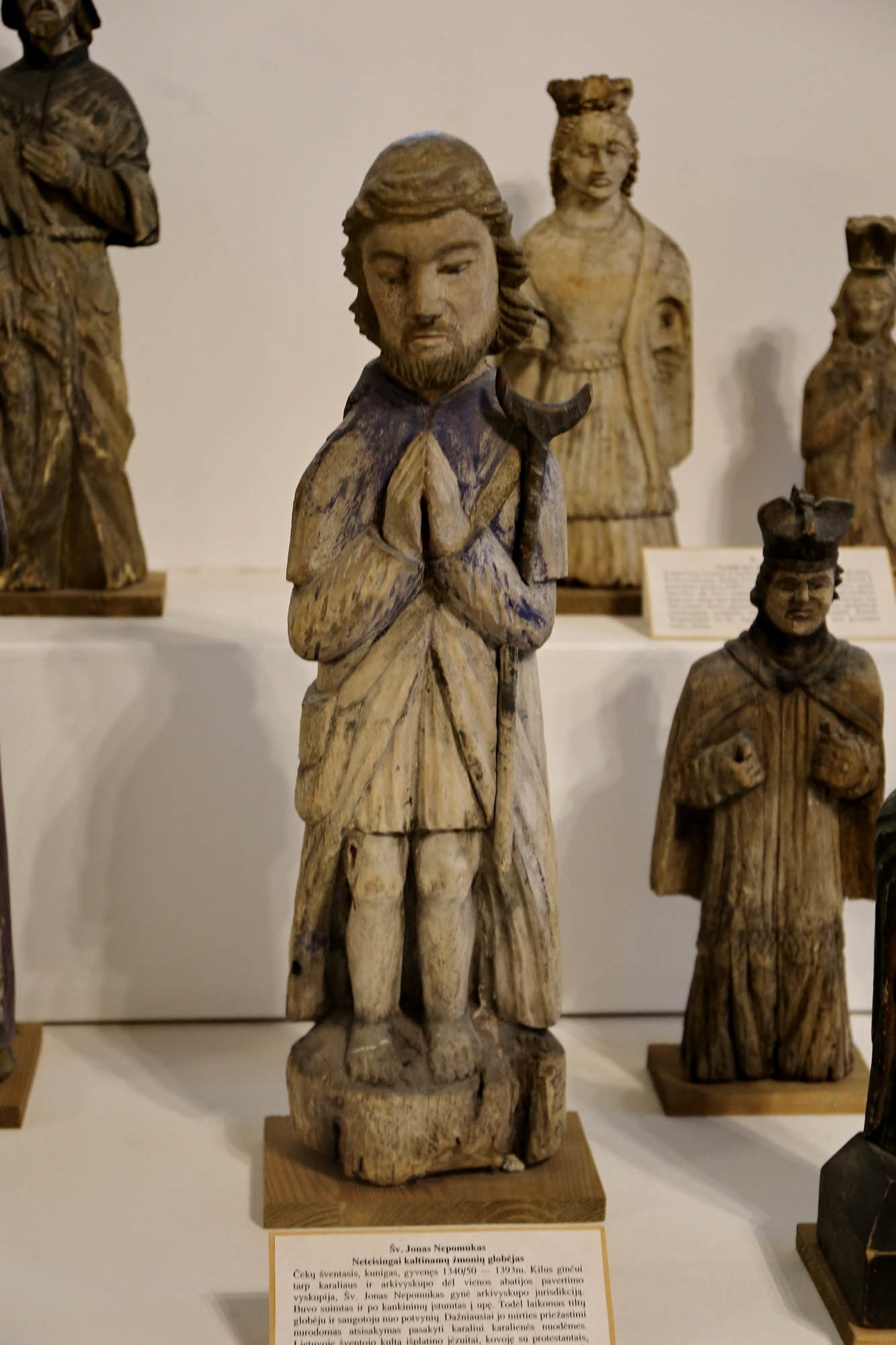
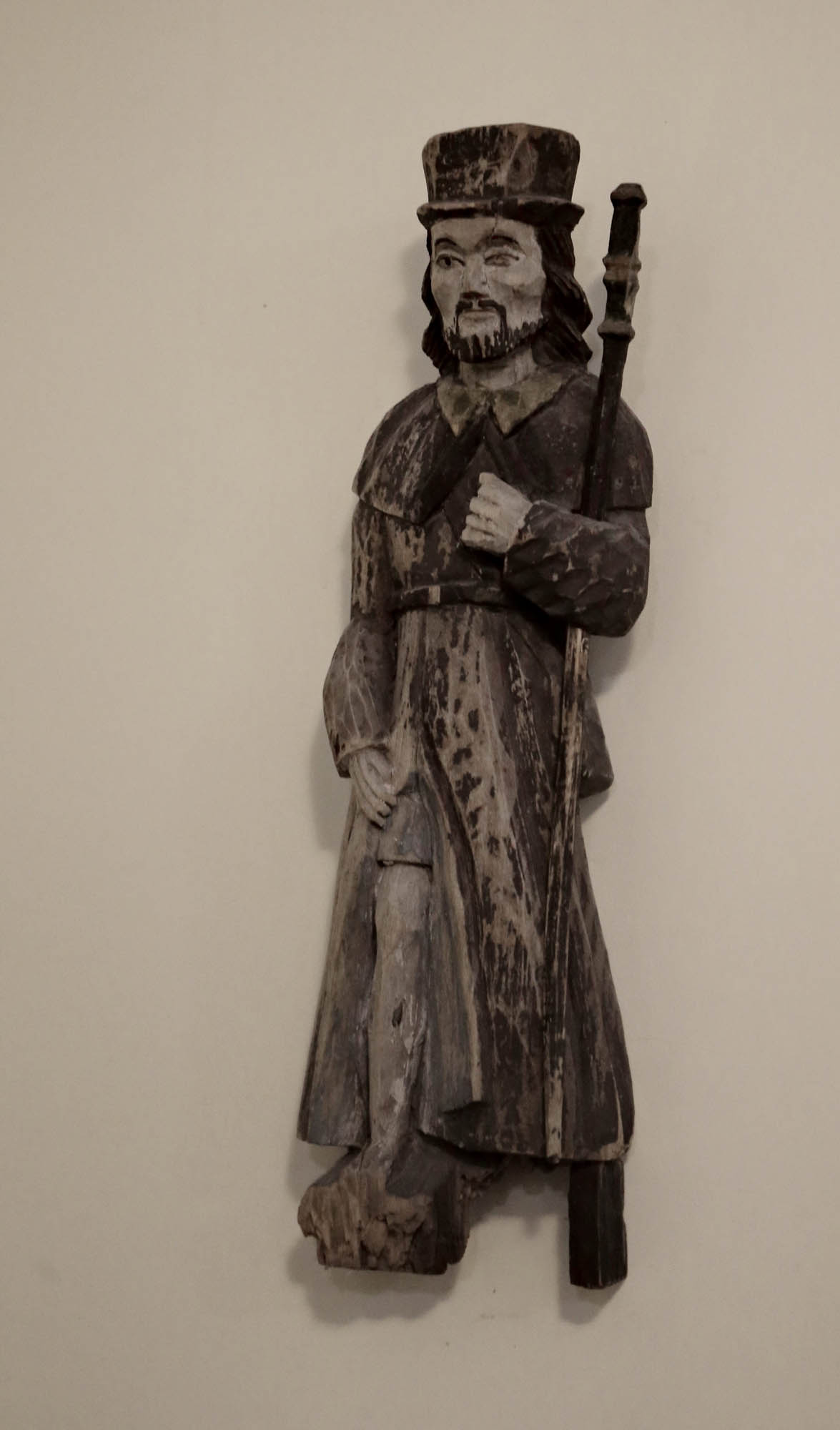
Another common saint is Saint Roch (Rokas), whose name is much more widespread as a given name than it is in our region. As in other Catholic areas, in Lithuania he is invoked as protection against epidemics; his statue was erected like a protective barrier at the edges of villages. Roch also has no pagan predecessor, but he does have parallels. As a pilgrim, he recalls the Lithuanian folklore figure of the “wandering god”, who, disguised as a beggar, tests people’s hospitality. He is usually accompanied by a dog, which in mythology plays a protective role — which is why it is often shown disproportionately large.
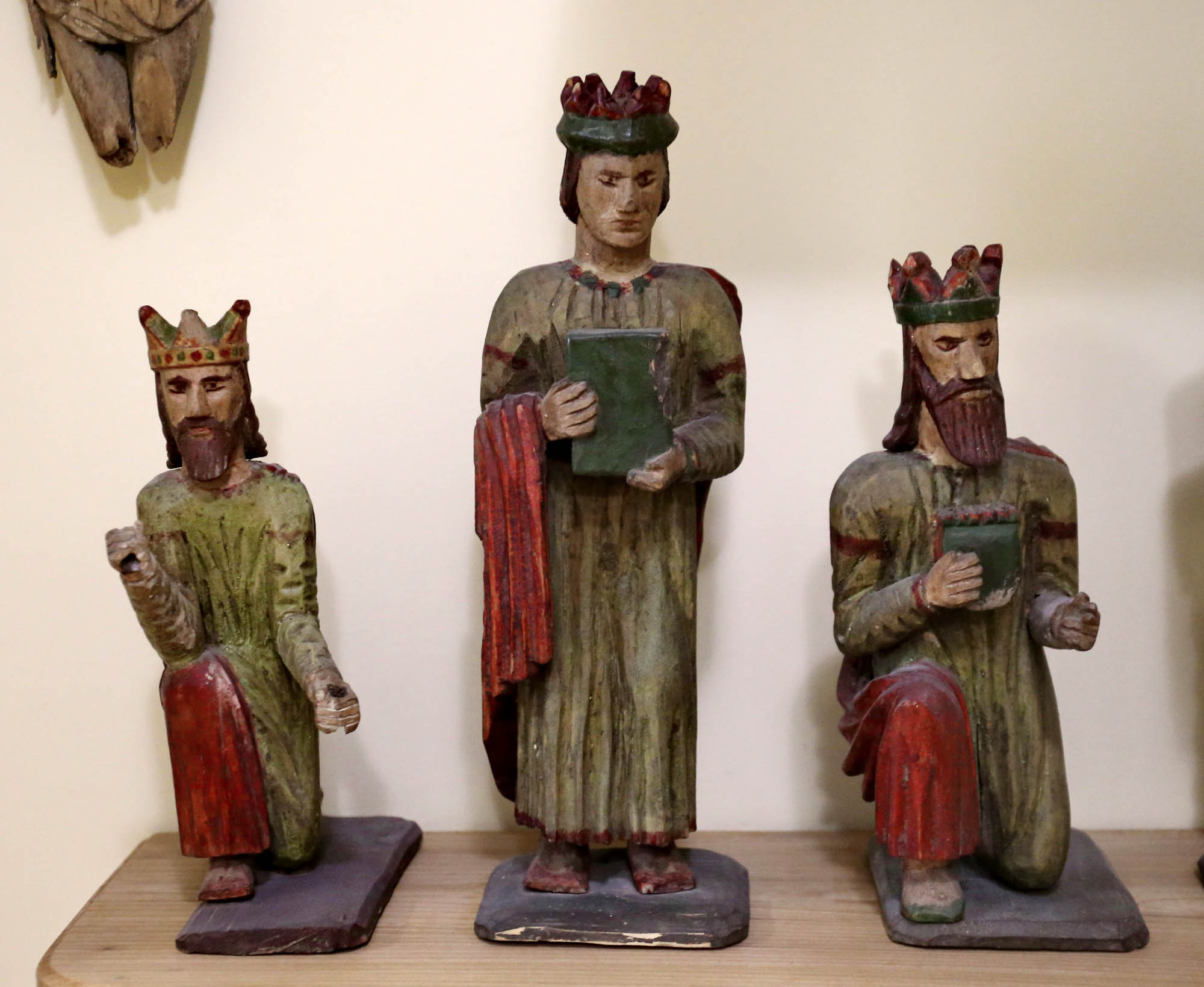
In the collections we naturally also find sculptures that played a role in liturgy: Christ taken down from the cross and the risen Christ, the Three Kings and shepherds of Bethlehem, or figures such as Saint Michael escorting the dead.
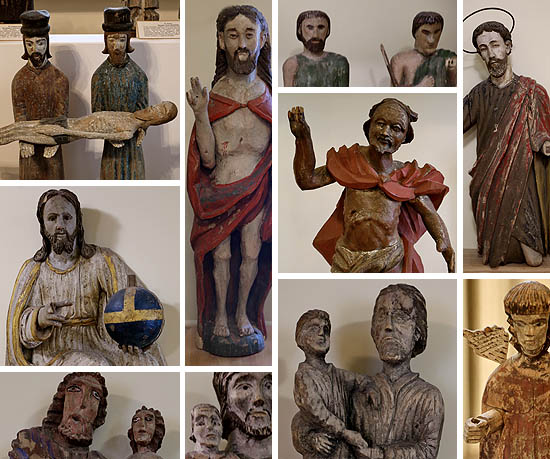
“Dozens, hundreds, thousands of questioning, piercing, astonished wooden eyes stare at the visitor from the shelves of museum storage rooms. These wooden saints stand in groups, arranged according to their places of origin and the names of their masters. It is as if an entire people had gathered, dressed in the garments of prophets, saints, and martyrs, waiting only for a sign to speak and move. Their wooden forms contain frozen meanings — human lives, thoughts, sufferings.” (Marcelijus Martinaitis, 1936–2013)



Add comment