

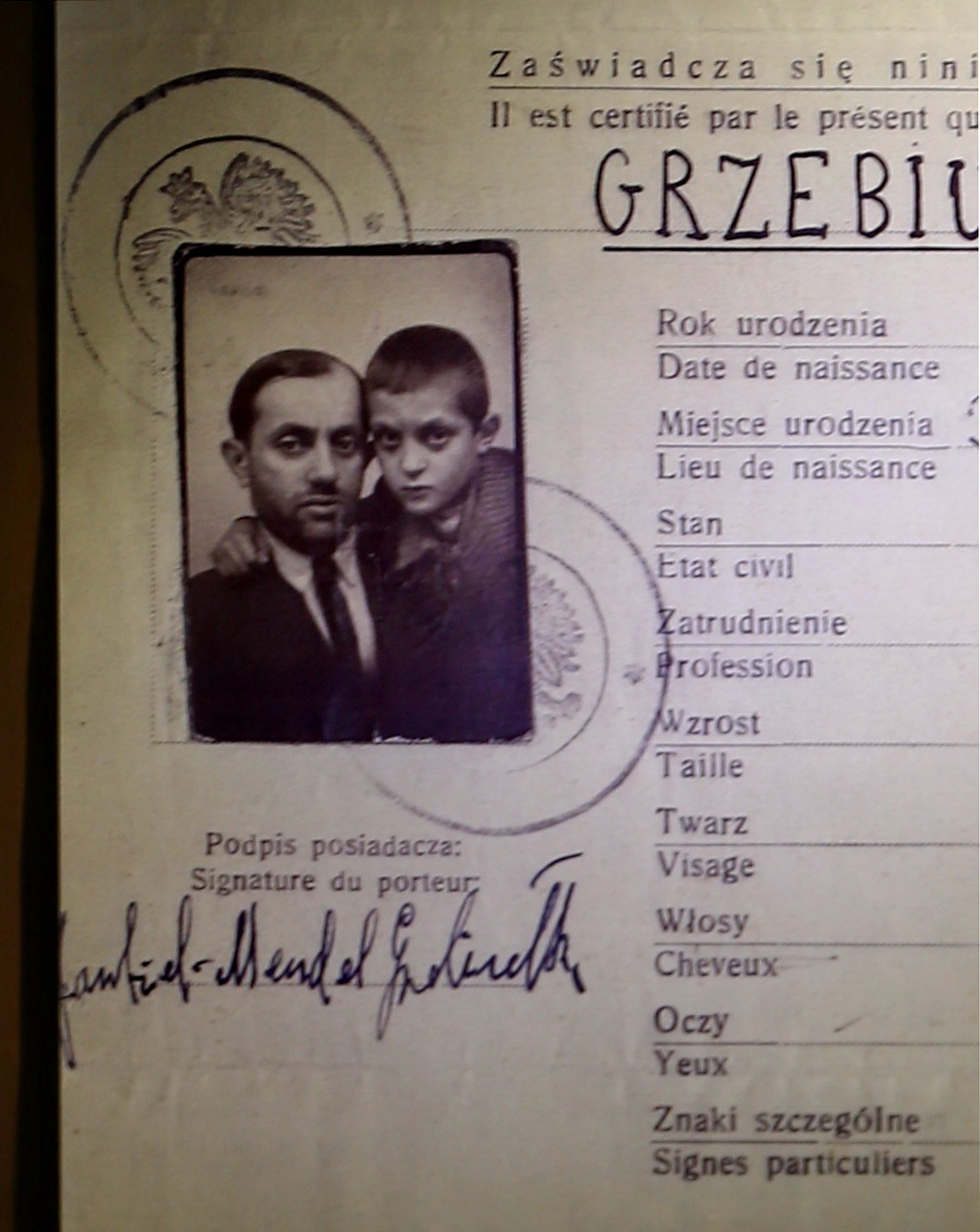
Holocaust Remembrance Day falls on April 16. But this time, instead of writing about death, I’d rather tell a story about survival.
In September 1939, thousands of Jews fled from German- and Soviet-occupied Poland to still-independent Lithuania. When the Soviet Union occupied Lithuania on June 15, 1940, the ground suddenly began to burn under their feet. As Polish Jews and refugees, they were among the most likely targets of the expected deportations—not to mention the German occupation that, at the time, no one could yet foresee.
Word spread among the refugees that the Dutch consulate in Kaunas was issuing visas for the island of Curaçao. Getting there, however, was another matter entirely: by then, the roads of Europe—under German and Italian control—were closed to Jews. The only way out led east, through Japan. And to enter Japan, a transit visa was required.
In those months, Kaunas (Kovno), the Lithuanian capital, became a kind of “Casablanca of the North,” where thousands of refugees crowded around consulates while intelligence agents tried to gauge the intentions of the other side. It was with such a mission that Japan appointed Chiune Sugihara as consul in Kaunas. He had already served as a diplomat in Japanese-occupied Manchuria since the early 1930s, and it was there, in Harbin, that he converted to Orthodox Christianity.
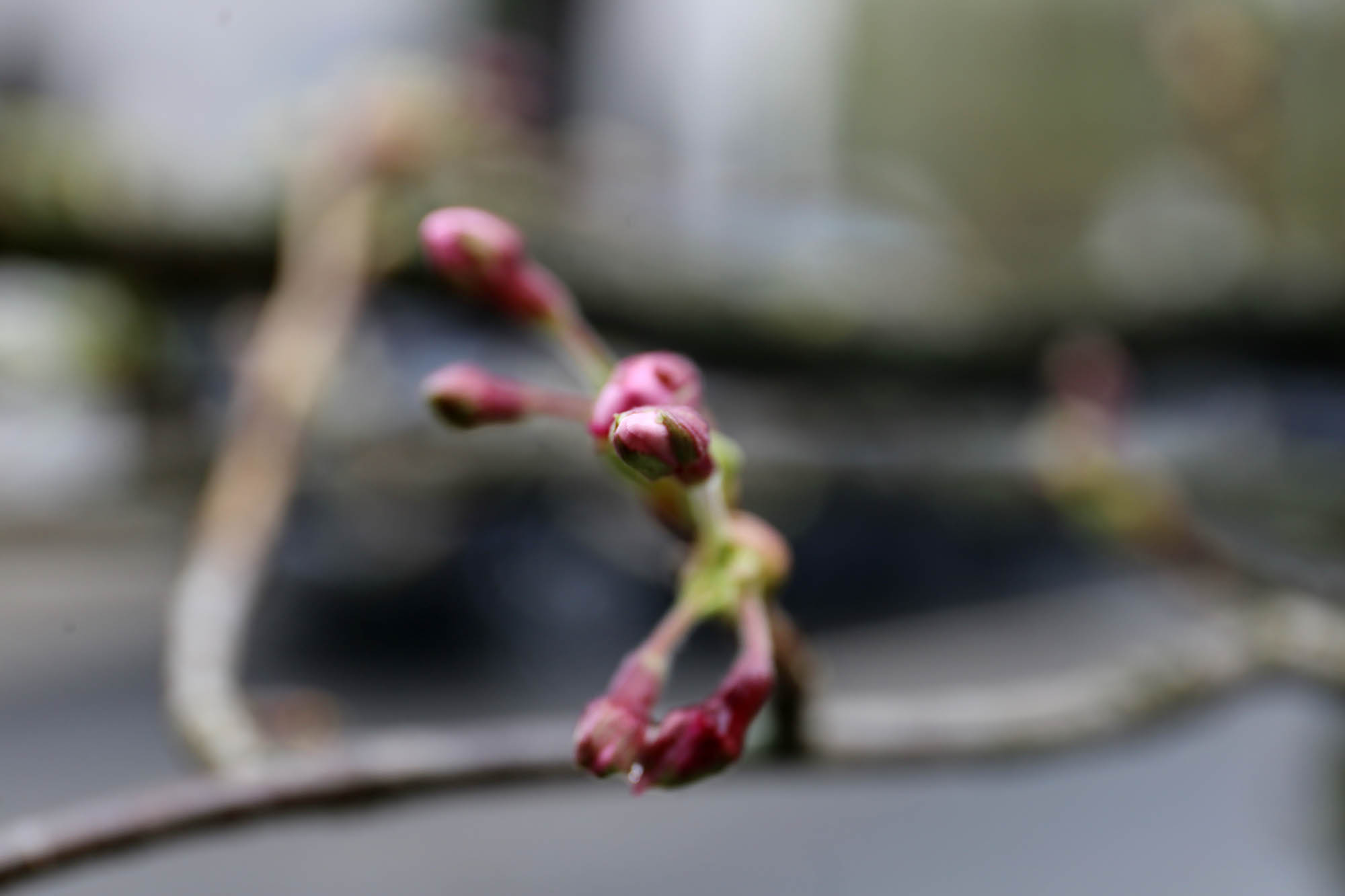 Cherry buds in front of the former Japanese consulate in Kaunas
When news spread among the Jewish refugees in Kaunas that the road to freedom led through Japan, thousands lined up in front of the consulate overnight. But obtaining a transit visa required proof of onward travel and sufficient funds for the stay in Japan—documents most of them simply did not have. Sugihara appealed to the Japanese Foreign Ministry for an exemption, citing the refugees’ life-threatening situation, but his request was denied.
He spent a sleepless night, then wrote: “If I must choose between official duty and humanity, I choose humanity.” For a Japanese diplomat, bound by strict obedience, this was an almost unimaginable act of courage. The next morning, he announced to the crowd: everyone would receive a visa.
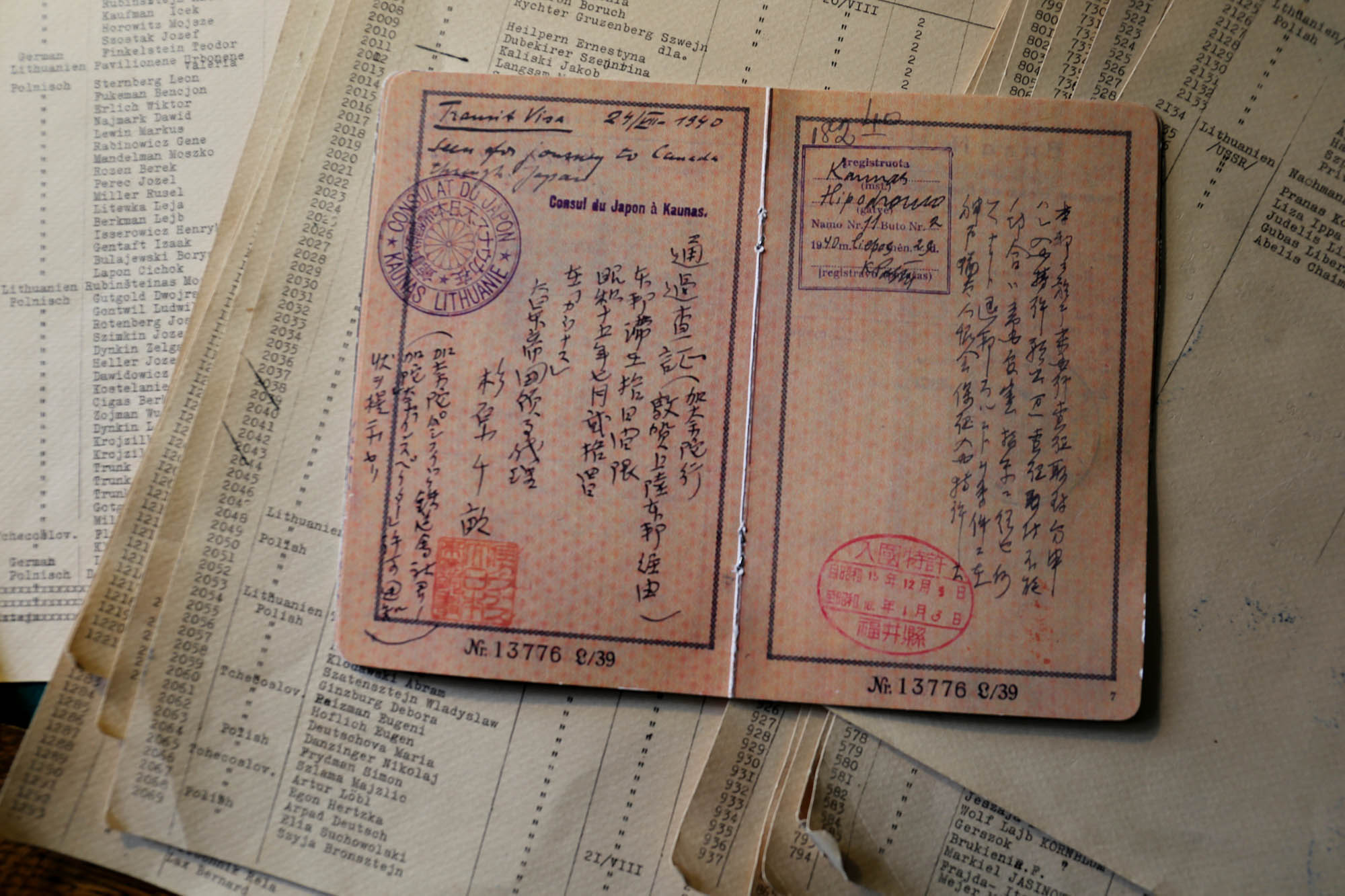
From that moment on, he issued visas by hand for 18–20 hours a day, producing 200–300 daily until September 1940, when Soviet authorities shut down all foreign consulates. He kept writing visas even at the train station—and reportedly from the window of a moving train as he was leaving. In total, he is believed to have issued around 6,000 visas.
Sugihara later admitted he had doubts whether such a large number of visas would be accepted at the Japanese border. Years later, he said: “No one said a word. Perhaps they never realized how many I had issued.”
The refugees traveled across the Soviet Union on the Trans-Siberian Railway to Vladivostok, then by ship to Tsuruga. There, locals welcomed them with remarkable kindness, and today a museum commemorates their arrival. Some continued onward, while others survived the war in Japan or in Japanese-occupied territories, especially in Shanghai. Their descendants are estimated to number between 50,000 and 100,000.
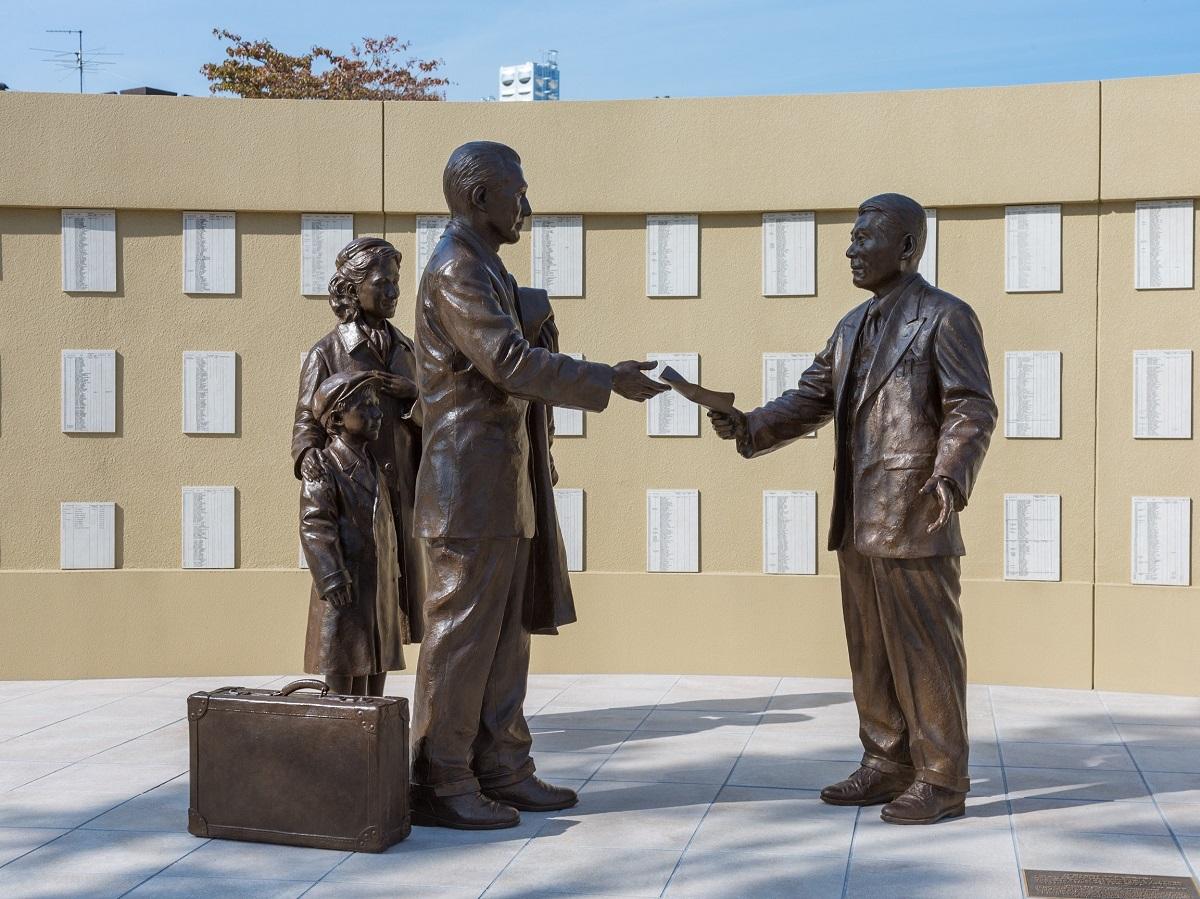 Statue of Sugihara in front of his former high school in Nagoya. Thanks to Ryoko-san for the photo and for suggesting the Kaunas visit
After Kaunas, Sugihara was posted to Königsberg, then Prague and Bucharest. It was there that the Soviet occupation caught up with him. Together with his family—his wife, the poet Yukiko Kikuchi, who supported him throughout the visa operation, and their four children—they spent 18 months in Soviet captivity.
They returned to Japan in 1947, where the Foreign Ministry dismissed him from service—according to his wife, because of his disobedience in Kaunas. Until his death in 1986, he worked as a trade representative, including in the Soviet Union, thanks to his knowledge of Russian.
It was only in 1984 that the Israeli embassy in Tokyo tracked him down and presented him with the Yad Vashem award. His life-saving actions became widely known in Japan only at his funeral, when a large Israeli delegation, led by the ambassador, appeared.
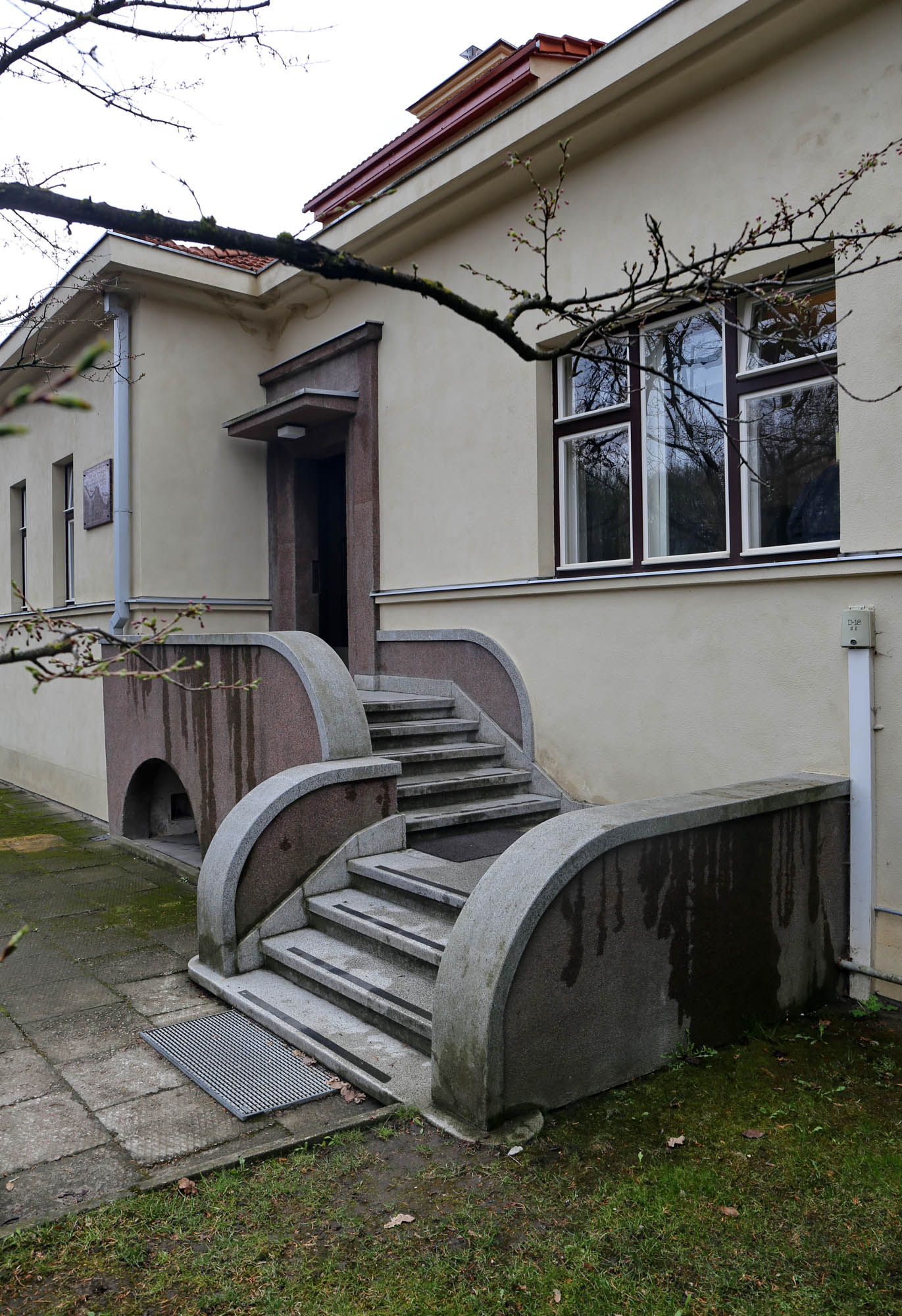
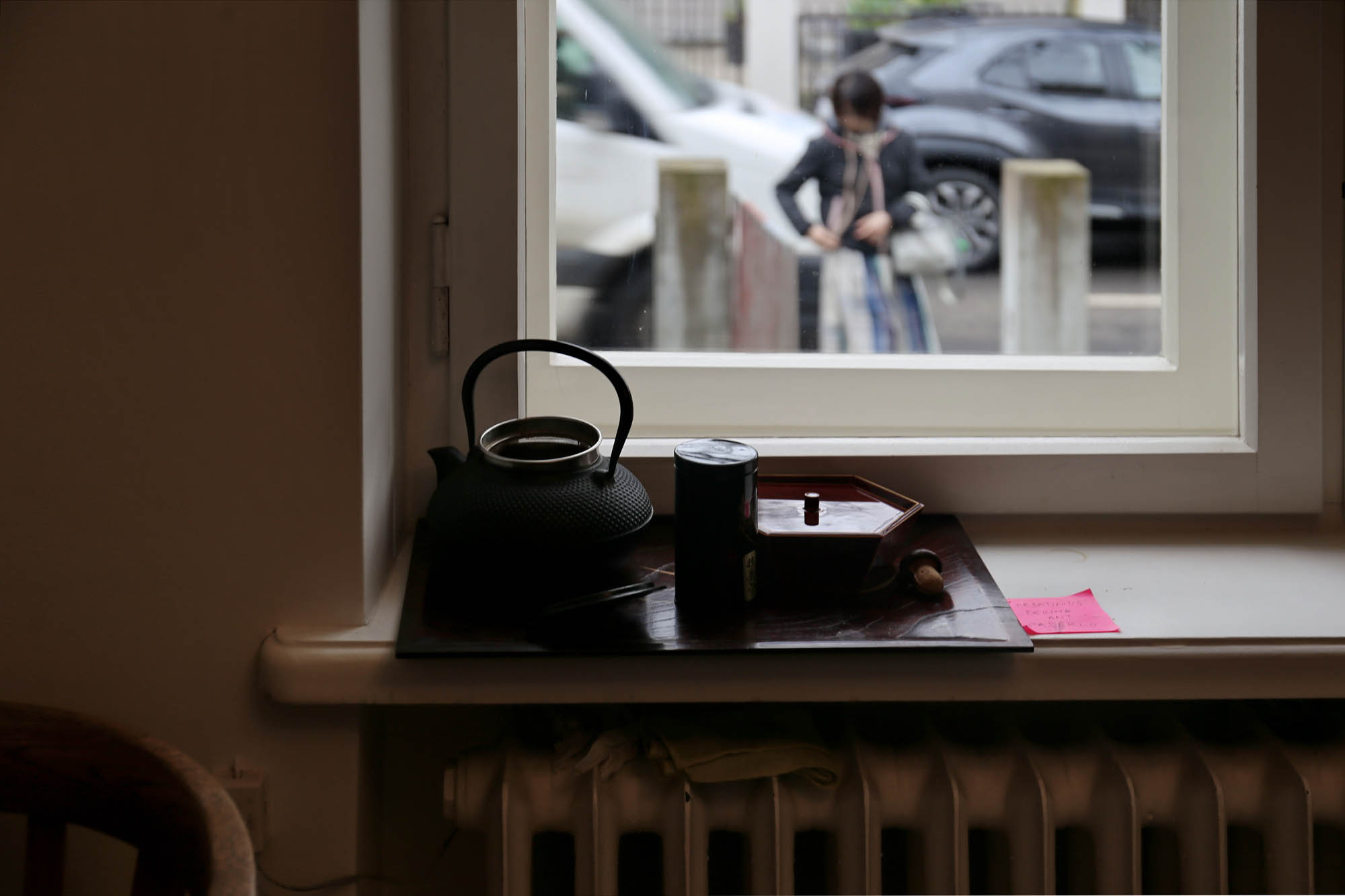
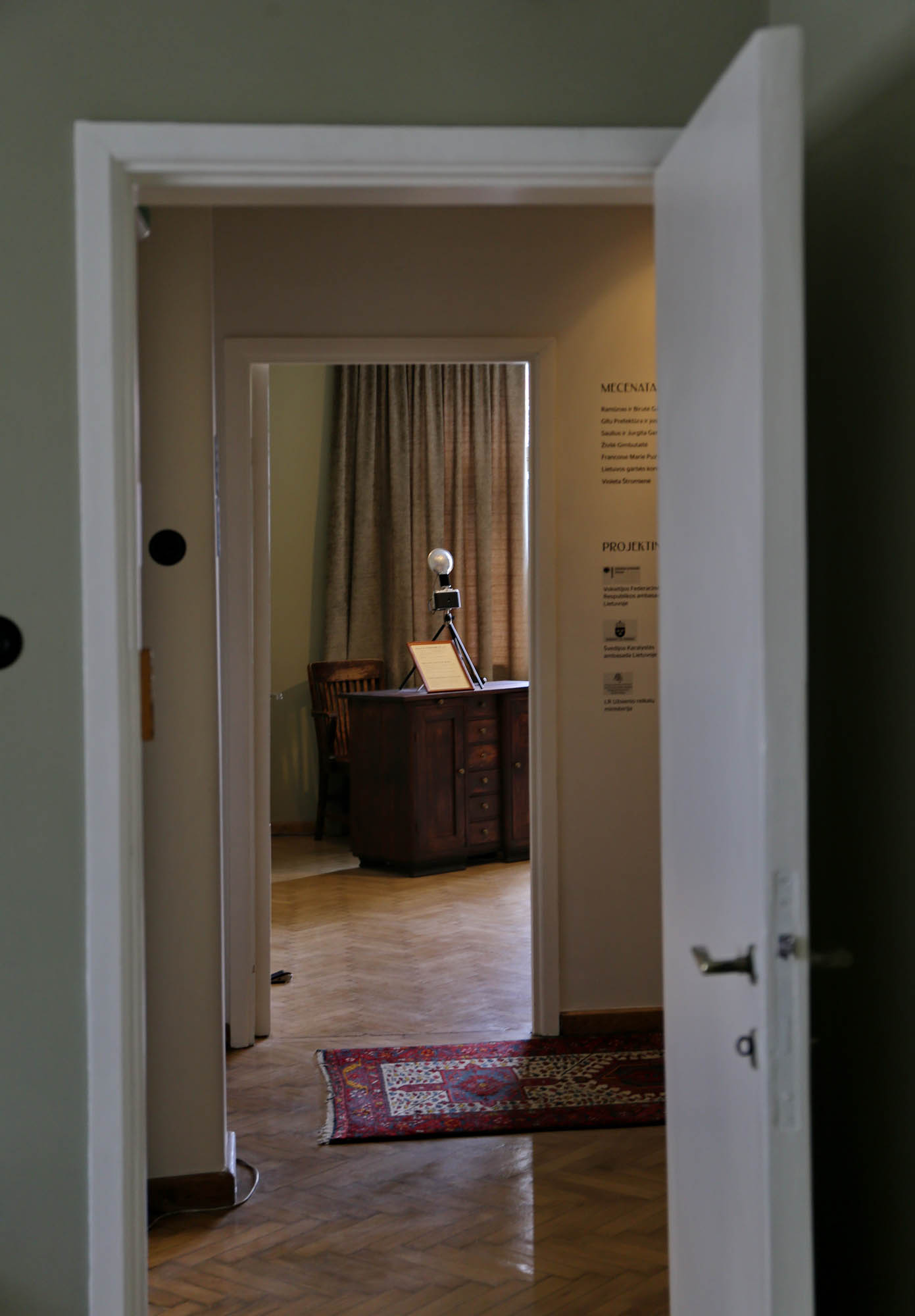
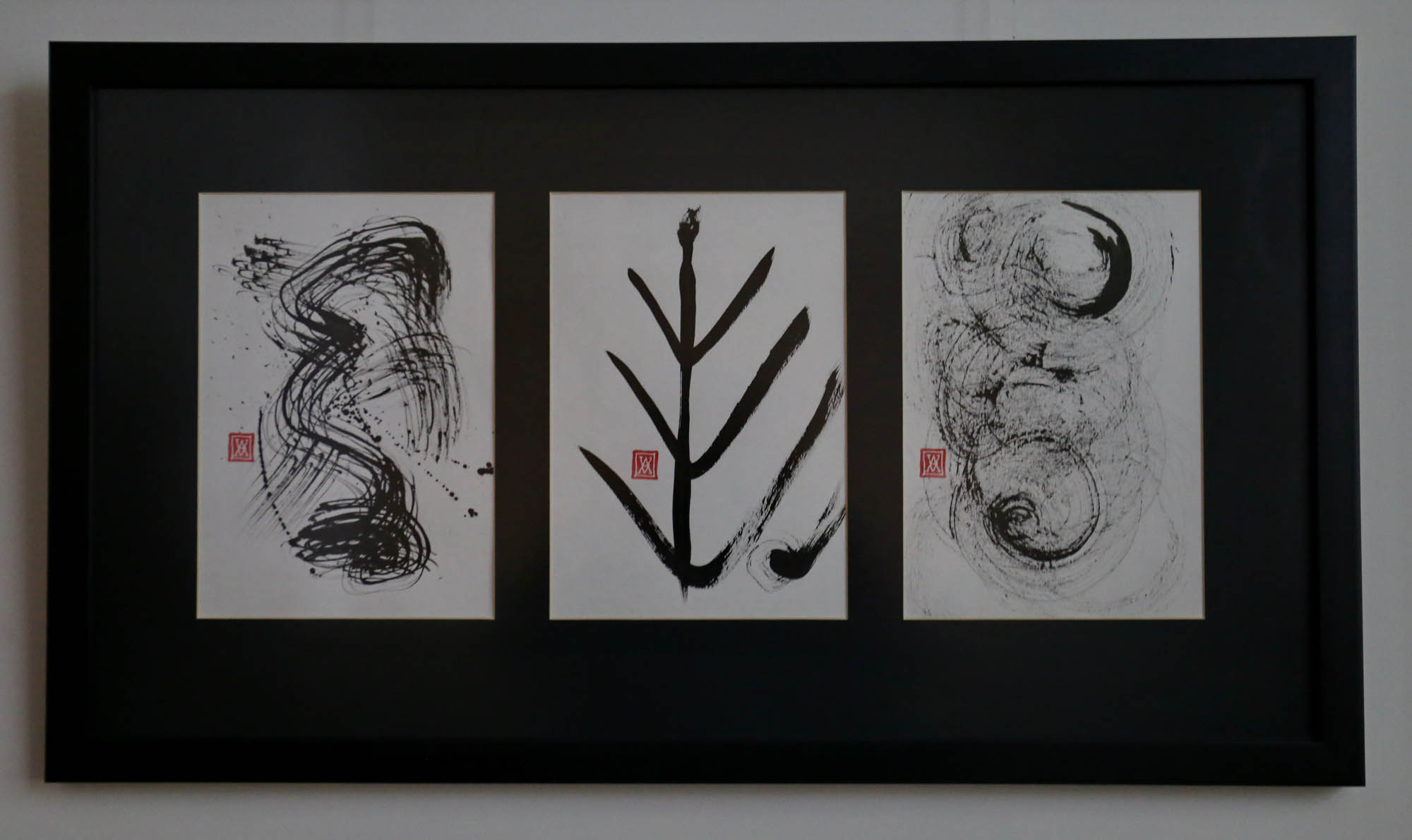
The former Japanese consulate in Kaunas, once also the Sugihara family home, is now a memorial museum. The elegant Art Deco building has been restored to reflect both its residential and official functions. Along the staircase leading from street level down to the garden, rows of visa photographs of those who were saved line the walls. On the desk, a few half-completed visas lie as if waiting to be finished.
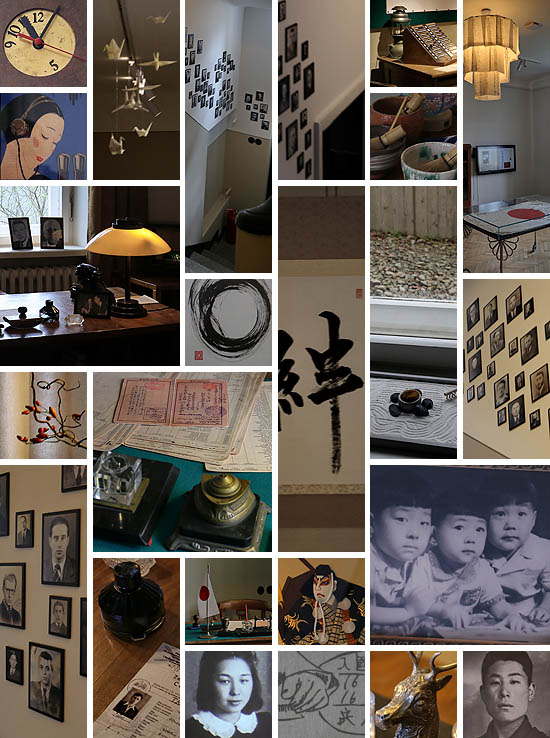
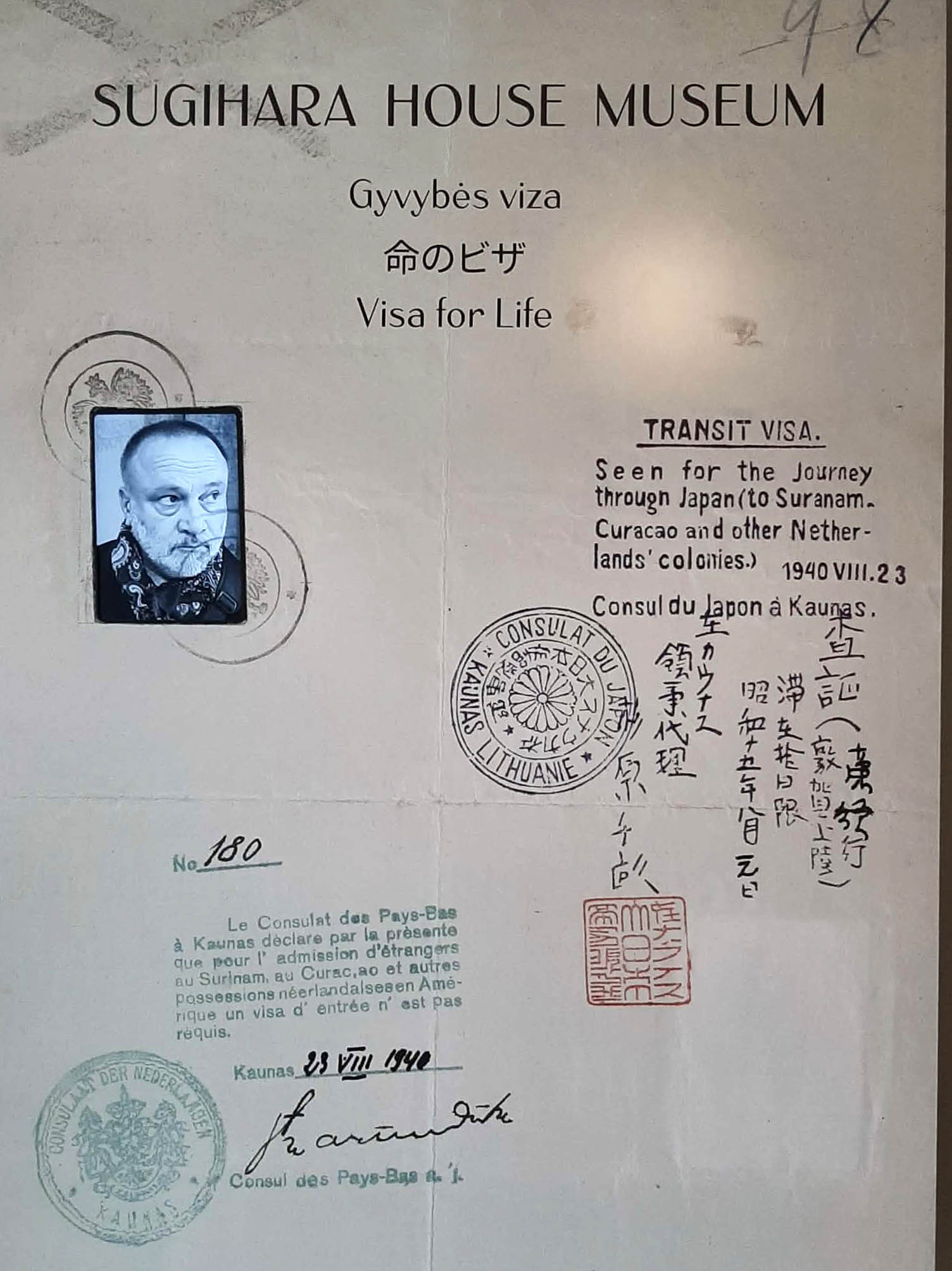
In the photo room, the old camera—now digitized—lets visitors create their own Japanese transit visa. I made one for myself, too. You never know when it might come in handy.