

5.
And Jamsap returned to the world above.
The magic had ended, the tale he had been listening to had come to its close. Shahmeran and her kingdom already felt like a distant memory. Yet Jamsap realized he was not happy. Returning home, back to his mother and among people again, did not bring the happiness he had imagined. Still, he knew that if he had remained in Shahmeran’s land, he would have felt the same. He had become an unhappy exile, someone who could find no place for himself either underground or on earth, cast out from every life. He missed Shahmeran—her delicate, beautiful face, her enchanted gaze, her gentle conversations. But deep inside, he felt a quiet peace, certain that he would remain faithful to his oath. He told no one anything, and for many years, he would continue to keep silent.
When he stepped across the threshold of his home, his mother was stunned, almost confused. It took time for her surprise to turn into joy. The son she had long believed dead was standing before her, alive and smiling at her with shining eyes. Then they embraced, cried, and shared their sorrows. His mother saw that her son had grown up—and she sensed that it was not only time that had made him so.
The friends who had thrown Jamsap into the well and abandoned him to his fate had all become wealthy merchants, and business was going well for them. From time to time, perhaps out of guilt, they sent his mother a few coins, along with food and firewood.
Jamsap did not want to see anyone. He felt he had no strength to forgive them. Besides, whether he forgave them or not no longer seemed to matter. They could have handed him all their wealth in exchange for their betrayal—what would that have changed? By now they were all grown men. That reckless gang of boys, knowing nothing of the world, had long since fallen apart.
He lived in deep hurt and loneliness. He thought of his father Danyal and of Belkıya, and he understood how alone they must have been when they died. He carried the curse of knowledge; he belonged among the lonely.
No one knew where he had been all those years, or with whom he had lived. He had not been torn apart by wild beasts, as his friends had told his mother and everyone else—but then where had he been? Among whom had he lived? No one ever found out. He lived hidden behind silence. He went about his daily tasks, worked, rested, read—and all the while he remembered with longing those thousand and one enchanted nights he had spent in Shahmeran’s palace. He had lived through something that happens only once in a person’s life, something that can never be forgotten.
After returning to the surface, life became pale and colorless. Passion, excitement, intensity—all had faded away. One day he bitterly understood that he was no longer truly living, only passing time. After seeing Shahmeran once, he could never again be the same Jamsap. Deep inside, somewhere very far down, he had lost something completely.
The secret he carried separated him from other people. He shut himself inside his house—and inside himself.
Days, weeks, months, and years passed in the same quiet routine. But one day, the king of the land, Keyhüsrev, fell gravely and hopelessly ill. Physicians, scholars, and magicians could not heal him. Day by day he worsened, incurable wounds opened across his body, and unbearable pain tormented him. It was an unnamed illness, unlike anything anyone had ever seen before.
The vizier, Shehmur, was a master of divination and magic—a cruel, scheming tyrant, hated by the people and adored only by the king he constantly flattered. His prophecies always pointed toward the ruin of others; his mind was forever occupied with cunning, deceit, and stirring conflict. He concluded that the only cure for this illness was Shahmeran’s flesh. If Shahmeran were captured, cut apart, and her flesh fed to the king, he would recover, and peace would return to the whole country. Suddenly, every sorrow, every misery, every problem in the kingdom became tied to the king’s illness. His healing—and even his survival—depended on Shahmeran’s flesh.
A great hunt for Shahmeran began across the land. For some reason, everyone turned into the enemy of a being they had never seen and never known. No one knew where she was, yet everyone looked at everyone else with suspicion, as if the other must have seen her and knew her hiding place. No one trusted anyone. Everyone lived restless, tense, and burdened with guilt. Everyone assumed others believed they had seen Shahmeran and knew where she was hidden, and so each person tried desperately to prove the opposite through every gesture and action. Everyone became everyone else’s informer, executioner, and enemy. Dark, unhappy days had begun. Father turned against son, master against apprentice, neighbor against neighbor.
For small people hungry for power, the sun had finally risen. These were people who could not exist through goodness or beauty; only by feeding on the fears of others, and by enjoying the petty authority they had gained, did they feel alive. Oppression grew stronger. Houses were raided again and again. People were rounded up and taken in groups to the bathhouses, where they were inspected to see whether scales covered the lower half of their bodies, then released. Human dignity and respect were trampled underfoot; oppression, cruelty, and fear ruled life completely.
Jamsap lived in his little hut outside the city, far from everything, in a dull and colorless existence. But the widening circle of power did not leave him untouched. At last, the king’s guards arrived at Jamsap’s own doorstep.
First he fled to nearby villages, then to distant ones. But as the king’s condition worsened and the pressure increased, hiding places became fewer and fewer, and the expanding circle pulled everyone inside it.
In the end, Jamsap too was captured and taken to the bathhouse. Until then, he had never entered a bath, staying faithful to Shahmeran, and so the lower half of his body had remained hidden. But at the first splash of water, he saw that from the waist down his body was covered in scales, shimmering with a silvery light. They saw it too. (He had dreamed of this many times before—that the lower half of his body was becoming scaled, shining, and more and more like Shahmeran; in his dreams, he himself had become Shahmeran’s betrayer, his own executioner.)
They seized Jamsap and dragged him before the vizier. He insisted he had never seen Shahmeran, did not know her, and had no idea where she was. They pressed harder, he resisted, but he could convince no one; all his denials were useless, because his scaled body revealed everything. His own body had become his enemy, bringing about his destruction. Since he answered nothing and resisted every demand, they finally subjected him to torture. His scaled body became the target of the deepest humiliations, the cruelest degradations, and unbearable pain. At last, Jamsap’s strength ran out. Slowly, he began to break.
In order to bear himself and justify himself in his own eyes, he began to search for reasons with which he could defend himself before himself.
“I’ll only take them as far as the mouth of the cave,” he said.
“Taking them to the mouth of the cave doesn’t mean I’m betraying her,” he said.
“If I don’t tell them, someone else will anyway,” he said.
“Maybe a miracle will happen and Shahmeran will save herself,” he said.
And many similar thoughts kept swirling in his mind. At the same time, he knew all of this was just an excuse…
In the end, the vizier Shehmur and his loyal men reached the mouth of the cave. Jamsap hesitated for a moment. The moment of shame had arrived. With a trembling finger he pointed: “It’s here!” he said. He wished the earth would shake, the sky would thunder, and the apocalypse would come.
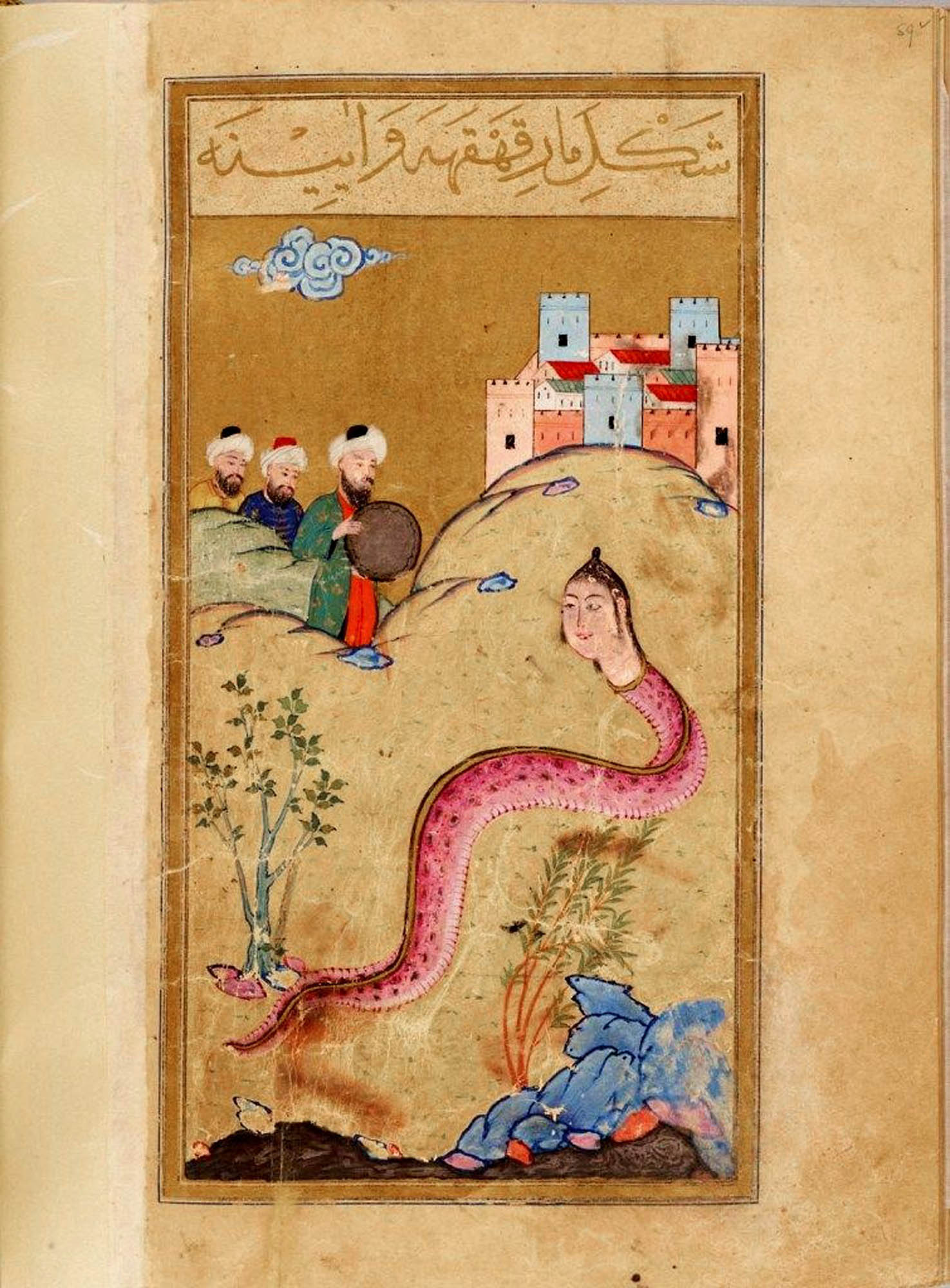
The sorcerer Shehmur lit incense, performed spells, and poured enchanted water at the mouth of the cave. When the marble lid was lifted, thick smoke billowed out, and an ifrit appeared, its face covered with a pitch-black veil. On its head, on a silver tray, lay Sahmeran with a wounded, angry gaze. Shehmur reached out with trembling hands; but Sahmeran seemed to see Ukap again. The same bulging eyes, trembling beard, thin-lipped frothing mouth, a face tense and twitching with desire…
“Don’t touch me!” said Sahmeran. “Don’t touch me! Or I will strike you and poison you! Let Jamsap take me—I will leave this place in his arms!”
Then she turned to Jamsap:
“I told you, Jamsap,” she said, “man is a traitor. Man is weak, unstable, fickle.”
Jamsap lowered his head.
“Just like Belkıya,” said Sahmeran. “Yes, yes… how much you resemble him. I had never noticed it before.”
Jamsap could not hold himself back; he fell to his knees and began to cry.
“Forgive me, my Sahmeran, forgive me!” he said. “For years I kept your secret, my lips were sealed for years. I fled and hid for a long time, but in the end they caught me, they tortured me for days, and I broke… I betrayed my heart, which was filled with your secret…”
“Crying suits you, Jamsap,” said Sahmeran. “Men would be more beautiful if they could cry; they would be more beautiful. In any case, do not grieve any longer. Who knows, perhaps I myself prepared my death. From the very beginning I prepared it myself. Perhaps I spent my whole life waiting for my killer, thinking it was hiding. From the very beginning I handed my fate over to others; I fled, I hid, and I thought this was protection; I felt like a human, I lived like a snake; I struggled with emotions; I waited in hiding for what would come—thus I prepared my death. Perhaps my whole life was a secret, refined suicide. In any case, there is no point in speaking of this anymore. I have only one last piece of advice for you, Jamsap. You know Belkıya also had one. After my death, let them place me in a large earthen vessel, and pour over me the bathwater in which you have washed. Do not drink the first water; let the vizier drink it. You drink the second water. I will put my poison into the first water, and my essence into the second. As for the king, he will be cured by my flesh, but he will not live long. What do you think—how long can an empire built on tyranny stand? Sooner or later it will collapse. What is now my healing flesh will one day turn into poison; and then even more incurable diseases will erupt in the body fed by the blood of the oppressed. No one will be able to save him then.”
They set off toward the palace.
When they arrived, the great gates were opened. In the courtyard a large hearth had been set up, and the flames awaited the sacrificial meat. The wooden tables surrounding the courtyard were filled with food, golden goblets were filled with drink; preparations for a great feast were underway. Lanterns and banners hung everywhere; actors, dancers, jugglers, musicians, and magicians were all preparing for the great performance.
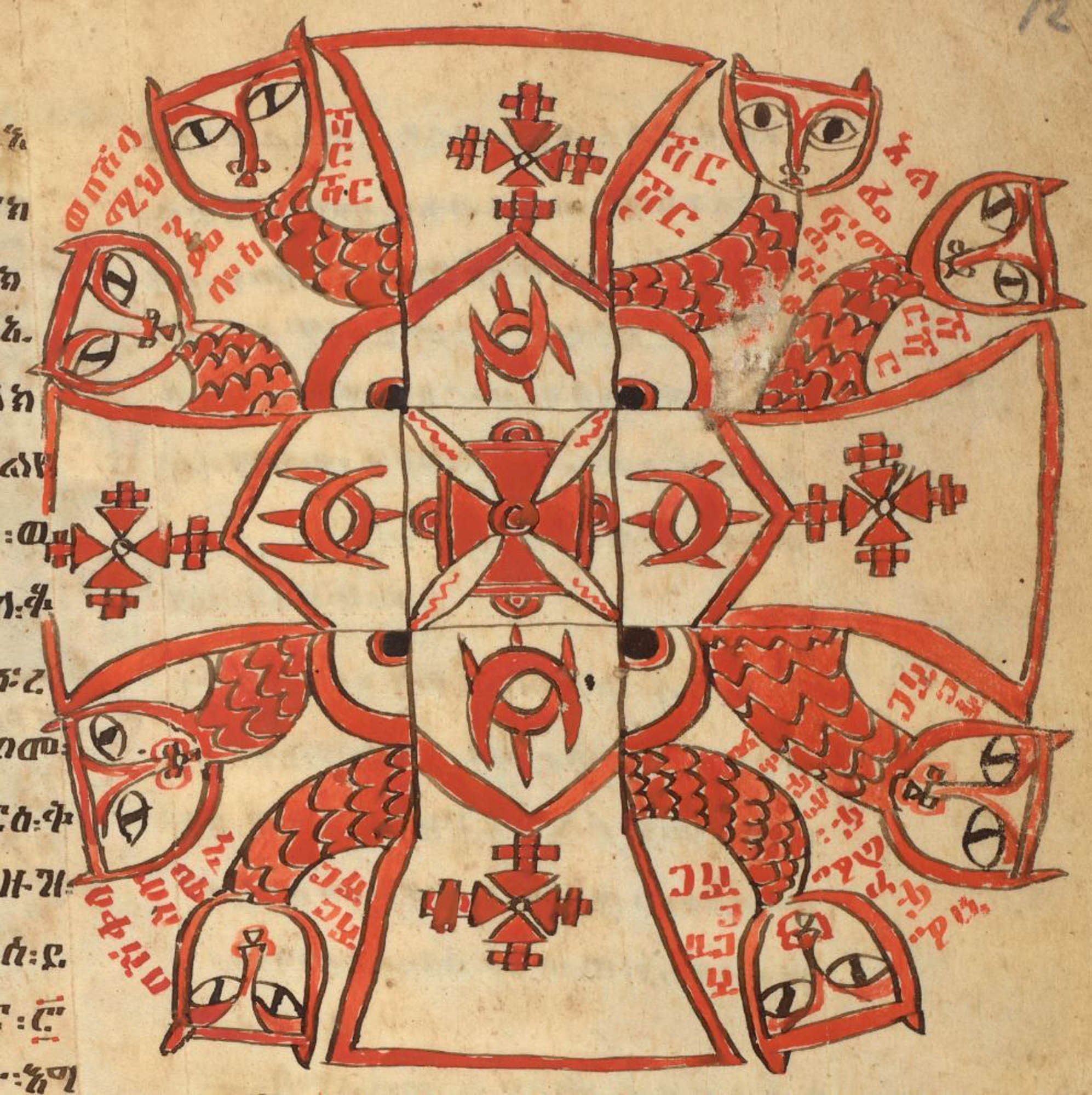
Sahmeran’s body was laid into a wide, deep earthen vessel.
She was already dead.
Hundreds of people had watched her killing.
As the boiling water foamed, Sahmeran’s body, cut into forty pieces, swirled in the water; and each piece, as it rose bubbling to the surface, spoke and revealed its healing power. Meanwhile Jamsap received news that Shehmur, the vizier who had drunk the first water, had died. He had perished writhing in the greatest agony, struggling and convulsing. Who knows—perhaps the fate of those more loyal to the king than the king himself is to die before him.
The second water, which he himself drank, brought him inner peace; it seemed to give him the strength to endure the days to come.
After a while the fire went out, and the hearth fell silent.
Within forty days Jamsap fed the king all forty pieces of Sahmeran.
The wounds healed more and more from day to day, the scabs fell off, his pain lessened, and the inflammation subsided. By the end of the fortieth day he had fully recovered and stood up. He bathed, dressed, adorned himself, anointed himself with perfumes, put on jewelry, and stepped out into the divan.
But when he said, “Let Danyal’s son, Jamsap, come before us!” — Jamsap had already left the city and was destined for distant mountain paths, deserts, and the adventurous life of wandering ascetics.
After that, no one ever saw Jamsap again.
Although his name remained forever, various stories circulated about his fate. Some say he drowned in a bathhouse; others say it happened in the very bath where he first washed himself.
When my master reached the end of the story of Sahmeran, I was already preparing to go to the big city. The scholarship I had won for a tuition-free boarding program separated me from him and from the Sahmeran painting workshop. A sadness settled over both of us, and we avoided each other’s gaze. He told the end of Sahmeran in a painful voice. It was clear that I would not follow in his footsteps; I would leave.
Yet I had already come a long way in my craft. My hands were quick, skilled in delicate work. Perhaps out of youthful boldness, I experimented with daring colors. My master, who usually let me work freely, would sometimes intervene when my courage turned into recklessness, guiding my expression. He said:
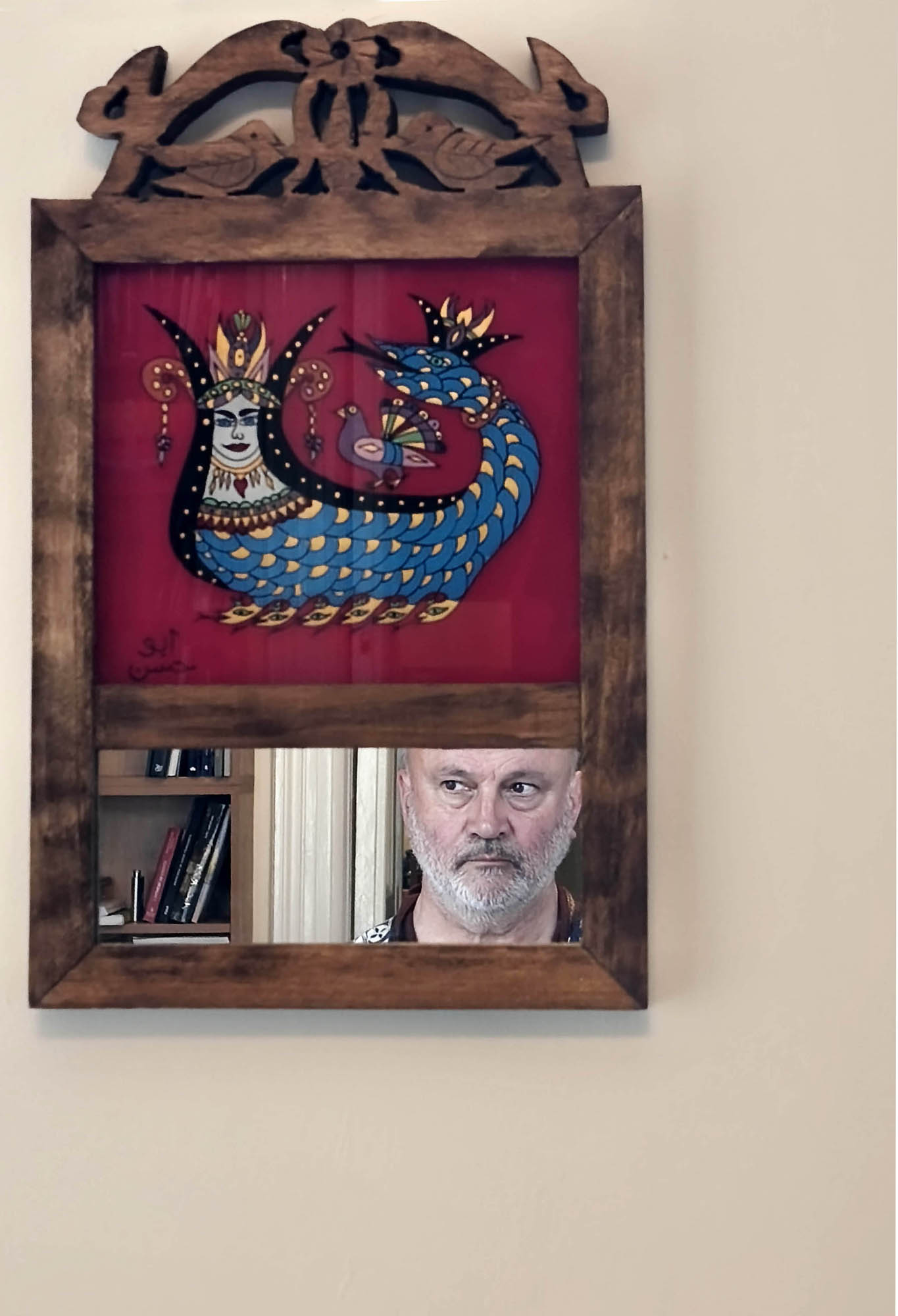
“What you add to Sahmeran is her face. Your Sahmerans are not empty-eyed; each has a deep meaning on its face, a proud sorrow—meaning you succeed in doing the hardest thing. You are on the right path; in your drawings, Sahmeran is no longer just an image, but a living, suffering being who feels responsibility and reveals her emotions. This is something new in our craft. Your Sahmeran shows the inner world, because you have the ability to see people’s inner world, my son!”
I do not know how true these words and this praise were, or how much of it was meant as encouragement. But it was certain that I was making real progress. I drew quickly and carefully. All my Sahmeran panels were greatly appreciated and sold quickly. In a short time I became someone everyone followed, someone whose future others were curious about.
My master was proud of me. At one point I even thought he was jealous, or at least he made me feel that way. I never knew, and will never know, whether these feelings belonged to him or to me. But my master once said something that in a way justified me:
“Art is a matter of competition,” he said. “But competition must not make a person forget his nobility.”
If mastery also means raising one’s rival, then it is at the same time preparing one’s own fate. Whatever we call it, the tension between us made both of us creative.
He surely wanted the fire of his old workshop to continue burning, and his craft to live on in my hands; yet he also knew I would leave. He never spoke to me about this, never said a word. He knew I would abandon him. I had killed his future.
All my inner conflicts fell silent. All the opposing feelings I had for him disappeared, and a deep love mixed with pain filled my heart.
I left him.
I was at the age when one believes that leaving equals winning.
Yet when I went to kiss his hand at parting, he said:
“Sahmeran’s legs are on all the roads of the world.”
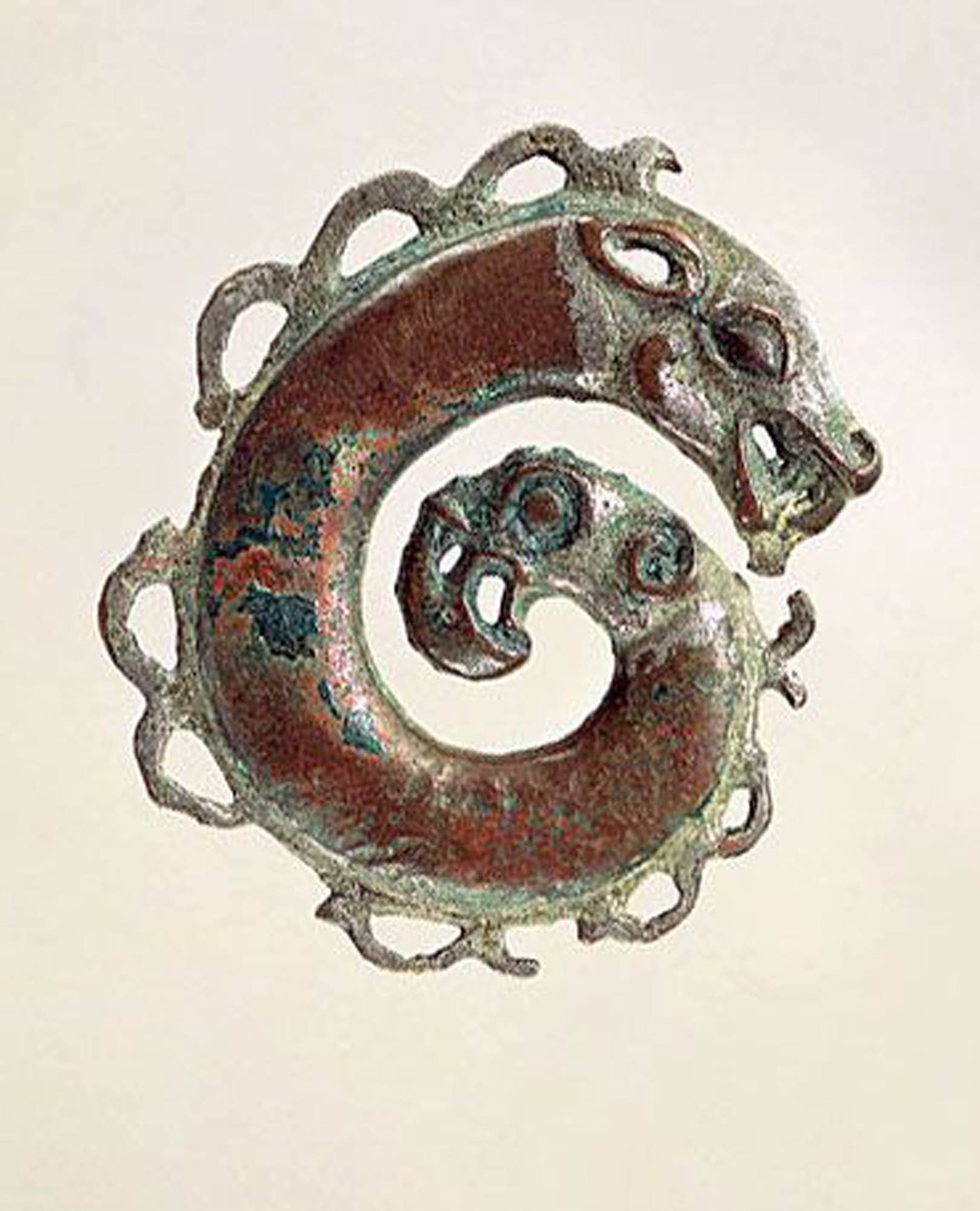
Years passed; I had become known as a talented young writer. When my first book was published, I wanted to go back to the small provincial town where I was born and raised, to dedicate my first book to him. It was a delayed debt of the heart.
But my master had died; I was too late.
I had long been planning what I would say to him. I wanted to apologize; I had left him without an apprentice, without a son.
“I did not betray you, my master,” I would say. “Believe me, what I am doing is a kind of Sahmeran-ness. Didn’t you once tell me: ‘You have the power to see inside people’…”
But I could not say it. I could not say anything.
None of the apprentices after me showed any promise. The fire of the workshop died with him.
Just as I once stood at my grandmother’s door with my first Sahmeran panel under my arm, I stood there again, helpless. Not only he, but even his workshop was no longer there; it had long been demolished, replaced by another building. Why do we believe that whenever we return, we will find what we left in its place? Why?
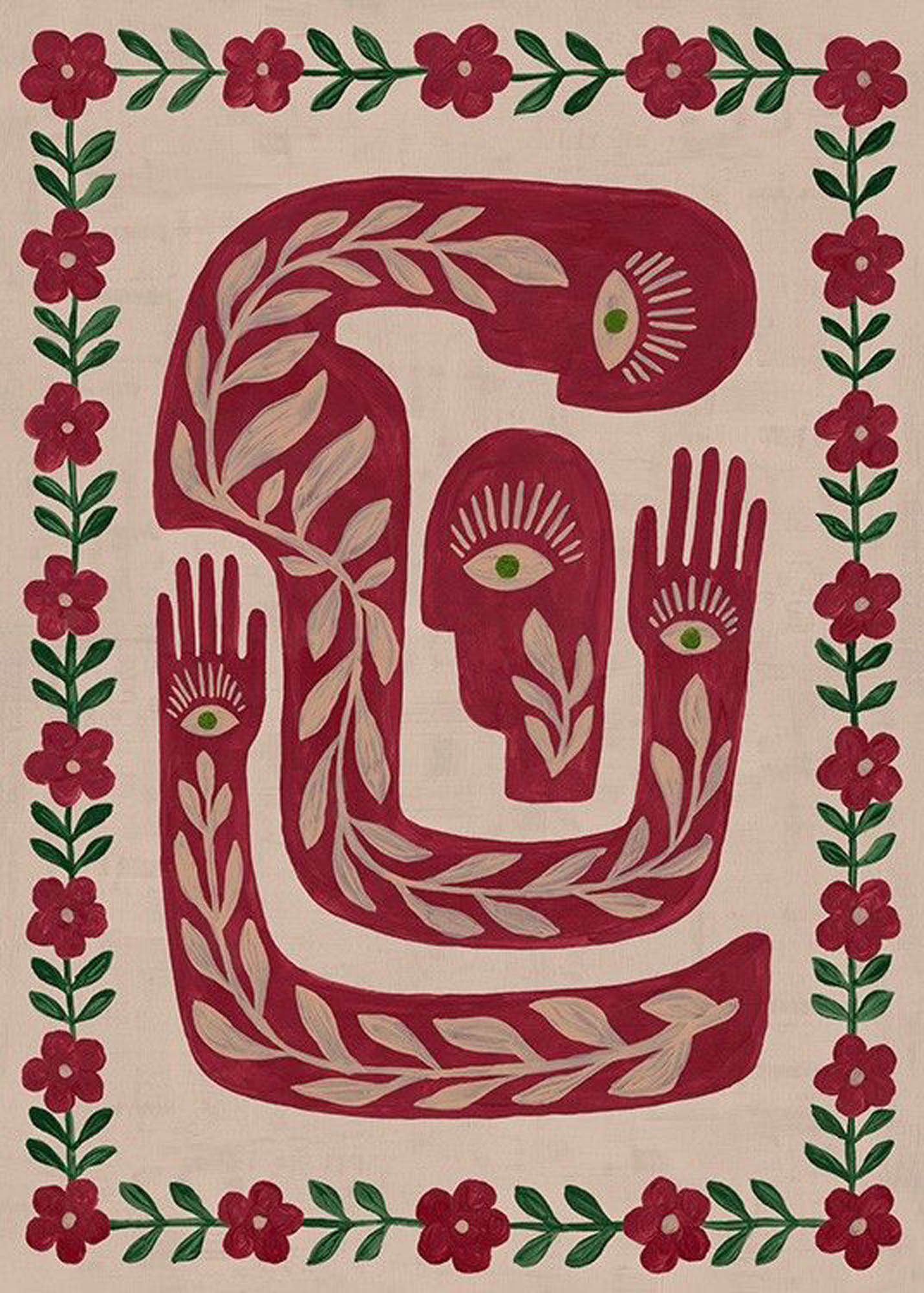
In front of the ugly, makeshift building that replaced my master’s workshop, I suddenly understood the sadness of Belkıya and Jamsap’s returns. Without meaning to, I closed my eyes. With a single blink I wanted to be everywhere in the world. My master’s words came back to me, and at that moment I decided to write the legs of Sahmeran, which travel all the roads of the world.
I had nothing else left to do. I would write. I would write without stopping. My father, who gave me as an apprentice to the Sahmeran master so I would not become a rootless drifter, could not have known that through this apprenticeship I would become such a focused yet wandering child…
That very day I left the city, and as soon as I returned home, I wrote this story.
My master! Forgive me. It seems I waited for you to die just so I could truly love you.
July, August, September, October 1983
Ankara




Add comment