

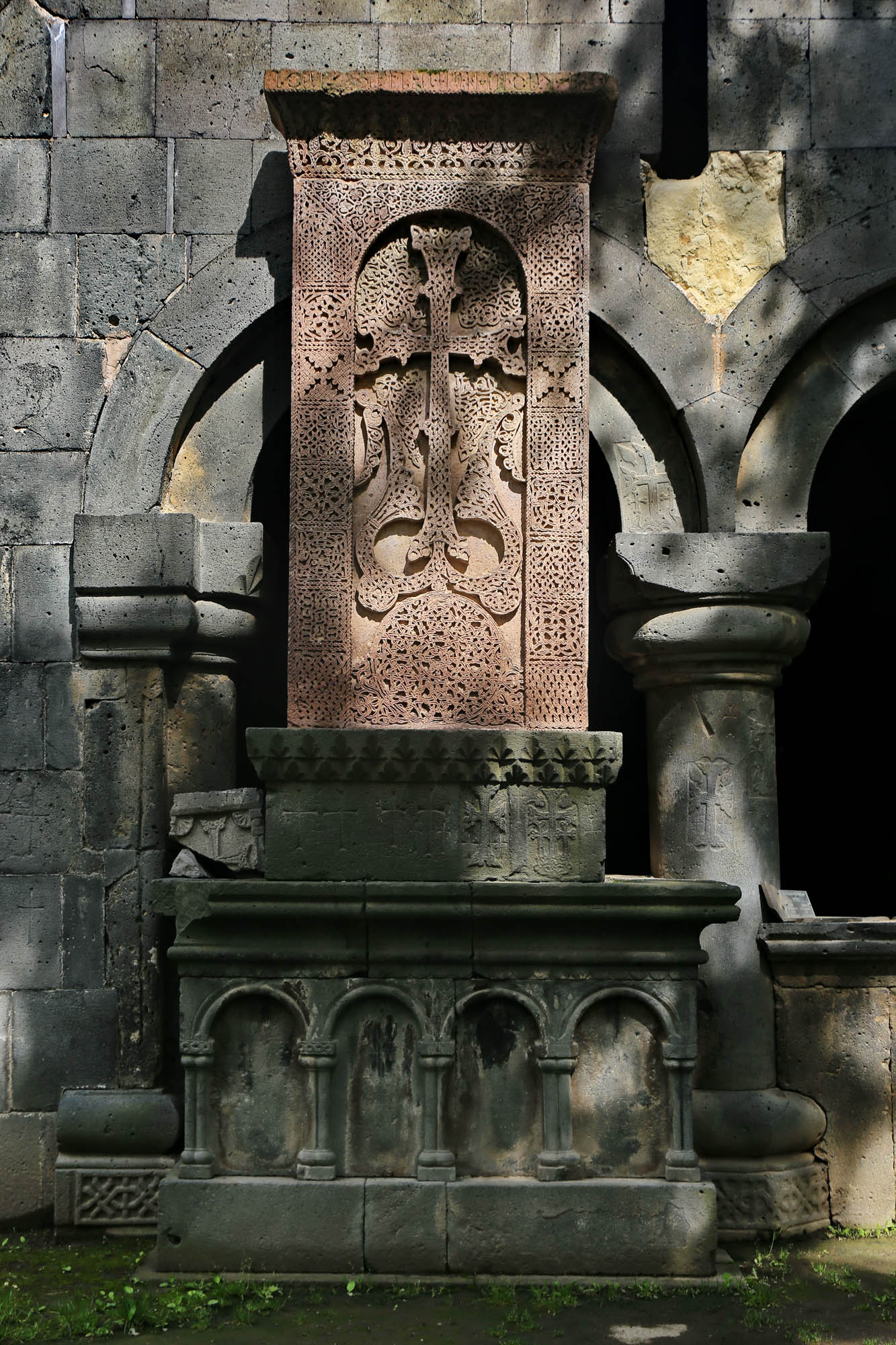
In front of the entrance to the UNESCO-listed monastery of Sanahin in northern Armenia stands a massive and richly carved khachkar. From the cross rising above the sphere of eternity, delicate vines and leaves sprout below — symbols of the life-giving power of the Cross and eternal renewal — all wrapped in an intricate lace-like pattern. The woven bands of the eternity sphere form tiny pomegranates, ancient symbols of abundance and blessing. On most Armenian cross-stones, this sphere replaces Adam’s skull, washing away every trace of death through the promise of rebirth and resurrection granted by God. The dense vegetal carvings of the frame evoke the Garden of Eden, especially the vine and pomegranate motifs above the upper arch — the gateway to Paradise.
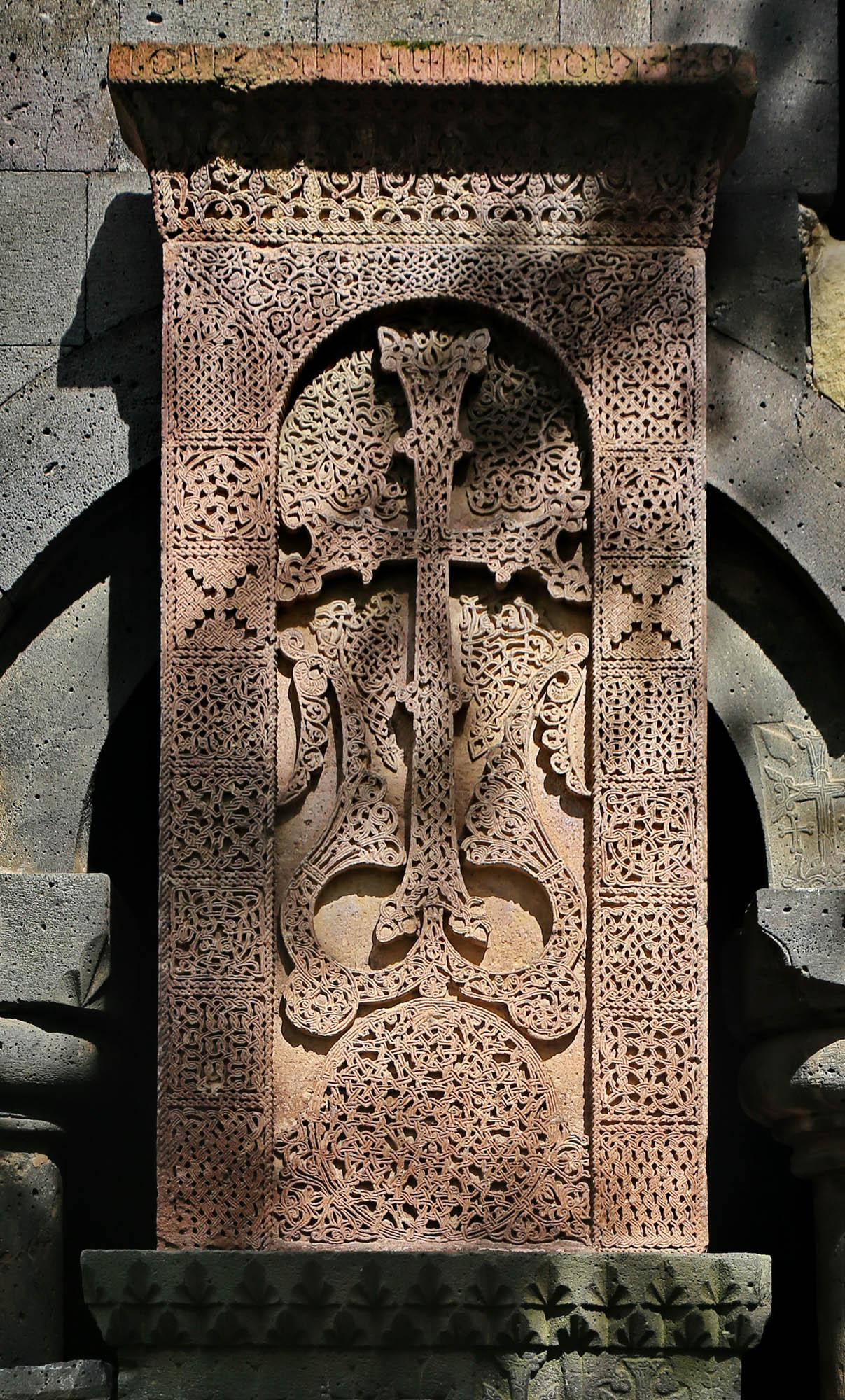
Along the lower part of the cross and its pedestal runs this inscription in Old Armenian:
“In the year 633 [=1184], this holy cross was erected in memory of Father Grigor, son of Tute (Tuteordi), who was the head of this holy monastery. O Christ, remember him at Thy coming.”
The name of the master sculptor — Mkhitar Kazmogh — appears on the upper cornice of the khachkar. He was one of the greatest stone carvers of his age and the pioneer of the multilayered khachkar technique, which ushered in the golden age of medieval Armenian stone carving: the era of the “lace khachkars,” also known as needle-carved (aseghnagorts) stones. Mkhitar carved deeply into the stone surface, cutting back several layers, each filled with its own intricate ornament, so that shifting light and shadow make the stone seem almost alive and strikingly three-dimensional. He worked with volcanic tuff freshly quarried while still soft enough to carve easily, using hair-thin chisels, and before beginning he drew an elaborate geometric grid across the entire surface to guide every motif. He was not merely a craftsman, but a theologically educated artist who sought to express the divine order of the cosmos and the perfection of creation through complex geometric forms carved in stone.
All signs suggest that Mkhitar Kazmogh also ran a stone-carving school at Sanahin, and his students carried his style far beyond the monastery. Two of his greatest followers — Poghos at Goshavank and Momik at Noravank — developed his legacy in two brilliant and very different directions; I’ll write about their khachkars soon as well.
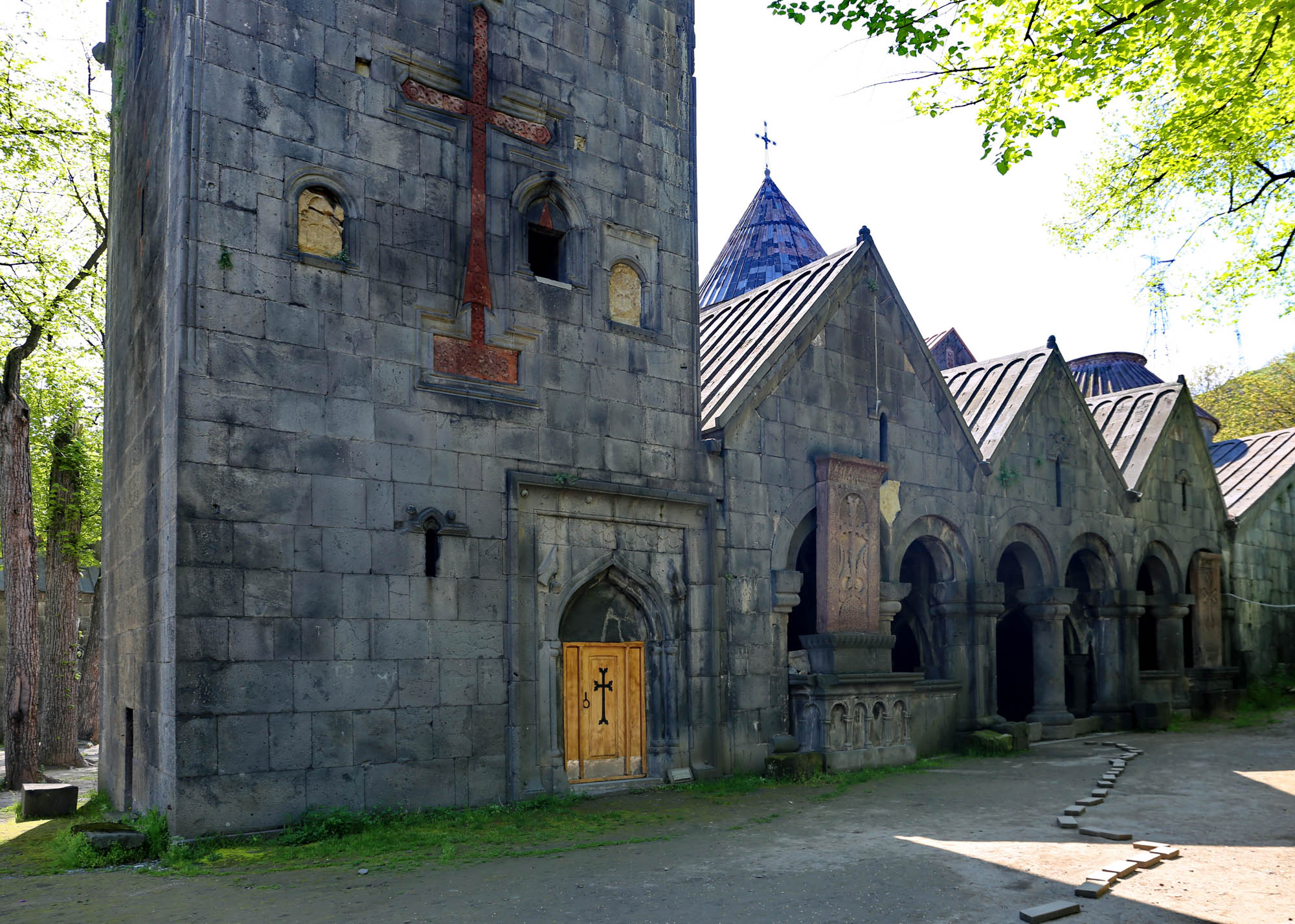
Grigor Tuteordi was the highly respected abbot and patron of Sanahin during the second half of the 12th century. This was the golden age of northern Armenia, when the Kurdish-Armenian generals of Queen Tamar of Georgia, the Zakarians, liberated the region from the Seljuks and showered its monasteries with generous donations.
Together with Prince Kurd of the distinguished Artsruni family, Abbot Grigor commissioned the gavit (narthex) of Sanahin Monastery’s Church of the Holy Redeemer, completed in 1181 by the architect Zhamhayr. An inscription on the wall of the gavit proudly records:
“I, Prince and Amir Kurd, son of Vahram, and my wife Horisah... together with Father Grigor, head of this holy monastery, in agreement with the brethren, built this zhamatun [gavit] for the holy church from our own means, for the remembrance of our souls...”
Prince Kurd calls himself “amir,” a Georgian title. He was in fact the amirapat of Tiflis — effectively its governor or mayor — and, like many other Armenian aristocrats of the period, became deeply integrated into the Georgian ruling elite. His father Vahram, lord of nearby Haghpat and Mahkanaberd, served under the Zakarians as a high-ranking military commander (amirspasalar) at the Georgian royal court. His brother Barseg, the celebrated abbot of neighboring Haghpat, was even appointed Archbishop of Kartli by Queen Tamar herself.
It was a fascinating situation: the Georgians were Orthodox Christians, while the Armenians belonged to the monophysite/miaphysite — or Gregorian — Armenian Church, which rejected the decisions of the Council of Chalcedon in 451. Yet in this period the boundaries seem to have been surprisingly fluid. In many Armenian noble families — beginning with Tamar’s own generals, the Zakarians — one brother became Orthodox while another remained Gregorian; others lived as Orthodox Christians at the Georgian court and as Gregorian Armenians back home, and nobody seems to have found this contradictory.
At the same time, Grigor Tuteordi belonged to the circle of the so-called “Eastern Fathers” of the Armenian Church, who fiercely guarded its independence from the Georgian Church. When the Armenian catholicos Nerses Shnorhali opened negotiations with both the Georgian and Byzantine Churches about a possible union, Grigor became one of the loudest voices against it. In numerous letters he tried to dissuade the catholicos from pursuing union. And the fact that his objections were driven less by theology than by fears for Armenian independence under Byzantine and Georgian assimilation pressures is shown by something remarkable: he suggested that the Armenian Church should instead look toward the Russian Orthodox Church — the first such proposal in Armenian history.
When Grigor Tuteordi died, the monks and local Armenian nobles mourned not merely an abbot, but the man they believed had saved the Armenian Church from being absorbed into the Georgian realm. That, too, explains why they raised such an exceptionally magnificent khachkar in his memory.
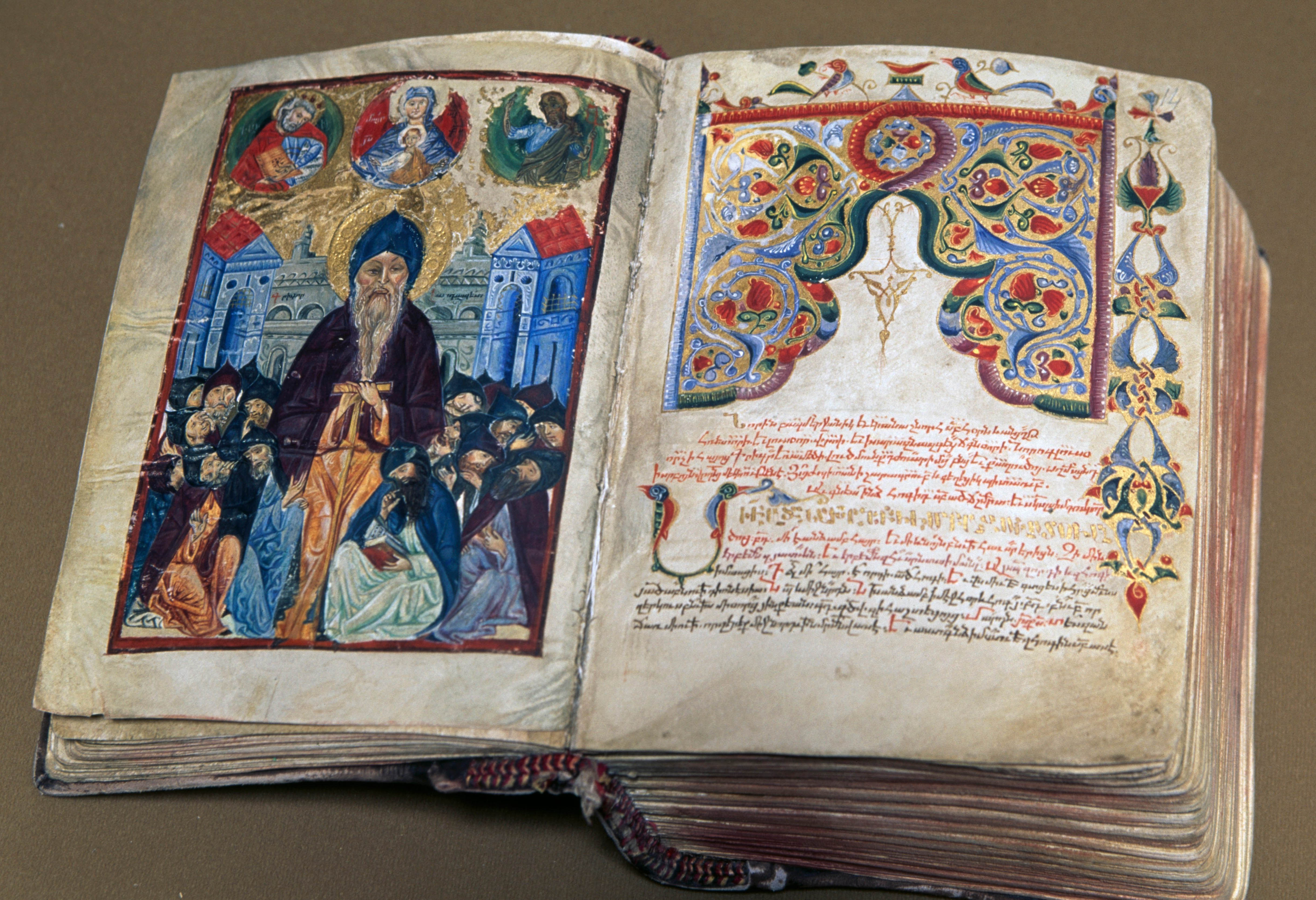 Armenian holy bishop (Grigor Tatevatsi). Commentary on the Psalms, Kaffa, 1449
Which raises an interesting question: if Grigor Tuteordi was such a hardliner, how could he quietly tolerate the Armenian aristocrats and bishops around him moving back and forth between Georgian Orthodoxy and the Armenian Church?
Because in theology he was uncompromising — but politically and strategically he was a brilliant pragmatist. In his writings he defended the independence of the Armenian Church with absolute rigidity, yet in practice he understood perfectly well that the survival, protection, and economic stability of Sanahin depended entirely on the goodwill of the Armenian elite connected to the Georgian court and the Chalcedonian world. He knew that Prince Kurd financed the monastery’s gavit from the wealth he accumulated as amir of Tiflis. And that Prince Kurd’s brother, Abbot Barseg — now a Georgian archbishop — represented the monastery’s strongest possible ally and lobbyist at the Georgian royal court.
Grigor Tuteordi’s struggle was not directed against individual Chalcedonian believers — least of all against his own patrons — but against official church union and institutional absorption. In his eyes, the fact that members of princely families shifted between rites for political reasons was simply an unavoidable, if secondary, game of worldly politics.
And this raises another fascinating question: what exactly was the relationship between the patron princes and the monasteries — and the abbots who led them?
In every case, it was a close political, economic, and dynastic alliance built on mutual advantage.
• Monasteries functioned as informal power centers for princely families.
• The princes endowed monasteries with lands and entire peasant villages from their family estates. At the same time, abbots were very often drawn from the younger sons of the same princely families, ensuring that control over estates, villages, and political influence remained effectively within the dynasty.
• Patrons added gavits to monastery churches as family pantheons and exclusive burial chambers. Since the tombstones covered the floors and monks and worshippers literally walked across them, burial there symbolized both prestige and humility at once.
• Through monumental inscriptions, manuscripts, and sermons, monasteries provided cultural and religious legitimacy to their patron families.
• And finally, by donating part of their land and wealth to monasteries, noble families effectively removed those assets from taxation. This became especially important during the Mongol conquest, when the conquerors confirmed tax exemptions for most monasteries while heavily taxing secular estates.
The relationship between princes and monasteries was therefore a perfectly functioning feudal symbiosis: the prince provided military protection, money, land, and artistic or architectural commissions, while the monastery in return offered religious legitimacy, tax protection, cultural prestige, and eternal remembrance for the family in the afterlife.
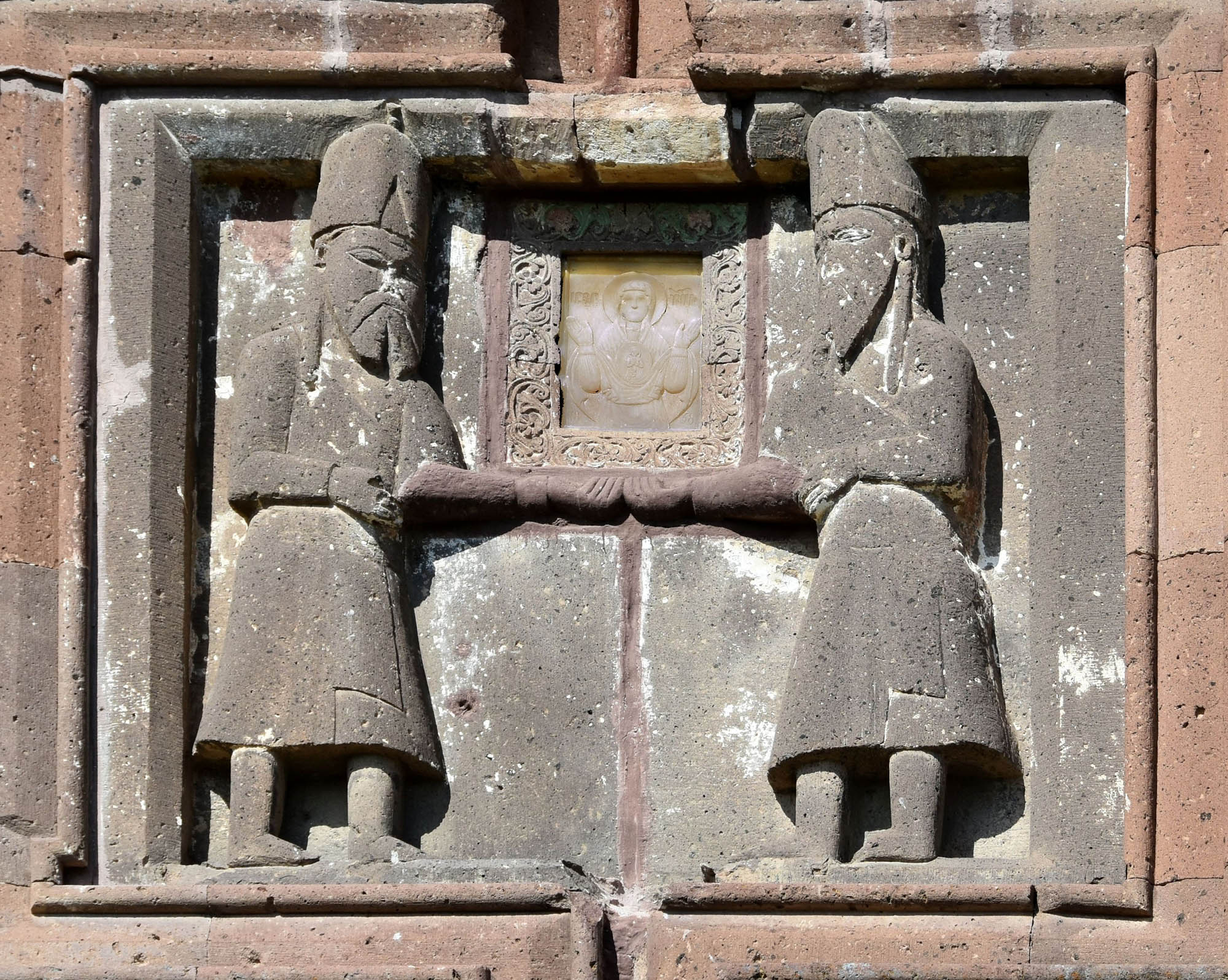 Ivane and Zakare Zakarian portrayed as founders on the apse of Harichavank Monastery, 1201
The Zakarians, for example, maintained their own administrative center farther north at Akhtala, where they also built their still-standing Orthodox church, yet they took great care to support the monasteries of their Gregorian Armenian subjects as well. To Sanahin they donated lands in the villages of Kasag, Gari, and Lori. Since monasteries depended heavily on cash income, they also granted revenue-generating assets — mills, oil presses, market areas, and shops. Vineyards too, which were especially important because at Sanahin’s altitude grapes do not properly ripen for the wine needed for liturgy and the trapeza. And from their military campaigns they regularly presented the monastery with gemstones, treasures of gold and silver, and precious relics from the spoils of war.
One inscription of Prince Ivane Zakarian — the brother who converted to Orthodoxy yet still remained a patron of the Armenian Church — survives at Sanahin:
“...I purchased for the holy monastery the great oil press beside village X, together with its garden and all its revenues. In return, the holy fathers agreed to celebrate five masses each year for my soul, and three for my wife’s, for as long as the sun moves across the heavens.”
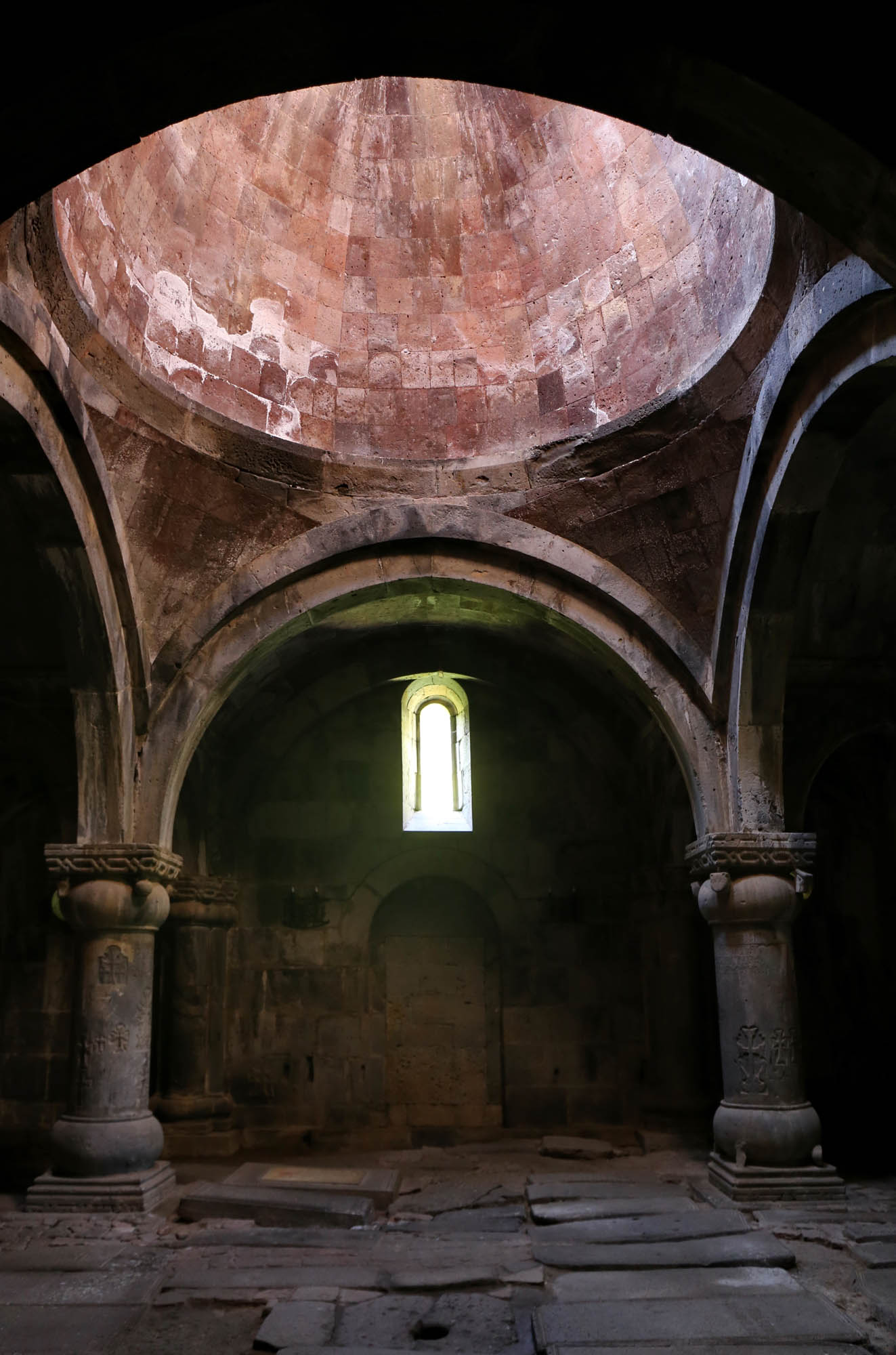
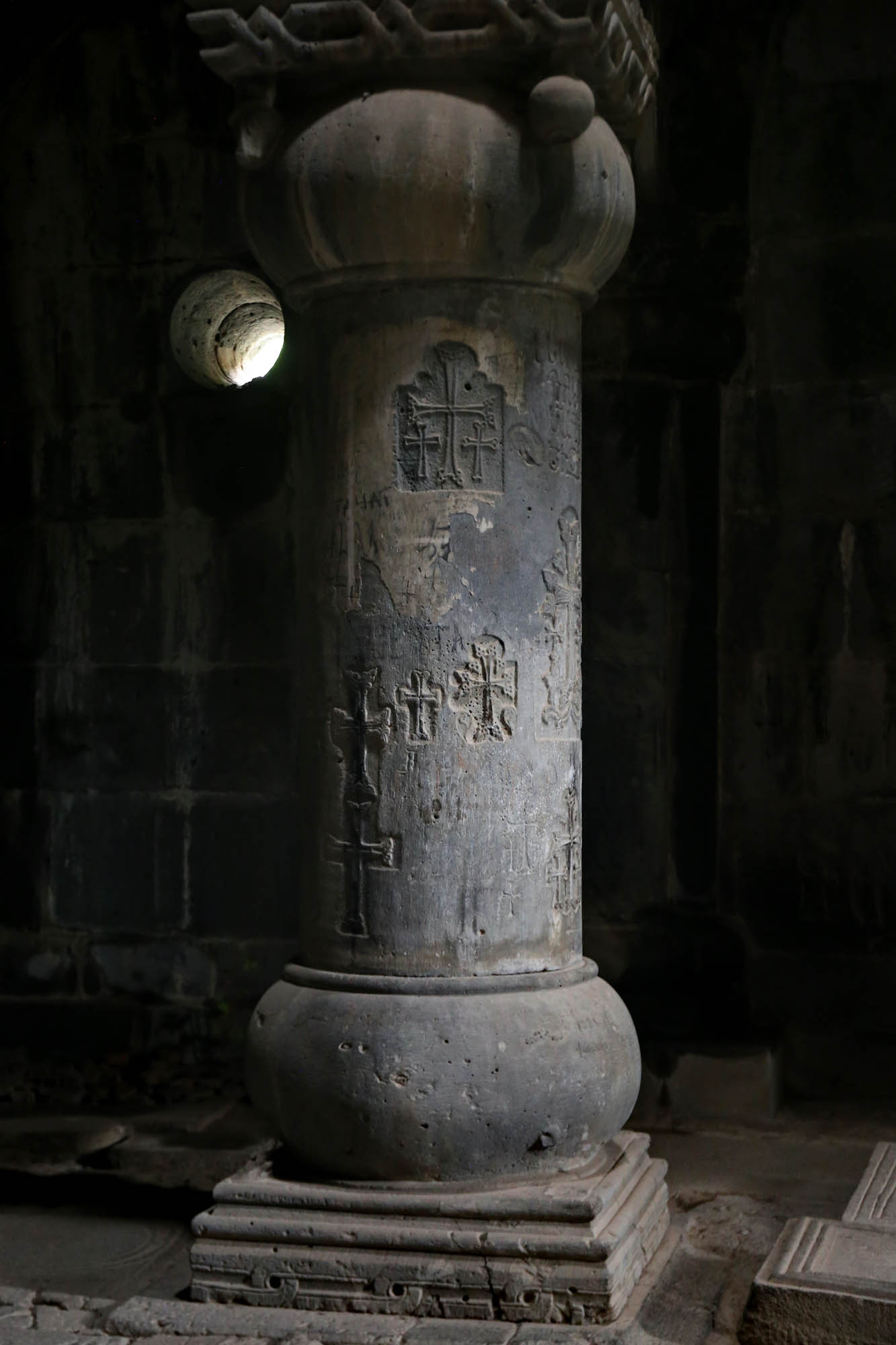
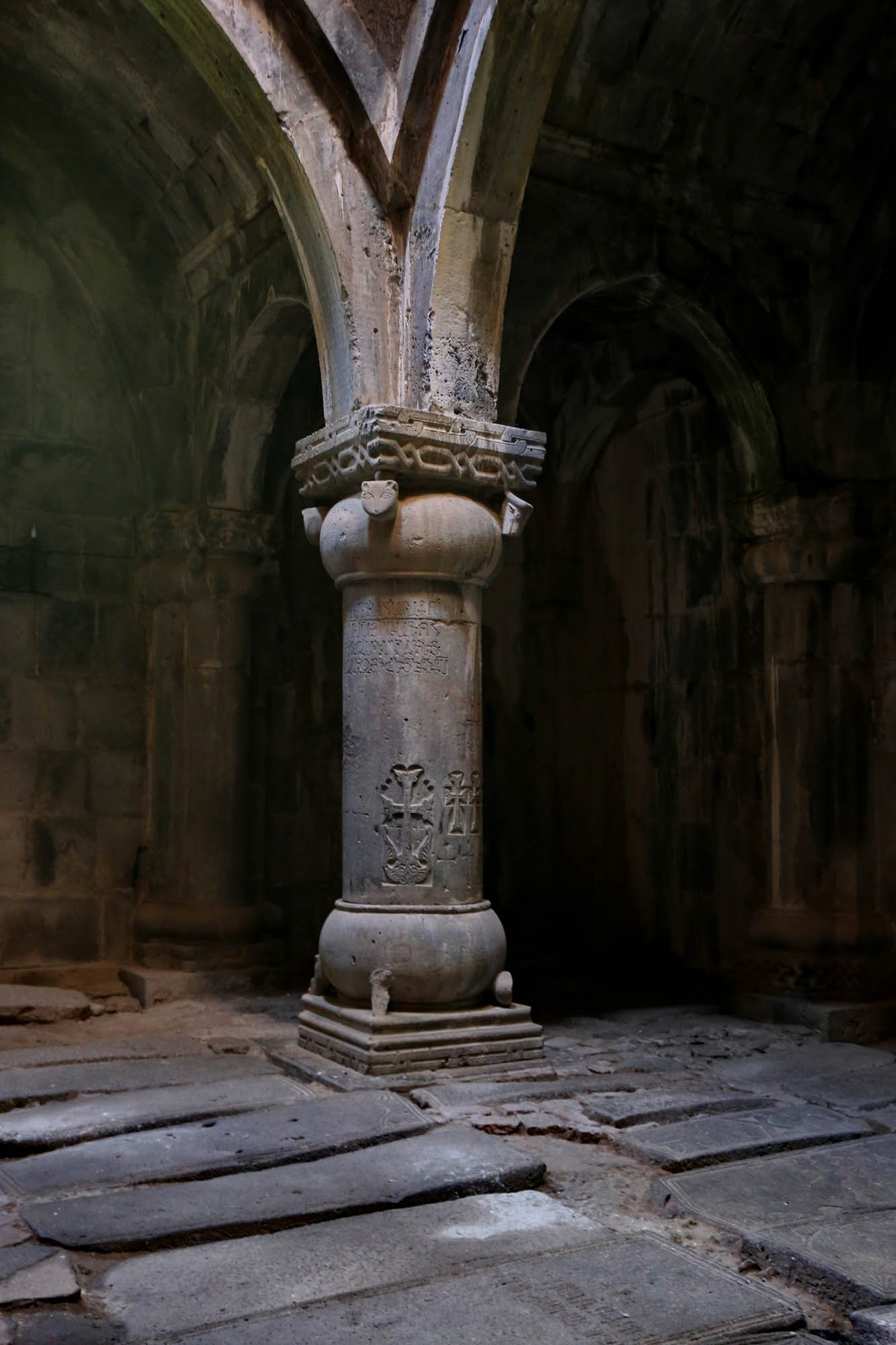
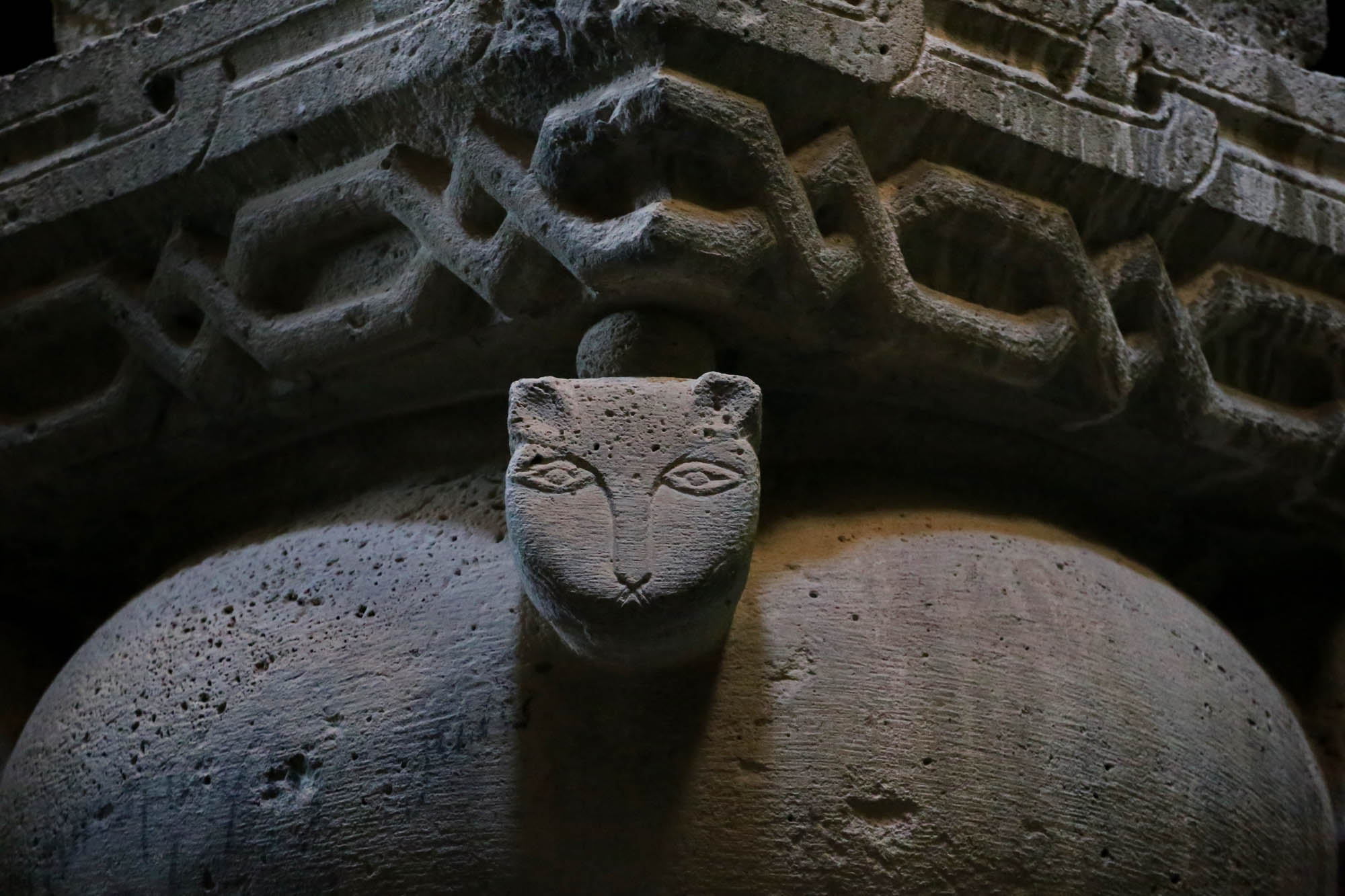
The four-columned, domed gavit commissioned by Prince Kurd and Abbot Grigor remains to this day the most beautifully carved hall of Sanahin.
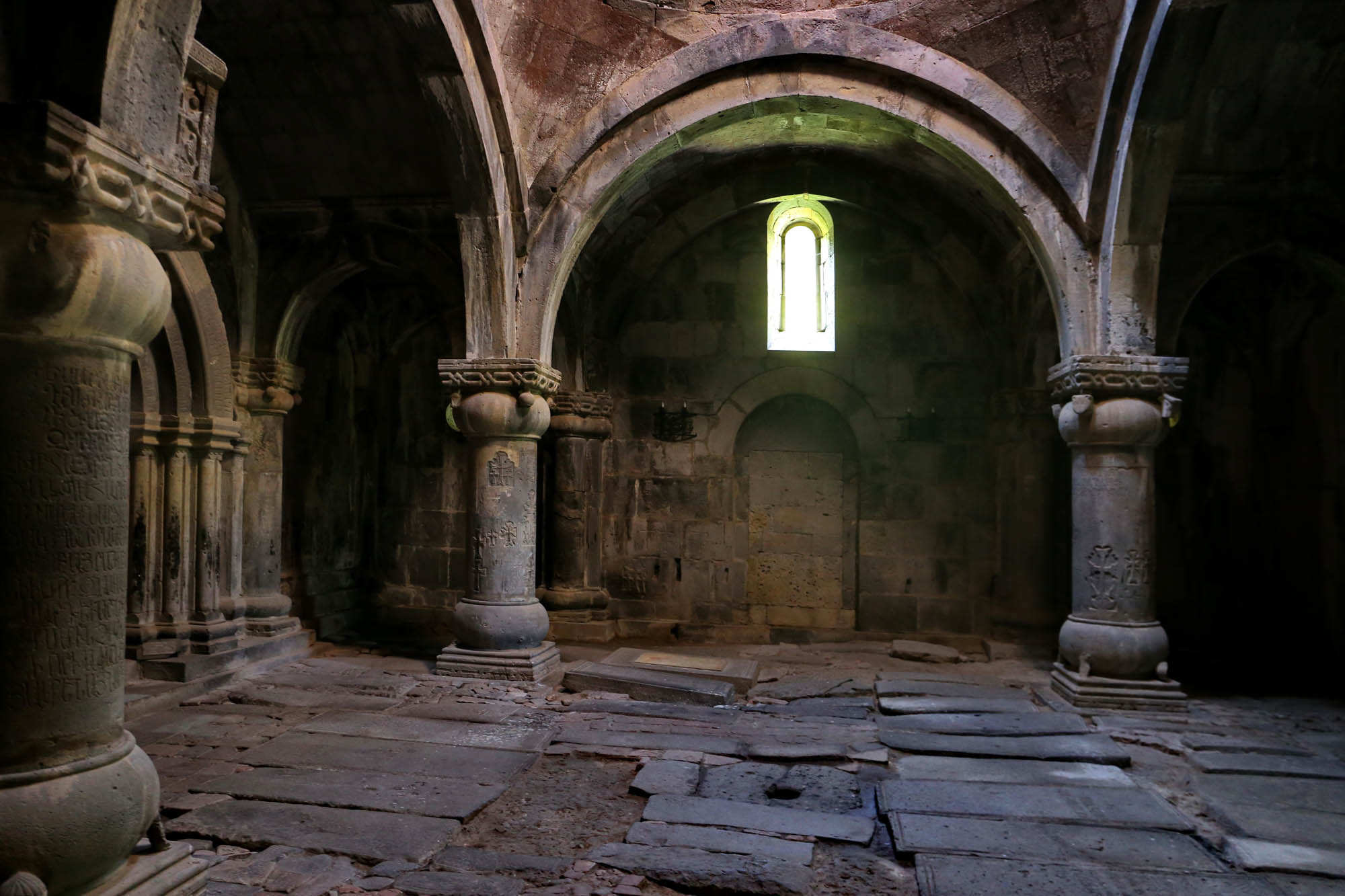
The gavit — the monastery’s entrance hall — was the most worldly space within an Armenian monastic complex. It served partly as a meeting hall for the monks, somewhat like a Western chapter house, but local communities also gathered here for assemblies, court hearings, and commercial agreements. During certain parts of the liturgy only the clergy were permitted inside the church itself, while the faithful remained outside in the gavit. Yet the main reason noble patrons funded these structures was simpler: this was where they and their families would ultimately be buried.
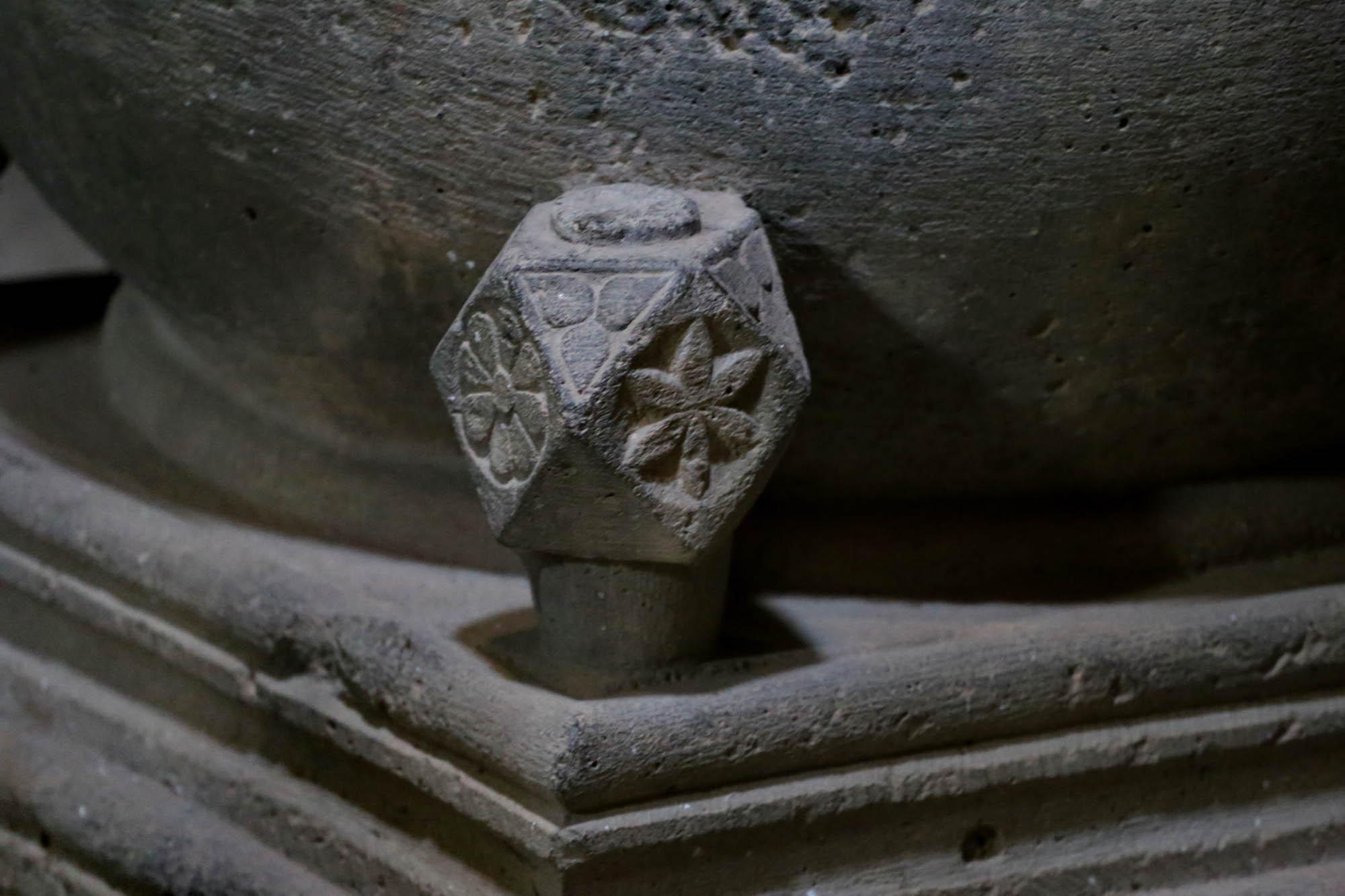
This remarkable figure at the base of the gavit’s column is a cuboctahedron — a semi-regular Archimedean solid, essentially a cube with its corners truncated — composed of eight triangular and six square faces. Its aesthetic role is to create a subtle transition between the circular shaft of the column and the square base below. But it also carries an iconographic meaning. Through the works of the 7th-century Armenian mathematician Anania Shirakatsi, sacred geometry became deeply embedded in the practice of Armenian master builders (vardpets). In medieval Christian symbolism, the square represented the earthly sphere — the four cardinal directions and the four elements — while the triangle symbolized the Holy Trinity and divine perfection. Their interweaving expressed the union of the earthly and heavenly realms, the harmony of macrocosm and microcosm. The six-petalled rosettes carved into the squares are ancient Caucasian solar symbols which, through the transformation of pre-Christian sun worship, became symbols of eternity on Armenian khachkars, known as arevakhach — “sun crosses.” The trifolium motifs carved into the triangles, meanwhile, are traditional symbols of the Holy Trinity.
Similar geometric forms appear throughout contemporary Armenian architecture, especially in the northern regions around Sanahin — at Haghpat, Goshavank, Makaravank, and Haritchavank — as well as in Ani. Interestingly, they are almost never found within the sacred space of the church itself, but rather in the more secular gavit, which also served as the setting for debates and intellectual life in the monastic schools.
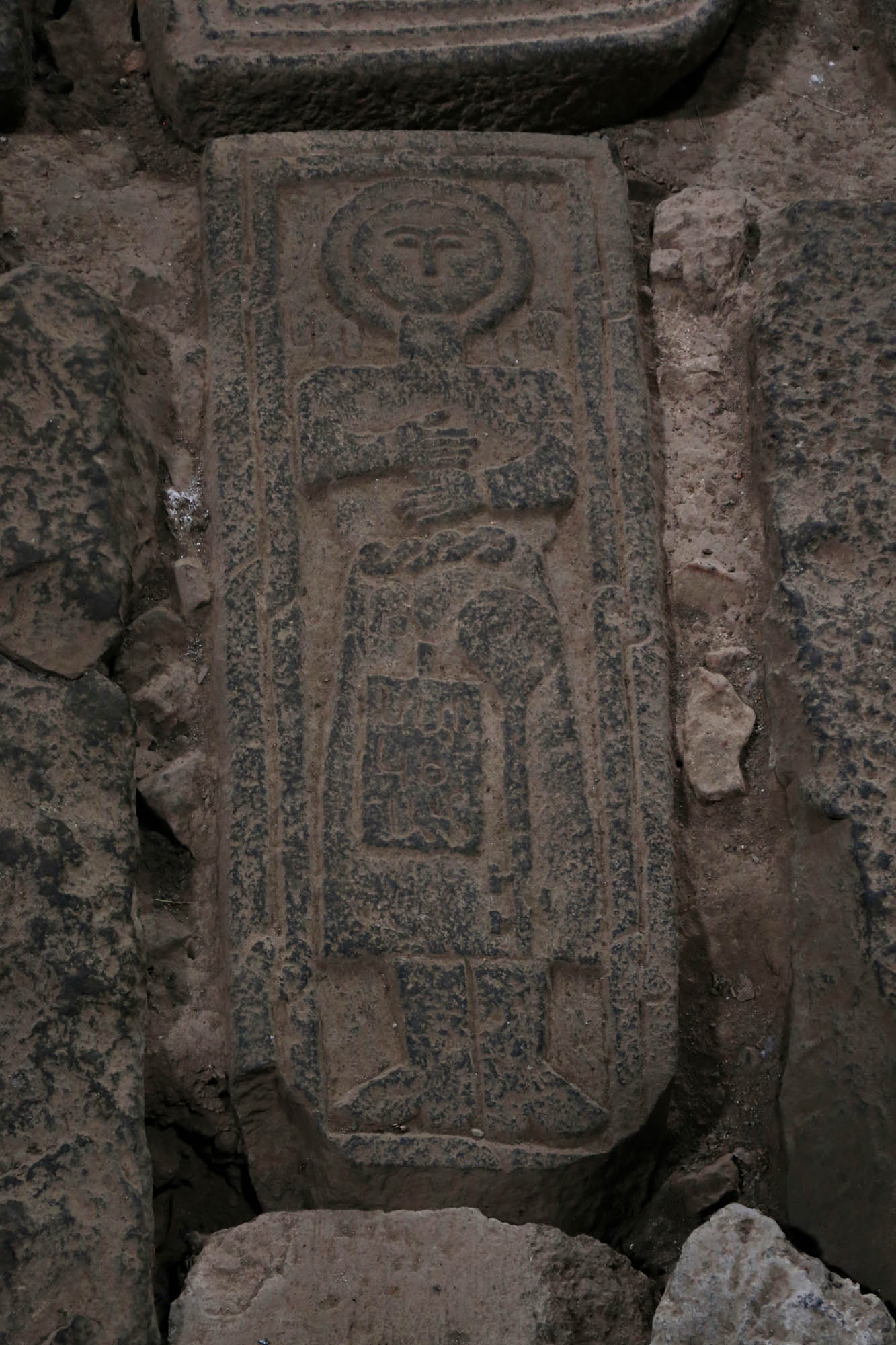
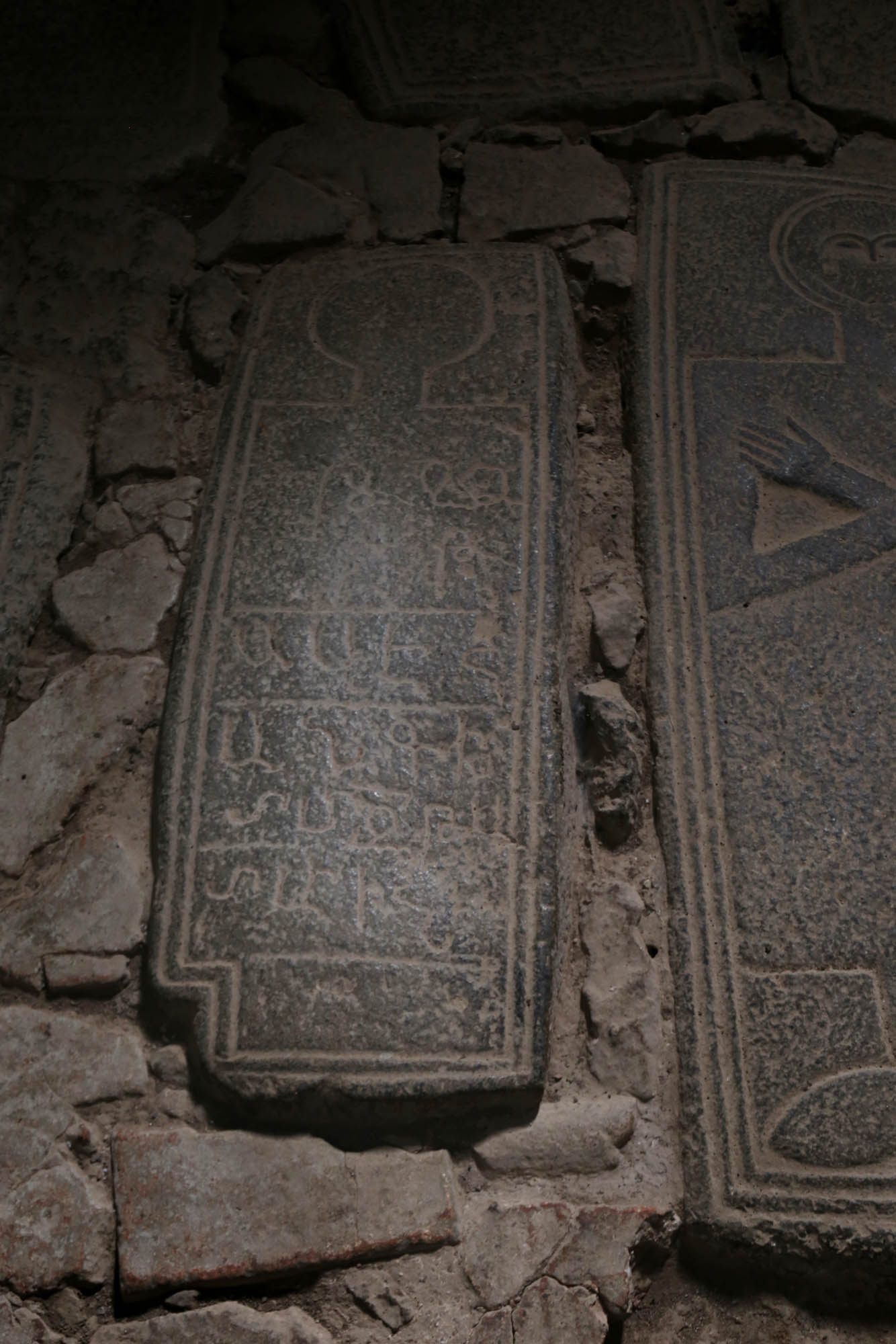
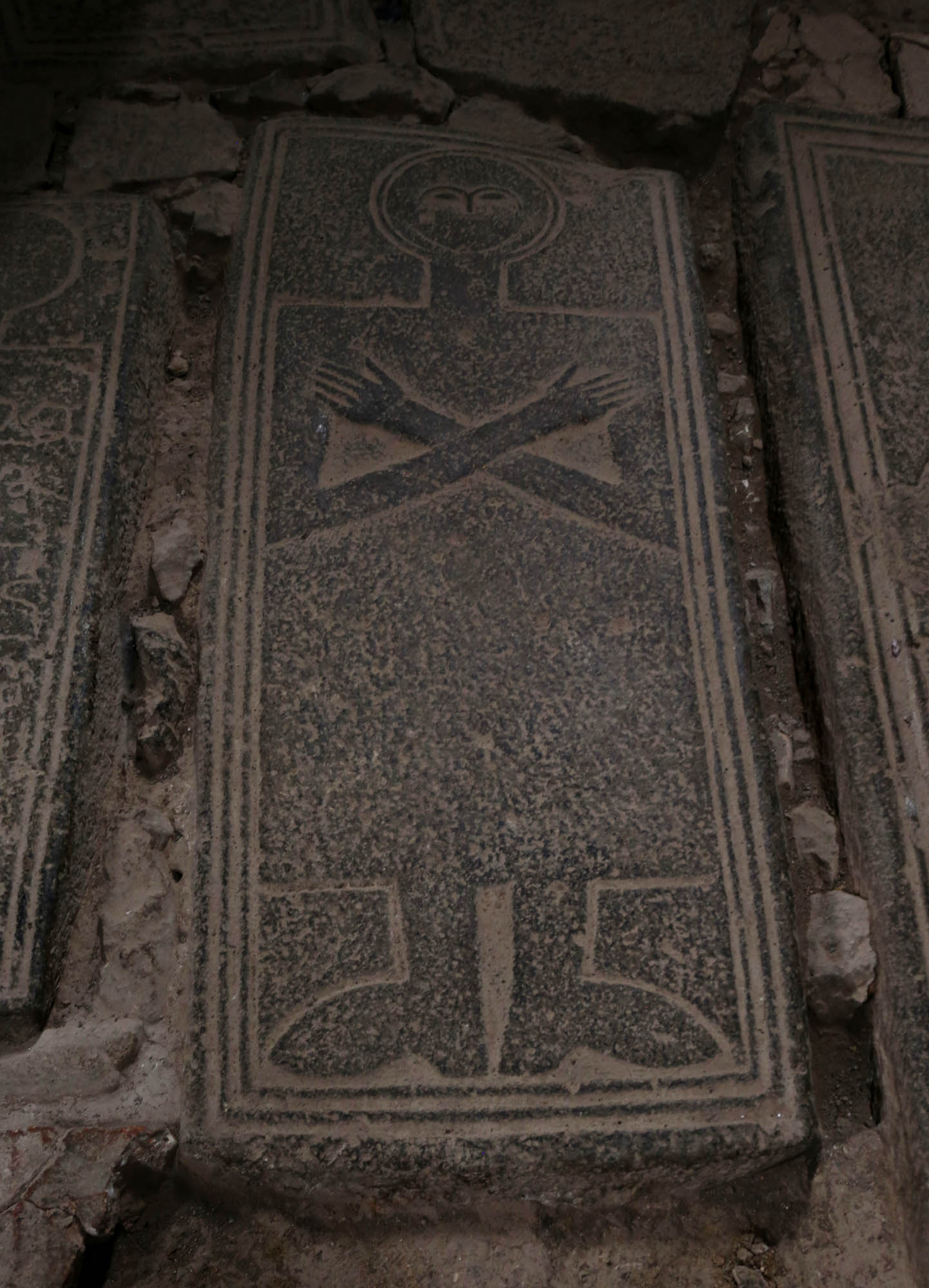
Among the grave slabs completely covering the floor of the gavit are several striking figural tombstones. Most indicate the human form only in outline, while others are fully carved in detail. Alongside the Artsrunis, members of the Zakarian family were also buried here, since Sanahin served as the episcopal seat of the province, as well as the Arghutyans, who claimed descent from the Zakarians and became patrons of the monastery from the late 14th century onward. The abbots and superiors of the monastery, too, were laid to rest here.
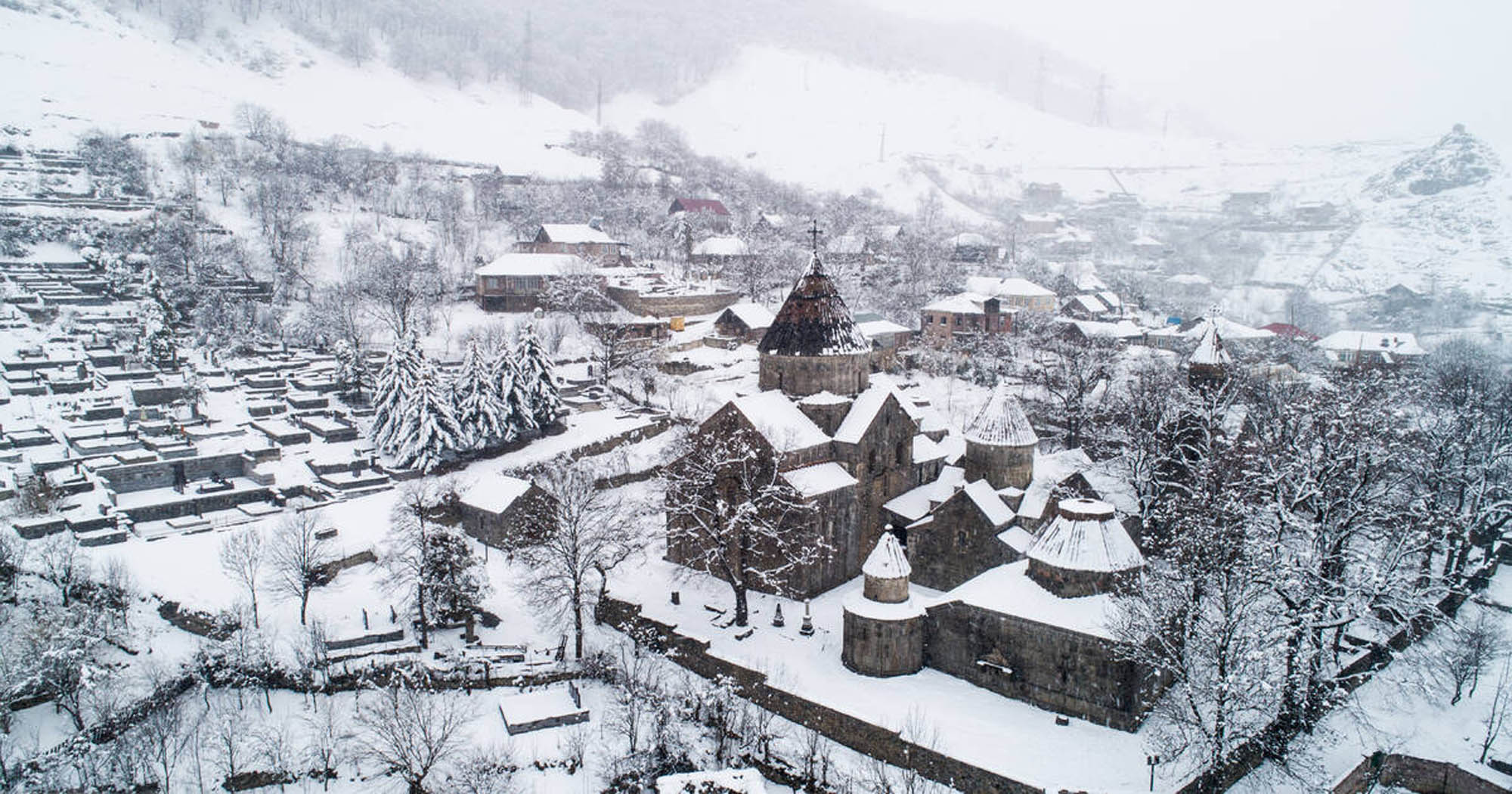 Sanahin Monastery on the UNESCO World Heritage List



Add comment