

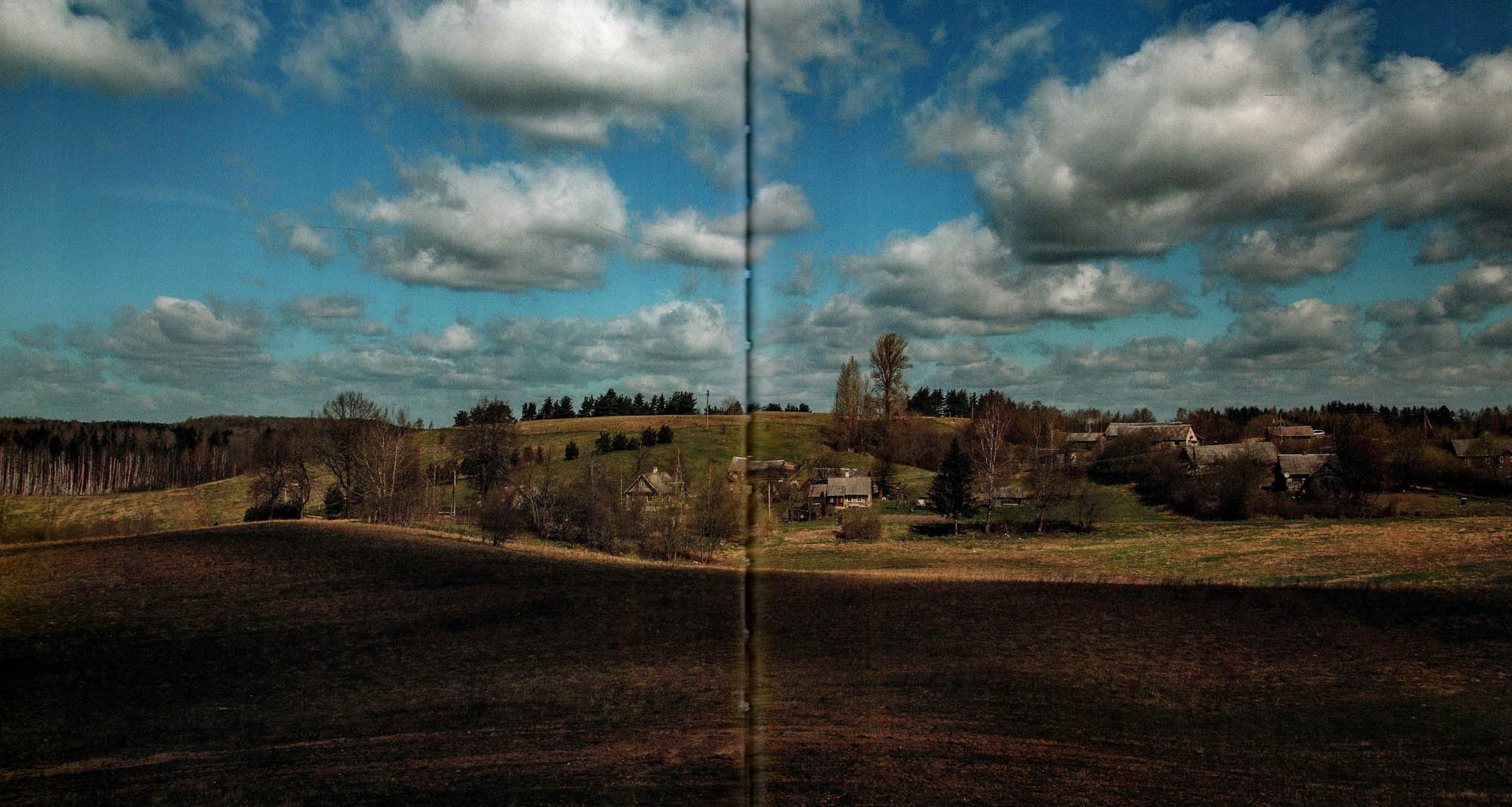
Trakai, Lithuania’s first princely center, lies in an idyllic landscape of soft hills, forests, and lakes—very much like the whole of Lithuania itself. There is something striking about the contrast: some of the bloodiest events of the twentieth century unfolded not among dramatic mountains, but in these gentle lands of Lithuanian, Belarusian, and Ukrainian hills, forests, and lakes—the Bloodlands, as Timothy Snyder calls them.
This same contrast runs through photographer Arūnas Baltėnas and anthropologist Lina Leparskienė’s book Vietiniai. Nepaprasta kelionė į Trakų kraštą (Locals. An Extraordinary Journey Through the Trakai Region). But translating nepaprasta—the opposite of paprasta, “ordinary” or “everyday”—simply as “extraordinary” almost feels too plain. “Dreamlike” would not be far off either, because that is exactly what the authors do: by slowly traveling through this slow countryside, and asking the locals about their lives, they reveal the quiet beauty shining beneath the surface of everyday life.
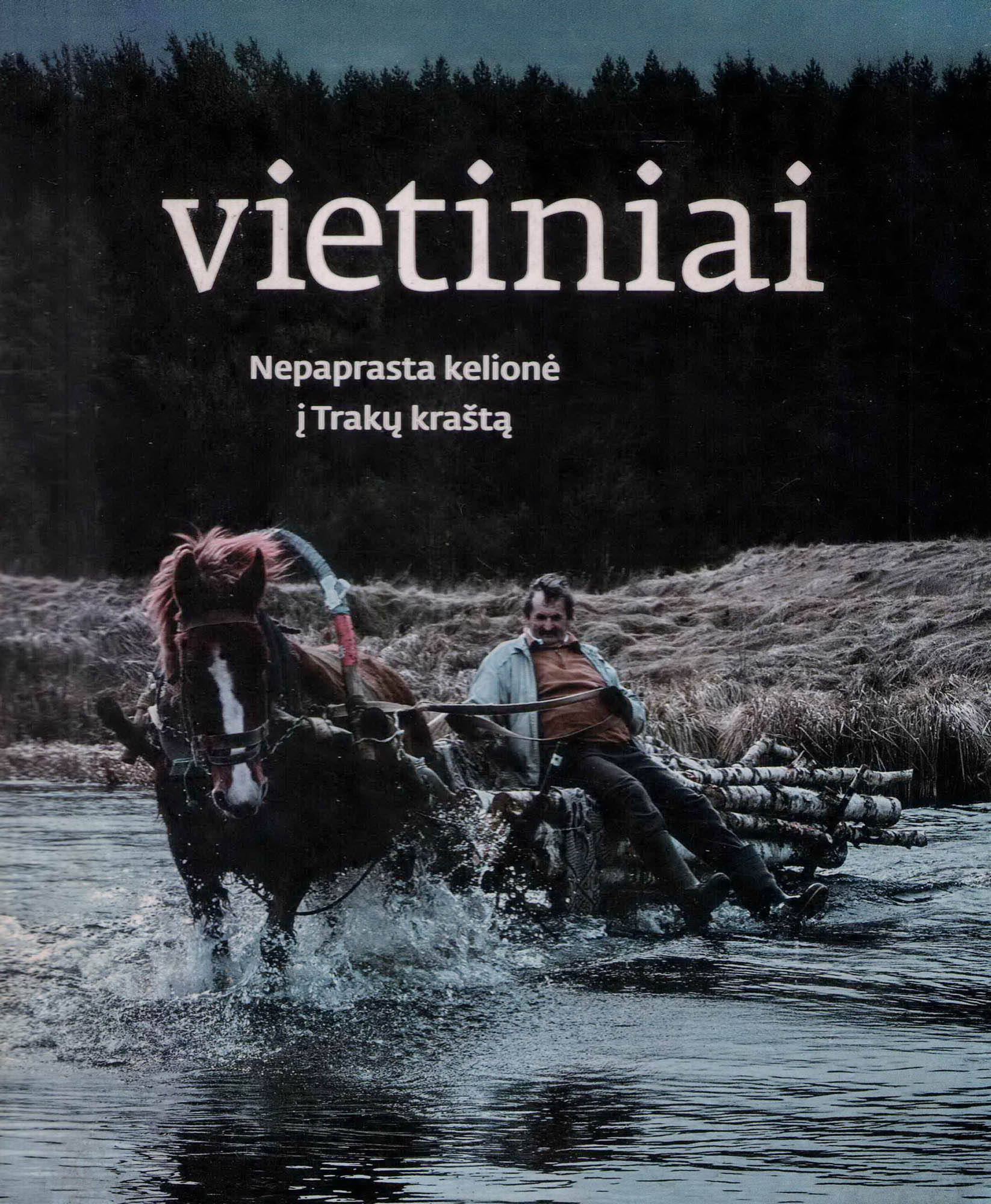
“One can travel from place to place, from person to person, and even from the present into the past. It is life stories that make this last journey possible, helping us understand the everyday world of people, their personal experiences preserved in memory and shared in words. This book, too, was shaped from the testimonies of people living in the Trakai region. Yet it is not simply a narrative about the past. Rather, it is a journey through another kind of time—a slower time, one that follows the rhythm of human thought and remains closely tied to the events of the past.
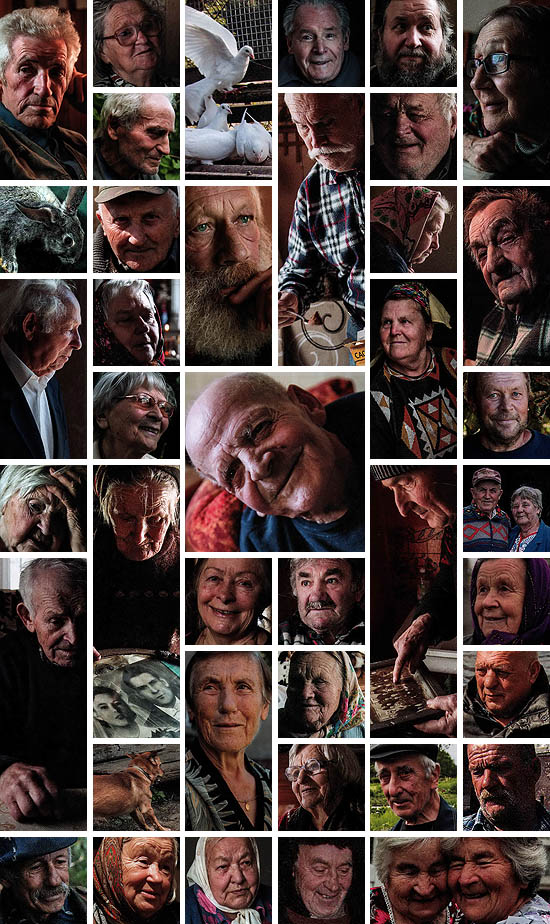
From the collected texts, we selected short fragments of life stories for this book. For many of the people we met, it was not the research itself that mattered most, but the chance to be listened to. Their photographic portraits show how beautiful a person can be when telling the story of their life. Every portrait in the book embraces two dimensions of time: the captured moment of narration and the person’s whole lifetime.
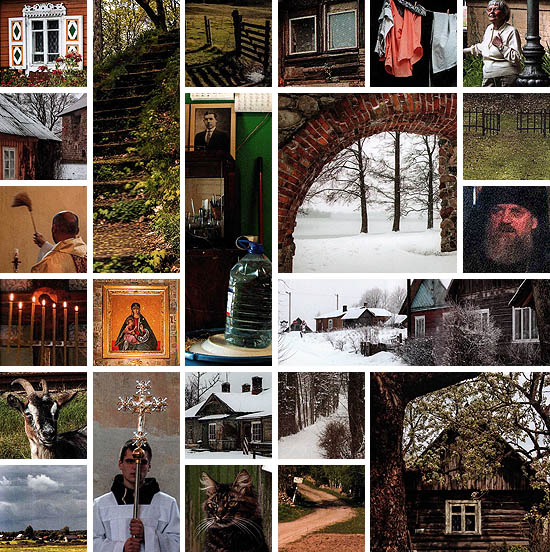
Landscapes, interiors, impressions from fieldwork, and descriptions of places quietly complement the texts, helping to reveal the deeper human world of the Trakai region.”
And it is also “dreamlike” because it clearly shows how the cruel machinery of the twentieth century passed over their medieval-like way of life as something like a dream with no comprehensible relation to it—no matter how real the consequences of that nightmare were.
“The Second World War is one of the most important themes of memory when speaking with the older generations. It is the time of childhood impressions, when one seemed to watch the collapsing and reassembling world through a cinema window—armies which, as an elderly man from the village of Žuklijai, Jonas, said, ‘covered the fields like a veil’ and seemed endless. The Poles passed, then the ‘plekavičiukai’ [Soviet occupiers], the Germans, Jews driven to their deaths, deportees, Russians, and Lithuanian partisans.”
One of the most defining features of the region is its ethnic diversity and multilingualism. Lithuanians live here, as well as Karaim Jews (and formerly Ashkenazi Jews), Tatars, Poles, Belarusians, and Russian Old Believers, each following their own religion and speaking their own dialect, about which they somewhat shyly say that, of course, they know it is not the “proper” language. And the whole book preserves every speech in its original language and dialect, even retaining code-switching within a single narrative.
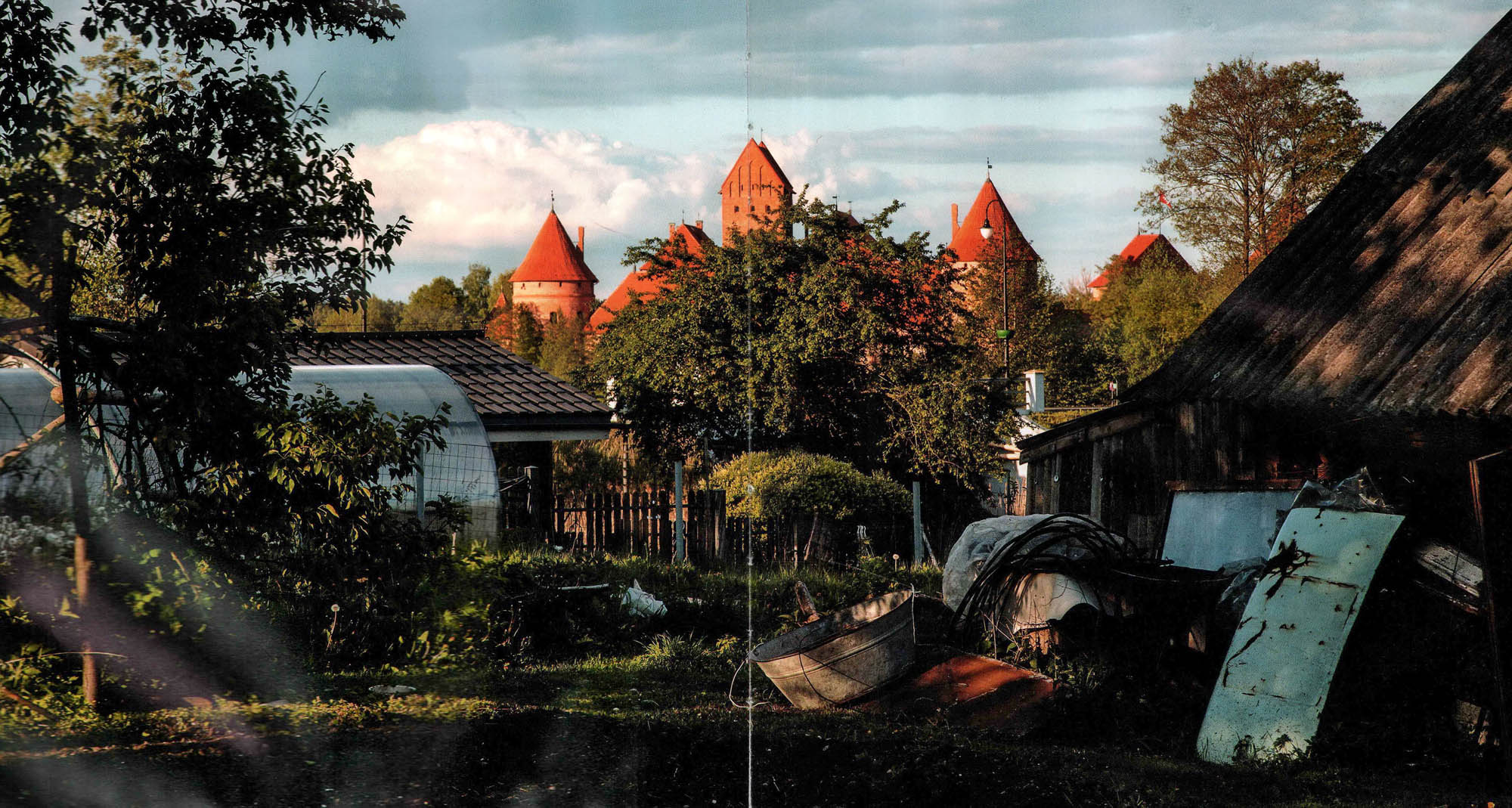
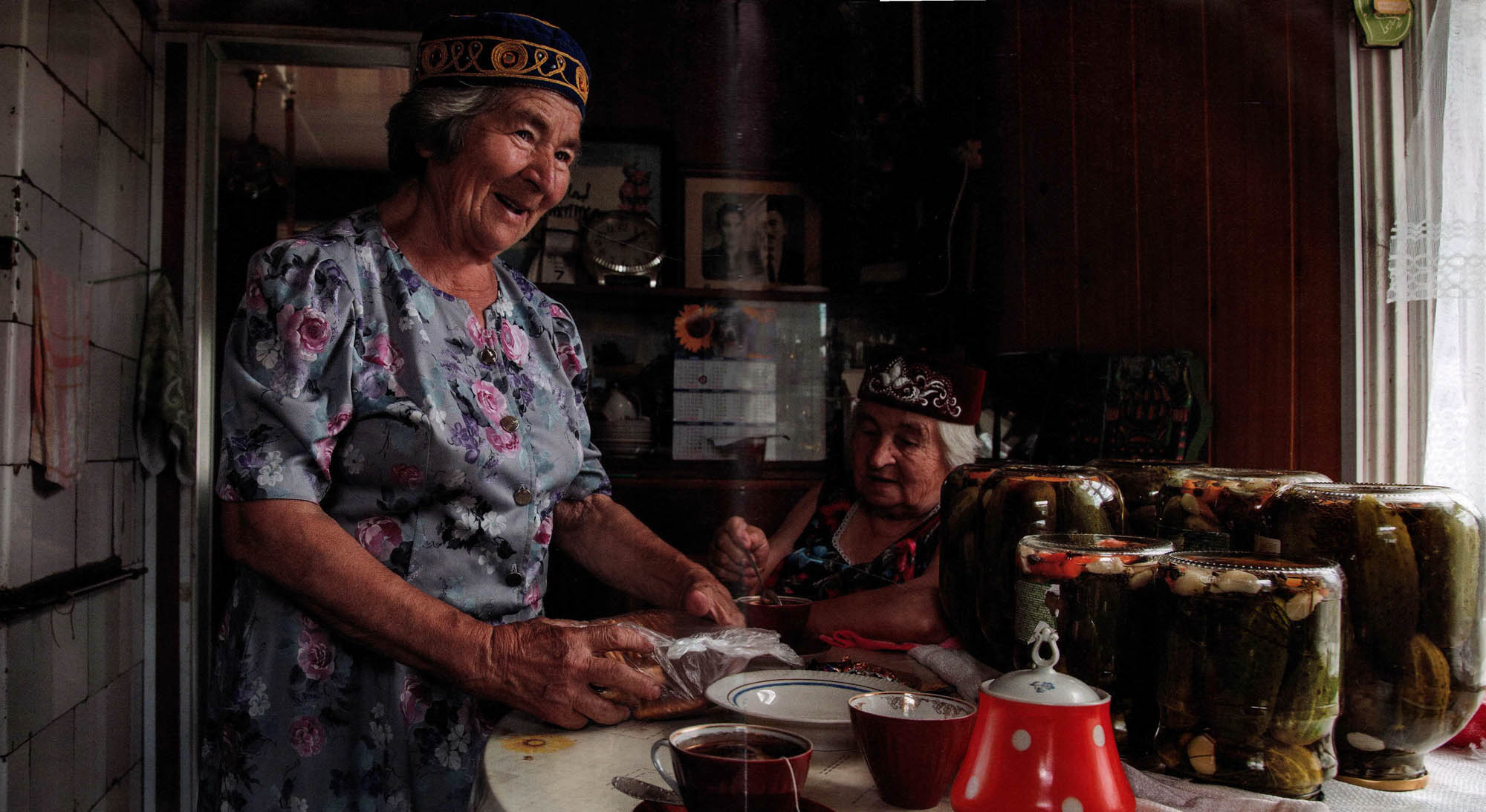
“Our journey actually began in Trakai. It was not by chance that we chose the remarkable story of the Karaim Mikhail about cucumber growing and transporting them to Vilnius. This story sounds like an epic of a vanished era. Indeed, the topic of cucumbers—whether we asked about it or not—came up often in those times, as it was an important source of livelihood for the Karaims.
For Mikhail, the memory of cucumbers is tied to interwar Trakai—a small town where everyone was able to find a common language. After retiring, he even wrote a poem about cucumber growing; there is more than one such piece in Karaim literary tradition.”
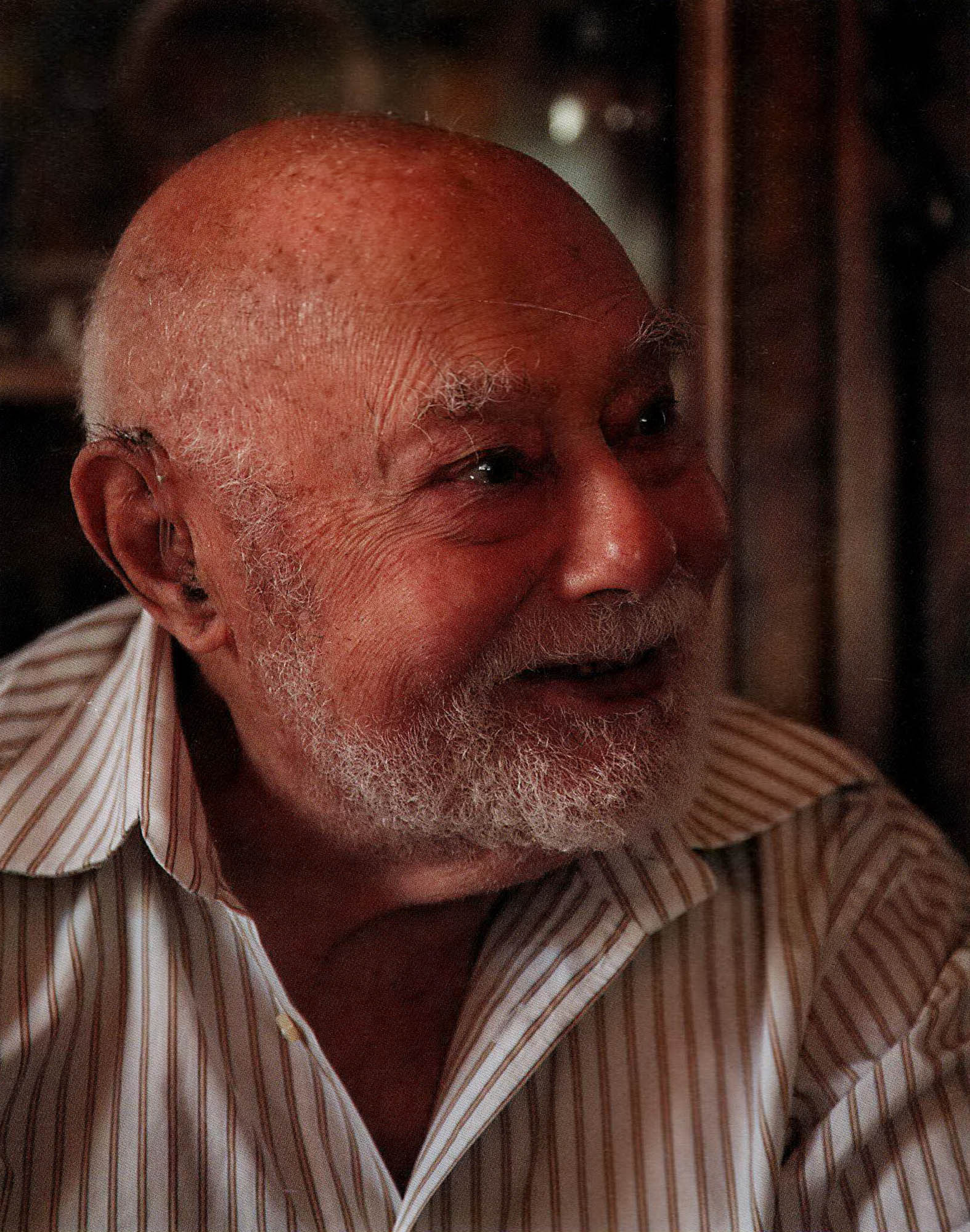
“When spring comes, they take the seeds, wrap them in something warm, and keep them heated. That’s when they start to sprout. And when they sprout and the little shoot appears, they plant them in a so-called ‘katucha’. This is a kind of wooden box made of planks, filled with rich soil. They place the seeds there, making sure they do not overlap. The katucha is moistened, covered with soil so the seeds go into the earth, and placed on the stove to keep warm. There they grow until they reach two leaves. When there are two leaves, they can be transplanted into the garden, which has already been prepared. And so the cucumbers are planted in the soil. They are watered, and they grow and grow. The third leaf appears… then the cucumber begins to flower.
Every day they must be watered—hard work. One bed requires a whole bucket of water. There is a special watering tool with a long handle and a small container. They water with that. The plants cannot be watered from above, only from the side. And so they grow, flower, and finally cucumbers appear. The Trakai cucumber is beautiful, green, slightly yellowish. There are straight cucumbers and curved ones. When harvesting, they pick the straight and the beautiful ones. The twisted ones are called “pypliukai”. Those are also collected, but given to animals. The green ones are picked; the yellowing ones are left for seed.
From the ‘katucha’ they are transplanted into the garden and wait for the cucumbers to appear… Only the green ones are picked. They are taken home, a bucket of water is prepared, and each cucumber is washed individually. Then they are put into sacks. Today they are sold by kilograms; formerly they were sold by hundreds. In earlier times they were counted in “hundreds and thousands”. They take them to Vilnius. They leave in the evening, load the sacks onto carts, and set off. It took four to five hours to reach Vilnius. They arrive at the market. There was a market where cucumbers were sold—called Drėvnianka, where the “Lietuva” cinema stands. Next to it was a square. When they arrived, traders were already waiting; they laid out the goods, lined them up, and people went to rest. There was a large yard where horses were tied to the cart, the animals were fed oats, and the farmer slept on the cart. They slept for two or three hours, then went to the market. They sat there all day with the cucumbers, selling them ten at a time, twenty at a time. If a good buyer came… monasteries, for example, were good customers. The monks came and bought good cucumbers—they did not take the bad ones. The good ones were preserved for winter, salted. And they paid well. Selling to monasteries was a great success.
Then came another part of the market: pastries carried in baskets. Women baked them, brushed them with egg, and sprinkled them with onion. They were called “ze smarkaczami”—pastries for cucumbers. Helpers assisted with unloading, and they had to be paid. They organized everything. Once, sacks were stolen from my father, but each sack was marked with large letters—my father’s was A. Z. They told him: “Go home, we’ll find them next time.” And indeed, the next time the sacks were returned. Then the children also had to be bought something. The family waited in Trakai, the children. They bought pastries, a loaf of bread, and put it into the sack. The money was hidden in the shoes, the women kept it in their bras. Around three in the afternoon they returned from Vilnius. The horse, now rested, ran faster.
The road went through the Paneriai hills, through the forest, Barčiukai—there were robbers there. If they were lucky, they escaped them; if not, they had to give everything up.
And when they returned home, the wife and children were waiting for the gifts, the pastries from Vilnius. And the bread carried the smell of cucumbers from the sacks.
* * *
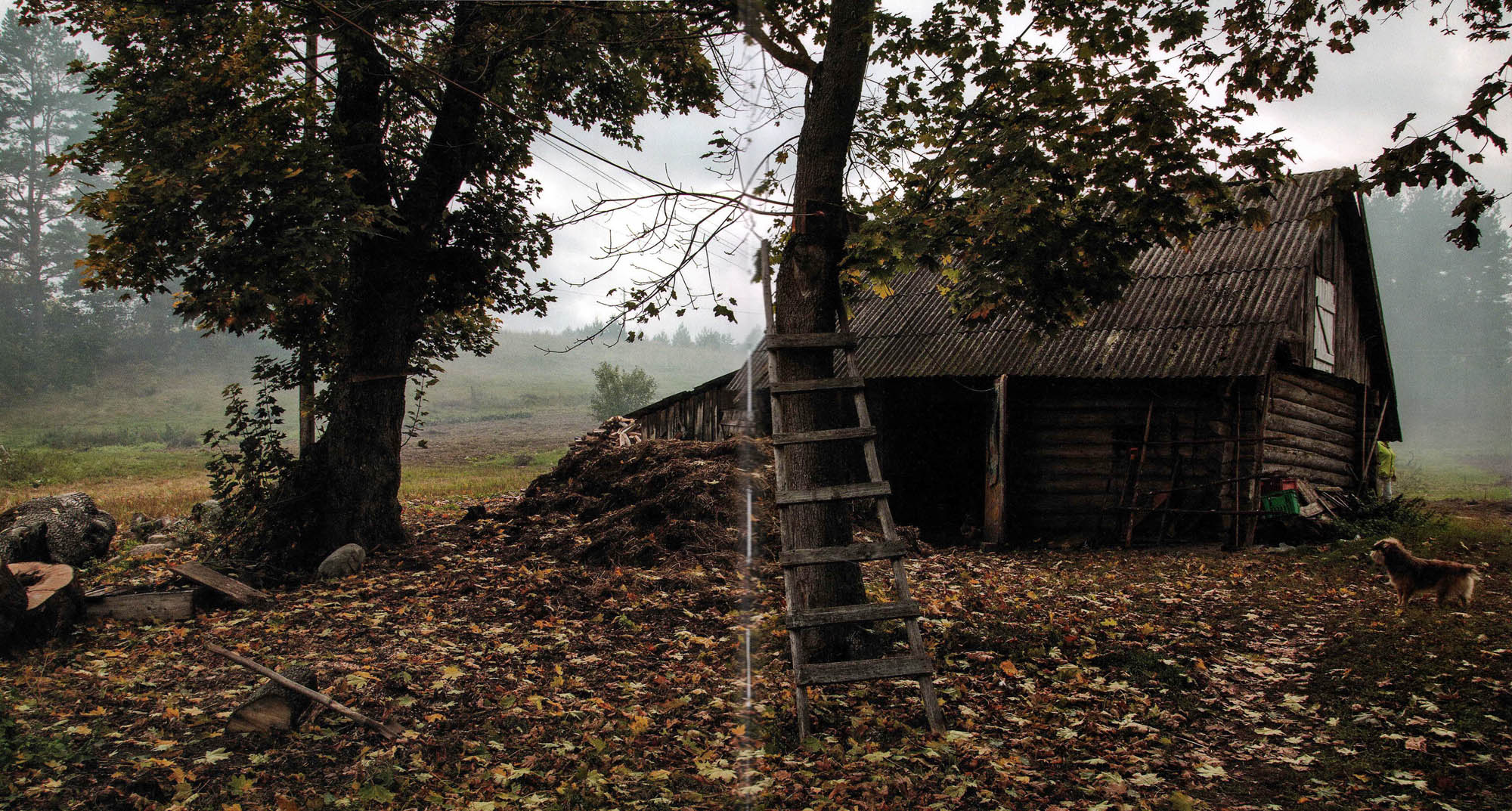
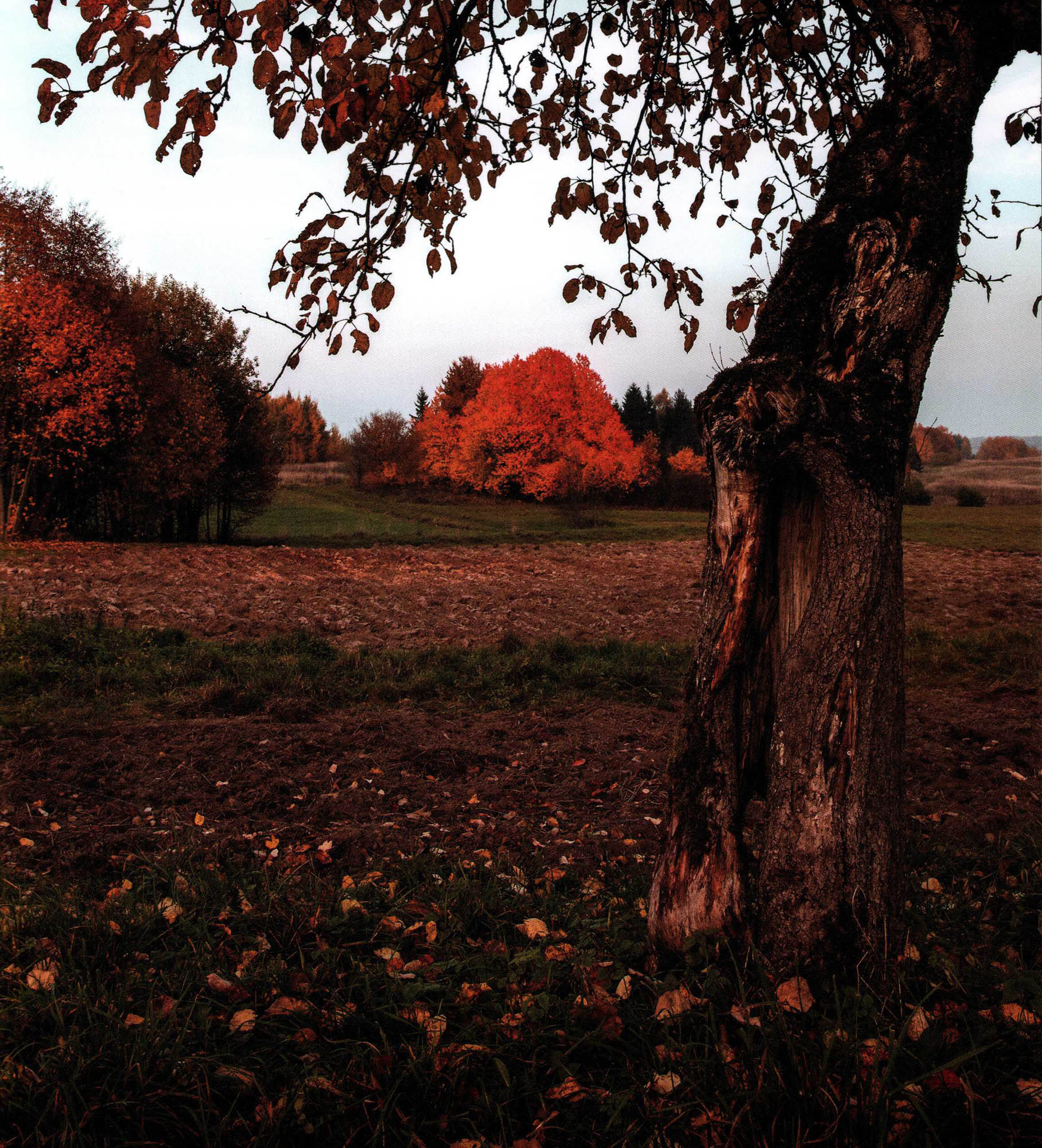
In the tsarist period… tsarism lasted for 125 years. Who started the uprisings against tsarism? The Poles, the Lithuanians—no one else. And for 125 years they fought against tsarism. The tsar persecuted them: it was forbidden to speak Polish or Lithuanian, anything—only Russian.
Then Lithuanian and Polish teachers hid and taught in secret. Uprisings continued, and the tsar’s Cossacks kept a close watch on them. Under the tsar, the Cossacks were what later, under Stalin, the NKVD was. And the people helped the insurgents: Lithuanians brought them food, everything. Everything was in the forests; everything was overgrown with wilderness, and Lithuanian and Polish rebels hid there as well. The peasants… I asked my grandmother, who was 92 years old; she told me. They carried food. My grandfather also transported food by cart. But how could you carry it? In the cart, the food was at the bottom, and above it another board, then hay and rakes—this is how they transported it.
Then they made me a forester. They gave me 95 hectares of forest. Try to manage that! Every year I had to plant 100 hectares of forest. I organized two women’s brigades who planted trees: one of ten people, the other also of ten. I worked as a forester for ten years, and before that I was a worker for two years.
In my forest there were 17 illegal distilleries. Why did they make alcohol? Because there were kolkhozes, life was hard, and people did all sorts of things. Then the boss, Pulchenka, ordered that the stills must be destroyed. I told him at a meeting: “This cannot be done. We are not responsible for the stills. That is the police’s job—let them do what they want. But we will not allow them to be destroyed, because if I destroy a still, they will destroy the forest. Everything will be burned down!” The boss said: “All right.”
And then the police were sent in; they went through the forest and shut down the stills, while the foresters did not cut down the forest.
* * *
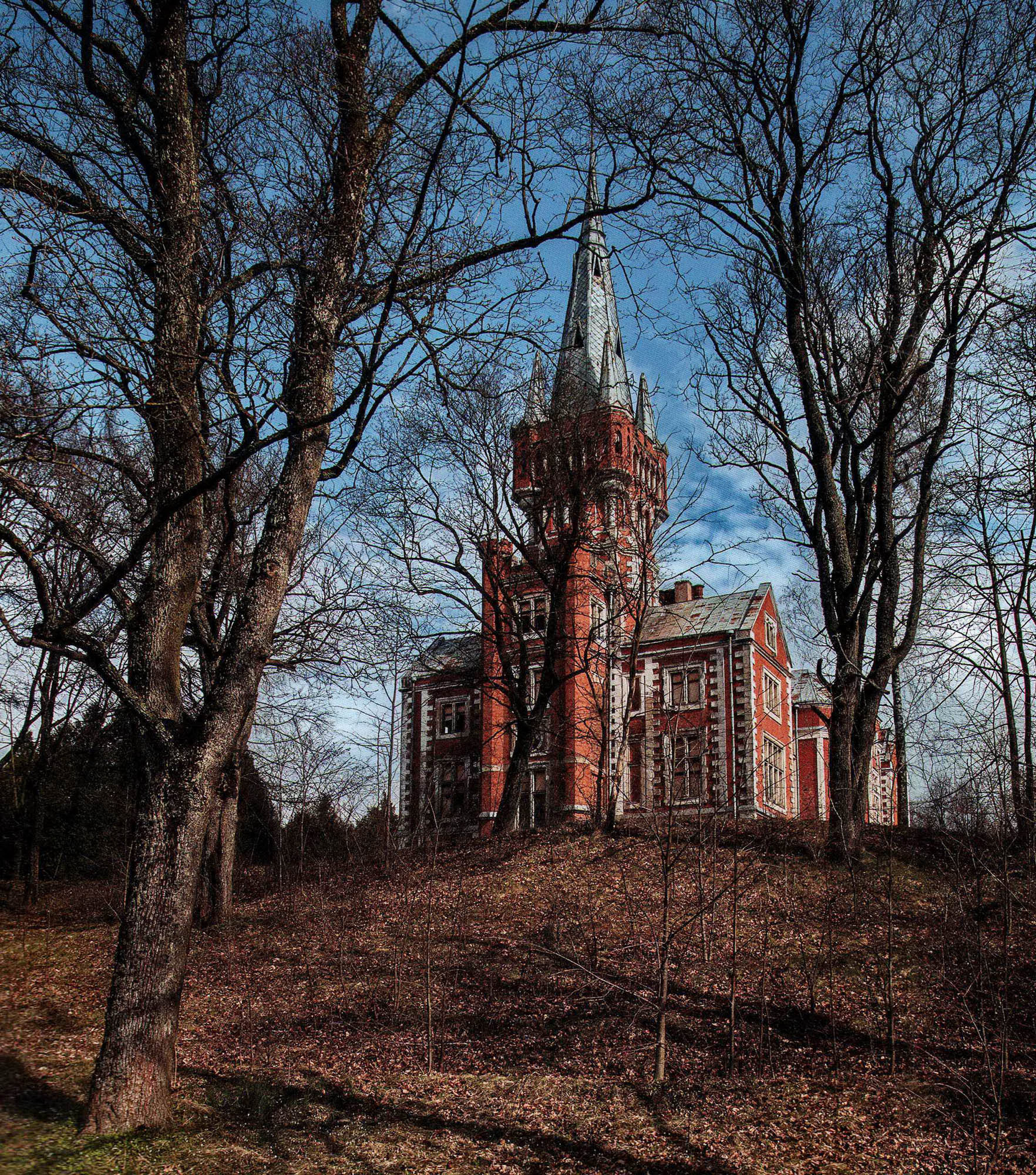
The earliest mentions of the Lentvaris estate go back to the 16th century, but the most significant chapters of its history begin in the mid-19th century, when it was purchased by Count Józef Tiškevičius, one of the richest landowners in Lithuania. The estate truly flourished when his son Władysław inherited it. Together with his wife Christine Lubomirska, they created a complex that is now rightly considered one of the most impressive representative manor ensembles in Lithuania.
In the area around the railway station, a town began to develop that initially resembled more of a resort. Until then, this region was known as Pietuchowo (Lithuanian: Gaidiškės). The 17th-century poet Motiejus Kazimieras Sarbievijus also mentions it as “the third mile, or the village of the Rooster” when describing the pilgrimage route to the miraculous image of the Virgin of Trakai.
Pilgrims heading to Trakai still often stop in Lentvaris today. The scenic old Vilnius–Trakai road runs through the town.
21st-century Lentvaris is a multiethnic, at first glance rather chaotic industrial town, with an abandoned but beautiful manor and a local mafia that has remained here since independence. Yet if you look more closely, it becomes clear that the heritage of the former estate is so strong that with a bit of order the town would simply flourish.
The railway divides Lentvaris into several parts, which locals either call by old village names or reinvent with new ones. One of these is Trikampis (“Triangle”) – a district nestled between two railway branches, in a triangular wedge of land, with village-style houses, metal garages, bad roads, and perhaps the last cow in Lentvaris.
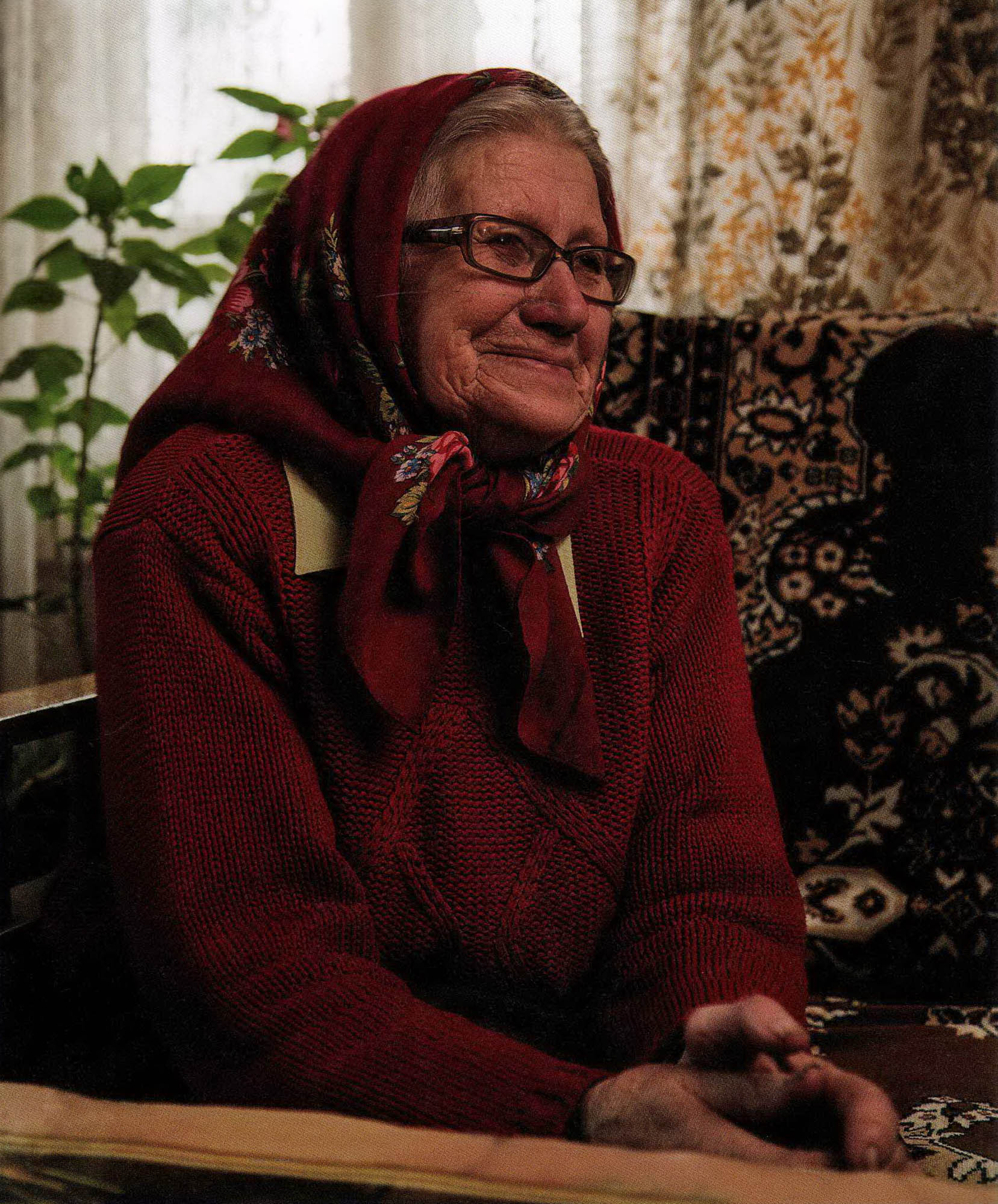
The village of Naujasis Lentvaris (“New Lentvaris”) was built by the count for his workers. It was here that the parents of Jadvygos, a woman from New Lentvaris village, also worked. This kind elderly lady grew perhaps the most beautiful dahlias in the area in front of her house. She was a devout, proper woman; she showed how to pray correctly, how to tie blessed palm branches, and even a spinning wheel came out when she saw we were interested in old things.
She also told a strange story: her father was once asked by a passing Roma family to become godfather to their child – in exchange for him not begrudging them a dead pig.
Jadvygos was introduced to us by Barbara, the “patriot” of Lentvaris. She had always been interested in the life of the counts and the park they created, since her own grandparents had worked here. When she started working in the carpet factory located in the manor (as the mansion is called), she often spoke with Stanislovas Kimbaras, the former estate manager. From him she also heard the incredible story that a bear once worked in the factory’s riveting workshop.
In 1905, there was also some kind of facility in a place called “Kajtra”, a nail factory. There were two kinds of nail factories: one was more connected to horses, the other elsewhere. And they say that a bear worked there as a loader. It carried crates of nails. Our fathers used to tell this.
It was so disciplined that when break time or lunch came, everything stopped – no hauling at all. The bear had its task too: it carried crates, it was strong, a huge brown bear. It would walk and set the crates down. But when it was lunchtime, it simply dropped everything on the road and that was it.
They said it really was like that. Maybe some master kept it, who knows. Why not? Pay a worker? Better to make a bear work… foreigners would come and watch how the bear carried the nails.
* * *
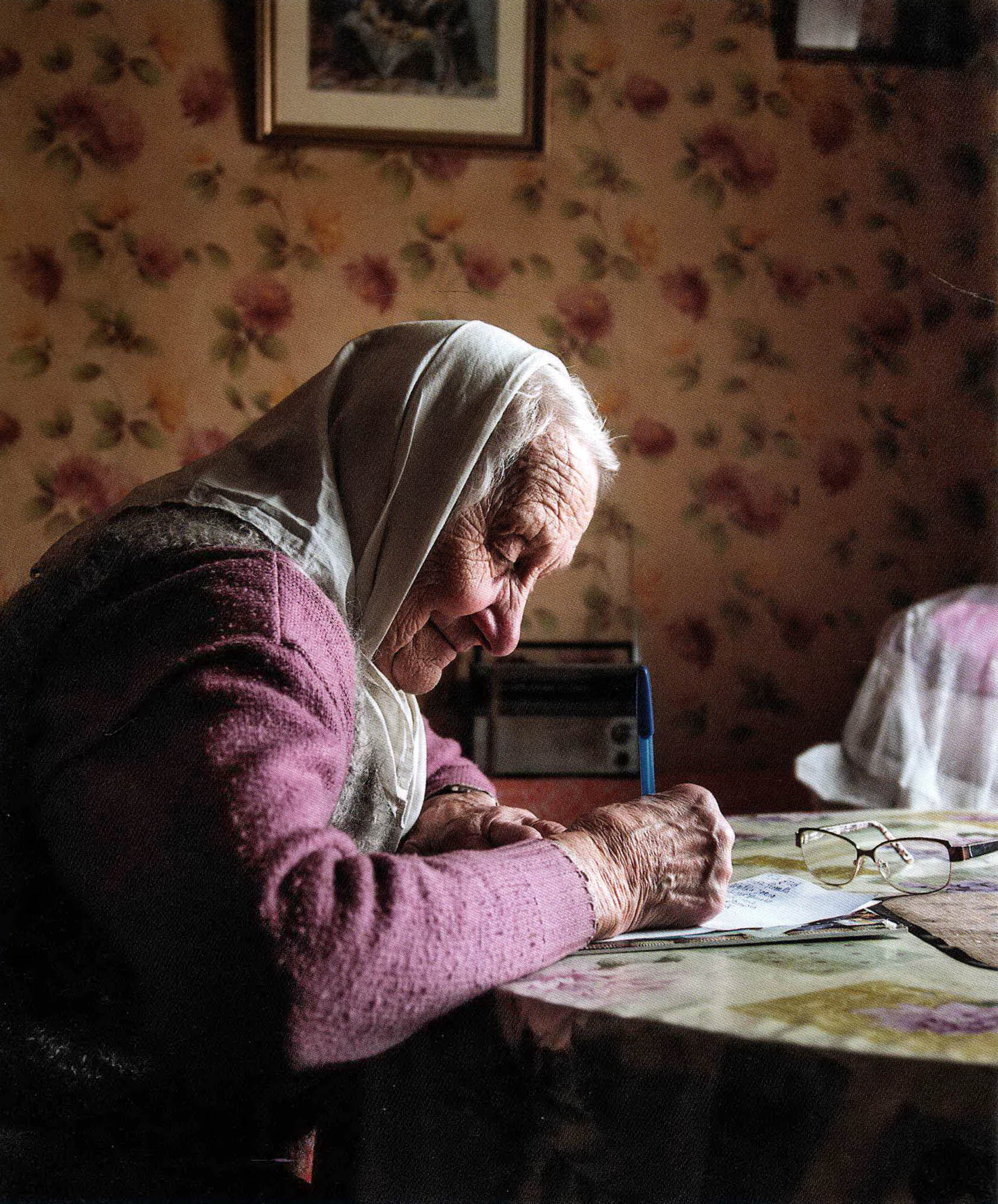
Once, a pig fell ill in our place – it was pregnant, expecting piglets. Mother sent it bran. It ate it, inflammation developed, and the pig died. It died!
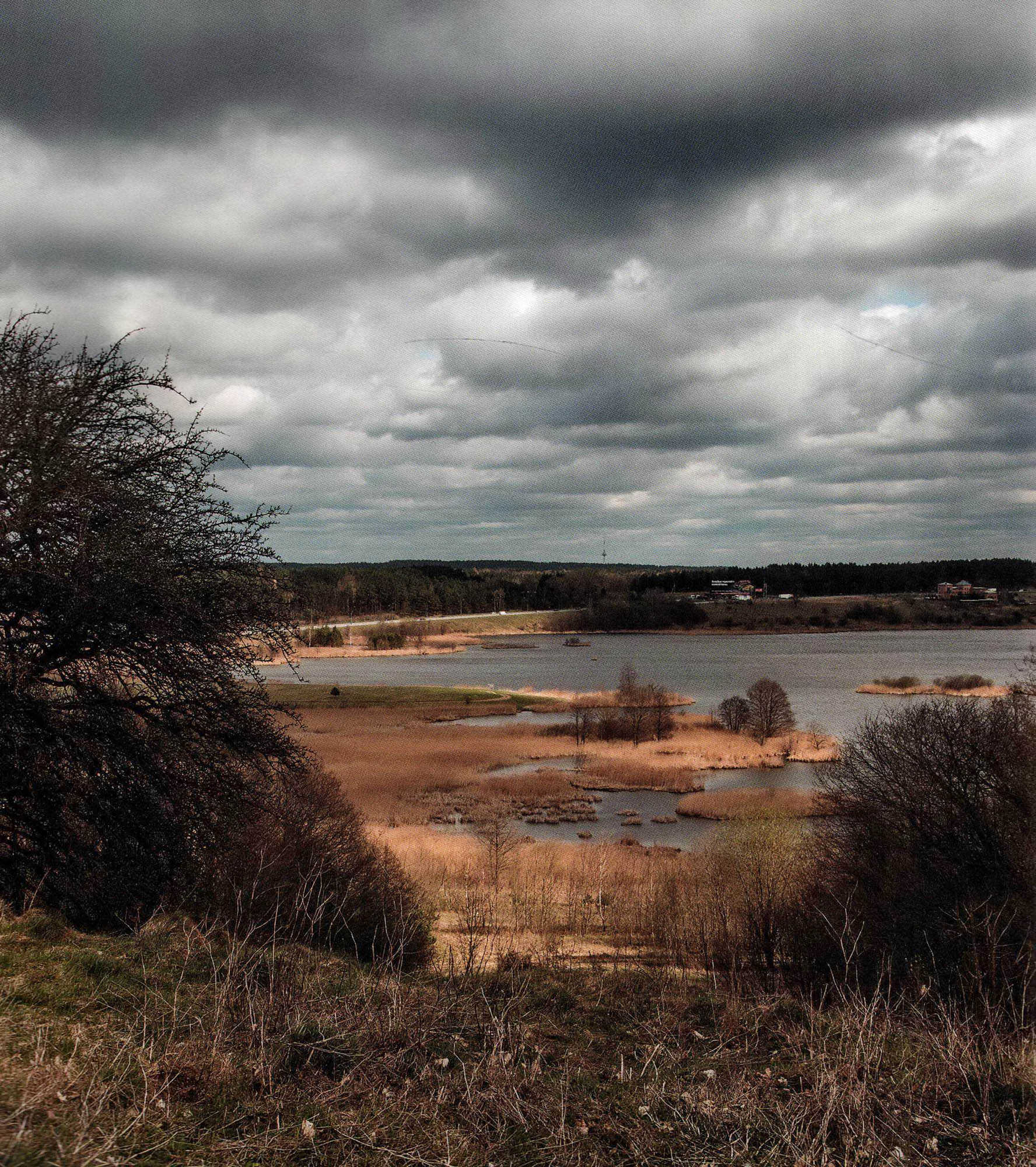
There… the place was called Margi, where there used to be a power station down in the valley, with small ponds and meadows, by the lakes. The Roma always went there with their carts, grazing their horses; no one else went there anymore. They also went through the village: taking whatever was given, sometimes even stealing, yes indeed.
They came to our father as well. My father took that pig, carried it behind the barn and buried it, because it was already dead. Then the Roma asked:
– Where is the meat?
He showed them, they dug it up and took it away.
– God killed it, no one else! It didn’t die on its own, God killed it!
They took the pig, and that was that.
After a while – maybe a day, maybe two – the Roma came again to my father and asked him to be the godfather of their child. My father agreed and went. In our place, everyone was related to everyone: godparents, in-laws, relatives – it was always like that.
Long ago there was no radio, nothing, but my father sang beautifully, like an organ. When he started, people would say: “If Zialka sings in New Lentvaris, you can hear it even in Didželiskės.” His voice was so strong, he knew and sang all the old military songs.
He went to the Roma as godfather. I don’t know where the baptism took place. My mother didn’t even go to the ceremony. They ate meat there, drank liquor, and even ate our own pig. And all the while they kept saying: “God killed it!”
They laughed about it, laughed a lot.
The Roma had huge quilts, enormous blankets. And when they settled somewhere, they could stay for a month, here among the bushes.
* * *
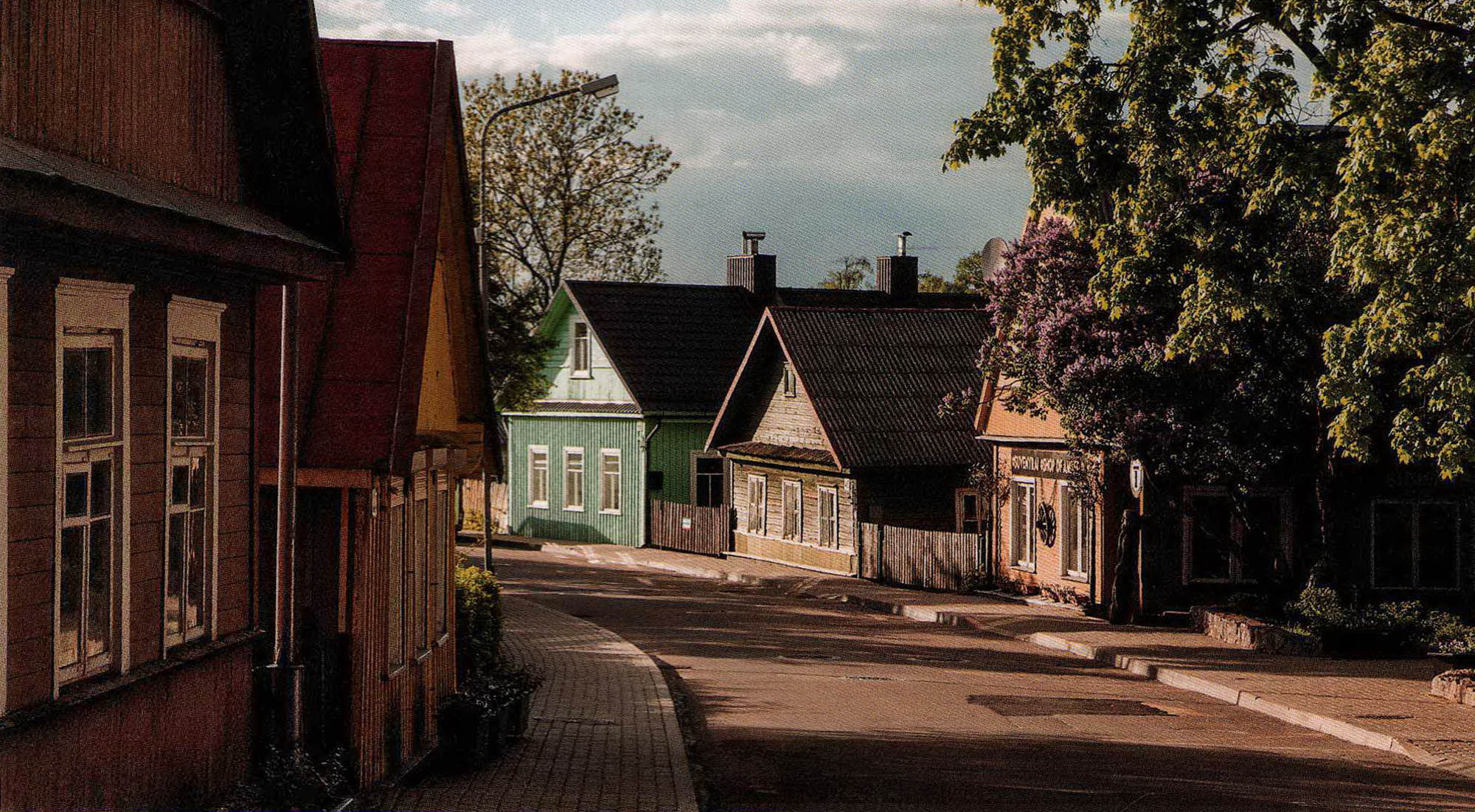
One of the most beautiful wooden buildings in Trakai used to be a Jewish manufactory shop. Back then it was in the “wow” category – full of fabrics and materials. The family lived upstairs. Their daughters attended the same preparatory course at the teacher training college. They were Jewish girls. I lived in the town, they lived there too, so we became friends.
Once they invited me very insistently: “We’re celebrating Passover, we’d like to host you.” I was shy, I didn’t even know how to behave. In the end I went. I saw carved furniture, a beautifully furnished apartment, a table – I remember it had elegantly curved legs, and the chairs were beautiful too, with high backs… everything was very tidy and refined. Even the home itself was lovely. They even offered me matzo, which was very interesting for me.
What stayed with me most was their kindness: “We’re happy that you are friends with our daughters, that you are so sincere.” Then he took me to his shop and said I could choose any fabric I liked – for a suit or a dress. I picked one, he cut it for me, and later I had a suit made from it, which I wore for a long time.
And then it was terribly painful to see when the Jews were gathered. Once I was walking down the street and saw that the Jewish man I had once visited was sweeping the street with a yellow star on his chest. They were not allowed to walk on the sidewalk, only on the road. He recognized me, I almost ran up to him, but he signaled not to come closer because German soldiers were approaching. Only his tears were flowing.
* * *
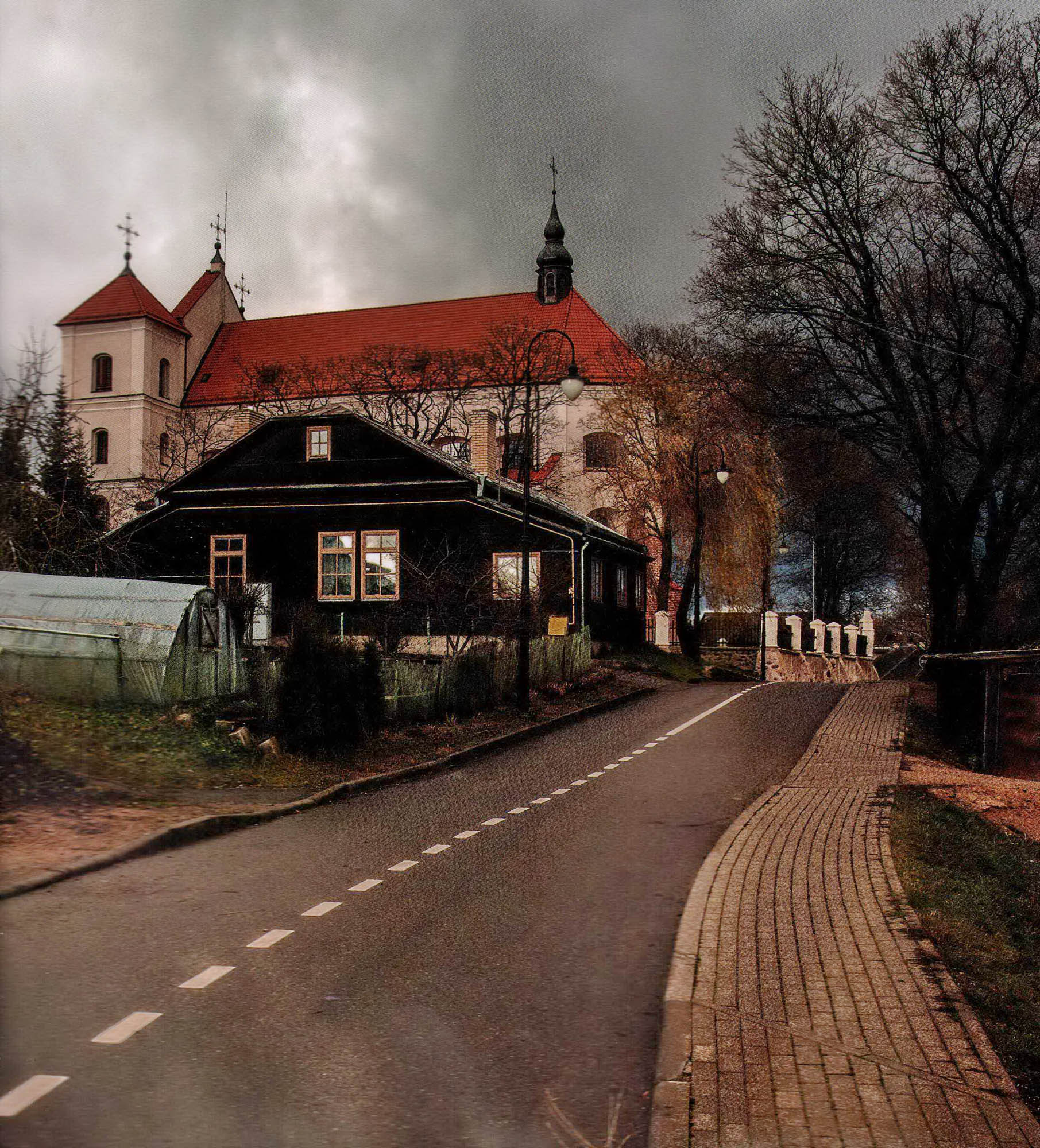
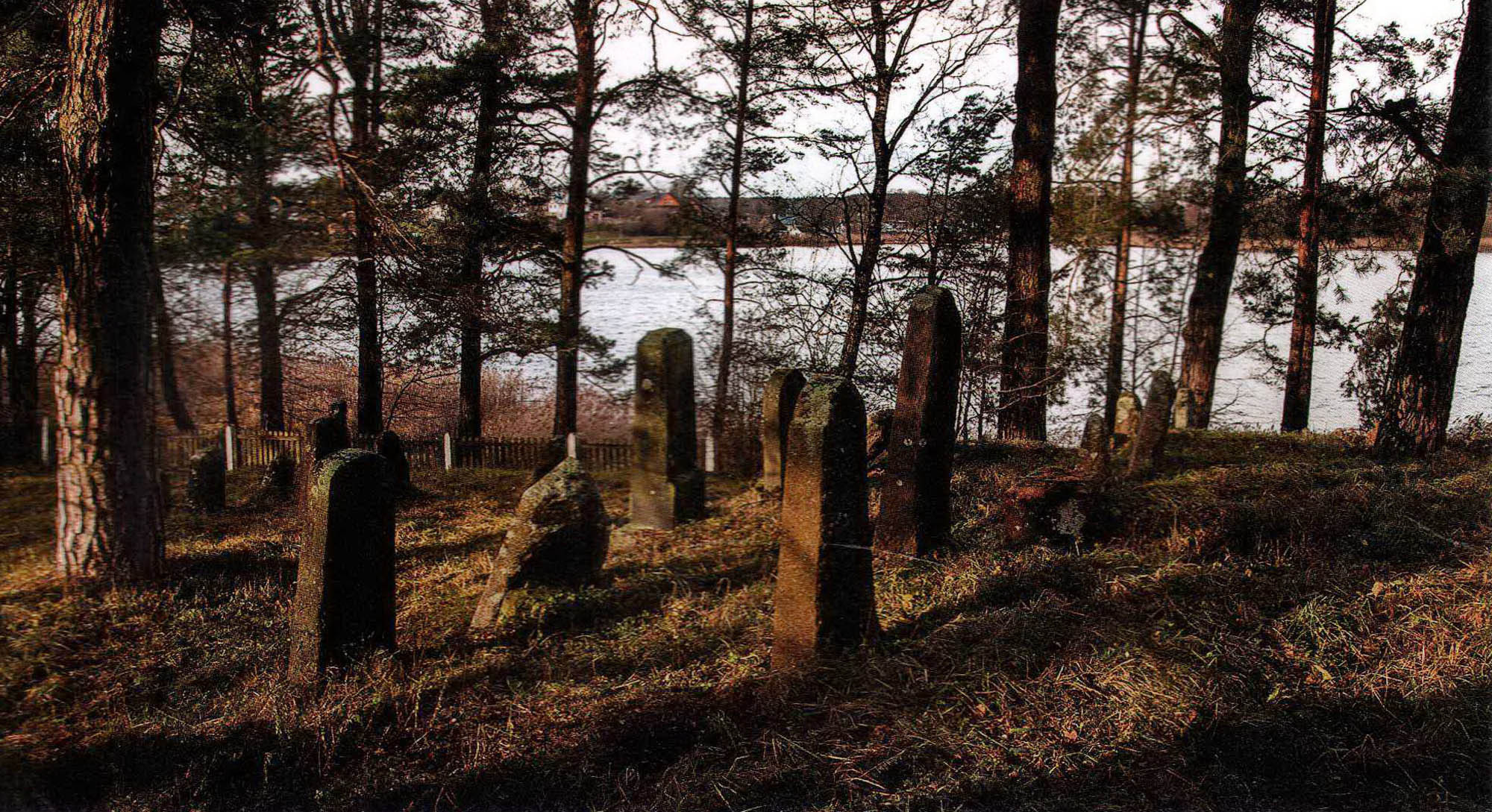
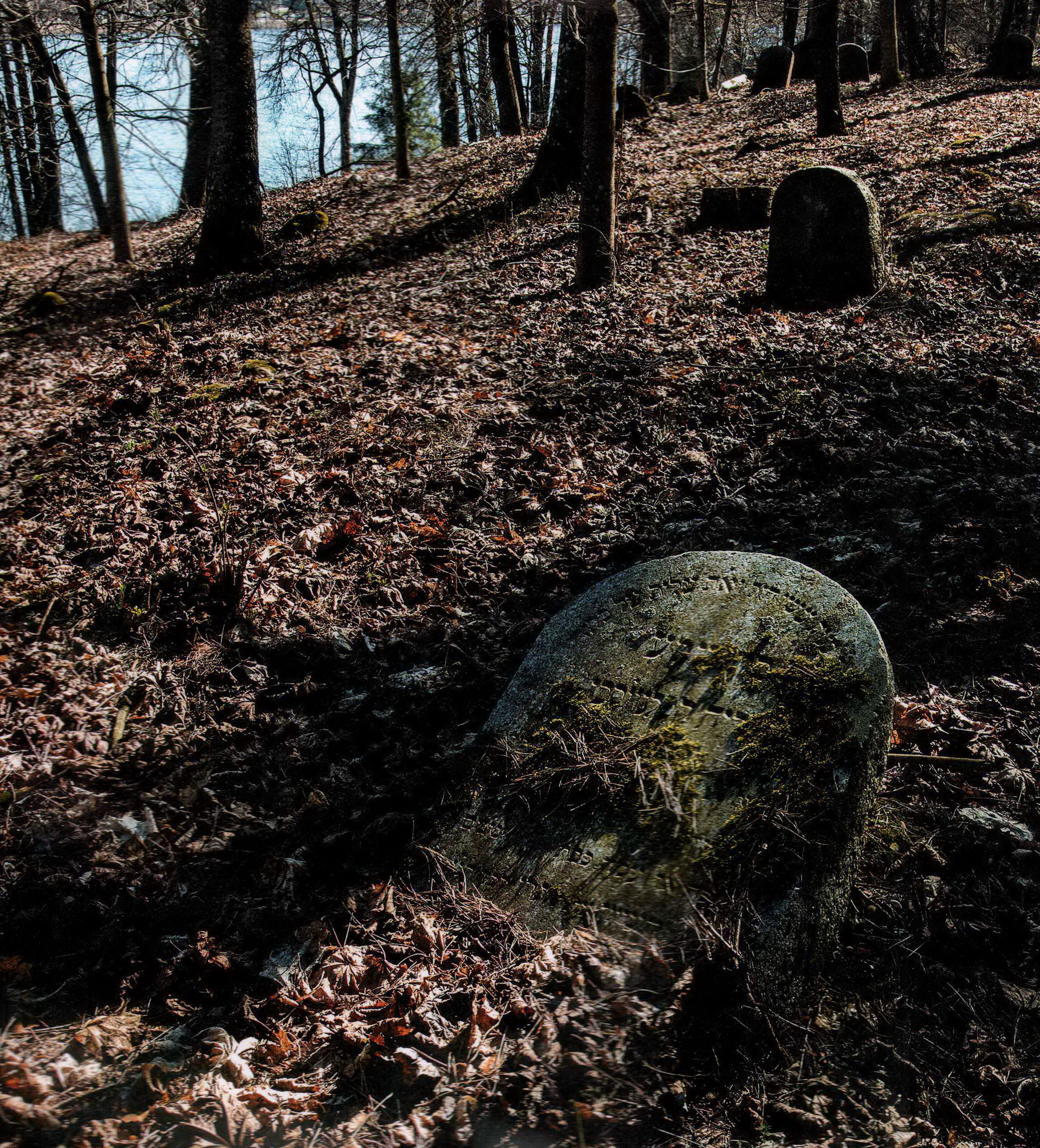
In the center of Trakai stands the Peninsula Castle. From here, during the years of independence, a bridge was built to the village of Varnikai. On one side of the bridge is Lake Bernardinų, on the other the Gaivė stream. Older residents called this place Przewóz in Polish (Perkėla in Lithuanian – “the crossing”), where a ferryman used to work, transporting people to and from Trakai for a small fee. During the German occupation, the last transport of the Jewish population of Trakai, Lentvaris, and Rūdiškės passed through this crossing – their common grave is in the forest near the Varnikai cemetery.
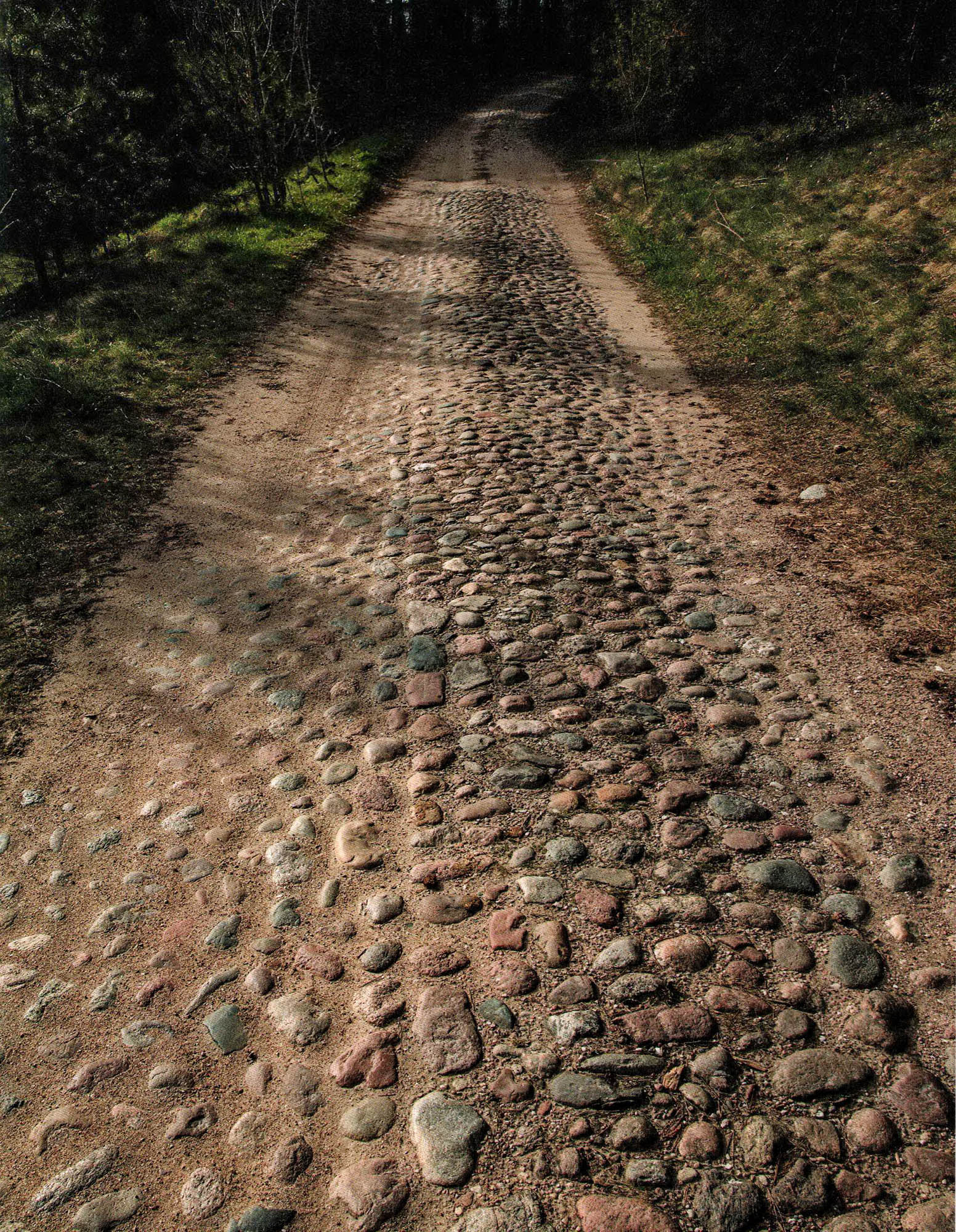
Many fishing families lived in Varnikai. A cobbled road (brukkas), built by the Tyszkiewicz counts, winds through the village. Piotras, one of the last old fishermen, knew every small water name of the Trakai lakes and could tell countless stories about their islands and depths. Unfortunately, he could no longer be photographed. Let this text therefore stand as a memory of a princely treasure sunk in the lakes and brought to the surface by a dolphin – a modest remembrance of the humorous world that characterized the fishermen of Trakai:
“Many said it was a dolphin that brought the chest up. It was Vytautas’ treasure. But these are just stories! They said the dolphin surfaced and threw up this treasure chest. The treasure was hidden… Ducal valuables were buried behind the castle. And the dolphin brought them up. And that is how the wealth of Lithuania began. Lithuania was divided among three sons: Duke Vytautas, Mindaugas, and Jogaila. It is a long speech and a long story.”
Piotras’ sister-in-law Bronė, a Lithuanian woman from Semeliškės, faithfully preserved her mother-in-law’s stories about the Trakai lakes. One of them says that every year at least one person must drown in the lakes. Maria was a religious, modest, and strong woman. As a child she witnessed and mourned the tragedy of “the Jews,” as she called them:
“There, on our side, behind the lake, there was a village. The locals climbed up an oak tree. They climbed the oak and watched from there as they were being shot. They even stripped them of their clothes, if they wore better clothes. That’s how it was – whether they were hit or not, it was just in volleys… and they fell into that pit. It was a big ditch. Our young men were also forced to dig there.
A few days later we went, when everything had already quieted down, to look from a distance. The ground was still groaning. You could still hear it. The sight was terrible.
And the children were led by the hand, little angels, and thrown alive into the ditch. It was a terrible sight, terrible. Our poor father suffered greatly from it. He said: ‘They helped raise me, and now I see them like this… my own people.’
They were the Jews of Trakai and Lentvaris. They are no more.”
* * *
Security officers (the people of the “bezpeka”) were also present in Trakai. They were searching for “hostile elements” and maintaining political discipline in the district. They received information that in Onuškis, in one of the houses, Lithuanian partisans were gathering. An armed group – officers and militia members – set out for Onuškis in cars, fully armed.
But the house was empty; they found nothing. They started heading back to Trakai, but after Onuškis, in the forest along the road, the partisans had planted mines. They exploded, and about twenty soldiers were killed, including several high-ranking officers. The news spread throughout Lithuania. A large funeral was organized, and many guests arrived from Vilnius as well.
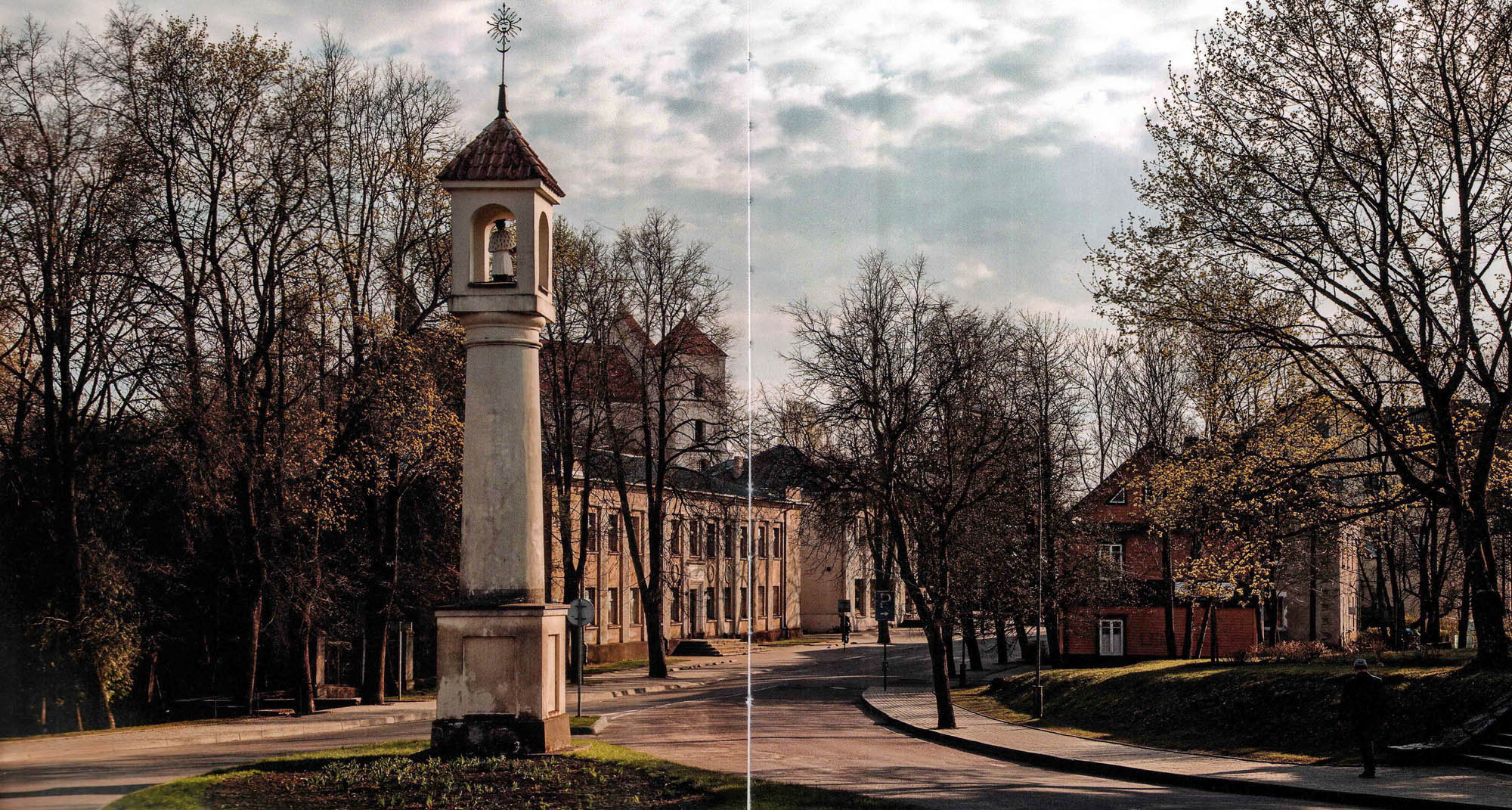
It was decided to bury the dead in the city center, next to the statue of St. John. But communists could not be buried beside a saint, so they decided to remove St. John from the monument. They looked for young people willing to do it. They found a local young man who secretly removed the statue at night.
For the faithful people of Trakai, this was a great injury. St. John was the symbol of Trakai, their patron saint. Some cried, but afterward nothing could be done; they could only pray. The young man himself moved away from Trakai, and his house still stands empty today.
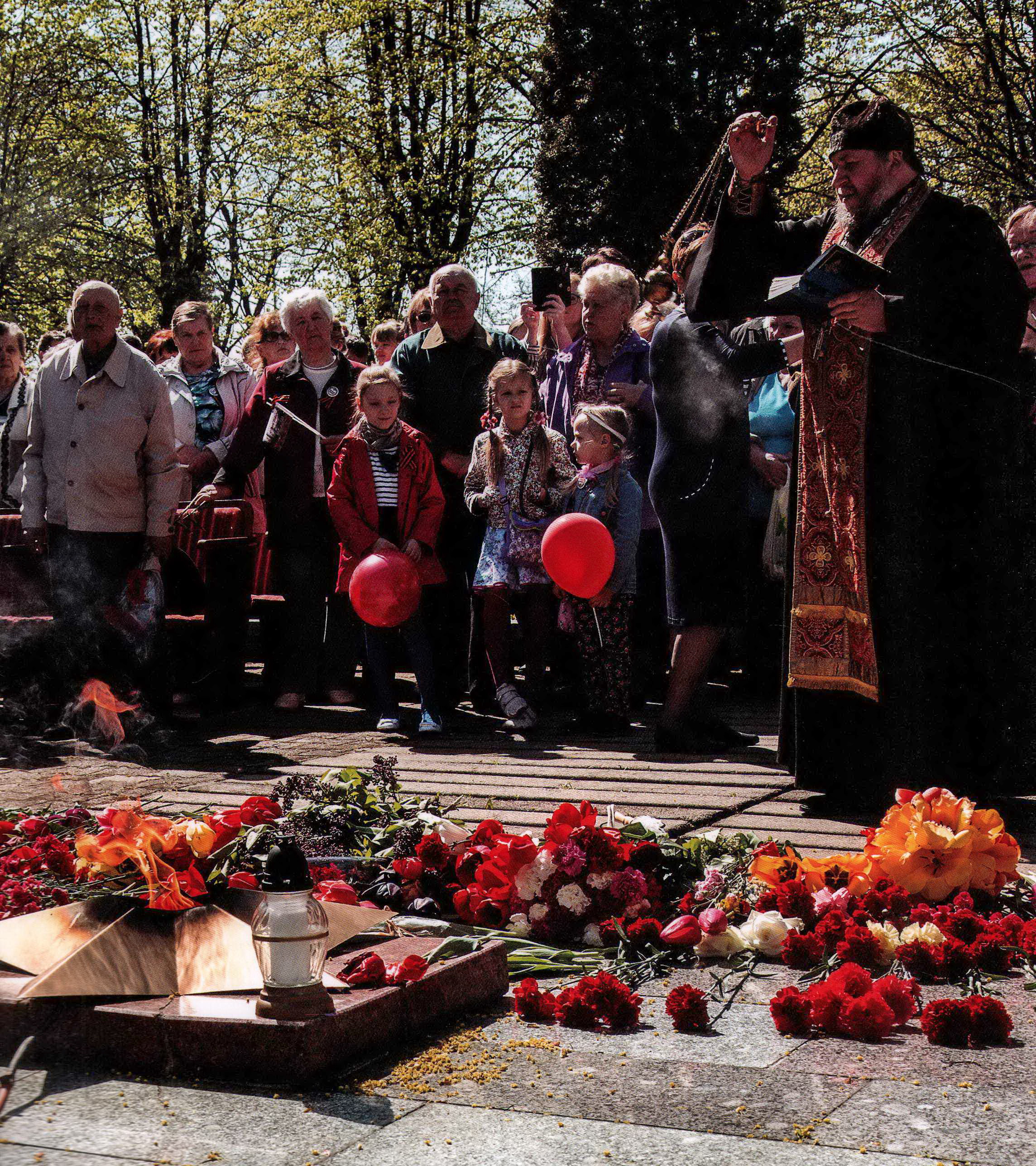
The killed communist soldiers were buried in the city center, in the place of the statue, but without the statue. It was a “bratskaya mogila,” a common military grave, for more than ten years. When political conditions eased, the remains were exhumed and reburied in the Russian cemetery.
* * *
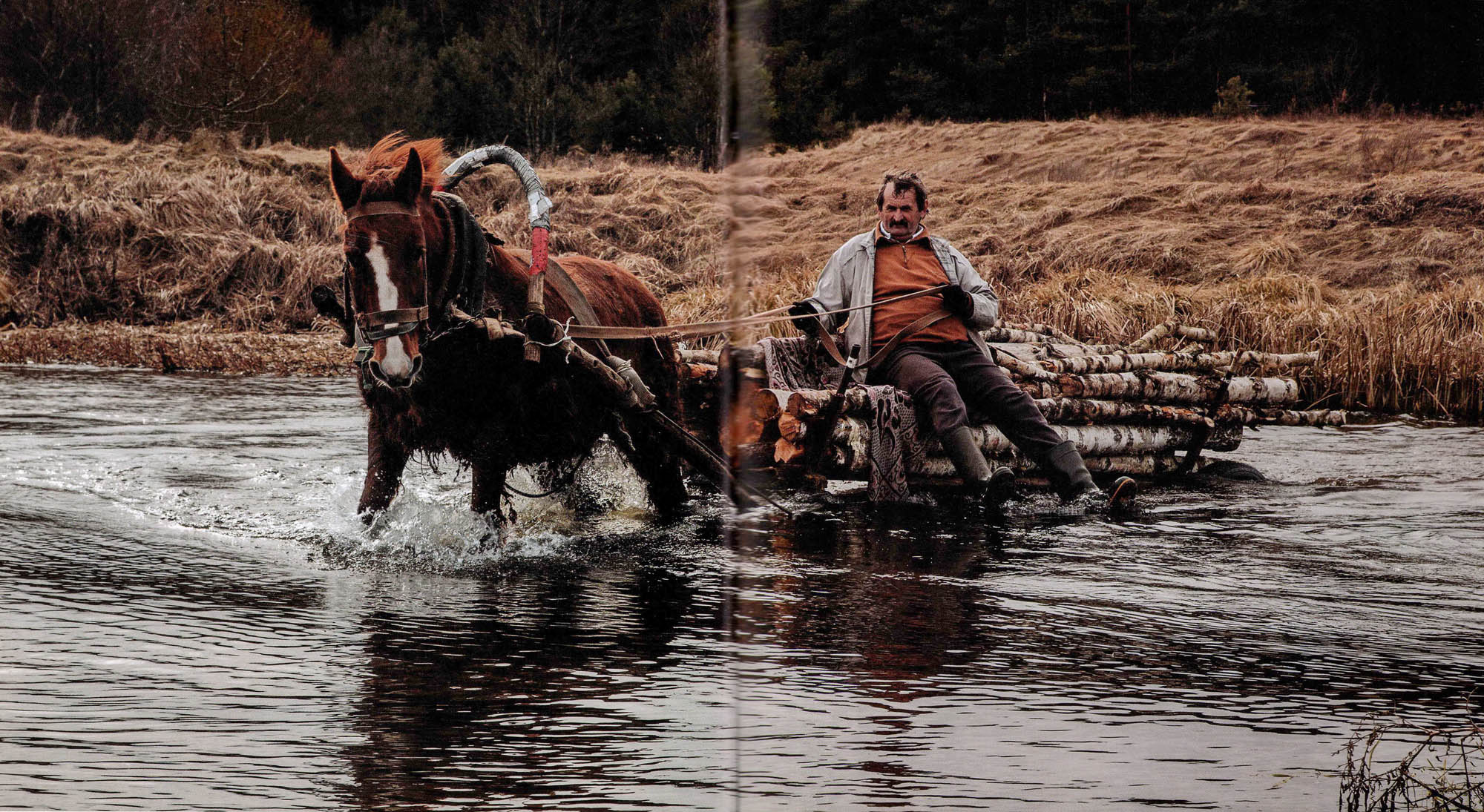
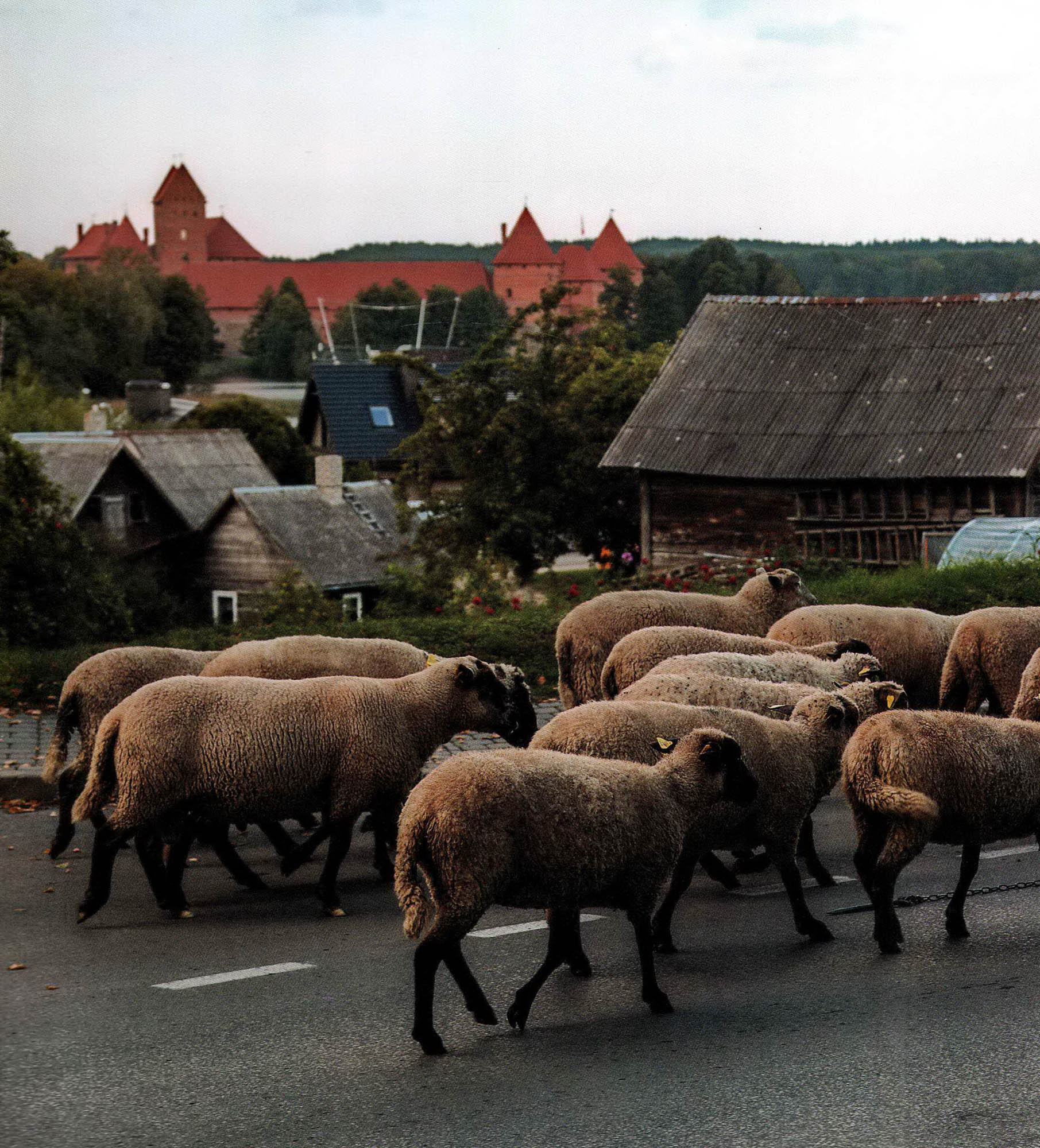
In the Trakai region everyone knows a Karaim man nicknamed Munia (short for Zigmunta), and they remember the amusing scene when his mare pulled a Volga car through the whole town. That happened when the car ran out of fuel.
Munia himself clarified that he used to attach the mare to all his vehicles: when taking it to pasture, or when going to work in distant fields beyond Trakai – the former Karaim lands by Lake Akmena, and to the village of Žaizdri, where his mother came from. Sometimes even a foal would run after them.
Munia’s yard still recalls the old Trakai times, when almost every resident had a garden, animals, and grew cucumbers through hard work. Even today you can see many kitchen gardens in town, but for today’s Trakai residents gardening is more of a hobby or habit, not a necessity.
Munia is the last Karaim who lives exclusively from farming. At one time he kept as many as sixty-three sheep. He had horses, cows, pigs, chickens, and cultivated fields. In his yard in the very center of old Trakai, not a single patch of land is left unused. He only bought a tractor a few years ago – before that, all the work was done with his little horse.
* * *
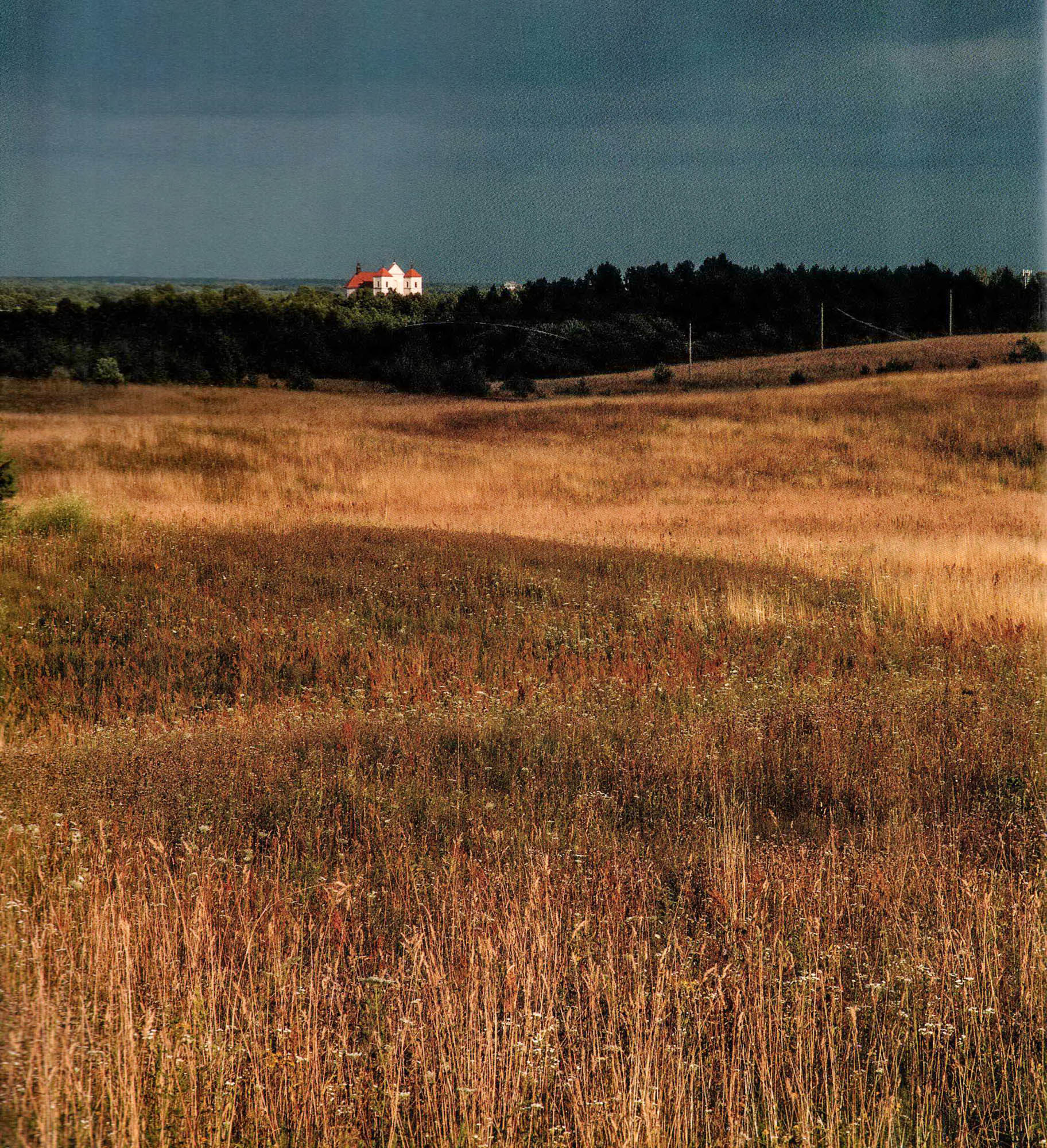
Beyond Žaizdri is Salkininkai, and beyond that Gojus. Salkininkai was once an Old Believer village. It changed a lot after the Polish resettlements and the establishment of a kolkhoz named after Tadeusz Kościuszko. Where houses once stood, there are now fields. Where the kolkhoz once was, only barn ruins remain. After the war, the wooden church by the Old Believer cemetery burned down, and that place is now also ploughed. Standing there, you feel as if you are in the middle of the world: only fields and silence all around.
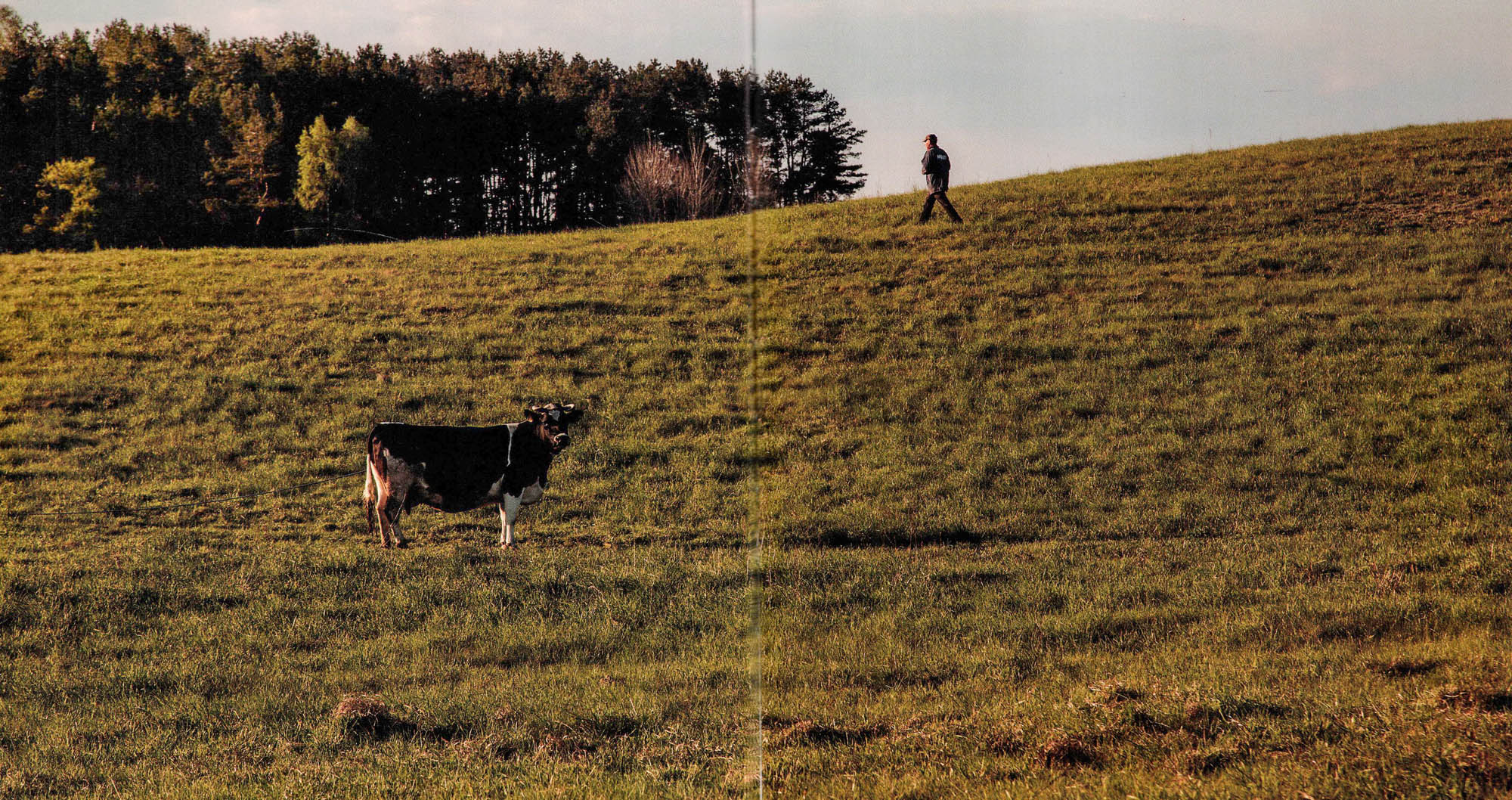
On these lands we meet another hardworking man, a talkative but frugal Polish farmer, Mečislav. Next to him it was mostly his wife, the Old Believer Lidija, who spoke – on their family homestead in Gojus they created a real little paradise. Animal husbandry thrives there, the fields are carefully cultivated, all kinds of old and new machinery are well maintained, even the stones are painted. When we met, Mečislav was grinding flour with electric millstones, preparing for spring work. Everything feels as if it were in God’s hands – thoughtful and harmonious.
– He speaks his language, I speak mine. He in Polish, I in Russian. Yet we understand each other from half-words. We can even be silent together – I guess what he needs, and I tell him: “Scale down your farm, it will be easier.” And he replies: “And then what, should I sit and drink vodka?” He loves work, and work loves him.
* * *
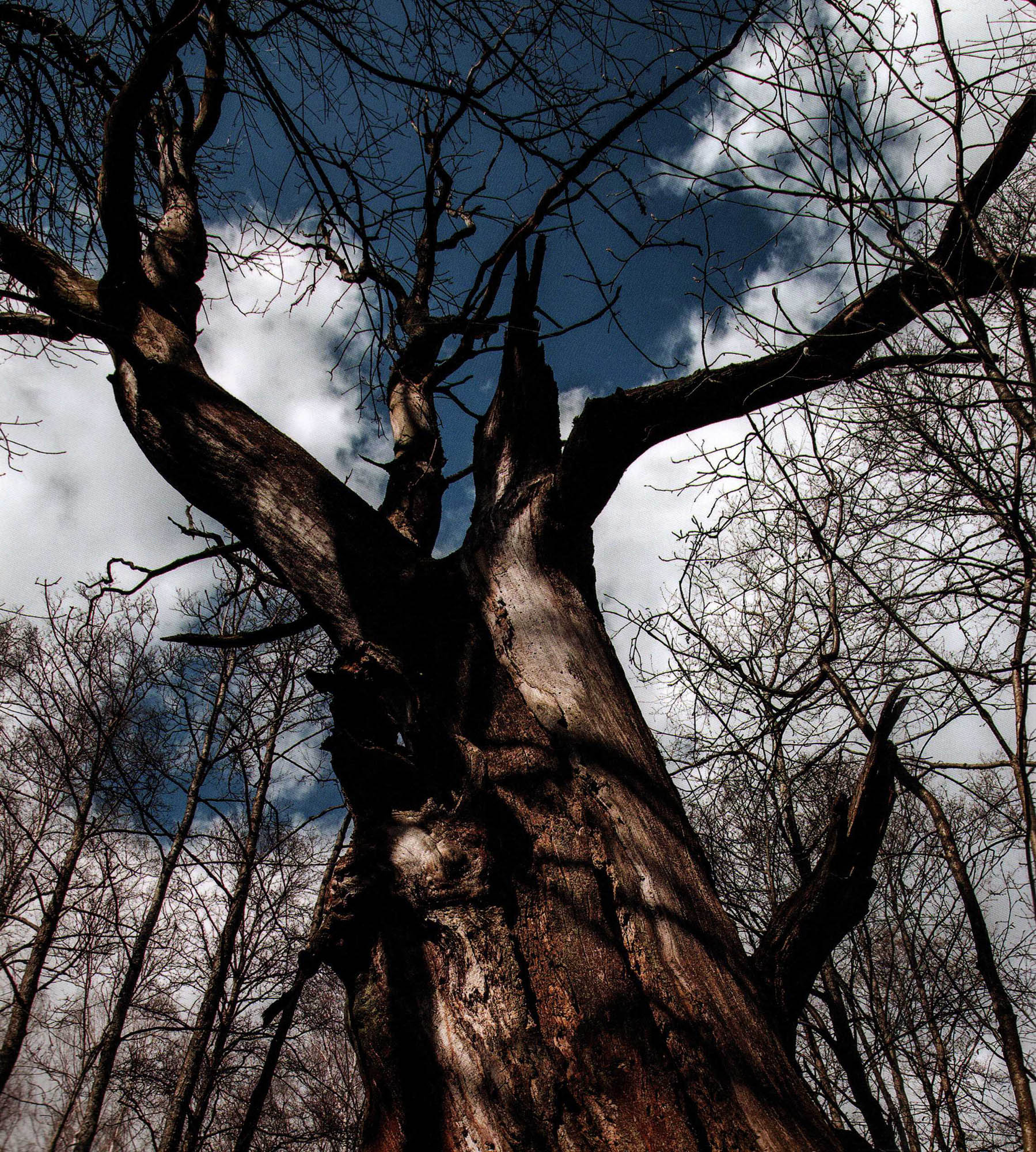
Between Lake Juodikas and Lake Purvis, behind the former village of Pauliškės, a winding old road runs. Where it crosses the stream connecting the two lakes, there stands an old, dried-out oak. Locals call it the “Devil’s Oak,” saying people got lost there, carts overturned, and all kinds of strange things happened.
A local man once said that seasonal workers from the kolkhoz used to pass there. When they walked home in the evening past the old oak, they would see devils sitting and feasting under the tree. So they would even ask to be allowed to go home before midnight.
They also said the tree was cursed: even an axe would be blunted if someone tried to cut it down. A local man, Anatolij, told that a young man who tried to fell the oak was struck dead by lightning.
The Trakai fisherman Janas recalled a strange story from his childhood. Another fisherman, returning from the Šulininkai dance, met a gentleman and exchanged a cigarette case with him. By morning it turned out that instead of the elegant case, he had received a horseshoe.
* * *
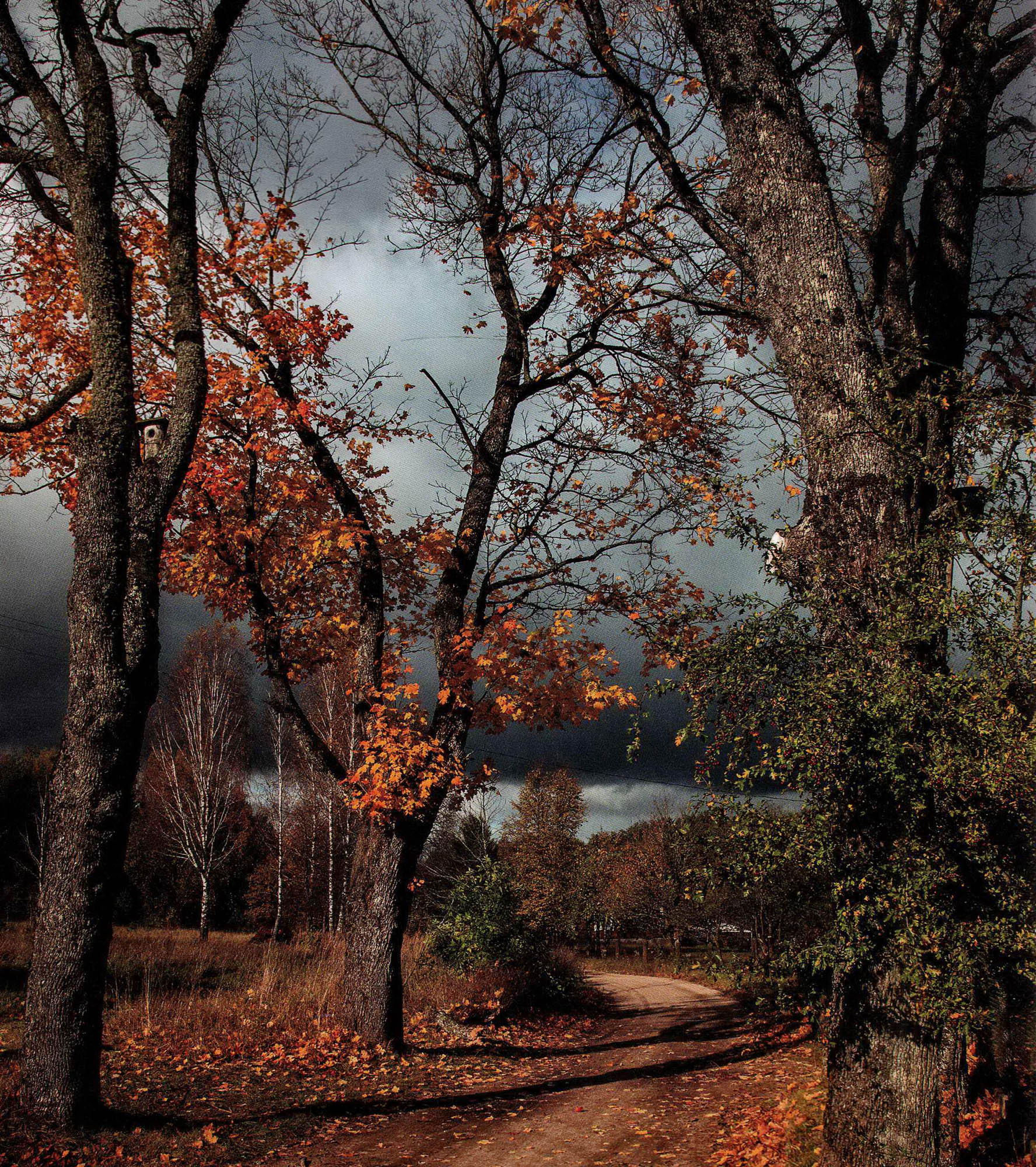
Driving from Rykantai toward Vilnius on the highway, it is hard not to notice the large oak tree standing between the lanes of the road surface markings. It recalls the nature conservation efforts of the 1980s, when even something as important as a highway was redesigned in width in order to preserve the tree.
In the same place there are burial mounds on both sides of the road, so every time you pass by, you inevitably find yourself thinking about the lives of the people who lived here a thousand years ago.
Shortly after, you descend from the hill as if into the basin of Lake Didžiulis. If the landscape opens up, on the right, beyond the lake, behind the fields and the green forest belt, you can see the tower of Lentvaris manor.
The small Saidė stream flows into Lake Didžiulis. Where it rushes over the stones and pours roaring into the Neris, it is worth visiting in early spring, when violets bloom and the melting ice sparkles. This stream connects the lakes Didžiulis, Lentvaris, Balčio, and Skaistis. Saidė is also known as Moluvėnė, and the settlement on the northern shore of Didžiulis bears the same name. There you can find one of the traces of Karaite heritage — the 19th-century kenesa building, visible from afar.
This kenesa was built by order of Tsar Alexander I on land allocated to the Karaite community. The Karaites call this place Maliovanka, saying the name comes from the Polish *malować* (“to paint”), because the place is picturesque and beautiful. Between the two world wars, these lands were left to the community by the Polish authorities, and their religious leader, Hadži Seraja Chán Šapšal hakam, often spent his summers here. By then the kenesa was no longer functioning. He also gave this area a Karaite name — Kiorklių Sala, meaning “beautiful village.”
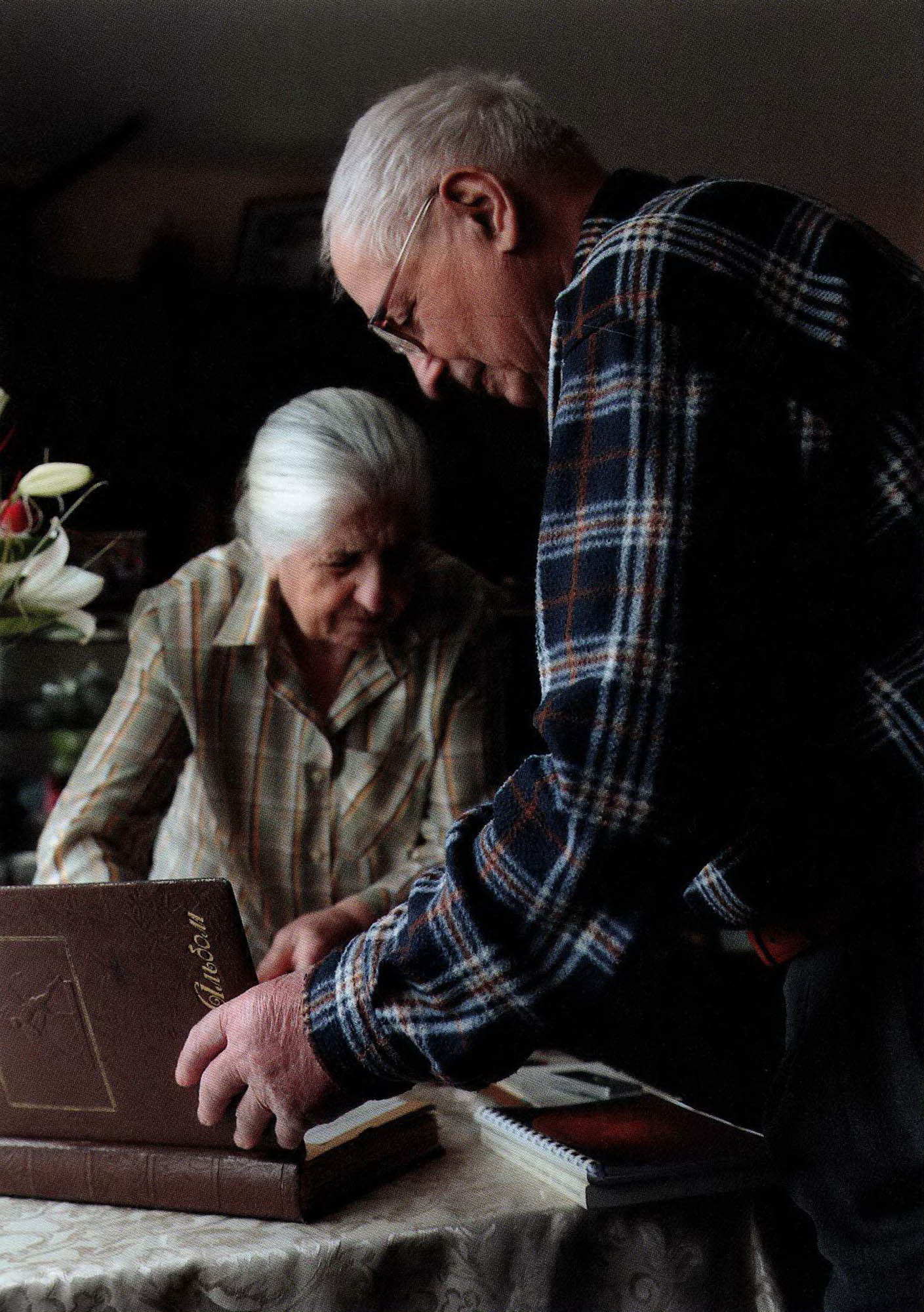
We heard about Maliovanka from the Trakai Karaite Semion — one of those bright-minded Karaites who, in retirement, devote their time to Karaite history, writing poems, plays, and memoirs. Between the two world wars, Semion, together with other children, organized pilgrimage-like walking trips to Maliovanka. Together with his wife Liudmila — originally from Crimea — they are one of the most beautiful couples we met on our journey: cultured, stylish, active, and hospitable.
* * *
The village of Keturiasdešimt Totorių (“Forty Tatars”) was founded in the time of Prince Vytautas along the Vokė River as a Tatar settlement. Along this river there were several such villages. A remarkably good local Tatar woman named Fatima listed them almost like from a book: Mereszlany, Kiszłak, Melechowcy, Kozakłary, Chazbieji, Prudziany, Ludwinowo, Afindziewiczy.
Fatima explained that these settlements were formerly not called villages, but in Polish “okolica”. This meant a noble settlement. The Tatars here often emphasize their noble origin and coats of arms.
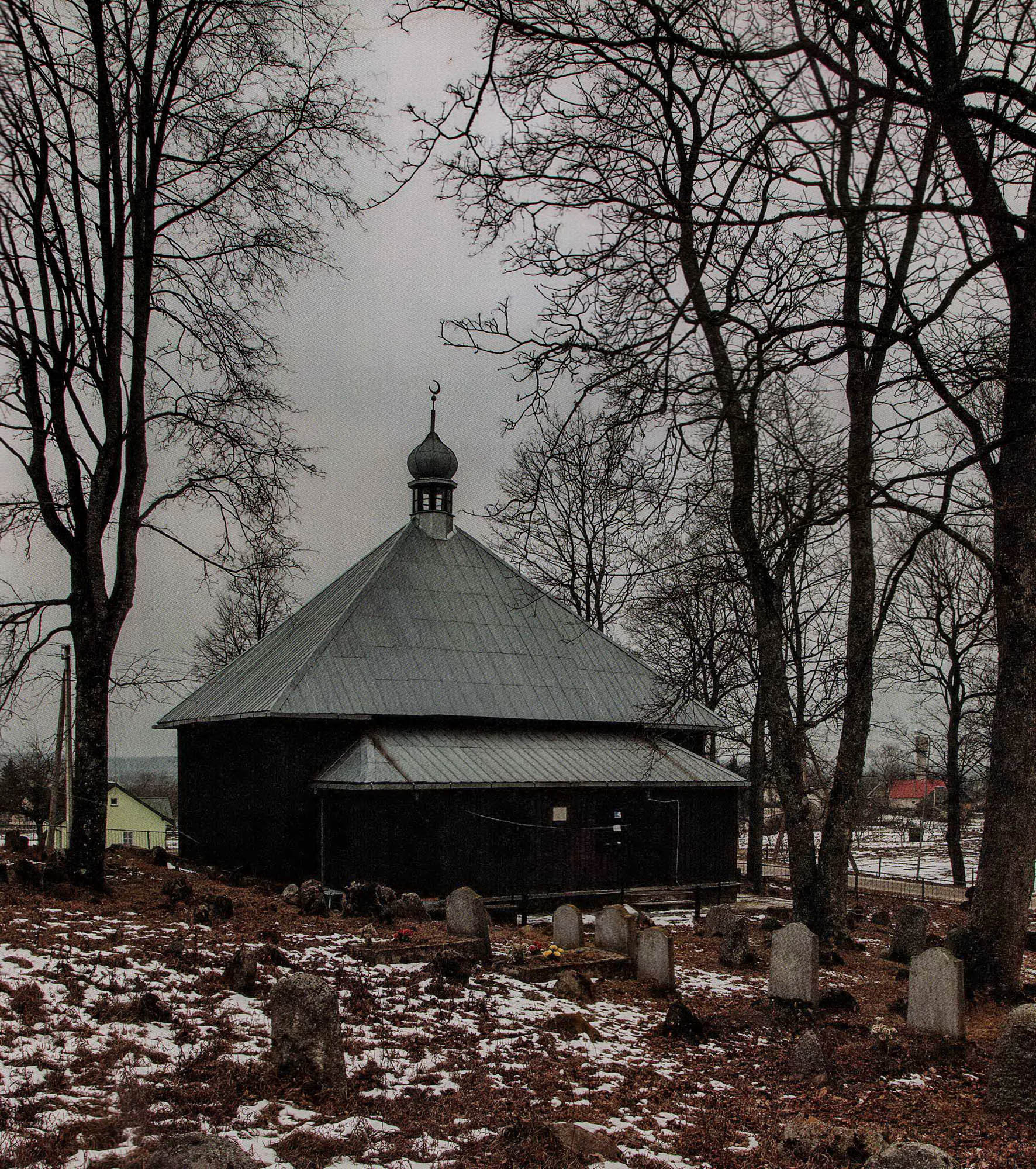
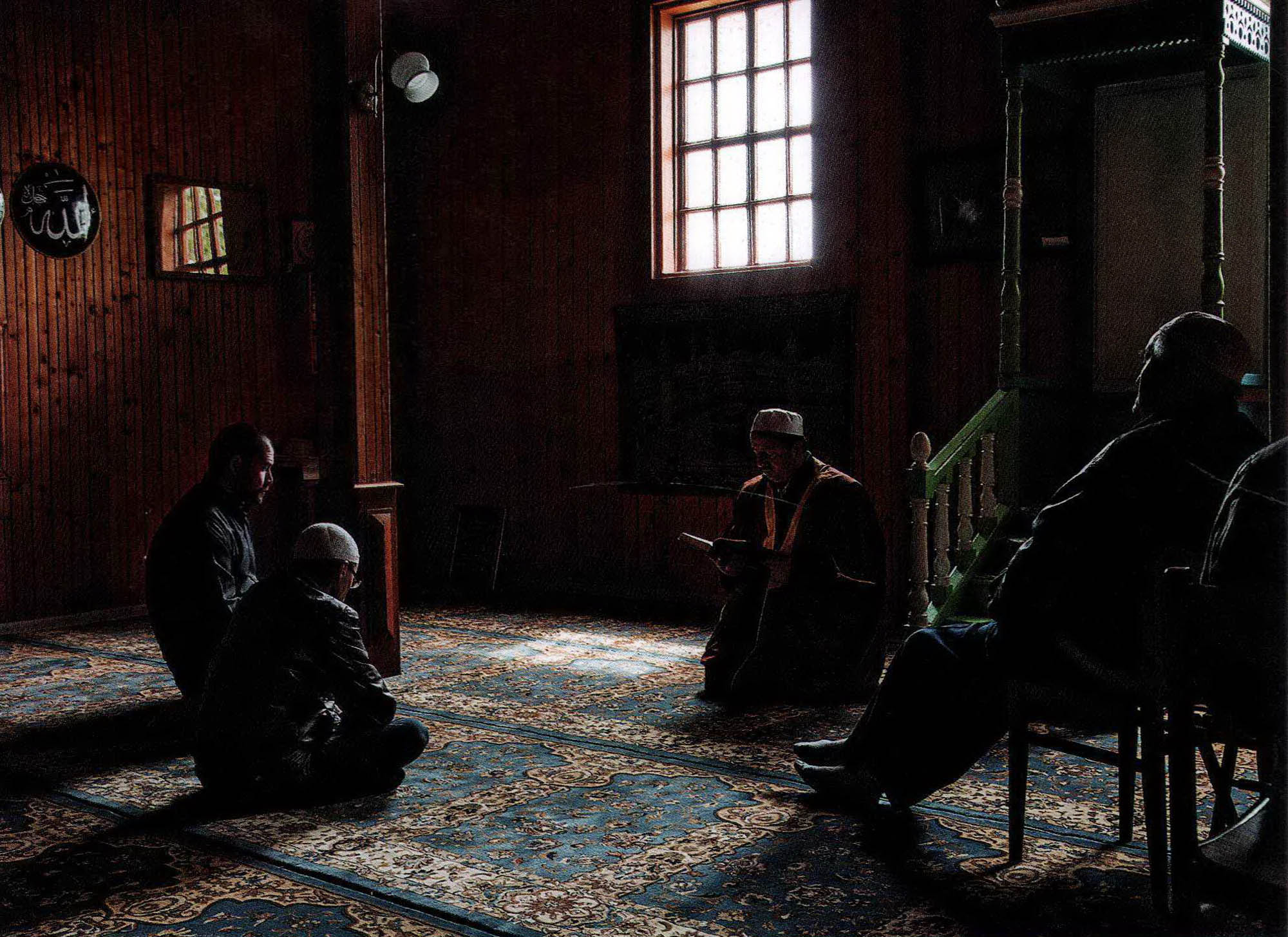
In Keturiasdešimt Totorių there is a mosque surrounded by a cemetery, which in Tatar is called a mizigər. This sacred place lies on one of the highest hills in the area. Every Friday, prayers are held here. When the imam sings, time seems to stop, and inside the mosque there is a “scent of paradise.” When you step outside, the village itself also feels like paradise: every garden is in bloom, everyone invites you in, and a sincere harmony prevails. Muslims and Christians celebrate together, and all languages of the Vilnius region are spoken here.
The afterlife is a subject that concerns many. According to Islamic belief, the fate of the soul is decided already in the grave: two angels arrive and question the person about their deeds and sins. Aminija called these angels “the questioners.” She said the imam sees them but is not allowed to tell anyone. Her deceased aunt, who appeared in a dream, told her about these angels.
* * *
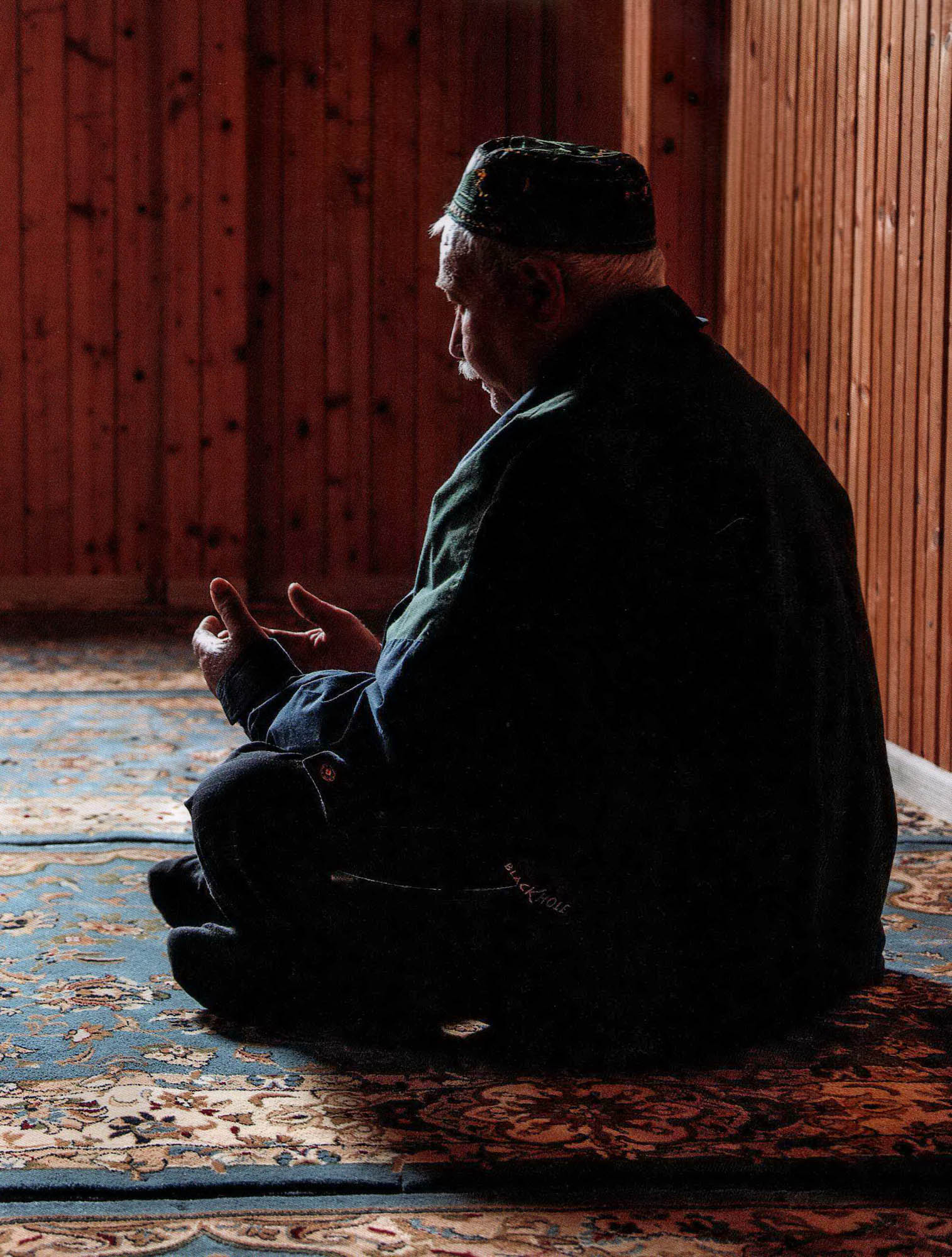
Fatima was born in Keturiasdešimt Totorių, while her sister Aisa was born in Afindziewiczy village. Today only a street name in the town of Grigiškės and a few houses along the Vokė River remain of it. In their childhood, the family would move nomadically every summer with all their belongings and animals from Afindziewiczy to Keturiasdešimt Totorių, where they had a small plot with a smoky clay-plastered house. Today the two sisters live together in the wooden house their parents built during Soviet times, and they can speak endlessly about Tatar life.
[Are the “questioners” from the afterlife? Some kind of spirits?] Yes, probably. The imam hears them when they come. But he never tells anything about them.
I also dreamed of my aunt after she died. She said: “Oh, the questioners came to me and started asking questions, but I could not answer, and one of them took something like a mace and began striking my head, and I sank completely into the ground.” That is what I dreamed. Then I woke up, and I do not know how it ended or what happened there in the end.
Aisma į kalną (“We go up the hill”), a Lithuanian folk song from Samogitia, performed by Milda Pieškutė, Julija Vilkaitė, Vilius Marma, Steponas Pilkauskas (2024)



Add comment