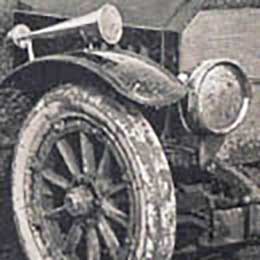


The Qudiyal River, which in Xinaliq, at the top of the Caucasus, is still just a thin ribbon in the middle of its vast riverbed, already broadens out some fifty kilometers downstream, when it reaches Quba.  Here the first proper bridge crosses it. On both railings of the bridge sits a golden lion, signaling that on the other side we are entering a very special settlement: Qırmızı Qəsəbə, formerly Krasnaya Sloboda, the “Red Village”, the largest settlement of the Azerbaijani Mountain Jews.

I first encountered the Mountain Jews seven years ago in a café in the bazaar of Tabriz, listening to the waiters talk. The language sounded oddly familiar — some Iranian language, but neither Persian nor Kurdish. “What language are they speaking?” I asked. “Be juhuri, Jewish,” they replied. “Come on,” I said. “I know two Jewish languages, and neither sounds like that.” “Well then this is the third. We Mountain Jews speak this language.” And they told me that thousands still live in the mountains of “the other side” of Azerbaijan, and even more further north, in Dagestan.
 Study house in the Jewish quarter of Quba, 1920s
The ancestors of the Mountain Jews were deported by the Assyrians after the conquest of the Kingdom of Samaria (ca. 740 BCE) and “settled in the cities of the Medes” (2 Kings 17:3–6), which soon fell under Persian rule. When King Cyrus of Persia allowed the Jews to return from the “Babylonian captivity” in 539 BCE, this applied only to those deported from Jerusalem in 604. Those taken away 140 years earlier had already been absorbed into the empire and had shifted to local Persian dialects. They became the Ten Lost Tribes, later “discovered” by scholars in the most improbable places, from the Tibetan plateau to South America. In reality, the Persian rulers resettled them in regions where skilled traders were needed — including the Caucasus, the northern frontier of the empire, together with Persian soldiers whose descendants still live in Lahij today. The Mountain Jews speak a heavily Hebraized variant of this archaic Persian dialect, Tat, which they call Juhuri, “Jewish”.
Mountain Jews still have villages across the entire North Caucasus highlands, numbering nearly fifty thousand people. Their strongest community, however, was in the “Jewish Valley” south of Derbent, where between 1630 and 1800 they effectively formed an independent Jewish state. This community was destroyed during the Russo-Persian wars by local khanates fighting as mercenaries of both powers, and the refugees appealed for help to Fatali Khan, the Persian governor of Quba. The khan resettled them on the opposite bank of the river near Quba, granting such privileges that this community of about five thousand remains to this day almost entirely Jewish.

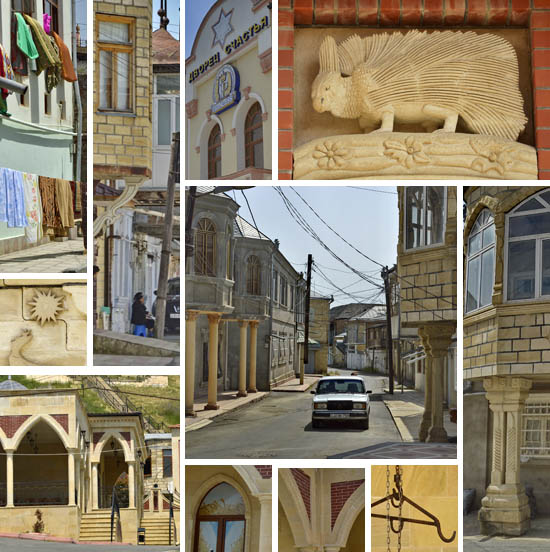
We arrive in the settlement at dusk and walk along the main street, still named after Fatali Khan. Most of the houses date from the turn of the century, with projecting wooden balconies, though prosperity is visible everywhere: more and more are being replaced by stuccoed marble villas with traditional Jewish motifs. Elderly residents sit in front of the houses; conversations stop at our appearance and all eyes turn toward us. Instead of the usual Azerbaijani salam, we say shalom — they smile and respond in kind. We sit down in a teahouse, slowly drinking pot after pot of tea, hoping someone from the nearby card and domino players will strike up a conversation, but the locals are visibly more reserved than the Azerbaijanis.
The next day we return in daylight and first explore the center, where six large synagogues stand, three of them still active. They were badly neglected during the Soviet period, though it is unclear whether the current restoration and expansion has improved or worsened them. The streets descending toward the river are defined by the many six-pointed stars on tin roof ornaments, fences, and graffiti, and by the Friday mosque rising on the opposite bank, visible from the entire settlement. The town is quiet now; only a few people hurry about their business. They nod politely in response to greetings but do not stop to ask where we come from.

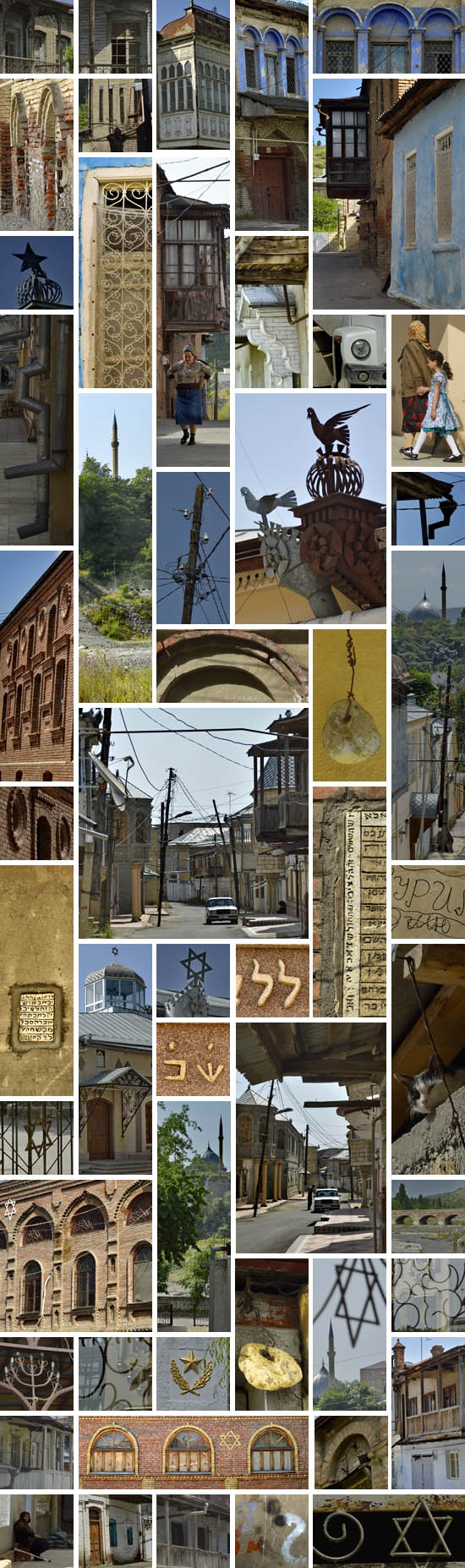

Next to the main synagogue, on one side stands the monument to the Great Patriotic War, and on the other a barbershop and a teahouse. Even in the morning there is life here: elderly men play dominoes at two tables. We ask who could let us into the synagogue. They call the head of the community, who sends word: he cannot come now, but every morning and evening at half past seven they warmly welcome visitors for morning and evening prayers.


The most unusual thing about the shtetl is that it is alive. Anyone who has seen the Galician shtetls—the abandoned houses of Eastern European Jewish village streets, their closed synagogues or what is left of them—and who, to bring them back to life, has populated them in imagination with the figures of Sholem Aleichem, will here see what that world would look like today if its inhabitants had never disappeared. The traditional Jewish world of the Red Shtetl is only gradually becoming modern: the village center is being renovated, but a mikveh, a kosher butcher shop, and a community center called the “House of Happiness” are being built into it, while the façades of the ostentatious new mansions replacing the old wooden houses are decorated with motifs of traditional Jewish iconography.
 Friday morning big cleaning


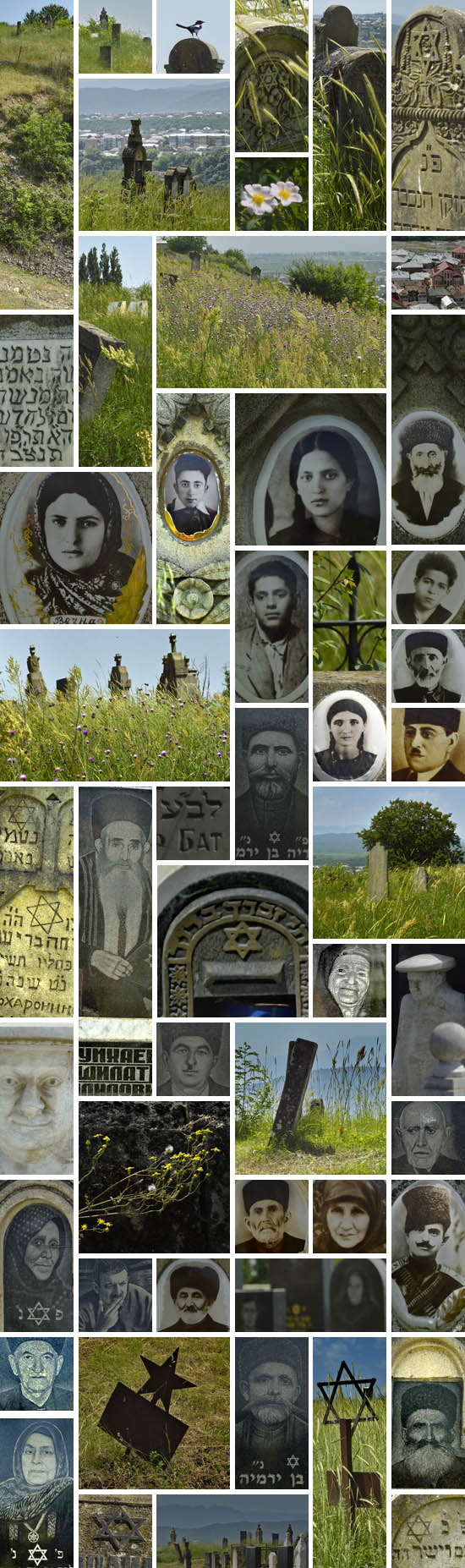
At the end of the village, a dirt road winds up to the cemetery. As in most shtetls, it is the dead who have the best view here. From the hillside you can see the whole shtetl, the Muslim town on the opposite side, and in the distance the ridge of the Caucasus and the border mountains of Russia, Shahdag. On most of the graves, from the 1960s onward, there are photographs in the Russian style: characteristic Caucasian faces and costumes—most of them could be Azerbaijani or Georgian if it were not for the Hebrew inscriptions and the strange Persian-sounding names written in Cyrillic script.


As we descend from the cemetery, wedding music is playing from one of the houses. The people standing by the gate politely invite us in: “just for ten minutes.” Alongside Russian and Juhuri, the third language here is Hebrew—the language of relatives visiting from Israel. There is not much emigration: although many live abroad, migration goes both ways. “Haven’t you been to the synagogue yet? You must come at half past seven in the evening.” By then we will already be on the roof of the world, but that is no problem. It is better to make this discovery during the August trip, in the company of an illustrious group of Jewish fellow travellers.




Add comment