

“I tugged at Uncle Vootele’s beard and asked:
‘Who was this Manivald? Why did he live by the sea? Why didn’t he live in the forest, like we do?’
‘The sea was his home,’ my uncle replied. ‘Manivald was an old and wise man. The oldest among us. He had even seen the Dragon of the North.’
‘Who is the Dragon of the North?’ I asked.
‘The Dragon of the North is an enormous snake,’ Uncle Vootele answered. ‘It is the greatest of them all, mightier even than the Serpent King. It is as vast as the forest itself, and it can fly. When it rises into the sky on its immense wings, it blocks out the sun and the moon. Long ago it often took to the heavens to devour the enemies who anchored off our shores. After it had consumed them, all their treasures became ours. We were immensely wealthy and powerful, and everyone feared us, for no one ever left these shores alive. Yet they knew of our riches, and their greed always overcame their fear. More and more ships sailed to our coast to seize our treasures, but the Dragon of the North destroyed every last one of them.’
‘I want to see the Dragon of the North too,’ I said.
‘I’m afraid that’s no longer possible,’ Uncle Vootele sighed. ‘The Dragon of the North has fallen asleep, and we do not know how to awaken it. There are too few of us.’
‘One day we shall be able to!’ Tambet interrupted. ‘How can you say such things, Vootele? What kind of disgraceful talk is that? Mark my words: both of us will live to see the day when the Dragon of the North rises into the sky once more to devour every wretched Iron Man and every village rat!’
‘You’re the one talking nonsense,’ my uncle replied. ‘How could that day ever come, when you know perfectly well that it takes at least ten thousand people to awaken the Dragon of the North? Only if ten thousand people speak the words of the snakes together will the Dragon of the North awaken in its secret nest, and only then will it soar into the heavens again. Show me, then—where are those ten thousand people? We cannot even gather ten!’
‘We must never give up!’ Tambet answered angrily. ‘Think of Manivald! He never stopped hoping and quietly carried out his task without complaint. Whenever a ship appeared on the horizon, he immediately lit a dry tree stump so that everyone would know the time had come once again to awaken the Dragon of the North. He never gave up, even though no one answered his signal fires anymore, and so the strangers’ ships could anchor unchallenged, while the Iron Men came ashore without punishment. Yet he never shrugged his shoulders. As always, he dug up tree stumps by the roots, dried them, lit them whenever it was necessary, and then he waited—he simply kept waiting. He waited for the day when, perhaps, the mighty Dragon of the North would once again rise above the forest, just as it had in the glorious days of old.’
‘It will never rise again,’ Uncle Vootele said gloomily.
‘I want to see it!’ I insisted. ‘I want to see the Dragon of the North!’
‘You never will,’ my uncle declared.
‘Is it dead?’ I asked.
‘No, it can never die,’ he replied. ‘It is only asleep. But don’t ask where. No one knows.’
I fell silent in disappointment. The story of the Dragon of the North had begun so wonderfully, but its ending was utterly dismal. What use is such a marvellous thing if no one can ever see it?”
This is a book about a painful transition, about the loss of an ancient innocence, of a time when humans still spoke with animals and lived in harmony with nature. Of course, such an age never truly existed, but it is comforting to remember those distant times in this way—before Western civilization arrived on pagan Estonian shores aboard the ships of the Danish and German crusading knights. It is precisely because we know so little about the world that existed before the Crusaders came that we are able to imagine it as a time of such primordial harmony.
But Andrus Kivirähk’s The Man Who Spoke Snakish (2007) is not a history book written in the guise of fantasy. It can certainly be read as a powerful allegory of Estonia’s past, of the Germanic and Christian conquest, of the transformation of ancient Estonian culture, and of the dilemma of what a small nation should preserve from its past. That is also what makes it such an excellent introduction to the literature of the Baltic peoples.
The protagonist, Leemet, is one of the last people who still know the language of the snake. It is not merely a spoken language but a magical gift: whoever possesses it can command snakes and many other animals, remaining in communion with the supernatural power of the forest.
But in truth, it is not really magic at all—it is a relationship. To someone who speaks the language of the snakes, a snake is not simply an animal but a conversation partner, an ally, a person. When the language disappears, the snakes do not become mute reptiles because they have lost their voices; rather, they fall silent because human beings have lost their connection with them.
For Estonian readers, this symbolism is especially powerful. For centuries, the Estonian language was pushed into the background as a small, barbaric, and despised tongue—first under the rule of the German crusading orders, then the Swedes, the Russians, and finally the Soviet regime. For many readers, the “language of the snakes” has therefore also become a metaphor for their mother tongue. Once no one speaks it anymore, an entire world vanishes with it.
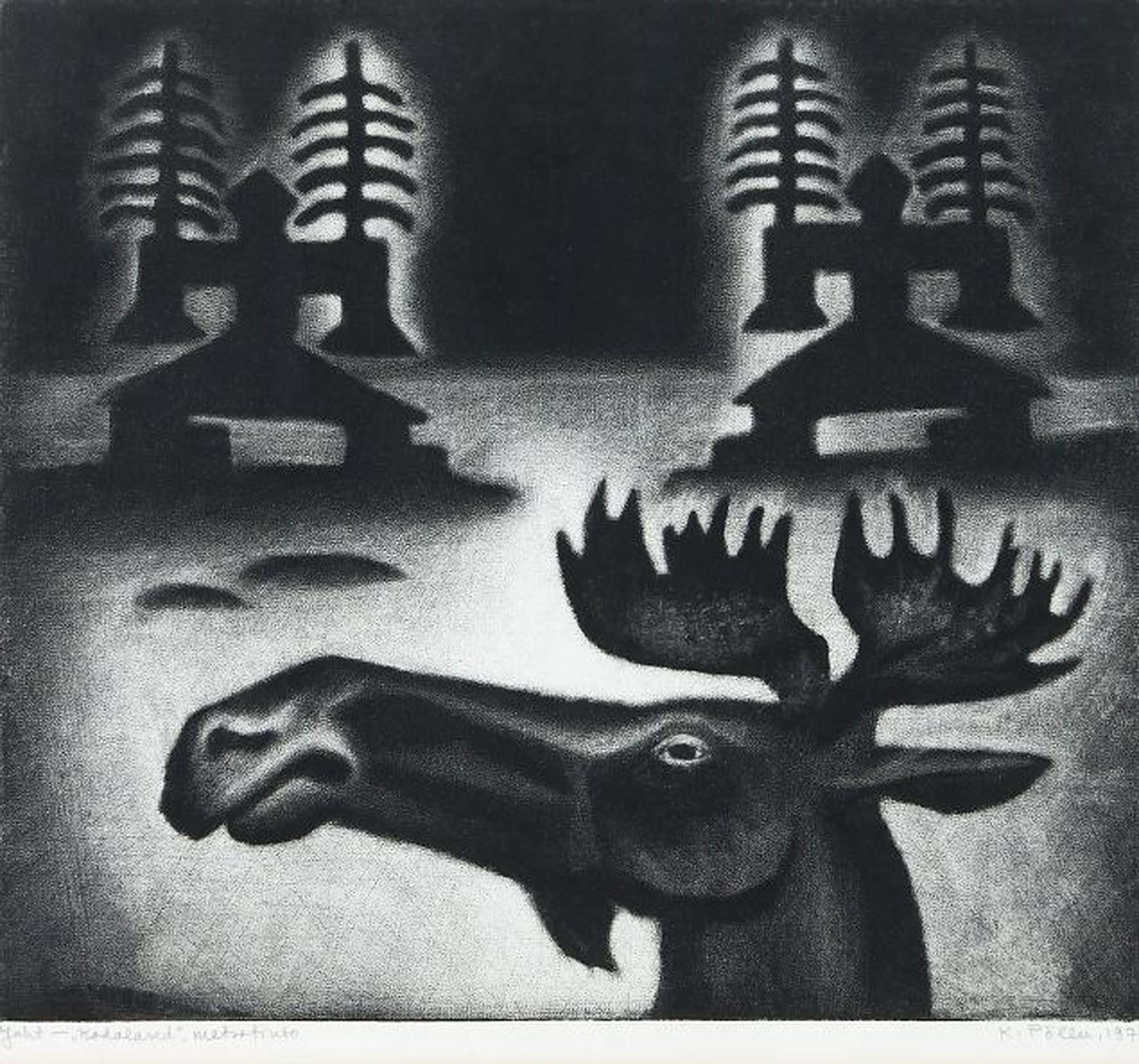
“I was just returning from the spring with the heavy water vessel slung over my shoulder when a great moose appeared on the path. Expecting the usual confusion, I hissed the simplest of the snake words at it with barely concealed contempt. Yet the moose was not in the least startled to hear long-forgotten words of command from a human mouth. Instead, it bowed its head, hurried over to me, knelt down, and, as moose used to do in the old days, offered me its neck. How often had I seen my mother provide our family’s winter provisions in just this way! She would choose the right cow from the herd, summon it to her, and the animal, obedient to the words of the snakes, would calmly allow its throat to be cut. The meat of a full-grown cow moose was enough to last us until the end of winter. Compared with our simple way of obtaining food, the villagers’ ridiculous hunting seemed laughable. They spent long hours chasing deer, loosed countless arrows blindly into the undergrowth, and often returned home empty-handed and disappointed—when all they really needed were a few words to bring the animal under their command. Just as I had done now. The great and powerful moose lay at my feet, waiting for the blow. I could have finished it with a single movement of my hand. But I did not.
Instead, I took the water vessel from my shoulder and offered it a drink. It lapped peacefully. It was an old bull, a very old one—otherwise, how could it have remembered how a moose should behave when summoned by a human? Even if it had thrashed about, kicked wildly, or tried to cling to the branches with its teeth, the power of the ancient words would still have drawn it toward me, and in the end it would have arrived like a mad creature. But it came like a king. It did not matter that it had come to surrender its life. Even that should be done with dignity. What is humiliating about submitting to the ancient laws and customs? Nothing, as far as I am concerned. We never slaughtered a moose for pleasure—what joy could there be in such a thing? We needed food, and there existed a spell for obtaining it, a spell that the moose knew and obeyed. What is humiliating is forgetting everything, like these young wild boars and roe deer that burst apart like bladders when they hear the ancient words. Or like the villagers, who hunted moose in groups of ten. It is stupidity that is degrading, not wisdom.
I let it drink, stroked its head, and the moose rubbed its muzzle against my sheepskin coat. So the old world had not yet vanished completely! As long as I live, and as long as this old moose still lives, there will remain, somewhere in this vast forest, those who not only remember the words of the snakes but still understand them.
I let it go. May it live for many years yet. And may it remember.”
The novel is set in an age when the ancient forest world of the Estonians is slowly disappearing. People are abandoning the forest, moving into villages, taking up agriculture, and embracing—even idolising—the new customs arriving from the West. It is a process that many twentieth-century anthropologists have described: when a small community encounters the modern world, people often do not change because they are forced to, but because the new way of life appears simpler, safer, or more prestigious. Cultures often disappear not through violence but through desire. This is one of the novel’s most unsettling insights.
History does not destroy what it conquers. It destroys what is no longer needed. It is a cruel truth. We like to believe that a culture can disappear only through violence. But that is not so. Most cultures do not die because they are outlawed. They die because, one day, no one wishes to live them any longer. That is a very different kind of tragedy.
“He wanted to become a man of the new age, and a man of the new age does not live in the dim forest but in a village beneath the open sky. He grows rye, toiling all summer long like some filthy ant, just so he can stuff himself with bread while wearing an important expression and become more like the foreigners. A man of the new age needs a sickle so that he can bend over in the fields each autumn to reap his grain, and a hand mill to grind it into flour with panting breath and aching muscles.
Uncle Vootele told me that when my father still lived in the forest, he was consumed by envy and frustration whenever he thought of the fascinating lives led by the villagers and the marvellous tools they possessed. ‘We must move to the village at once!’ he would shout. ‘Otherwise life will pass us by! Nowadays every normal person lives beneath the open sky, not in the undergrowth! I want to plough and sow just as people do everywhere in the civilized world! Why should I be any less than they are? I refuse to live like a beggar! Just look at the Iron Men and the monks! You can see from a mile away that they are at least a hundred years ahead of us in progress! We must do everything in our power to catch up with them!’”
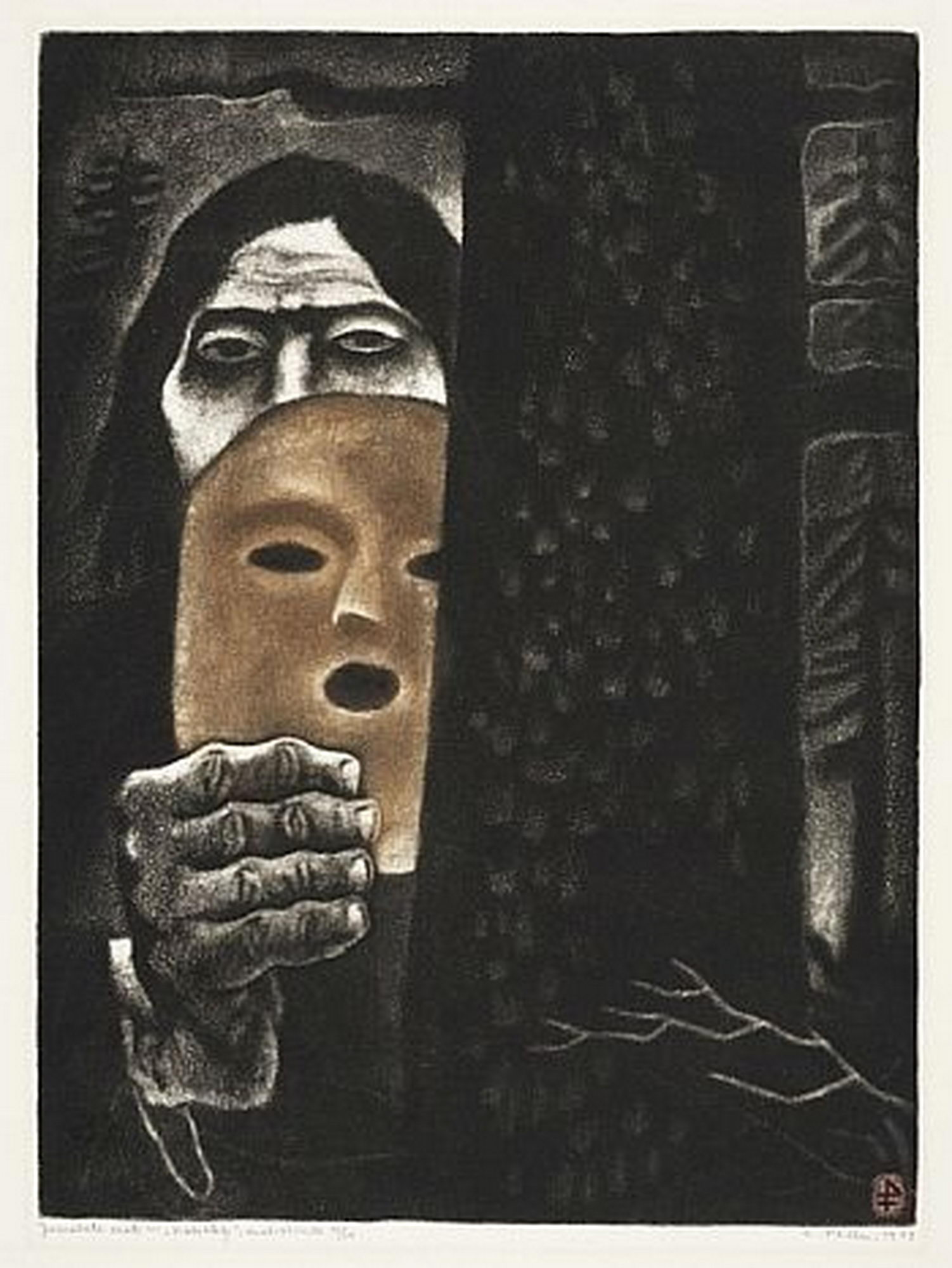
This novel is about that very transition from one civilization to another. Its central themes are the conflict between tradition and modernization, the opposition between nature and civilization, the loss of cultural memory, and the loneliness of those who no longer belong to the new world. It is not a conventional fantasy novel but rather a bittersweet tale about how languages, beliefs, and ultimately entire ways of seeing the world disappear. Kivirähk has not really created a fantasy world at all, but a myth about how cultures die.
In most stories, civilization represents progress. Here, civilization is forgetting. As people move into villages, they do not merely learn new things—they lose something as well. They forget the language of animals, the laws of the forest, the old stories, and eventually even the knowledge that it was once possible to live differently. Forgetting is not presented here as a single tragic moment but as a slow, almost imperceptible process. No one ever declares, “From now on, we shall no longer speak the language of the snakes.” Fewer and fewer people simply consider it worth learning, until no one teaches it to their children anymore. This is, after all, how languages and cultures disappear in real life.
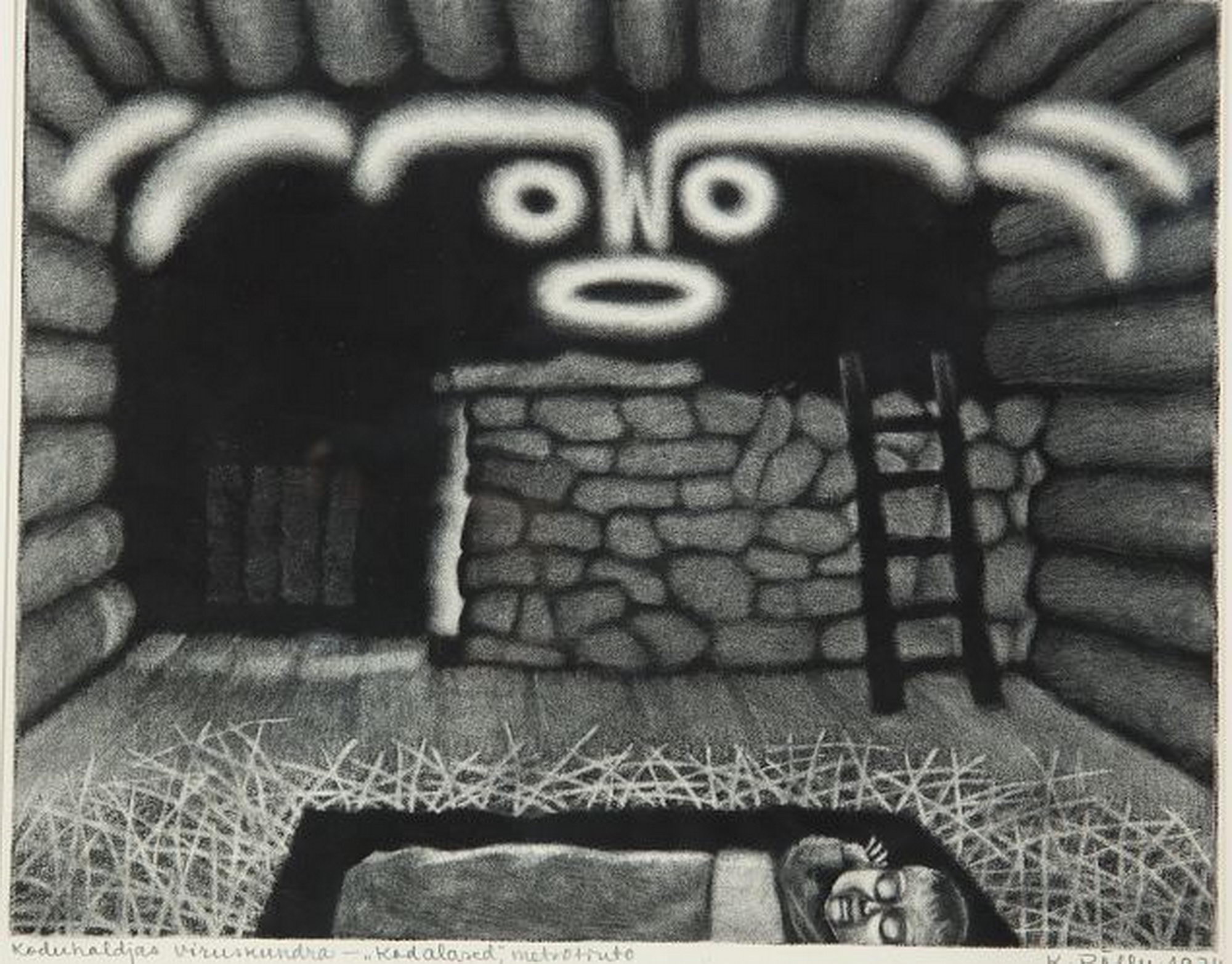
In fantasy literature, the disappearance of ancient magic is usually a sad event, but there is always hope that a chosen hero will preserve it. In Kivirähk’s novel there is no chosen one, no prophecy, no great battle. Magic simply dies out. And that is precisely what makes it so convincing. It is as though an anthropologist had written a work of fantasy.
Leemet, the protagonist, belongs to an ancient literary archetype: the last witness. He is not the last human being on Earth but the last person who still remembers something. Like the people anthropologists write about: the last speaker of an extinct language, the last person who still remembers a forgotten ritual, the last blacksmith or village singer. When such a person dies, it is not only an individual who is lost, but an entire body of knowledge. This is Kivirähk’s inversion of fantasy.
“They say there was once a time when it was perfectly natural for children to learn the language of the snakes from an early age. Of course, apart from the true masters, there were always people who did not grasp all its hidden subtleties—but even they managed well enough in everyday life. Everyone spoke the language of the snakes, which the Serpent Kings of ancient times had taught to our forefathers at the dawn of the world.
By the time I was born, everything had changed. Although the older people still made some use of the snake words, few of them possessed genuine mastery, while the younger generation did not even bother to wrestle with such a difficult language. The language of the snakes is no simple tongue. The human ear can barely distinguish the subtle differences that separate one hiss from another, though those tiny variations completely alter the meaning of what is being said. Besides, the human tongue is clumsy and stiff at first, so every hiss produced by a beginner sounds much the same. That is why learning the language of the snakes begins with exercises for the tongue itself: its muscles must be trained every single day until they become as agile and supple as those of the snakes. At first this is rather tedious, so it is hardly surprising that many forest people decided the effort was not worthwhile and moved to the village instead, where life was far more interesting—and where no knowledge of the snake tongue was needed.”
At the same time, the novel does not argue that we should all return to the forest. Instead, it asks a different question: is it possible to embrace progress without amputating our own past? This is not a uniquely Estonian question—it is the question every society must eventually face.
We often believe that a culture can be preserved. We can write it down, photograph it, place it in a museum. Kivirähk suggests otherwise. A culture remains alive only as long as someone continues to practice it. The language of the snakes does not die because nobody records it. It dies because nobody wishes to speak it anymore.
That is why there is no true villain in the novel, which is a brilliant artistic decision. If there were an evil ruler, if all the suffering came from the “Iron Men” and the “monks,” everything would be simple. But Kivirähk refuses to grant the reader that comfort. Here everyone is understandable, everyone is human. And that is precisely what makes the story tragic.
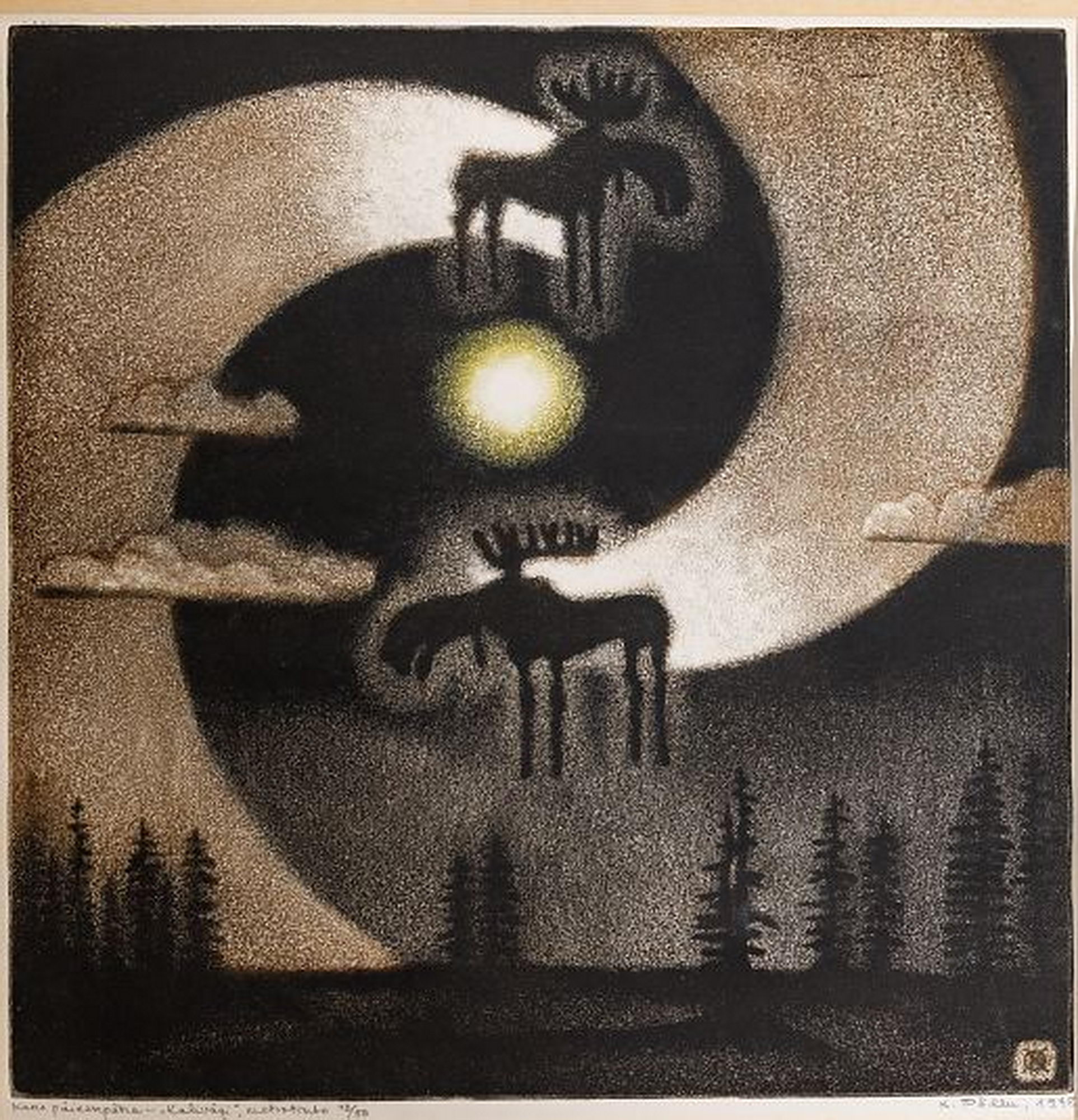
The true opponents of the ancient culture are not the foreigners themselves but those Estonians who choose to adopt the foreigners’ way of life and serve them—just as the native peoples of the Baltic lands spent nearly a thousand years as the despised subjects of their German conquerors. The novel’s fundamental opposition is not between Estonians and outsiders, but between the forest and the village.
The forest is not merely a place to live. It is a living, magical world where human beings are still part of nature. Animals can be spoken to, bears possess distinct personalities, snakes guard ancient knowledge, and their language serves as the common tongue of every creature of the forest. Indeed, the portrayal of animals is one of the novel’s most remarkable features: they are neither decorative background nor anthropomorphic caricatures, but genuine animals, each with its own unmistakable character.
“Snakes are immensely proud of their skin. Every tiny scratch pains them deeply, and whenever they suffer even the slightest mishap, they eagerly await the time of shedding, when they can don a flawless new coat. They are especially sensitive about their fresh skin and can become genuinely furious if someone accidentally splashes them with grease from roasted meat or touches them with fingers stained purple from picking bilberries. As for their old skins—discarded, cracked, and abandoned—they feel not only disgust but fear. During the long winter months, when they never leave their dens, mother vipers terrify their young with countless frightening tales. Every one of them tells of old cast-off skins that somehow come mysteriously to life, pursue their former owners, and strangle them to death. The little vipers tremble with fear, but the moment their mother finishes, they immediately beg:
‘Tell us another one! Tell us another story about the evil skin!’”
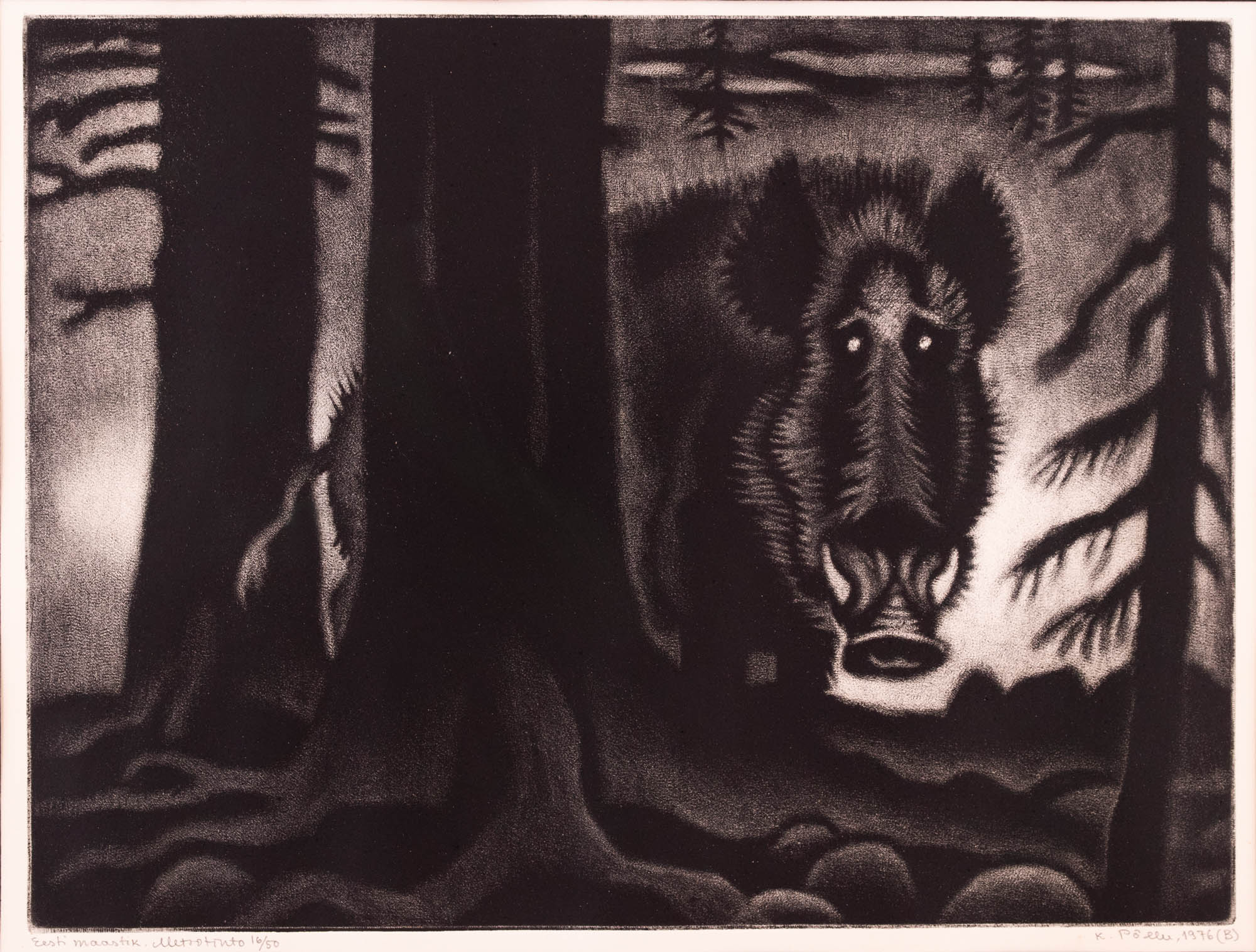
Or consider the bears, who are forever pursuing human women:
“It was an everyday occurrence, for few women could resist bears. They were so big, so soft, so gentle, and so wonderfully furry. Besides, they were born seducers, hopelessly fond of human women, and never missed an opportunity to get close to one and murmur into her ear. In the old days, when the best of our people still lived in the forest, it often happened that a bear became a woman's lover—at least until her husband caught the pair together and chased the great brown beast away.
“A bear pursuing a woman is capable of sitting in the same spot for days on end, patiently, without food or water, its head tilted to one side, its paws resting peacefully on its belly, wearing the foolish expression of an animal hopelessly in love. Young women find this irresistible. ‘Oh, what a darling bear!’ they sigh, deeply moved, whereupon the bear—having achieved precisely the effect it intended—gets to its feet and awkwardly shuffles toward the object of its affection with a buttercup plucked from a meadow between its teeth. And if it is clever enough to weave a wreath of dandelions and perch it a little crookedly atop its head, then no woman can possibly resist such an idyllic sight.”
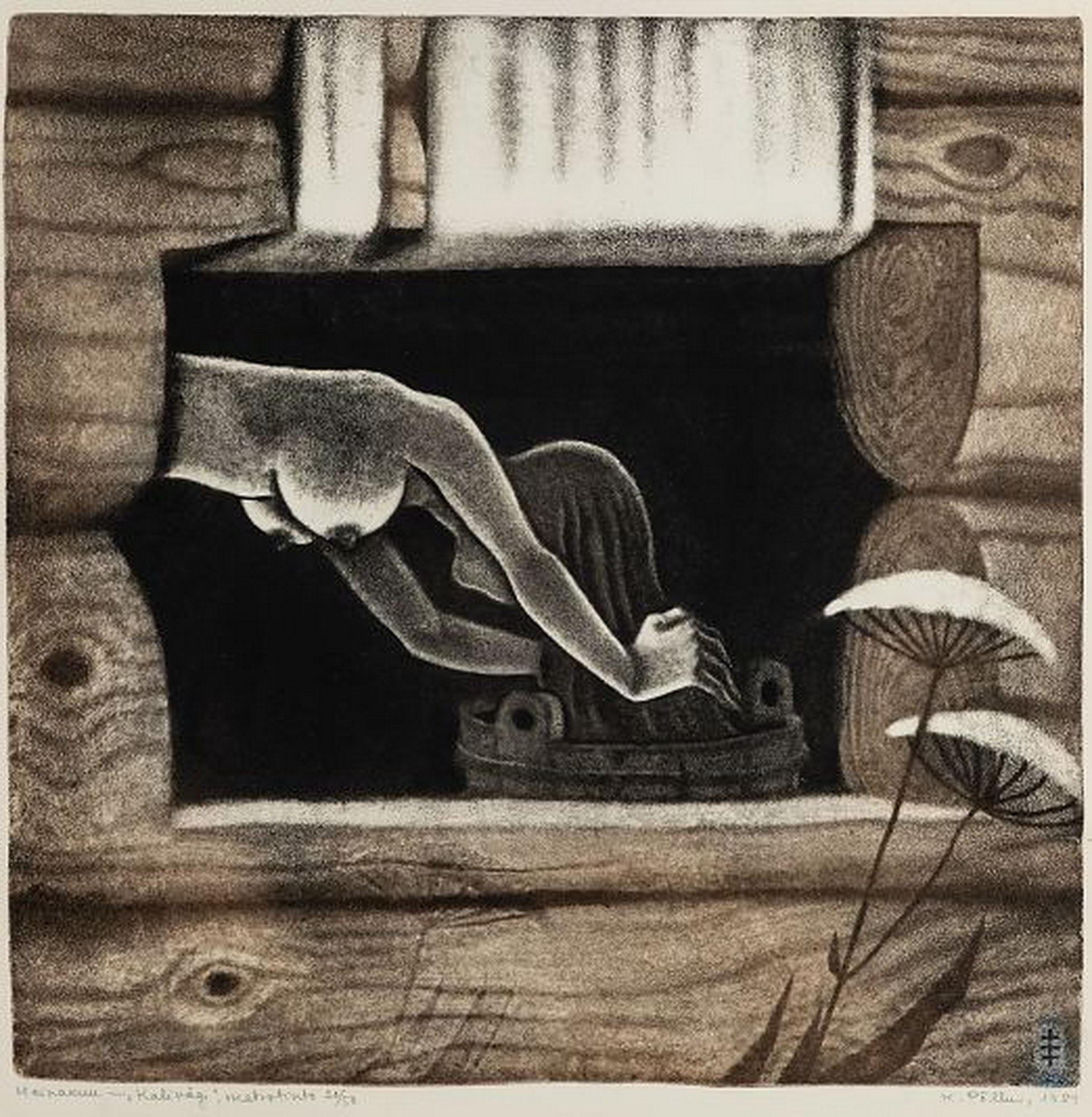
In the village, people build fences, cultivate the land, keep domestic animals, and establish rules. Ironically, they consider themselves more civilized, while in many respects they are far more superstitious than the inhabitants of the forest:
“Magdaleena turned pale and looked at me uncertainly. ‘Do you think it was some kind of sorcery? That I should never have allowed the snake to suck at my leg? But then I would have died, Father! You have no idea how ill I was! Father, say something! Why are you silent?’
‘I was praying,’ Johannes replied quietly, looking into Magdaleena’s eyes. ‘Do not be afraid, my child. You have done nothing to offend God. By its very nature the snake is a sinful creature, one of Satan’s creations, but God’s power surpasses that of Satan. He can use even the lowliest of creatures to accomplish His holy purposes. Satan sent that wicked snake to bite you, but in His boundless love God guided this young man to you so that he might save your life. God compelled the snake to draw out its own venom and then perish from it. Blessed be our Heavenly Father!’
‘A snake cannot die from its own venom,’ I said. ‘It bit Magdaleena by mistake, and I simply asked it to cleanse the wound. There was nothing miraculous about it. One only has to know the language of the snakes.’
‘But no one knows that language!’ Magdaleena exclaimed. ‘That is precisely what makes it a miracle that you do!’
‘Anyone can learn it,’ I said softly. ‘It is not such a difficult art. Once everyone knew it, and no snake ever bit anyone.’
Magdaleena busied herself setting the table, while Johannes sat down beside me and laid a hand on my shoulder. ‘Do not imagine that you could have learned the language of the snakes unless the Lord Himself had chosen you for that purpose,’ he said. ‘God did not wish an innocent child such as my daughter to perish, so He opened your mind to the language of the snakes, that one day you might emerge from the forest and save Magdaleena’s life.’
‘I know nothing about this God of yours, nor do I wish to,’ I replied. ‘It was my uncle who taught me the language of the snakes. Everyone knows it—unless they have forgotten it after moving to the village.’
‘If we have forgotten something, then it is because God willed it so,’ Johannes continued. ‘God does not want us talking to snakes, for the snake is His enemy. And what business should we have with the enemy of God? Nowhere in the world do people speak with snakes. Believe me—I have travelled the world, and I know what I am talking about. Why should we remain the last miserable people still clinging to snakes? What could those wretched creatures possibly have to say to us? I believe we ought instead to listen to those who are wiser than we are—to the foreigners, who can build castles and monasteries of stone, whose ships are large and swift, and whose bodies are clad in iron that no arrow can pierce. Do you think the snakes taught them such wisdom? No. They learned all these things through God. It was He who enlightened their minds and made them powerful, and He will help us as well—if only we listen to Him.”
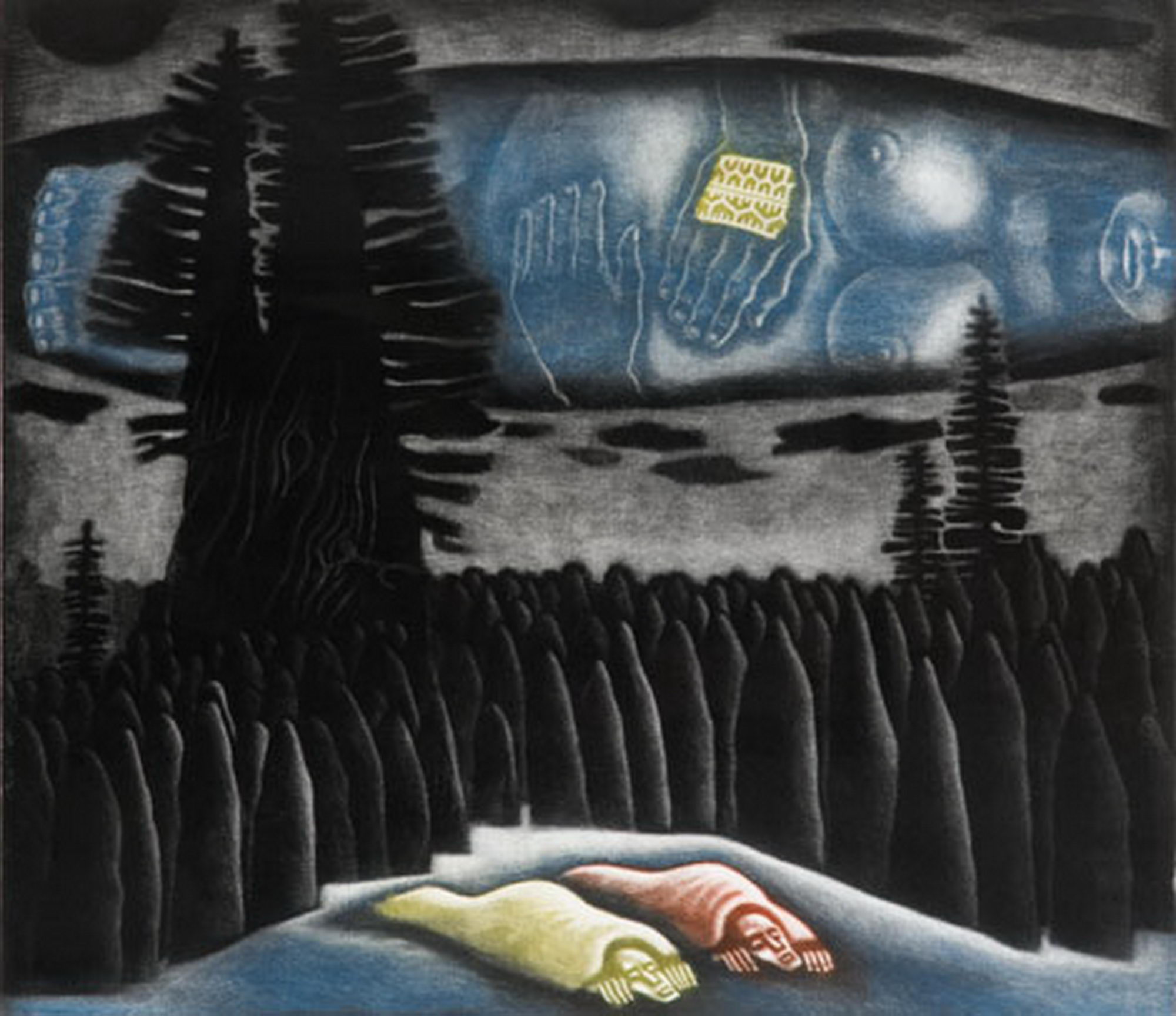
Despite its profound themes, this is by no means a sombre fantasy novel. Kivirähk’s distinctive sense of humour—the Estonian absurd—runs through the entire book in the form of comic scenes, grotesque characters, black humour, and a gently sarcastic yet fundamentally compassionate view of the world. Almost every character in the novel is ridiculous in one way or another—not because they are foolish, but because each is utterly convinced of possessing the truth. This applies equally to the villagers who have embraced the supposedly superior culture of the foreigners and to those who remain in the forest, clinging fanatically to the ancient worldview while inventing more and more superstitions that never existed in the old traditions—much like the defenders of any culture that feels itself gradually being pushed aside. Kivirähk’s humour is profoundly human: he shows how easily each of us comes to mistake our own worldview for the only conceivable reality.
“Only later did I understand that although Ülgas and Tambet hated everyone who had moved to the village, they themselves no longer lived according to the ancient customs. They were bitter and angry because, before their very eyes, the old life of the forest was slowly disappearing. Unable to accept this, they clung instead to mysterious ancient rites and imaginary spells, seeking salvation in a world of invented spirits while dismissing the snake words as something ordinary and insignificant. To them, the language of the snakes seemed too weak and too powerless, since it could not keep people from leaving the forest, and therefore it was of no use. They believed that only magic and spirits could solve their problems. But because the snakes knew that no such magic existed and that no spirits inhabited the forest, Ülgas and Tambet no longer wished to have anything to do with them. Even finding the Dragon of the North would no longer have satisfied them. They imagined they had discovered something far greater, and endlessly babbled about their spirits and Forest Mothers, believing that in doing so they were preserving the ancient values. They never understood that, in reality, they had wandered just as far away from those values as the people in the village.”
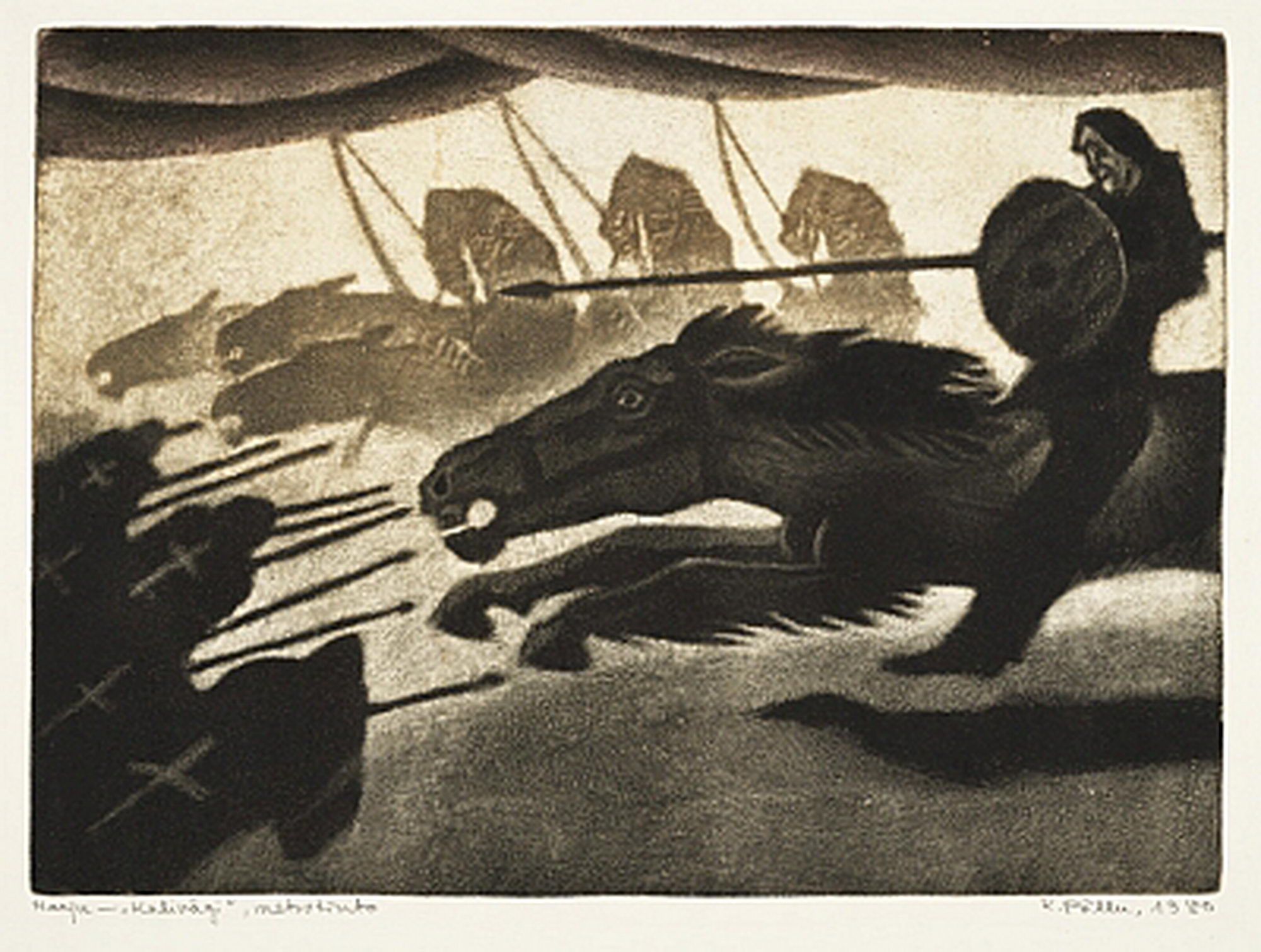
Throughout the novel, Kivirähk suggests that the world is not magical because it contains miracles. It is magical because there is still someone capable of seeing it as miraculous. In the end, the language of the snakes is not a magical language at all, but a particular way of paying attention—a capacity to enter into a relationship with the world instead of seeking to dominate it.
When that capacity disappears, the world remains almost unchanged on the surface. The same forests, the same stones, the same rivers. Yet something essential has vanished: the sense of reciprocity.
Civilized humanity tends to regard the world as a collection of objects: the forest as timber, the river as a water resource, the snake as a dangerous animal. In Leemet’s world, nature is still addressed as “Thou.” Not because his world is more naïve, but because it is founded upon a different kind of relationship.
One of the novel’s deepest questions, therefore, is what it truly means to be human. Does our humanity lie in possessing and reshaping the world ever more completely—or in understanding it ever more deeply and learning to address it?
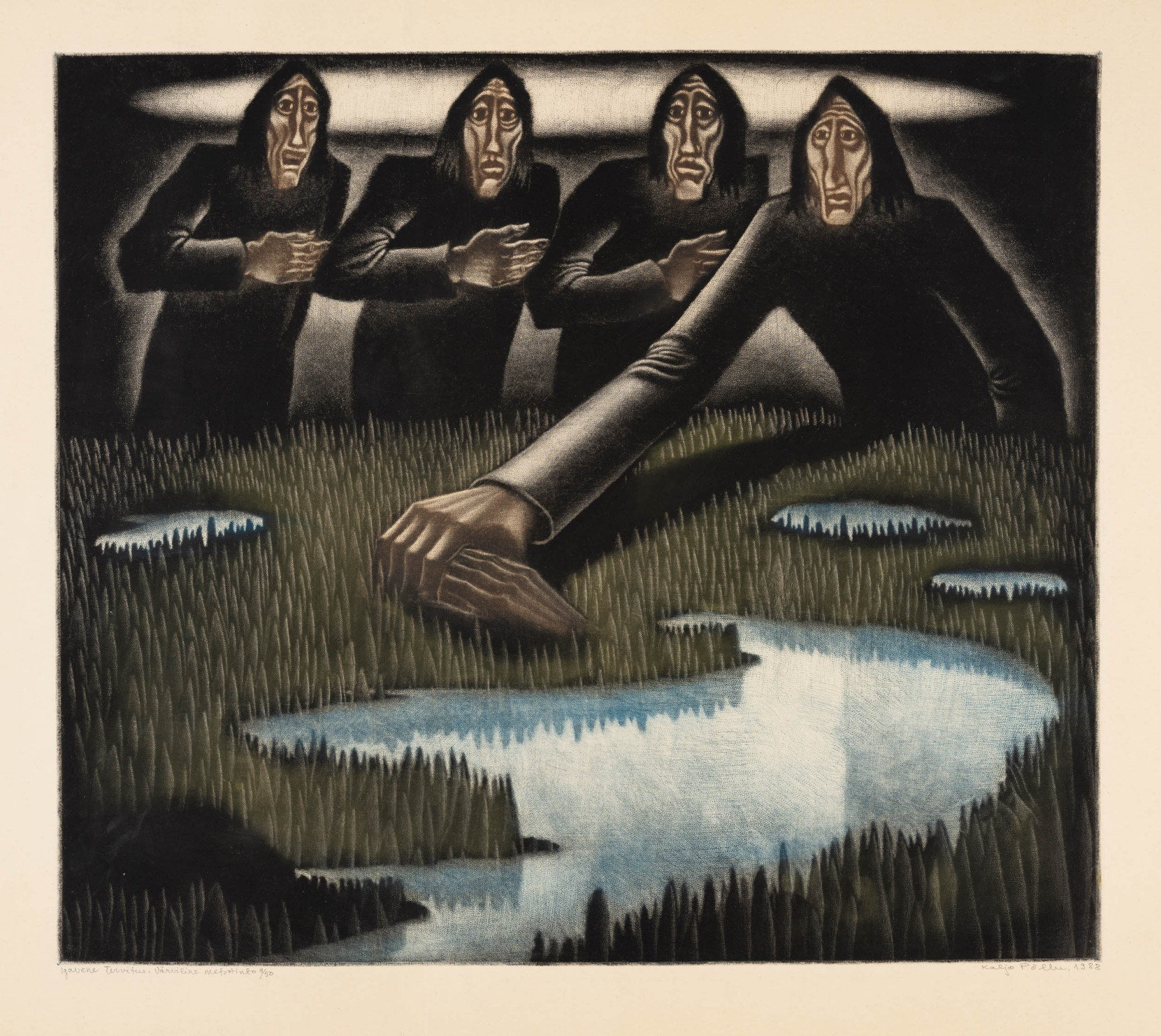
The novel is a powerful allegory. Yet none of its characters knows that they have become symbols. Leemet does not set out to represent the old culture; he simply wants to live his own life. The priest does not seek to destroy folklore; he merely follows his faith. The villager does not wish to become a traitor; he simply longs for an easier life.
Historical processes often become symbols only in retrospect. What Kivirähk shows instead is that, from within, history is nothing more—and nothing less—than a chain of ordinary human decisions, quietly intertwining until they reshape the world.
Seen through the eyes of a historian, this is precisely how history unfolds. People rarely realize that they are standing at the threshold of a new era; more often, they simply notice that the familiar world around them is slowly changing.
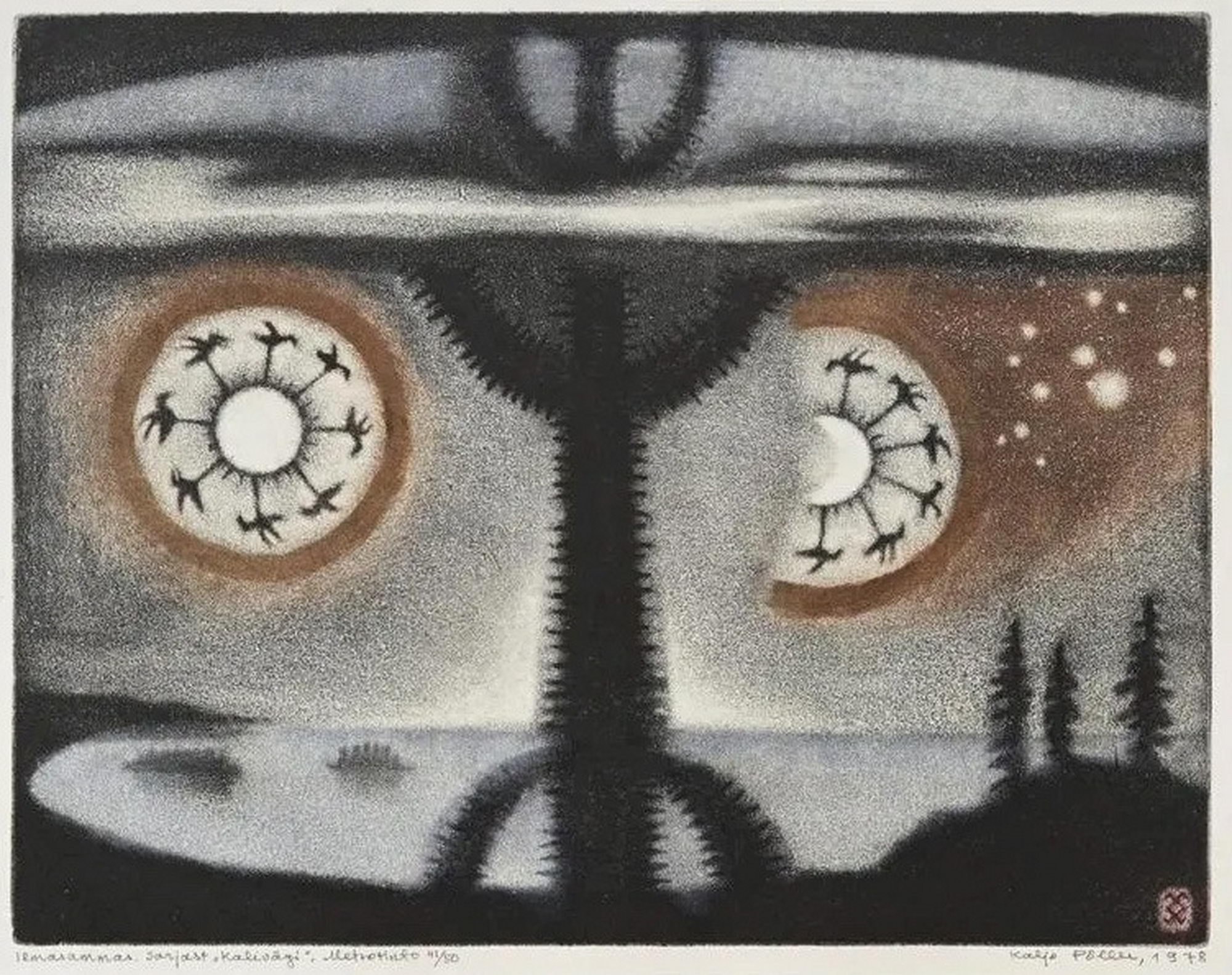
Whenever I write about Armenian monasteries, Svan villages, or the ruins of Anatolia, I find myself asking the same question: “What did this place mean to the people who built it?” My aim is to make the inner logic of a vanished world tangible once again.
Kivirähk’s novel attempts something very similar, only in the opposite direction. It does not show us ruins, but a living world on the verge of becoming one. The reader occupies a curious position: we know that this world will disappear, while the characters themselves do not. That knowledge creates a profound dramatic tension. It is as though we were walking through a medieval village already knowing that, a few centuries later, nothing but moss-covered stones would remain. Yet its inhabitants are still sowing and harvesting, falling in love, quarrelling. For them, history has not yet become history.
The novel reminds us that every ruin was once somebody’s present. The archaeologist sees the stones, the historian reconstructs the events, but Kivirähk tries to restore something different: what it felt like to live inside a world that did not yet know it was about to become a memory. Reading it evokes the same poignant emotion one feels when visiting a culture in its final moments, arriving, as it were, in the twenty-fourth hour before it vanishes.
“My lessons with Uncle Vootele continued. By then I had become skilled enough that we no longer spent all our time practising the language of the snakes. More often we simply wandered through the forest together, talking about all manner of things. Sometimes it was just the two of us, though Ints often joined us as well, draped around my neck like a ribbon. Uncle Vootele told us stories about everything that had once existed but had now disappeared forever. He showed us cottages overgrown with bushes whose inhabitants had either died or moved to the village, and he told us what remarkable old men and formidable old women had once lived there. A hundred years earlier no one could have imagined that these cottages would one day stand empty, their walls collapsing and their roofs caving in. We forced our way through the undergrowth and wandered among the ruins of the abandoned huts, where we always found something left behind by their former owners. Often we came upon entire households: pots, knives, axes, and chests filled with animal skins, gold, and precious stones. The latter must have been part of the rich spoils taken from ships that had drifted onto our shores. It felt strange to hold those brooches and necklaces in my hands—treasures over which the immense shadow of the Dragon of the North had once hovered. One could almost feel the heat of the flames that had burst from the dragon’s mouth.
We left everything where it lay. What use would we have had for the skins, the pots, or the treasures? We ourselves possessed all these things in abundance, accumulated by countless generations over the centuries. We climbed out of the crumbling ruins, and the thicket closed over them once more, concealing them beneath its dense web of branches.”
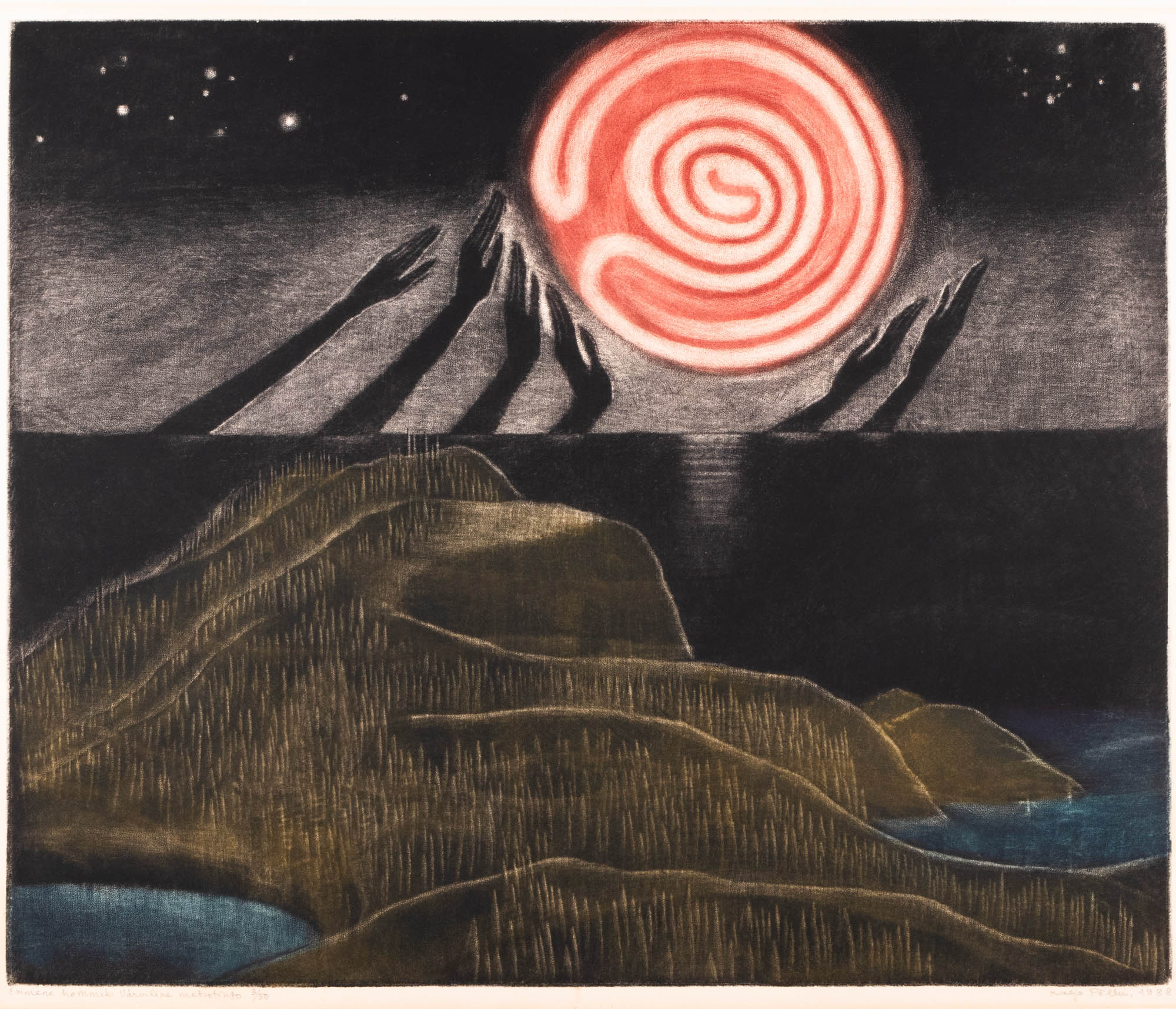
The ending of the novel is deeply moving, though not tragic in the conventional sense. Everything is not decided by a great battle, nor by the defeat of some ultimate villain. Instead comes the realization that worlds rarely die because they are destroyed; more often they disappear because people simply no longer wish to inhabit them. That is what makes the novel timeless. It is not merely about medieval Estonia, but about every age in which a culture, a language, or a way of life slowly yields to a new order.
“I have been left alone with the Dragon of the North. I have guarded him for forty years now, and I too have grown very old. These days I seldom go outside. I sleep a great deal, and I dream. Most often I dream that I am a child again, sitting in Uncle Vootele’s cellar while he teaches me the words of the snakes. Then, suddenly, he turns pale, falls backward, and dies. But I am not afraid. Instead I snuggle up beside him, warm and content. The smell of my uncle’s decaying body does not disturb me in the least; on the contrary, it feels familiar and protective. At that moment I usually awaken, finding myself leaning against the Dragon of the North, though the smell still lingers in my nostrils. I know it does not come from the Dragon, for he is eternal. It comes from me, an old man.
I hiss a few snake words into the emptiness—the very same words Uncle Vootele once taught me—and those words cleanse the air of its foulness. Everything else within me may decay, but the language of the snakes remains forever fresh. The language of the snakes, and the Dragon of the North, sleeping peacefully.
So I worry about nothing. I can quietly close my eyes once again. No one disturbs my sleep. The Dragon of the North and the last man who still speaks the language of the snakes may rest in peace.”
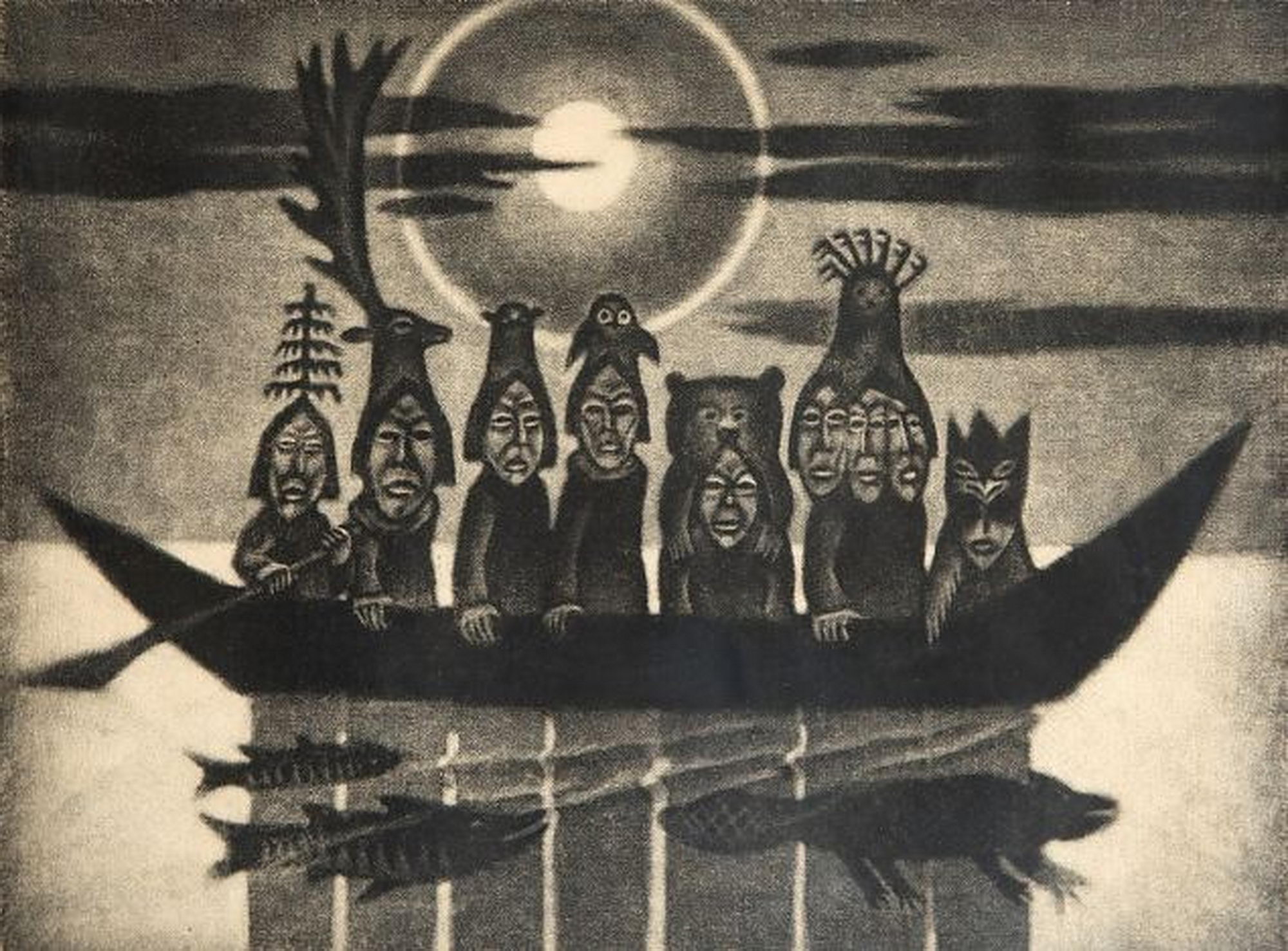
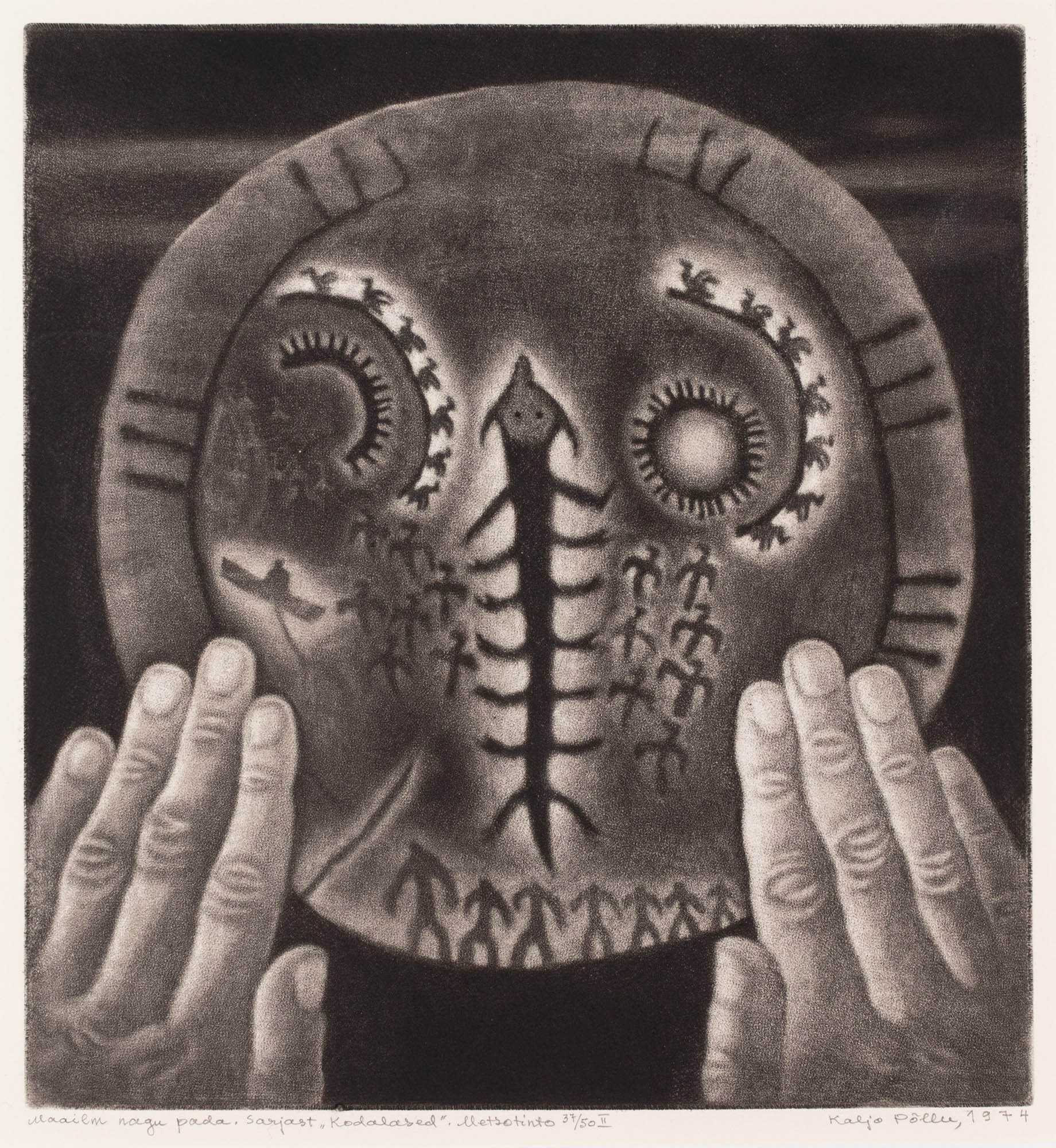
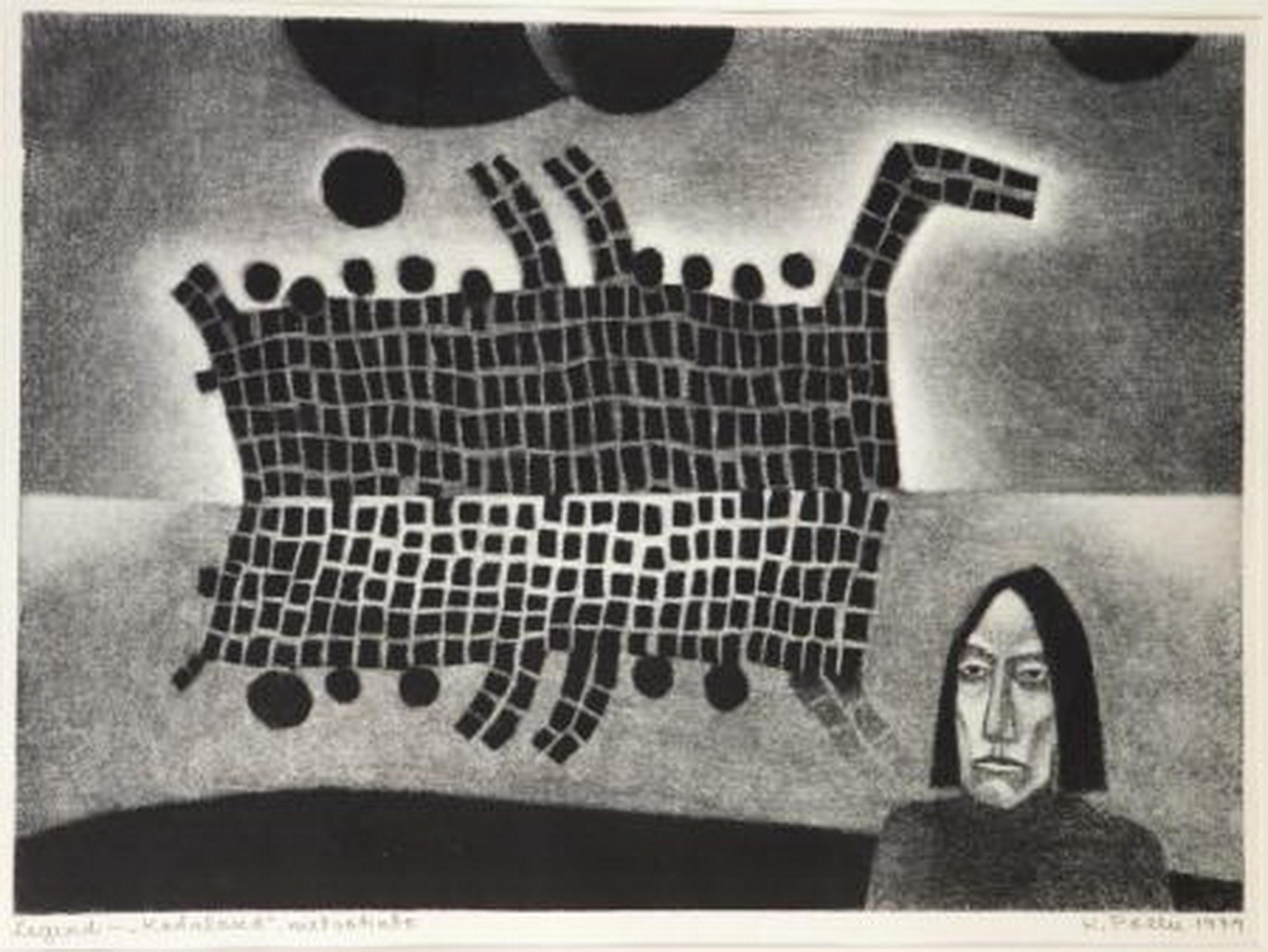
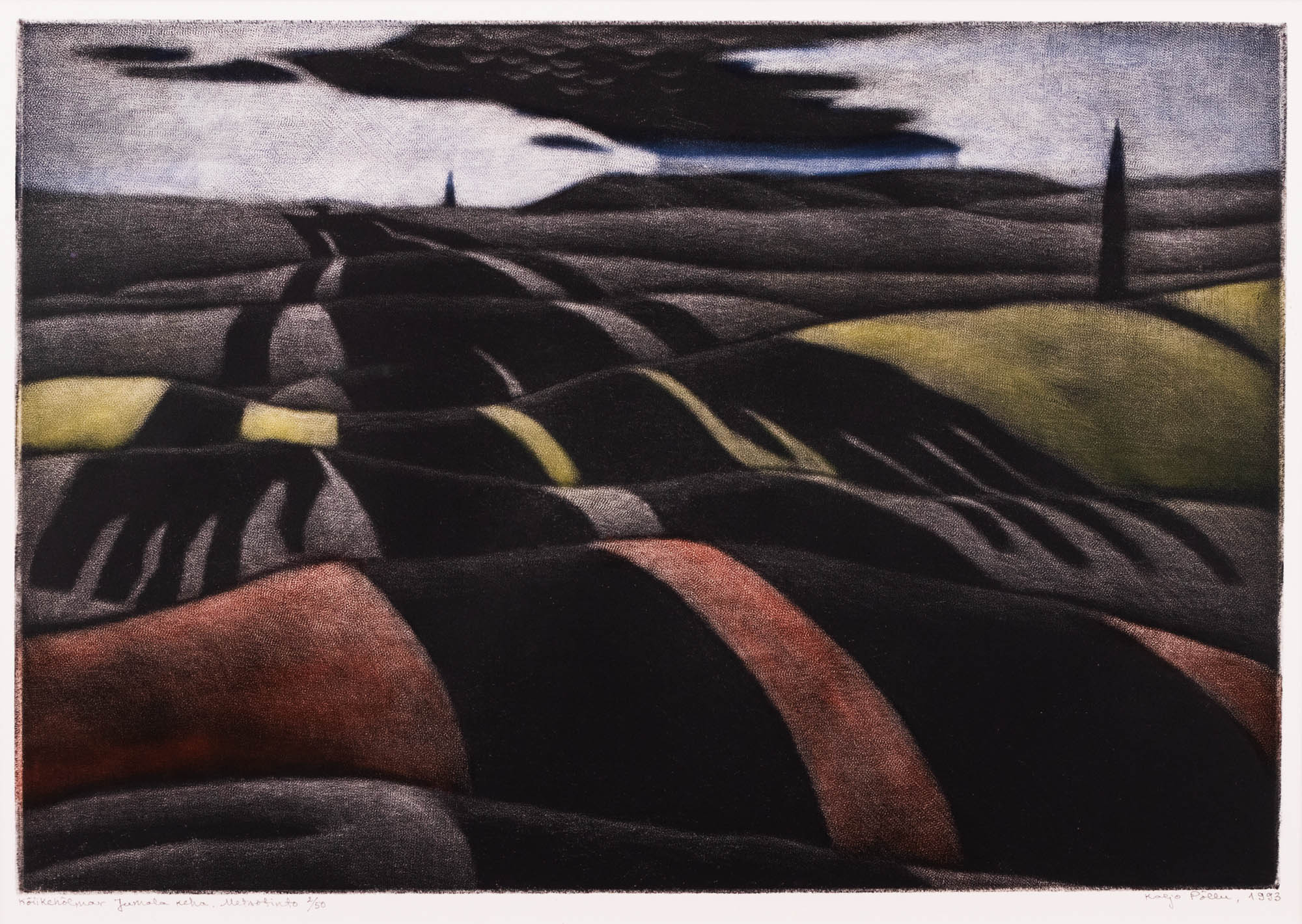 The illustrations are by Kaljo Põllu (1934–2010), who, in his own unique way, created a private Estonian mythology through his graphic art.



Add comment