

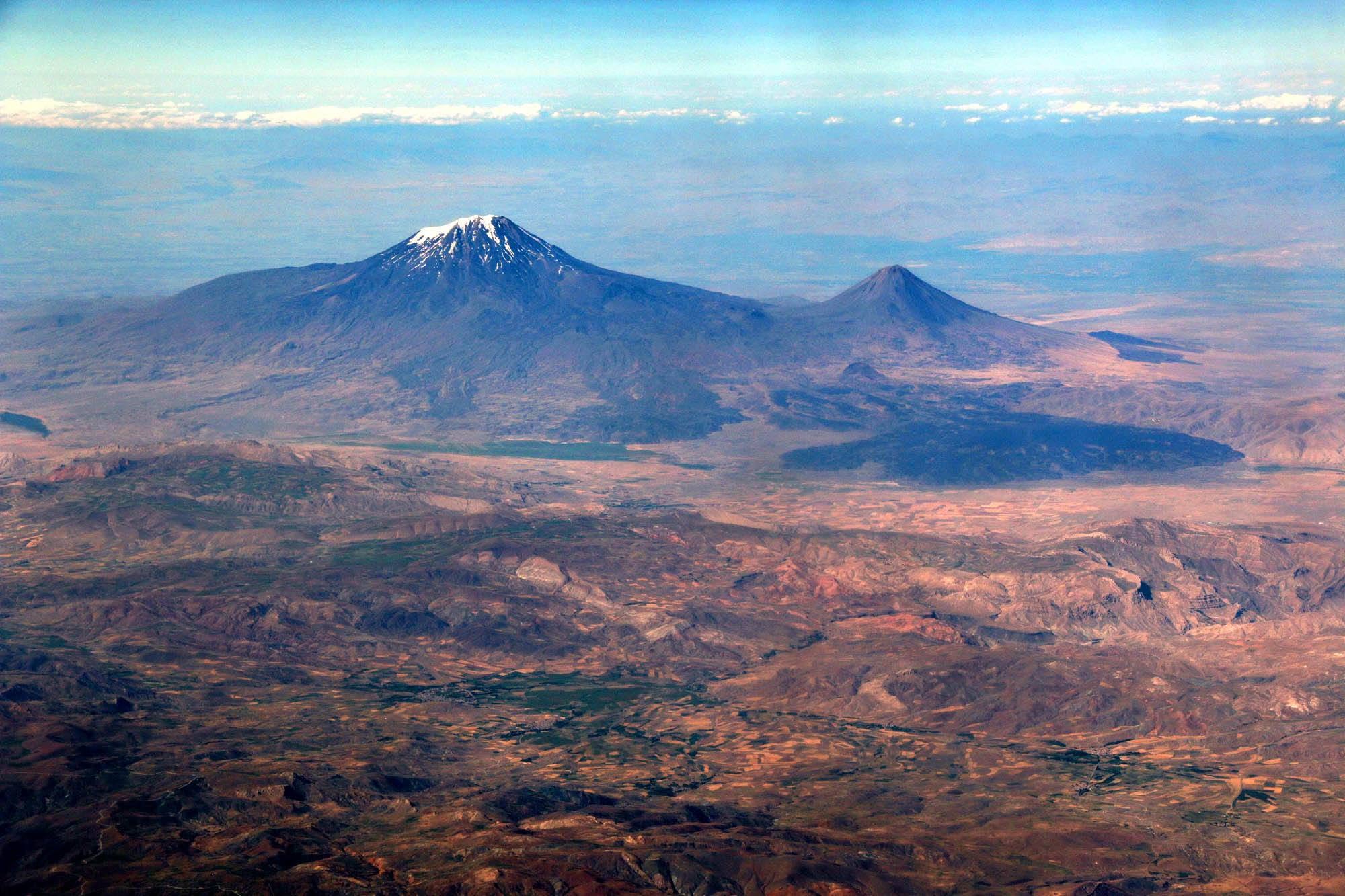
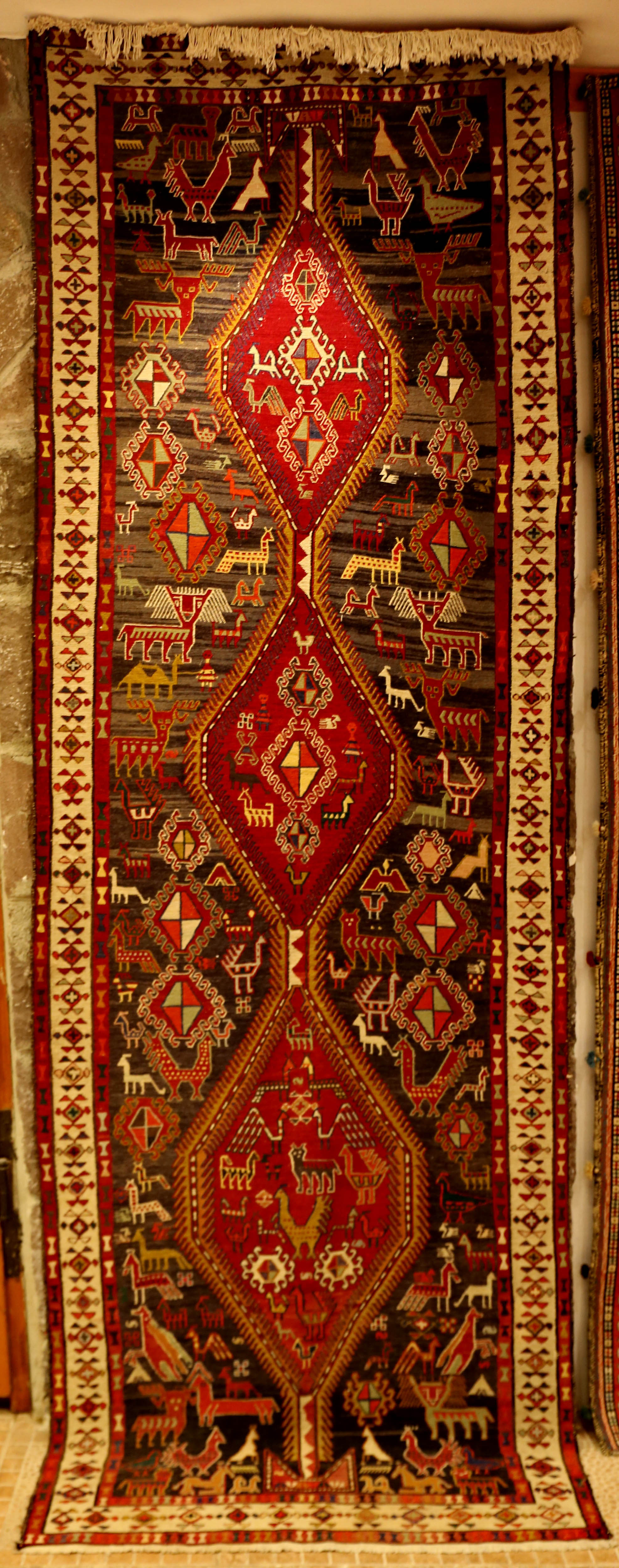
For several days now we have been circling Mount Ararat, travelling from Lake Van towards Tao-Klarjeti, and again and again among the carpet dealers I encounter a type of carpet I have never seen before. On the runner, three toranj (diamond- or hexagonal-shaped medallions) follow one another, and inside and around them stand numerous small animals. The dealers offer this type under the name “Ararat carpets” and claim that the weavers depicted the animals emerging from Noah’s Ark.
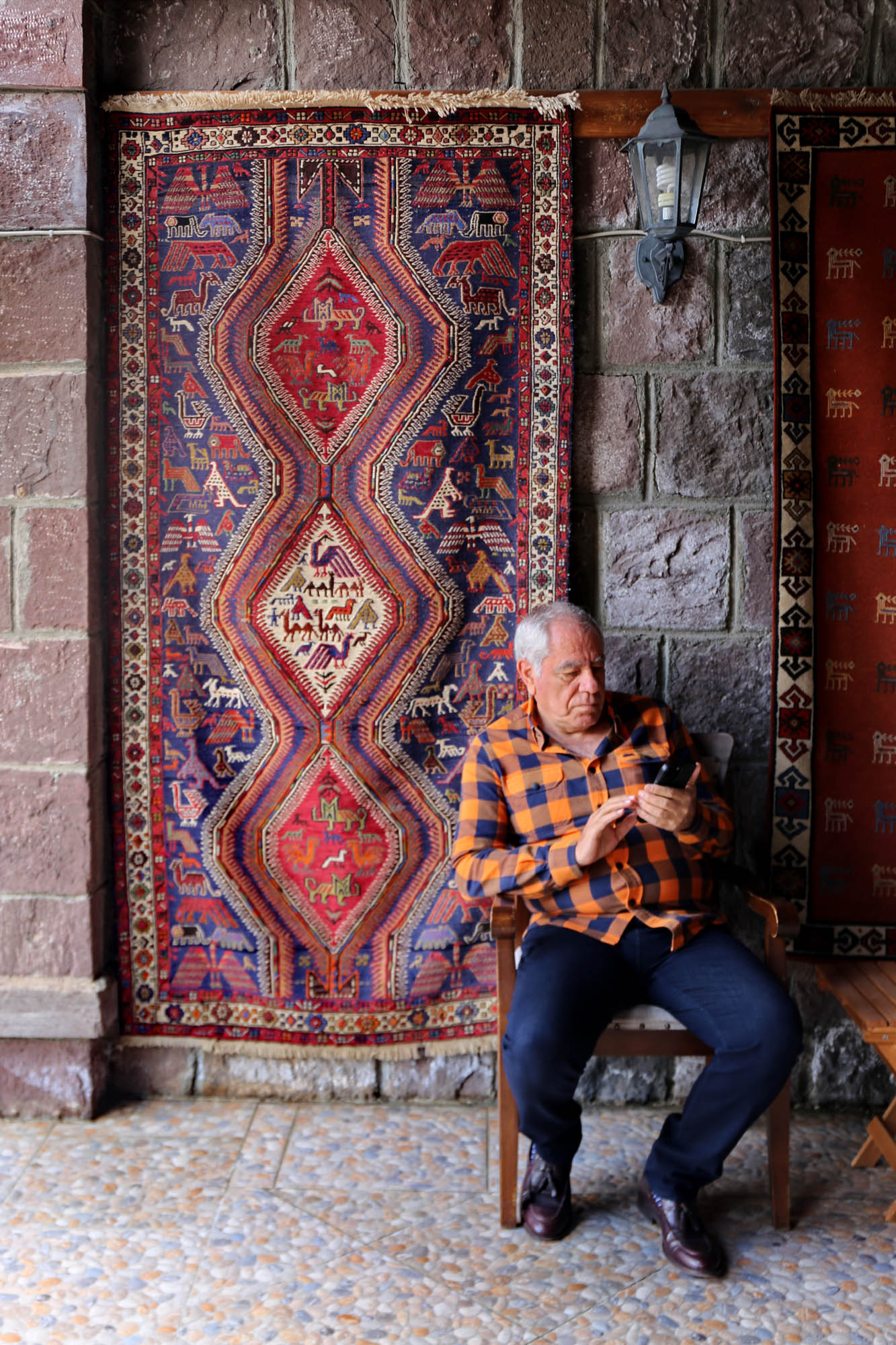
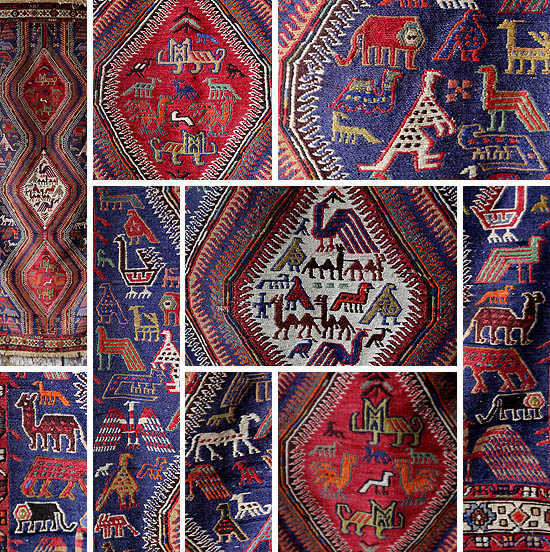
There are indeed many animals, and if we look at the two sides of the carpet’s axis-symmetrical design, they really do appear in pairs. Yet the scholarly literature knows nothing of “Ararat carpets”. Where the term does occur, it either refers simply to any carpet originating from the Kurdish villages around Ararat, or it is dismissed as a typical seller’s invention — a piece of bazaar romanticism intended to increase the value of the goods in the eyes of buyers from the Christian world, as if they were acquiring an object belonging to some ancient local tradition rooted in the Bible.
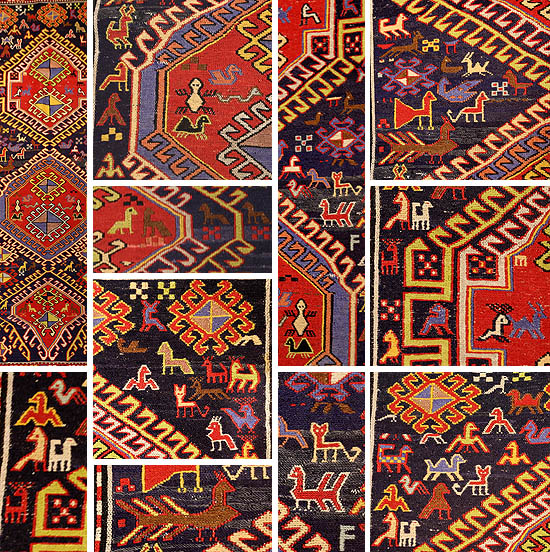
These animals are not the ones Noah saw from the command deck of the Ark, but rather the creatures that a Kurdish carpet-weaving woman might have seen in her own courtyard. They are animals that represented abundance, prosperity and security for her and her family, such as sheep, camels and goats. Or they carried additional positive symbolic meanings: the horse represented masculinity, leadership and freedom; the peacock, paradise and spring renewal; the rooster, the victory of light; birds, the human soul and its connection with the afterlife. And, of course, the lion: appearing in a courtyard, it would have meant great danger, but appearing on a carpet, it became a powerful protector. These meanings were not carpet-seller inventions, but conscious elements of the weavers’ tradition and of the expectations of those who commissioned their work.
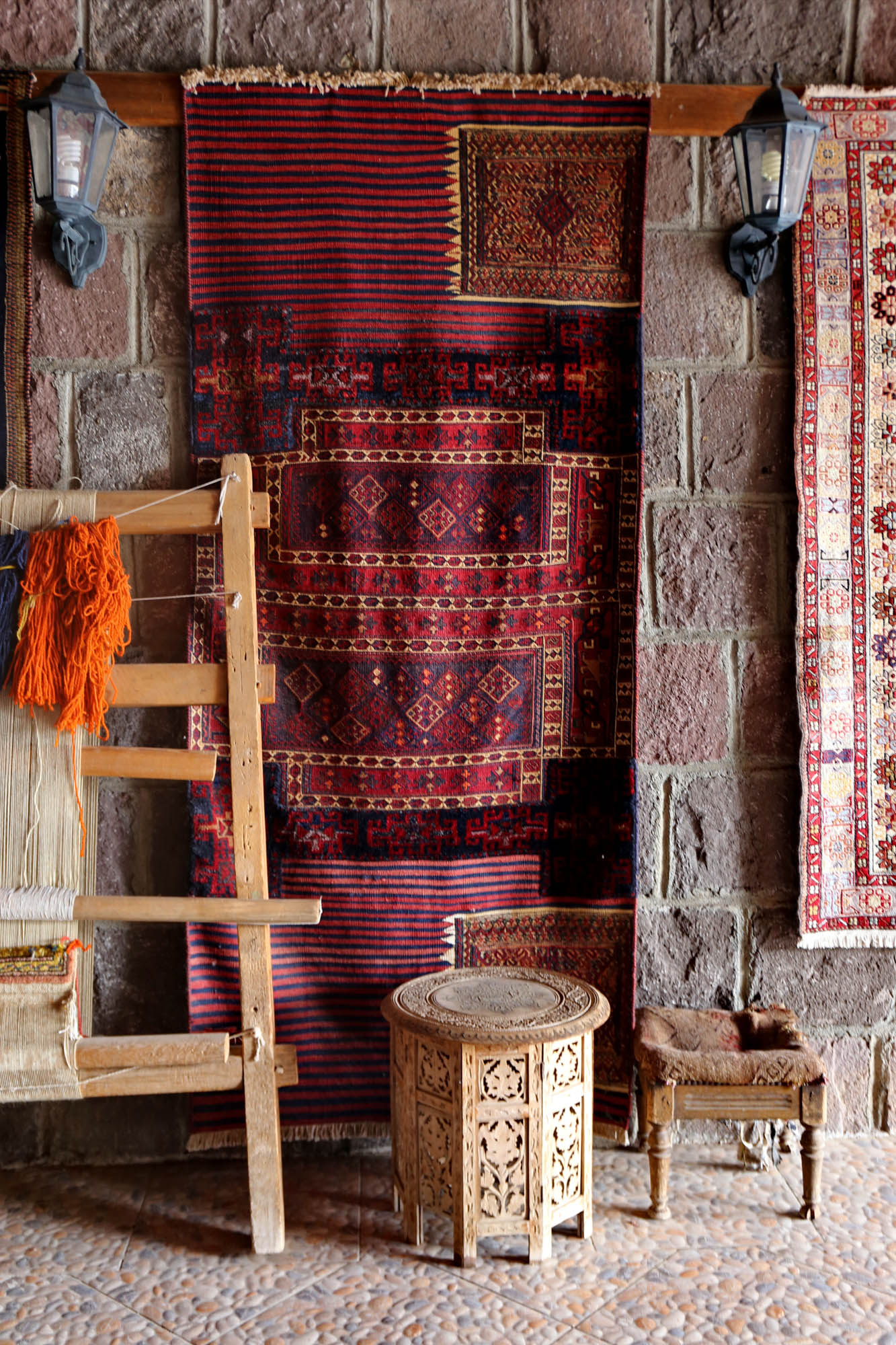
In one sense, however, these really are Ararat carpets: runners with three toranj medallions and a multitude of animals are particularly characteristic of the nomadic weavers of this region — the Kurdish tribes living on the western and eastern sides of Ararat, the Shahsevan people of the neighbouring Iranian borderlands, and the Qashqai who later migrated from here to southern Iran. They maintained a direct, everyday and almost spiritual relationship with animals, and unlike the disciplined styles of oasis-city craftsmen, which often followed pattern books, they allowed themselves this free and playful improvisation. Their textiles are also characterised by this horror vacui: every small empty space must be filled with a lively multitude of tiny figures carrying positive meanings and protecting against misfortune.



Add comment